Table of Contents >> Show >> Hide
- What Is Velcro, Exactly?
- Why Velcro Stops Sticking
- How to Make Velcro Stick Again
- Best Tools for Cleaning Velcro
- How to Fix Adhesive-Backed Velcro That Peels Off
- How to Wash Items With Velcro Without Wrecking Them
- Common Mistakes That Make Velcro Worse
- When You Should Replace Velcro Instead of Reviving It
- Specific Examples: What Works in Real Life
- Does Velcro Wear Out Permanently?
- Final Thoughts
- Everyday Experiences With Velcro That Stops Sticking
Velcro has one job: grab on and refuse to let go like a toddler in a candy aisle. So when it suddenly stops sticking, it feels oddly personal. One day your kid’s shoe strap is solid, your knee brace is secure, and your cable tie is minding its business. The next day, everything is flapping around like it has given up on commitment.
The good news is that worn-out Velcro is not always actually worn out. In many cases, it is just dirty, clogged, flattened, or attached to the wrong surface. That means you can often bring it back to life with a little cleaning, a little patience, and a lot less drama than buying replacements for every jacket cuff, shoe strap, pet harness, or storage wrap in the house.
In this guide, you will learn how hook-and-loop fasteners work, why they stop sticking, how to clean them properly, when to repair them, and when to admit the relationship is over and replace them. We will also cover common mistakes, adhesive-backed Velcro problems, and real-life experiences that make this humble fastening system a lot more interesting than it sounds.
What Is Velcro, Exactly?
Technically, Velcro is a brand name, while hook-and-loop fastener is the generic term. One side has tiny hooks. The other side has soft loops. When pressed together, the hooks catch the loops and create a temporary bond that is easy to open and close again and again.
That simple design is why hook-and-loop closures show up everywhere: kids’ shoes, sports gear, jackets, medical braces, backpacks, cable organizers, pet accessories, upholstery, and even wall-mounted storage solutions. It is fast, convenient, adjustable, and wonderfully low-maintenance until it starts collecting enough fuzz to qualify as a small mammal.
Why Velcro Stops Sticking
If your Velcro has lost its grip, one of five things is usually happening.
1. The hooks are clogged
The hook side is designed to catch things. Unfortunately, it does not care whether that thing is the loop strip or half the lint from your laundry room. Hair, pet fur, thread, dust, and fuzz can pack into the hooks and stop them from grabbing properly.
2. The loop side is flattened
The soft loop side can become mashed down over time, especially on high-use items like braces, shoes, and bag straps. When the loops lie flat, there is less texture for the hooks to catch.
3. The fastener is dirty or oily
Dirt, body oils, detergent residue, and general grime can build up on both sides. If the closure lives on sports gear, outerwear, or anything that spends time outdoors, it may need more than a quick swipe.
4. The fastener is physically worn out
After many cycles, the hooks may bend or break, and the loops may become fuzzy in the wrong way. At that point, cleaning helps less because the structure itself has degraded.
5. The adhesive backing has failed
Sometimes the hook and loop still work fine, but the strip peels away from the surface. In that case, the problem is not the fastening face. It is the glue, the surface prep, or the fact that somebody asked an adhesive-backed strip to survive heat, moisture, or rough fabric when it never signed up for that.
How to Make Velcro Stick Again
Here is the practical step-by-step method that works best for most hook-and-loop closures.
Step 1: Inspect both sides
Separate the fastener and look closely. If the hook side is packed with lint, that is your first clue. If the loop side looks smooth, crushed, or shiny, it probably needs to be fluffed up. If the strip is peeling off the item, you are dealing with an adhesive or attachment problem instead.
Step 2: Remove visible debris by hand
Use your fingers, tweezers, a pin, or the tip of a seam ripper to pull out obvious fuzz, hair, and thread. Work carefully so you do not tear the loops or snap off the hooks. This part is not glamorous, but neither is vacuuming under the couch, and yet here we are.
Step 3: Brush the hook side
Use a stiff-bristled brush, a fine-tooth comb, or even another piece of hook material to rake out trapped lint. Brush in one direction, then another, until the hooks look more defined. On heavily clogged fasteners, a toothbrush can help, but a slightly stiffer brush usually works better on the hook side.
Step 4: Revive the loop side
Take a soft but firm brush, such as a toothbrush, and gently brush the loop side to raise flattened fibers. You are not trying to shred the fabric. You are just encouraging the loops to stand up again so the hooks have something to catch.
Step 5: Wash away grime
If the fastener is still dirty, use a small amount of warm water and mild detergent. Dip the toothbrush lightly and scrub both sides gently. Do not soak adhesive-backed strips unless the item’s care instructions allow it. On washable items like some braces, gear straps, and clothing, gentle cleaning can make a noticeable difference.
Step 6: Rinse and dry completely
Any leftover soap can attract more grime, so wipe or rinse away residue. Then let the fastener air dry fully before testing it. Do not press wet Velcro together and declare victory too early. Wet fibers are terrible at making promises.
Step 7: Test the closure
Once dry, press the hook and loop sides firmly together and pull them apart. If the grip feels much better, your fastener was probably just dirty. If it still slips easily, the material may be too worn or the loops may be too crushed to recover fully.
Best Tools for Cleaning Velcro
You do not need a special miracle gadget. Most people already have the right tools at home.
- Tweezers for pulling out hair and thread
- A stiff brush for the hook side
- A toothbrush for the loop side
- A fine-tooth comb for stubborn lint
- Mild detergent and warm water for grime
- A clean cloth for wiping and drying
If you clean Velcro often, keeping a dedicated old toothbrush in the laundry area is a smart move. It is one of those tiny household upgrades that makes you feel strangely organized.
How to Fix Adhesive-Backed Velcro That Peels Off
If the hook-and-loop faces still engage but the strip will not stay attached to the wall, plastic, metal, or other surface, you need to troubleshoot the backing.
Clean the surface first
Dust, oil, moisture, and residue weaken adhesion fast. Wipe the surface clean, let it dry completely, and then apply the new strip. Press firmly along the entire length instead of poking at the middle and hoping for the best.
Use the right type for the job
Adhesive-backed hook-and-loop fasteners are convenient, but they are not ideal for every fabric application. If you are attaching to clothing, upholstery, or gear that bends constantly, sew-on versions are usually more durable.
Replace old strips instead of re-gluing everything forever
If the original adhesive has failed repeatedly, replacing the strip is often cleaner and more reliable than piling on mystery glue from the junk drawer. Some DIY fixes work temporarily, but many create stiff, messy, less flexible closures that are worse than the original problem.
How to Wash Items With Velcro Without Wrecking Them
Prevention matters. A lot. If you toss open Velcro into the wash, it can snag other fabrics, collect lint, and come out looking like it fought a blanket and lost.
Always close the fastener before washing
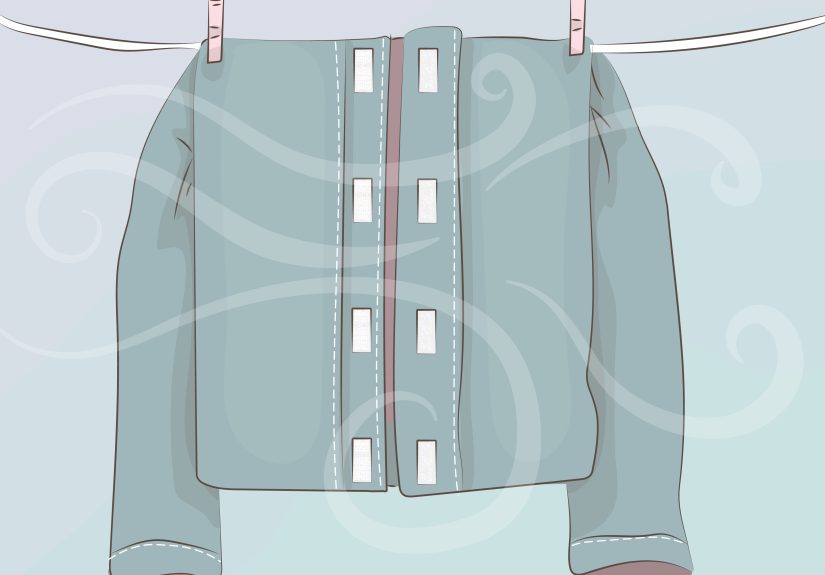
Press the hook and loop together before the item goes into the washer. This protects the hooks, reduces lint buildup, and prevents snagging on surrounding fabrics.
Use mild detergent
Harsh chemicals, bleach, and heavy residue can damage surrounding materials and leave buildup behind. Mild detergent is the safer bet.
Choose cool or gentle settings when possible
Cold or delicate cycles are often best for outerwear, technical gear, and items with hook-and-loop closures. High heat can be rough on coatings, adhesives, and nearby fabrics.
Air dry or use low heat
Air drying is usually safest. If the care label allows machine drying, keep it on low heat. High heat is one of the easiest ways to shorten the life of technical fabrics and adhesive-backed closures.
Common Mistakes That Make Velcro Worse
- Ignoring lint buildup for months: The longer it stays packed in, the harder it is to remove.
- Using scissors aggressively: Snipping at the fastener can cut the loops or damage the hook field.
- Using strong solvents or bleach: These can damage the material or nearby fabric.
- Applying adhesive-backed strips to dirty surfaces: That fix rarely lasts.
- Ironing over hook-and-loop areas: Heat and synthetic materials are not a sweet love story.
- Assuming every failure is permanent: A surprising amount of “dead” Velcro just needs a good cleaning.
When You Should Replace Velcro Instead of Reviving It
Sometimes the honest answer is replacement. Here are the signs.
- The hooks are bent flat, broken, or missing
- The loop side is bald, torn, or permanently mashed down
- The adhesive backing peels up repeatedly even after proper prep
- The closure no longer grips after cleaning and drying
- The item depends on secure closure for safety or support
That last point matters. If the Velcro is on a medical brace, protective gear, or something that needs reliable hold, do not gamble with a half-fixed closure. Replace the strip or the item.
Specific Examples: What Works in Real Life
Kids’ shoes
Shoe straps often stop sticking because they collect playground dust, carpet fuzz, and sock fibers. Cleaning the hooks with tweezers and a toothbrush usually helps a lot.
Jacket cuffs
Outerwear cuffs pick up lint and body oils, especially in colder months. Gentle brushing and mild soap can restore grip, but high dryer heat can make the whole problem worse.
Backpacks and gear straps
These usually deal with dirt and outdoor debris more than laundry fuzz. A dry brush first, then spot cleaning, works better than tossing everything into a hot wash cycle.
Knee braces and wrist supports
These often fail because the loop side gets crushed and the hook side fills with fibers. Cleaning both sides and letting them air dry fully can make a huge difference. But if the closure no longer supports the brace securely, replacement is the safer move.
Cable ties and organizers
These can last a long time if kept clean, but they also collect dust like it is their hobby. A quick brushing every so often keeps them functioning well.
Does Velcro Wear Out Permanently?
Yes, eventually. Hook-and-loop fasteners are designed for repeated use, and some commercial nylon versions are made for thousands of opening-and-closing cycles. But “reusable” does not mean immortal. The tiny hooks can deform. The loops can lose shape. Adhesives can weaken. Fabrics can fray. Time always wins in the end; it is just very patient about it.
Still, most household fasteners fail from neglect long before they fail from true age. A little maintenance extends their life more than most people expect.
Final Thoughts
If your Velcro has stopped sticking, do not assume it is finished. Start with the boring answer first: clean it. Remove lint, brush the hooks, revive the loops, wash away residue, and dry it completely. In many cases, that is enough to restore the grip and save you from replacing perfectly usable shoes, straps, bags, or clothing.
If the problem is the adhesive backing, focus on surface prep and proper replacement rather than random glue experiments. And if the fastener is physically worn out, flattened beyond recovery, or needed for support and safety, replacing it is the smartest move.
In other words, Velcro usually does not need a miracle. It needs a cleanup, a second chance, and occasionally a respectful retirement.
Everyday Experiences With Velcro That Stops Sticking
Most people do not think about hook-and-loop fasteners until one fails at exactly the wrong moment. It is almost funny how often that happens. A parent is rushing out the door and suddenly a child’s sneaker strap will not stay shut. A runner reaches for a knee brace before a workout and realizes the closure now sticks with all the confidence of a wet napkin. A traveler closes a packing strap, lifts the bag, and hears that tiny, ominous ripping sound that means the fastener is not nearly as committed as it was last month.
One of the most common experiences is with jackets and rain gear. The cuff tab seems fine all season, then winter lint, glove fibers, pet hair, and laundry fuzz build up until the cuff no longer closes snugly. People often assume the jacket is old and the Velcro is done for. Then they clean out the hook side with tweezers and a stiff brush, fluff the loop side with a toothbrush, and suddenly the closure works again. It feels a little like finding twenty dollars in a coat pocket, except the prize is better wrist protection from wind.
Sports gear is another classic example. Wrist guards, shin guards, back supports, and knee braces live hard lives. They absorb sweat, pick up lint from clothing, and get opened and closed repeatedly. After a while the closure starts slipping, and many people blame the whole product. In reality, the fastener is often clogged and the loop side is compressed. A careful cleaning can restore a surprising amount of grip. That is why so many people describe the repair process as weirdly satisfying. It is simple, cheap, and immediately noticeable.
There is also the universal household experience of cable ties. They start out strong and helpful, neatly wrapping cords behind a desk. Months later, they are dusty, slightly fuzzy, and barely holding on to a phone charger. Nobody writes songs about cable management, but the frustration is real. A quick brushing usually gets those ties working again, which is nice because crawling behind furniture to replace them is nobody’s idea of a great afternoon.
Then there are pet accessories. Harness straps, little jacket tabs, and carrier flaps collect fur with Olympic-level dedication. If you own a dog or cat, you already know that hair finds Velcro like it was invited. Cleaning the hooks becomes part repair, part archaeological dig. Still, once the fur comes out, the closure often rebounds nicely.
The lesson from all these experiences is pretty consistent. Velcro rarely fails out of nowhere. It declines in a very ordinary, very fixable way. It gets dirty. It gets flattened. It gets washed carelessly. It gets attached to the wrong surface. The nice part is that the solution is usually just as ordinary. Clean it, dry it, close it before washing, and replace it when the structure is truly worn out. Not glamorous, sure. But wonderfully effective.