Table of Contents >> Show >> Hide
- Why Homemade Window Cleaner Works So Well
- The Best Homemade Window Cleaner Recipe
- What You Need Besides the Cleaner
- How to Clean Windows Without Streaks
- Common Mistakes That Ruin Homemade Window Cleaner Results
- Where Homemade Window Cleaner Works Best
- Where You Should Use Extra Caution
- Safety Tips You Should Not Skip
- How to Customize the Recipe for Your Home
- Homemade Window Cleaner vs. Store-Bought Cleaner
- The Bottom Line
- Real-World Experiences With Homemade Window Cleaner
- SEO Tags
Some people collect vintage teacups. Some people run marathons. And some of us stare at our windows in broad daylight and think, “Why do you look worse after I cleaned you?” If that sounds familiar, welcome to the streak club. Membership is free, but the frustration is expensive.
The good news is that making the best homemade window cleaner is surprisingly simple. You do not need a chemistry degree, a hazmat suit, or a cabinet full of mystery liquids with labels that sound like robot names. In most cases, the best DIY window cleaner uses a few humble ingredients you probably already have: water, white vinegar, rubbing alcohol, and a tiny amount of dish soap.
Done right, a homemade window cleaner can cut through fingerprints, kitchen grease, dust, and everyday grime while leaving glass clear and bright. Done wrong, it can leave behind streaks, lint, and enough regret to make you close the blinds and pretend nothing happened. This guide walks you through the right recipe, the best tools, common mistakes, safety tips, and real-world ways to get sparkling windows without spending a fortune.
Why Homemade Window Cleaner Works So Well
A good glass cleaner has one main job: loosen grime and evaporate cleanly without leaving residue behind. Homemade versions work because they usually combine ingredients that each pull their weight.
White vinegar helps break up grime
Distilled white vinegar is a favorite in DIY cleaning because it helps cut through light grease, smudges, and mineral film. It is also clear, inexpensive, and easy to find. In window cleaner, vinegar is the dependable team player. It may not look flashy, but it gets things done.
Rubbing alcohol speeds up drying
If you want fewer streaks, faster drying matters. Rubbing alcohol evaporates more quickly than water alone, which helps reduce the “swipe, dry, streak, sigh, repeat” cycle. It is especially useful on interior windows, mirrors, and glass doors.
Dish soap tackles grease
A tiny drop or two of grease-cutting dish soap can help when your windows are dealing with cooking residue, pet nose art, or outdoor grime. The important phrase here is tiny drop or two. More soap does not mean cleaner glass. More soap usually means more streaks and more muttering.
Water brings it all together
Water dilutes the mixture so it sprays evenly and wipes clean. Distilled water is often the best choice, especially if you live in an area with hard water. Tap water can contain minerals that may leave spots or haze once the glass dries.
The Best Homemade Window Cleaner Recipe
If you want one reliable, all-around recipe that works for most glass surfaces, this is the one to keep in your cleaning toolkit.
Classic homemade window cleaner recipe
- 2 cups distilled water
- 1/2 cup white vinegar
- 1/4 cup rubbing alcohol (70% is fine)
- 2 drops grease-cutting dish soap
- Optional: 1 to 2 drops of orange or lemon essential oil for scent
Pour everything into a clean spray bottle. Gently shake to combine. Label the bottle clearly and store it away from heat and out of reach of children and pets.
This recipe works well because it balances cleaning power with a clean finish. The vinegar helps loosen residue, the alcohol helps the solution evaporate faster, and the small amount of dish soap adds grease-cutting support without turning your window into a bubble bath.
Simple vinegar-and-water version
Need an even simpler option? Mix equal parts distilled water and white vinegar. This version is great for light cleaning and routine maintenance. It is a smart pick when your windows are dusty rather than grimy.
For extra-dirty exterior windows
If exterior glass is dealing with pollen, road dust, or city grime, increase the cleaning muscle just a bit with a few extra drops of dish soap. You can also clean the glass in two rounds: first to lift dirt, second to polish away residue.
What You Need Besides the Cleaner
The cleaning solution matters, but the tools you use can make or break the final result. A fantastic homemade window cleaner applied with the wrong cloth is like serving a perfect steak on a paper plate soaked in orange soda. Technically possible. Emotionally troubling.
Microfiber cloths
Microfiber cloths are the real MVPs of glass cleaning. They grab dirt, absorb moisture well, and leave less lint behind than many paper towels. Keep at least two on hand: one for cleaning and one for drying or buffing.
A spray bottle that mists evenly
A good spray bottle gives you more control. If the nozzle shoots out random droplets like a confused water gun, your application will be uneven, and streaks become more likely.
A squeegee for large windows
For big picture windows or exterior panes, a squeegee can save time and produce a cleaner finish. It helps remove solution quickly and evenly, especially after you loosen dirt with a cloth or sponge.
A soft brush or vacuum for tracks and frames
Before cleaning glass, remove dust from the window frame, sill, and tracks. Otherwise, that dirt can turn into muddy streaks the moment liquid touches it.
How to Clean Windows Without Streaks
This is where the magic happens. Or, if you rush it, where the nonsense happens.
1. Pick the right time of day
Do not clean windows in direct sun if you can avoid it. Heat makes the cleaner dry too fast, which often leaves streaks before you have time to wipe properly. A cloudy day is ideal, or at least clean the shady side of the house first.
2. Dust first
Use a dry microfiber cloth, soft brush, or vacuum attachment to remove loose dust and debris from the frame and glass. This prevents the cleaner from mixing with dirt and creating a smeary mess.
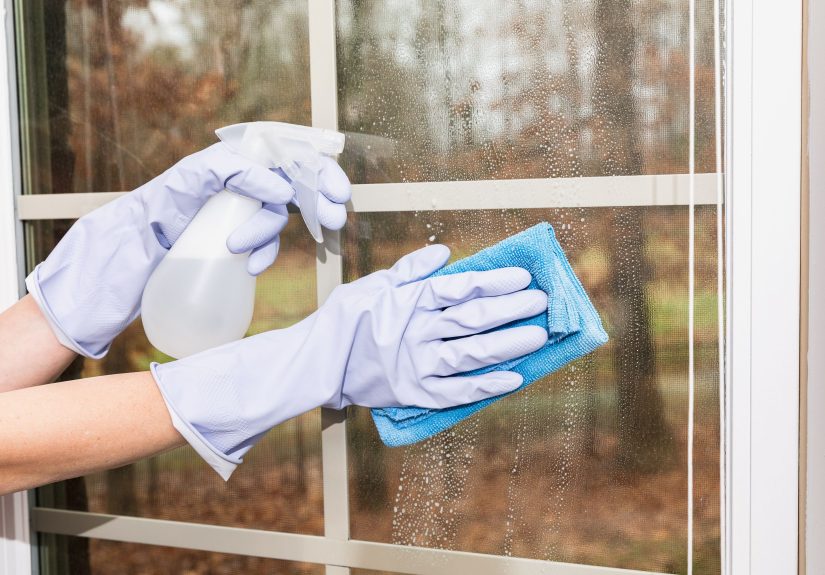
3. Spray lightly
More cleaner is not better. Lightly mist the glass or spray the cloth first if you are working on mirrors or indoor panes near wood trim. Overspraying leads to drips, and drips lead to extra work.
4. Wipe in an S-pattern or top-to-bottom motion
Start near the top and move across and downward in a consistent pattern. Random circles may feel energetic, but they often move grime around instead of removing it.
5. Buff with a dry cloth
Finish with a clean, dry microfiber cloth to catch any remaining moisture and polish the glass. This extra step is small, but it often makes the difference between “pretty clean” and “suspiciously invisible.”
Common Mistakes That Ruin Homemade Window Cleaner Results
Using too much soap
This is probably the biggest DIY mistake. Dish soap helps cut grease, but too much leaves a film. Keep it minimal.
Using tap water in hard-water areas
If your faucet leaves spots on dishes, it may do the same on glass. Distilled water is usually worth the small extra cost.
Cleaning filthy windows in one pass
Very dirty windows may need a first pass to loosen grime and a second pass to finish cleanly. One swipe will not always defeat six months of weather, pollen, and bird opinions.
Using linty towels
Some paper towels and old rags leave lint behind. Then you are not cleaning windows anymore; you are decorating them with fuzz.
Ignoring screens, tracks, and frames
Clean glass can still look dingy if the surrounding areas are dusty. A quick cleanup around the window makes the final result look much better.
Where Homemade Window Cleaner Works Best
This DIY solution is useful on more than just standard windows. In many homes, it works well on:
- Interior windows
- Exterior windows
- Mirrors
- Glass shower doors for light maintenance
- Glass patio doors
- Glass tabletops
- Some chrome and shiny fixtures, when used carefully
Always test in a small area first if the glass is coated, tinted, antique, or surrounded by sensitive materials.
Where You Should Use Extra Caution
Natural stone nearby
Vinegar is acidic, so be careful around marble, granite, or other stone surfaces. Overspray can cause problems over time. Spray the cloth instead of the surface when needed.
Electronics and specialty screens
Do not assume your homemade window cleaner belongs on TV screens, laptop displays, or coated device screens. Those surfaces often need gentler, manufacturer-approved care.
Heavily soiled shower glass
For light soap film, homemade cleaner may help. But thick mineral buildup often needs a more targeted method and more dwell time.
Safety Tips You Should Not Skip
Homemade does not automatically mean harmless. A DIY cleaner can still be irritating or dangerous if handled carelessly.
- Never mix your cleaner with bleach. Bleach should not be combined with vinegar, acids, ammonia, or other cleaners.
- Use rubbing alcohol carefully. It is flammable, so store the bottle away from heat, sparks, and open flames.
- Label the bottle. Nobody wants a mystery spray under the sink.
- Keep it away from children and pets. Even common household ingredients should be stored safely.
- Ventilate the room. Open a window or use airflow when cleaning indoors, especially if you are sensitive to odors.
How to Customize the Recipe for Your Home
If you hate the smell of vinegar
Add a drop or two of citrus essential oil, or use the alcohol-based version with just a little vinegar. Do not go wild with fragrance. Your window cleaner should not smell like a candle store lost a fight.
If your windows get greasy
Use the standard recipe with the dish soap included. Kitchen windows and patio doors touched by hands usually need that extra grease-cutting help.
If you get streaks no matter what
Try distilled water, use less soap, clean in the shade, and switch to a fresh microfiber cloth. Often, the issue is not the recipe. It is the method.
Homemade Window Cleaner vs. Store-Bought Cleaner
Store-bought glass cleaners are convenient, and many work well. But a homemade version has a few clear advantages. It is affordable, easy to mix, and lets you control the ingredients. You can also tweak it to suit your home, whether that means more degreasing power, less scent, or a simpler formula.
That said, homemade window cleaner is not a miracle potion. It still requires the right cloth, the right timing, and a little patience. The cleaner helps, but technique closes the deal.
The Bottom Line
If you want the best homemade window cleaner, keep it simple: distilled water, white vinegar, rubbing alcohol, and just a tiny bit of dish soap. Pair that recipe with microfiber cloths, avoid direct sunlight, and use a light hand when spraying. Those small details matter more than fancy ingredients.
The result is cleaner glass, fewer streaks, and a cleaning routine that feels much less like punishment. Best of all, you will know exactly what is in the bottle. No mystery chemicals. No dramatic perfume cloud. Just a practical DIY cleaner that makes your windows look the way windows were always meant to look: almost invisible.
Real-World Experiences With Homemade Window Cleaner
One of the most interesting things about homemade window cleaner is how often people discover that the biggest improvement does not come from a “secret” ingredient. It comes from finally using the right amount of solution and the right cloth. A lot of first-time DIY cleaners expect the recipe itself to perform miracles. Then they spray half the bottle onto one window, wipe it with a tired old paper towel, and wonder why the glass now looks like a foggy abstract painting. Once they switch to a light mist and microfiber, the difference is immediate.
Kitchen windows are often where homemade cleaner earns its reputation. These windows collect a special blend of grease, dust, and random splatters that can make plain water feel laughably optimistic. In that setting, the addition of just a couple drops of dish soap makes the cleaner noticeably more effective. The glass wipes down faster, and the finished surface looks clearer instead of smeary. Many people also find that a second dry cloth for buffing is what finally gets them from “good enough” to “wow, I should have done this sooner.”
Another common experience happens with bathroom mirrors. People often assume they need a stronger product, but what they really need is speed. A vinegar-and-water mix can work, but adding rubbing alcohol usually improves the final result because it evaporates faster. That matters in humid spaces where moisture loves to linger and leave haze behind. A quick spray, a firm wipe, and a final buff often make the mirror look dramatically better without much effort.
Exterior windows are a different adventure. Homemade cleaner still works well, but outside glass usually needs a little more prep. Dusty screens, dirty frames, and gritty sills can all sabotage the result. People who take a few extra minutes to brush away debris first almost always get a more satisfying finish. The same goes for choosing a cloudy day. Cleaning in direct sunlight may seem efficient, but the cleaner dries too fast and creates exactly the kind of streaks everyone was trying to avoid in the first place.
There is also a learning curve with vinegar. Some people love it immediately because it is cheap and effective. Others spend the first few minutes wondering why the room smells like a salad took a wrong turn. That is normal. The scent fades, and many people decide the trade-off is worth it once they see the glass. For those who cannot stand the smell, a tiny amount of citrus essential oil can make the experience more pleasant without turning the cleaner into a perfume experiment.
In many homes, the most satisfying moment comes after the cleaner has dried and the sunlight hits the glass later in the day. That is when homemade window cleaner either earns applause or exposes your shortcuts. When the method is right, the windows look brighter, the room feels cleaner, and the whole house seems a little sharper. It is one of those small chores that delivers an oddly big payoff. You start out trying to clean a pane of glass and end up feeling like the entire room got an upgrade.