Table of Contents >> Show >> Hide
- Why Super Glue Sticks to Skin So Fast
- How to Get Super Glue Off the Skin: 5 Steps
- What Not to Do When Super Glue Gets on Skin
- When to Get Medical Help
- How to Remove Super Glue from Different Skin Areas
- Why Acetone Worksand Why You Should Respect It
- How Long Does Super Glue Stay on Skin?
- How to Prevent Super Glue from Getting on Skin Again
- Common Questions About Getting Super Glue Off Skin
- Real-Life Experience: What It Feels Like to Remove Super Glue from Skin
- Conclusion
Stuck to your own fingers? Congratulationsyou have accidentally become both the craft project and the crafter. The good news is that super glue on skin is usually not a disaster. With patience, warm soapy water, a little oil, and careful use of acetone when appropriate, you can often remove it safely at home without turning your skin into a tug-of-war rope.
This guide explains how to get super glue off the skin in five practical steps, what not to do, when to seek medical help, and how to avoid another sticky situation next time. Because yes, super glue is tiny, powerful, and apparently very interested in your fingerprints.
Why Super Glue Sticks to Skin So Fast
Most household super glues are made with cyanoacrylate, a fast-bonding adhesive that hardens quickly when it touches moisture. Your skin naturally contains moisture, so the glue can set almost instantly. That is why one innocent drop can suddenly make two fingers behave like lifelong business partners.
In most cases, a small amount of super glue on intact skin is not dangerous. The problem usually comes from panic: pulling, scraping too hard, using harsh chemicals, or trying to “win” against the glue with brute force. Spoiler: the glue often wins, and your skin pays the bill.
The safest approach is slow, gentle, and boring. Boring is beautiful when skin is involved.
How to Get Super Glue Off the Skin: 5 Steps
Step 1: Do Not Pull the Skin Apart
If your fingers are stuck together, or if skin is stuck to an object, do not yank. Pulling can tear the top layer of skin and turn a minor glue mishap into a painful wound. Instead, pause and look at the situation.
Ask yourself:
- Is the glue on a small area of intact skin?
- Are fingers lightly stuck, or is the skin tightly bonded?
- Is the glue near the eyes, mouth, nose, or an open cut?
- Is there burning, severe pain, swelling, or broken skin?
If the glue is near the eyes, lips, inside the mouth, on a large area, or over broken skin, skip the home heroics and contact a medical professional or poison control service. For ordinary glue-on-finger accidents, continue gently.
Step 2: Soak the Skin in Warm, Soapy Water
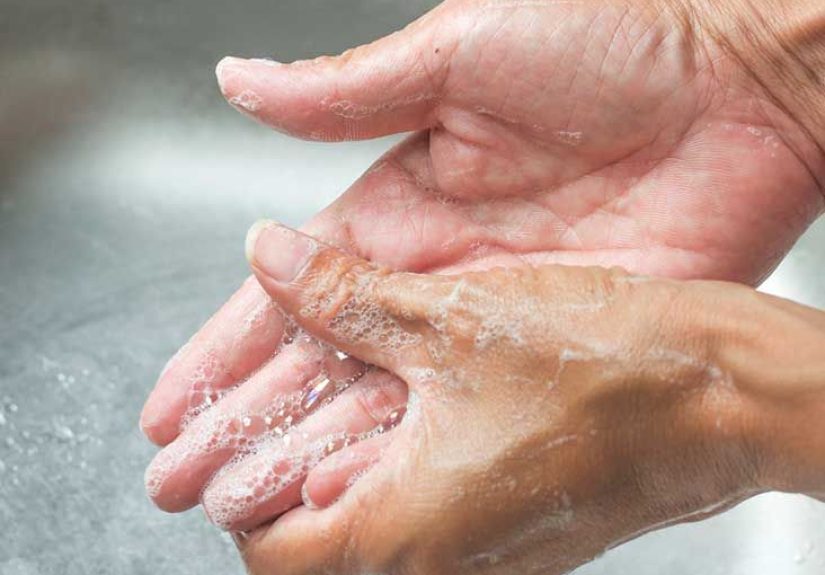
Warm, soapy water is the first and safest method for removing super glue from skin. Fill a bowl with warm waternot hot enough to irritate or burnand add mild hand soap or dish soap. Soak the affected skin for 10 to 15 minutes.
The goal is to soften both the glue and the skin. After soaking, gently wiggle the bonded area. If your fingers are stuck together, slowly roll them apart rather than pulling straight. Think “peeling a sticker off glass,” not “opening a bag of chips during a dramatic movie scene.”
If the glue begins to loosen, continue soaking and gently rubbing. You may need several rounds. Super glue did not become famous by giving up after one bath.
Step 3: Use Oil or Petroleum Jelly to Loosen the Bond
If soap and water help but do not fully remove the glue, try a skin-friendly lubricant. Olive oil, coconut oil, mineral oil, vegetable oil, or petroleum jelly can help soften the bond and make the glue easier to roll away.
Apply a small amount to the glued area and massage gently for several minutes. Do not scrape aggressively. If the glue is on the fingertips, rub the area with your other hand or a soft cloth. The oil may not dissolve super glue instantly, but it can reduce friction and help the glue release from the outer layer of skin.
This method is especially useful for people with sensitive skin or anyone who wants to avoid acetone. It is slower, but slower is better than irritated, cracked skin.
Step 4: Try Acetone Only on Small Areas of Intact Skin
Acetone, commonly found in many nail polish removers, can help break down cyanoacrylate glue. However, it can also dry and irritate the skin, so use it carefully.
Use acetone only if:
- The glue is on a small area of intact skin.
- The glue is not near your eyes, mouth, nose, or open wounds.
- Your skin is not already cracked, bleeding, burned, or badly irritated.
To use acetone safely, apply a small amount to a cotton ball or cotton swab and dab it onto the glue. Let it sit briefly, then gently rub. Wash the skin with soap and water afterward. Follow with moisturizer because acetone can make skin feel as dry as a forgotten cracker.
Do not soak large areas of skin in acetone. Do not use acetone near sensitive areas. Do not mix acetone with other chemicals. And absolutely do not use industrial solvents, gasoline, paint thinner, bleach, or mystery liquids from the garage. Your skin is not a car part.
Step 5: Wash, Moisturize, and Let the Rest Wear Off
Once most of the glue is gone, wash the area with mild soap and warm water. Pat dry and apply moisturizer. If a thin film remains, it will usually wear off naturally as your skin sheds its outer cells over the next few days.
Do not chase every tiny speck with aggressive scraping. A little leftover glue is often less harmful than overworking the skin. If the area becomes red, painful, swollen, blistered, or shows signs of infection, seek medical advice.
What Not to Do When Super Glue Gets on Skin
Removing super glue is partly about knowing what to doand partly about avoiding the dramatic ideas your brain suggests during panic mode.
Do Not Rip or Peel Hard
Pulling hard can remove skin along with the glue. If the glue resists, return to soaking, oil, or careful acetone use.
Do Not Use Sharp Tools
Knives, razors, scissors, and metal scrapers should not be used on glued skin. They can cut you faster than they can help you.
Do Not Use Harsh Household Chemicals
Bleach, drain cleaner, paint thinner, gasoline, and strong cleaning products can burn or irritate skin. They are not safe solutions for removing super glue from skin.
Do Not Use Acetone Near Eyes or Mouth
If super glue gets near the eyes, eyelids, lips, or inside the mouth, get professional guidance. Do not apply acetone or alcohol to these areas.
Do Not Panic If It Does Not Come Off Immediately
Super glue on skin can take time to remove. If it is not causing pain and the skin is not injured, patience is often the safest tool in the toolbox.
When to Get Medical Help
Most small super glue skin accidents can be handled at home, but some situations need professional care. Contact a doctor, urgent care clinic, or poison control service if:
- Super glue is in or near the eyes.
- The lips, mouth, or nose are glued.
- A large area of skin is covered.
- The glue is on broken, burned, or irritated skin.
- Skin is stuck tightly to an object and will not loosen.
- There is severe pain, blistering, swelling, or a burn-like reaction.
- A child has glue in a sensitive area or may have swallowed glue.
Super glue can also create heat when it reacts with certain fabrics, especially cotton or wool. If glue soaks into clothing and touches the skin, remove the fabric carefully if possible and seek help if there is burning or pain.
How to Remove Super Glue from Different Skin Areas
Fingers
Fingers are the most common victims. Soak them in warm, soapy water, gently roll them apart, then use oil or a small amount of acetone if needed. Avoid pulling straight apart.
Hands
For glue on the palm or back of the hand, start with soaking and soap. If the glue is thick, soften it gradually. A soft washcloth can help, but skip rough scrubbing.
Face
For glue on the face, avoid acetone unless a healthcare professional says it is safe. Use warm water and gentle soap. If the glue is close to the eyes, lips, or nostrils, get medical advice.
Nails
If super glue is on fingernails, acetone may help, but it can dry the skin around the nail. Wash and moisturize afterward. If artificial nails are involved, be careful because acetone may affect them.
Hair
Do not yank glued hair. Try oil first and gently work it through. If a large clump of hair is glued, professional help may be better than turning your haircut into an emergency art project.
Why Acetone Worksand Why You Should Respect It
Acetone is effective because it can weaken the chemical bond in dried super glue. That is why many people reach for nail polish remover when warm water is not enough.
But acetone is also drying. It removes oils from the skin and can cause irritation, cracking, or stinging, especially if used too much. People with sensitive skin, eczema-prone skin, or small cuts should be extra cautious.
The safest formula is simple: use the smallest amount needed, keep it away from sensitive areas, rinse afterward, and moisturize like your hands just returned from a desert vacation.
How Long Does Super Glue Stay on Skin?
If you do nothing, small amounts of super glue usually wear off on their own as the outer layer of skin naturally sheds. This may take a few days. During that time, avoid picking at it. Picking can irritate the skin and make the area sore.
If the glue is not painful, not near sensitive areas, and not restricting movement, leaving a thin residue alone can be perfectly reasonable. Sometimes the best removal method is time, which is annoying but free.
How to Prevent Super Glue from Getting on Skin Again
Future you deserves better. Before using super glue, set up your workspace like someone who has learned from the tiny tube of chaos.
- Wear disposable gloves when possible.
- Use a toothpick or small applicator for precision.
- Open the glue away from your face.
- Keep paper towels nearby, but avoid letting wet glue soak into cotton fabric.
- Use only a tiny amount of glue; more glue does not always mean a stronger repair.
- Cap the tube immediately after use.
- Keep super glue away from children and pets.
Super glue works best in small amounts. If you squeeze the tube like it owes you money, you are more likely to glue the project, the table, your fingers, and possibly your afternoon.
Common Questions About Getting Super Glue Off Skin
Can I use salt to remove super glue from skin?
Some people use salt as a mild abrasive, but it can irritate skin, especially if there are tiny cracks or cuts. Warm soapy water, oil, and careful acetone use are usually safer choices.
Can rubbing alcohol remove super glue?
Rubbing alcohol may help soften some adhesive residue, but acetone is generally more effective for cyanoacrylate glue. Like acetone, alcohol can dry and irritate skin, so use caution.
Is super glue poisonous on skin?
Small amounts on intact skin are usually low risk, but super glue can irritate skin, bond tissue, and cause problems near eyes, mouth, or open wounds. Large amounts or painful reactions should be handled with professional advice.
Can I use lotion instead of oil?
Lotion may help soften the skin and reduce friction, but oils or petroleum jelly are usually better for loosening the glue bond. Lotion is excellent afterward to restore moisture.
What if my fingers are still stuck after soaking?
Keep soaking and gently rolling the fingers apart. Try oil or careful acetone use if the skin is intact and the glue is not near a sensitive area. If the bond will not loosen or hurts, get medical help.
Real-Life Experience: What It Feels Like to Remove Super Glue from Skin
Anyone who has used super glue more than twice probably has a story. Mine begins the way many household repair adventures begin: with confidence far larger than the project required. A tiny plastic piece had snapped, the repair looked simple, and the super glue tube seemed innocent. That was my first mistake. Super glue tubes are never innocent. They are tiny dragons with precision nozzles.
I squeezed gently. Nothing happened. I squeezed a little harder. Still nothing. Then, in one dramatic moment, the glue decided to exit the tube all at once and land on my thumb and index finger. Before I could say “well, that’s inconvenient,” my fingers were lightly stuck together. Not movie-level stuck, but definitely “I have made a poor choice” stuck.
The first instinct was to pull. That is the instinct you must politely ignore. Pulling feels like action, but it is usually the wrong kind of action. Instead, I walked to the sink, turned on warm water, added soap, and soaked my fingers. At first, nothing magical happened. No dramatic release. No cinematic music. Just me standing at the sink, looking like I had lost an argument with office supplies.
After about ten minutes, the glue began to feel less rigid. I gently rolled my fingers apart instead of yanking. That rolling motion made a big difference. The bond loosened little by little, and the skin stayed intact. A small patch of glue remained on one fingertip, so I added a little cooking oil and massaged it in. It did not vanish instantly, but it softened enough that the edge lifted slightly.
I used a cotton swab with a small amount of acetone on the remaining glue, keeping it only on the hardened spot. The glue turned cloudy and weaker, and after another gentle rub, most of it came off. Then I washed my hands thoroughly and applied moisturizer. The skin felt a bit dry afterward, which is normal with acetone, but there was no tearing or pain.
The biggest lesson was patience. Super glue removal is not about winning quickly; it is about not making the situation worse. Warm soapy water is boring, but it works. Oil is slow, but kind. Acetone is powerful, but it needs rules. And pulling is the villain wearing a fake mustache.
Since then, I keep a simple “glue kit” nearby when fixing things: disposable gloves, a small applicator, paper towels for the table, soap, petroleum jelly, and nail polish remover with acetone. I also use much less glue than I think I need. A tiny drop usually does the job. A giant blob mostly creates a shiny monument to regret.
Another practical tip: do not rush repairs when you are tired, distracted, or balancing the object in one hand like a circus performer. Lay everything flat, protect the surface, and apply the glue with control. Super glue is useful, but it has the personality of a prankster. Give it an opening, and it will bond to the nearest available human.
If you ever get super glue on your skin, remember this calm little routine: stop, soak, soften, loosen, moisturize. Most minor glue accidents resolve without drama. And if you end up standing at the sink for fifteen minutes questioning your life choices, welcome to the club. We meet unofficially in the hardware aisle.
Conclusion
Learning how to get super glue off the skin is mostly about staying calm and treating your skin gently. Start with warm, soapy water, add oil or petroleum jelly if needed, and use acetone only on small areas of intact skin. Avoid pulling, cutting, scraping, or using harsh chemicals. If glue gets near sensitive areas or causes pain, burns, swelling, or broken skin, get professional help.
Super glue may be strong, but patience is stronger. Also, patience does not come in a tiny tube that glues itself shut.
Note: This article is for general informational purposes and is not a substitute for medical advice. For glue in the eyes, mouth, nose, open wounds, or large skin areas, contact a healthcare professional or poison control service.