Table of Contents >> Show >> Hide
- Before You Start: Know What You’re Repairing
- Step 1: Identify Whether the Aquarium Is Glass or Acrylic
- Step 2: Inspect the Scratch Like a Detective, Not a Daredevil
- Step 3: Decide Whether the Tank Must Be Emptied or the Fish Moved
- Step 4: Gather the Right Scratch-Repair Supplies
- Step 5: Clean the Surface Thoroughly Before Repair
- Step 6: Mask the Area and Work Slightly Beyond the Scratch
- Step 7: Repair Acrylic Scratches with Progressive Wet Sanding or a Polish System
- Step 8: Repair Glass Scratches Carefully with Cerium Oxide
- Step 9: Polish, Rinse, and Inspect Under Bright Light
- Step 10: Reassemble the Aquarium and Prevent Future Scratches
- Common Mistakes to Avoid When Fixing Aquarium Scratches
- Real-World Experiences Aquarium Owners Commonly Have During Scratch Repair
- Conclusion
- SEO Tags
Few things ruin the clean, calming look of a fish tank faster than a scratch right across the front panel. One minute your aquarium is a soothing underwater window; the next, it looks like a cat tried to parallel park on it. The good news is that many aquarium scratches can be improved. The less-good news is that the right fix depends almost entirely on one question: is your aquarium glass or acrylic?
That distinction matters because acrylic tanks scratch more easily, but they are also usually easier to polish and restore. Glass tanks resist scratches better, but once scratched, they can be much harder to fix completely. In other words, acrylic is the dramatic friend who gets hurt easily but recovers fast. Glass is tougher, but when it does get marked up, it holds a grudge.
This guide walks through exactly how to fix scratches on an aquarium in 10 practical steps, with clear advice for both acrylic aquarium scratches and glass aquarium scratch repair. It also covers what tools to use, what mistakes to avoid, and when to stop the DIY heroics and call a pro.
Before You Start: Know What You’re Repairing
This guide is for cosmetic scratches, not structural damage. If your tank has a crack, chipped edge, compromised seam, or any damage near a pressure-bearing corner, stop here. That is not a polishing problem. That is a replacement or professional repair problem.
For light scratches, haze, and scuffs, though, you may be able to restore clarity. The key is using the correct method, being patient, and not attacking the panel like you are sanding a deck in July.
Step 1: Identify Whether the Aquarium Is Glass or Acrylic
The first step in aquarium scratch repair is identifying the material. If you bought the tank secondhand and are not sure, look for clues. Acrylic is lighter, warmer to the touch, and often has rounded or molded corners. Glass is heavier, colder, and more rigid. Tapping lightly on the surface also feels different: acrylic sounds duller, while glass sounds sharper.
This step matters because acrylic scratch repair usually involves polishing compounds or progressive wet sanding, while glass aquarium scratch repair is generally limited to very light polishing with glass-safe compounds such as cerium oxide. Use the wrong approach and you can make the panel look worse, not better.
Step 2: Inspect the Scratch Like a Detective, Not a Daredevil
Now examine the scratch carefully in bright light. Run a clean fingernail very gently across it. If your nail does not catch, the scratch is usually shallow and has a much better chance of improvement. If your nail catches clearly, the scratch is deeper and the repair gets trickier.
Also note the location. A small scratch on the outside of the side panel is one thing. A deep scratch on the inside front viewing pane is another. Scratches in high-visibility areas are harder to hide, and deep ones can leave distortion even after polishing.
Take a marker or painter’s tape and mark the scratch location on the outside of the panel. This sounds simple, but once you begin polishing, shallow scratches can become hard to see while the surface is wet.
Step 3: Decide Whether the Tank Must Be Emptied or the Fish Moved
If the scratch is on the outside of a glass tank and you are only doing light polishing, you may not need to empty the aquarium. But if you are repairing the inside panel, doing any wet sanding on acrylic, or using polishing compounds that can create residue, it is smarter to move your fish and work with the tank emptied or at least the affected panel exposed and controlled.
Why be so cautious? Because normal tank cleaning is one thing; creating abrasive slurry or polish residue near livestock is another. A temporary holding container with aeration is the safer play for interior repairs. It is less convenient, yes, but so is explaining to your fish why the living room suddenly tastes like polishing compound.
Step 4: Gather the Right Scratch-Repair Supplies
The best tools depend on the material, but here is the basic lineup.
For acrylic aquariums
- Microfiber or lint-free cloths
- Acrylic-safe scratch remover or polish system
- Progressive wet/dry sandpaper or Micro-Mesh pads
- A sanding block or foam block
- Clean water in a spray bottle or bowl
- Optional low-speed buffer with a clean cotton bonnet
For glass aquariums
- Microfiber cloths
- Cerium oxide or another glass-polishing compound
- Felt polishing pad or soft buffing wheel
- Optional drill or rotary tool on low speed
- Protective gloves, mask, and eye protection
Do not use random rough pads, dirty shop rags, or paper towels on acrylic. That is how many tanks get scratched in the first place.
Step 5: Clean the Surface Thoroughly Before Repair
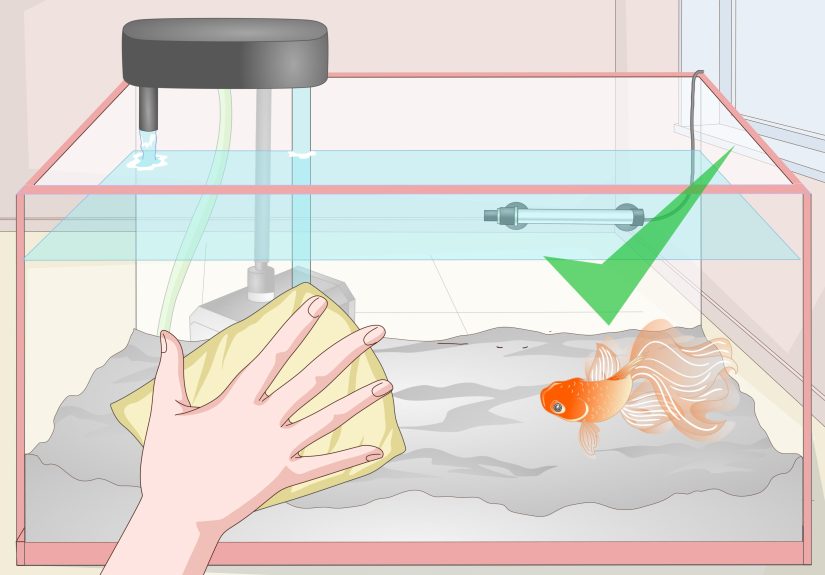
This step is boring, but it is absolutely critical. Dust, grit, and trapped sand can turn one scratch into a whole constellation of new ones. Clean the panel gently with water and a soft, lint-free cloth. On acrylic, avoid ammonia, alcohol, solvents, and abrasive cleaners. On either material, make sure every bit of debris is gone before you start polishing.
A classic example is the algae magnet disaster. One tiny grain of substrate gets trapped in the pad, and suddenly your magnetic cleaner turns into a tiny zamboni of regret. Clean first. Then clean again.
Step 6: Mask the Area and Work Slightly Beyond the Scratch
For acrylic tanks especially, do not polish only the exact width of the scratch. Work an area slightly larger than the damaged spot so you can blend the repair and reduce the risk of low spots, waviness, or visible distortion.
If you are sanding acrylic, wrap the abrasive around a sanding block rather than using your fingers directly. Finger pressure creates uneven valleys and makes the final panel look warped under aquarium lighting. Mask the surrounding trim, corners, or silicone-adjacent areas if needed so you do not wander into places that should not be polished.
Step 7: Repair Acrylic Scratches with Progressive Wet Sanding or a Polish System
If the aquarium is acrylic, this is where the real fix happens.
For very light acrylic scratches
Start with an acrylic polish system designed for fine scratches. Many use a staged approach: a heavier scratch remover first if needed, then a finer polish, then a finishing cleaner/polish for clarity. Use a clean, soft cloth, work at right angles to the scratch, and keep the cloth saturated with the product as directed.
For deeper acrylic scratches
You will usually need progressive wet sanding. Begin with the least aggressive grit that will actually affect the scratch. That may be around 800 or finer for moderate damage, followed by successively finer grits up to 2000 or 2500 and then final polishing. Keep the surface wet, use light to moderate even pressure, and change direction with each grit so you can see when the previous sanding pattern is gone.
The goal is not to grind the scratch into oblivion in one dramatic pass. The goal is to gradually level the surface, refine the scratch pattern, and then polish the acrylic back to clarity. This is a patience game. If you rush it, you trade one scratch for a hazy patch that will annoy you every day.
Step 8: Repair Glass Scratches Carefully with Cerium Oxide
If the aquarium is glass, proceed with more caution. Glass is more scratch-resistant, but it is also far less forgiving once damaged. For shallow scratches only, cerium oxide is the standard compound people usually try.
Apply the compound by hand with a soft cloth for tiny surface marks, or use a felt pad on a drill or rotary tool set to a low speed. Keep the area slightly damp so the compound does not dry out and create more friction. Work slowly, check the panel often, and do not stay in one place too long.
If the scratch clearly catches your fingernail, do not expect miracles. Deep glass scratches often remain visible, and aggressive DIY work can worsen optical distortion or simply waste your entire Saturday. For aquarium viewing panels, “less terrible” may be a realistic outcome. “Invisible” is not always on the menu.
Step 9: Polish, Rinse, and Inspect Under Bright Light
Once the scratch has improved, finish the panel properly. Acrylic should be polished with the final-stage product in your restoration system until the haze clears and the surface regains shine. Glass should be wiped clean of compound residue and inspected from multiple angles.
Do not judge the repair while the panel is still wet with slurry. Rinse thoroughly, dry with a clean microfiber cloth, and inspect under bright light and at eye level. Some scratches disappear almost completely. Others become dramatically less visible but still faintly present. That is normal.
If the panel looks cloudy, you likely need one more refining step rather than more brute force. Think “finer finish,” not “harder attack.”
Step 10: Reassemble the Aquarium and Prevent Future Scratches
When you are satisfied with the repair, rinse the area thoroughly before refilling or returning livestock. Reestablish filtration, heat, and aeration, then monitor the tank the same way you would after major maintenance. A modest water change and basic parameter check are smart finishing steps.
Then, prevent a repeat performance:
- Use acrylic-safe cleaning tools on acrylic tanks
- Rinse algae pads and magnets before every use
- Keep substrate away from magnets and scrapers
- Use microfiber or lint-free cloths, not paper towels
- Do not use household glass cleaners inside or on acrylic panels
- Clean slowly near the sand line, where scratches are often born
Common Mistakes to Avoid When Fixing Aquarium Scratches
Using household shortcuts as your main method
Yes, you can find internet tips involving toothpaste, baking soda, or mystery miracle pastes. For aquariums, especially acrylic aquariums, that is not the best strategy. A proper acrylic polish system or glass polishing compound is the safer, more predictable route.
Starting too coarse
Overly aggressive sanding removes more material than necessary and increases the chance of distortion. Start as fine as you can while still making progress.
Working dry
Heat and friction are the villains here. Wet sanding on acrylic and damp polishing on glass help reduce overheating and additional scratching.
Ignoring fish safety
If your repair creates residue, dust, or slurry, do not perform it casually with livestock inches away. Temporary relocation is extra work, but it is the kind of extra work you later call “a good decision.”
Real-World Experiences Aquarium Owners Commonly Have During Scratch Repair
One of the most common experiences people have when learning how to fix scratches on an aquarium is realizing that the scratch itself is not always the hardest part. The hardest part is figuring out whether the scratch is actually worth repairing. A tiny mark can look enormous when the tank lights first come on in the morning, then almost disappear when the room lighting changes. Many aquarium owners spend a full day obsessing over a scratch that guests never notice. That does not mean you should ignore it, but it does mean perspective helps.
Another familiar experience is discovering that acrylic tanks are both wonderfully fixable and unbelievably dramatic. Owners often notice that acrylic scratches happen from very ordinary things: an algae magnet that picked up one grain of sand, a wedding ring brushing the front panel, or a cleaning cloth that seemed soft but was hiding dust. The upside is that acrylic can often be improved significantly. The downside is that the process takes patience, especially when moving through finer grits or multiple polishing stages. A lot of hobbyists start the repair thinking it will take 20 minutes and end it realizing they have entered a relationship with microfiber cloths.
Glass tank owners usually report a different emotional arc. At first, they are relieved because glass is tougher. Then they find the scratch, try to polish it, and realize why glass repair gets a reputation for being stubborn. Light surface marks may improve. Deep scratches often become less obvious rather than fully gone. That can still be a win. When the tank is filled, plants are back in place, and fish are moving through the water column, a scratch that once looked terrible may fade into the background enough that it stops bothering you.
Many people also learn that preparation matters more than force. Cleaning the surface thoroughly, marking the scratch location, using the right pad, and checking progress under good light often make a bigger difference than pressing harder ever will. In fact, pressing harder is usually the move that creates haze, unevenness, or the dreaded “now I have a bigger problem” moment.
There is also a practical experience almost every careful aquarist shares: the repair is only half the story, and prevention becomes the new obsession. After fixing even one scratch, people get a lot more disciplined. They rinse magnets before every pass. They keep sand away from the front pane. They switch to lint-free cloths. They stop treating tank cleaning like speed chess. In that sense, fixing scratches on an aquarium often improves your long-term maintenance habits as much as it improves the panel itself.
And finally, there is the strangely satisfying moment when the tank is refilled, the lights come on, and the panel that once looked cloudy or slashed-up suddenly looks clear again. Maybe the scratch is not 100% gone. Maybe it is 85% better. But the aquarium feels restored, and that matters. Aquariums are built to be looked at, enjoyed, and lived with. A careful scratch repair can bring that feeling back without replacing the whole tank, which is why so many fish keepers decide the effort is worth it.
Conclusion
If you want to fix scratches on an aquarium successfully, start by identifying whether the tank is acrylic or glass, then match the repair method to the material. Acrylic aquarium scratches usually respond best to a staged polish or progressive wet sanding. Glass aquarium scratches are tougher and should be approached conservatively, with cerium oxide reserved for light surface damage. In both cases, the secret is not force. It is clean tools, the right compound, controlled pressure, and a heroic amount of patience.
So yes, you can often save a scratched aquarium panel. Just do it slowly, do it cleanly, and do not let one trapped grain of sand become the main character again.