Table of Contents >> Show >> Hide
- Why Giving Oral Medication to Rabbits Requires Extra Care
- Before You Start: Confirm the Medication Plan
- Gather Supplies Before Catching Your Rabbit
- Measure the Dose Correctly
- Choose the Safest Position
- Step-by-Step: How to Deliver Oral Medication to Rabbits
- How to Give Pills to Rabbits
- Common Mistakes to Avoid
- What to Watch After Giving Oral Medication
- Tips for Reducing Stress During Rabbit Medication
- When You Need a Helper
- Experience-Based Advice: What Medication Time Really Looks Like
- Conclusion
Note: This guide is for educational rabbit-care content only. Always follow the exact medication, dose, schedule, and route prescribed by a rabbit-savvy veterinarian. Rabbits are delicate patients with dramatic opinions, powerful back legs, and digestive systems that do not appreciate improvisation.
Why Giving Oral Medication to Rabbits Requires Extra Care
Learning how to deliver oral medication to rabbits is one of those pet-parent skills that sounds simple until your sweet little hay-powered angel turns into a four-pound escape artist with a personal legal team. Rabbits are prey animals, which means they often hide signs of illness, dislike restraint, and may panic if they feel trapped. That makes medication time less like giving a dog a treat and more like negotiating with a tiny, furry diplomat.
The good news is that most oral rabbit medications can be given safely at home when you are calm, prepared, and careful. The bad news is that rabbits rarely read the instructions. Whether your veterinarian prescribed an antibiotic, pain medication, anti-inflammatory, gut motility drug, or nutritional support, your goal is the same: give the full dose without frightening your rabbit, causing choking, or turning your kitchen into a sticky banana-flavored pharmacy.
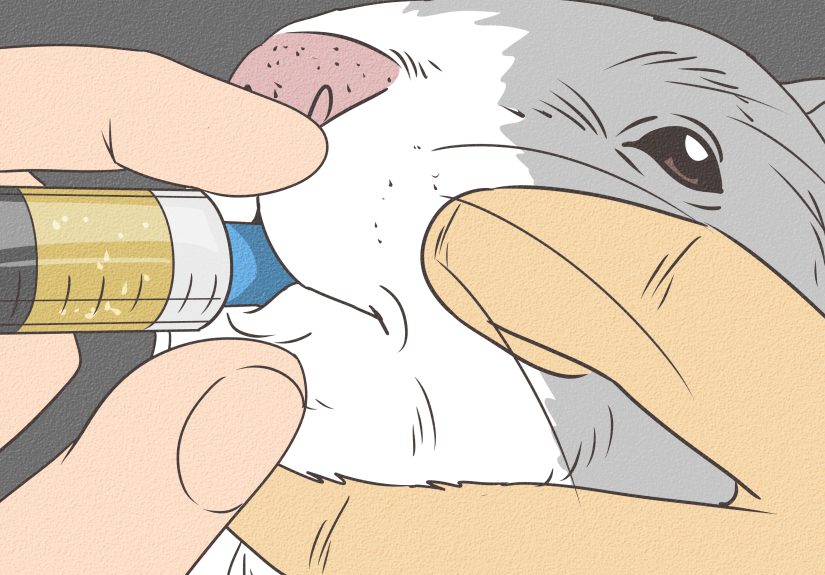
Oral medication for rabbits is commonly delivered with a small syringe, usually without a needle. The syringe tip is placed into the natural gap behind the front teeth, called the diastema, and the liquid is given slowly so the rabbit has time to swallow. The process is not about force. It is about control, patience, and making the experience as boring as possible. In rabbit care, boring is beautiful.
Before You Start: Confirm the Medication Plan
Before giving any oral medication to a rabbit, read the label and your veterinarian’s instructions carefully. Check the medication name, dose, frequency, storage instructions, and whether it should be given with food. If the prescription says 0.3 mL, that does not mean “somewhere around a splash.” Rabbits are small animals, so tiny measurement mistakes can matter.
Never Use Human or Dog-and-Cat Medicine Without a Vet
Rabbits process medications differently from dogs, cats, and humans. Some oral antibiotics that are commonly used in other pets can seriously disrupt a rabbit’s gut bacteria and may be dangerous or even fatal. Oral penicillin-type drugs, amoxicillin, clindamycin, lincomycin, erythromycin, and certain other antibiotics are well-known red flags in rabbit medicine unless a veterinarian with rabbit experience has specifically directed treatment in a safe form and route.
Also avoid giving over-the-counter pain relievers, leftover pet prescriptions, herbal remedies, essential oils, or “internet-recommended” medicines. Rabbits are not tiny dogs with better ears. They need rabbit-specific medical decisions.
Ask for a Demonstration
If this is your first time giving oral medicine to a rabbit, ask your veterinarian or veterinary technician to demonstrate the technique. A two-minute demonstration can save you two hours of frustration at home. It also helps you see exactly where the syringe goes, how firmly to hold your rabbit, and how slowly to depress the plunger.
Gather Supplies Before Catching Your Rabbit
Preparation makes medication time shorter and safer. Do not pick up your rabbit and then start hunting for the syringe, towel, glasses, flashlight, or emotional support snack. Rabbits notice disorganization. Some may use it against you.
Set up everything first:
- The prescribed medication
- A needle-free oral syringe, often 1 mL, 3 mL, or 5 mL depending on the dose
- A towel for traction or a gentle “bunny burrito” wrap
- A clean tissue or damp cloth for drips
- A favorite rabbit-safe reward, such as a small piece of herb, leafy green, or tiny bit of banana if allowed by your vet
- A quiet, non-slip surface such as the floor, a low table, or your lap
- Your written dosing schedule so no dose is skipped or repeated accidentally
Shake liquid medications only if the label says to shake. Some compounded medications separate and must be mixed well; others should not be handled casually. If the medication needs refrigeration, let the syringe sit briefly at room temperature if your vet says that is acceptable. Very cold medicine can make a rabbit reject it faster than a salad with no romaine.
Measure the Dose Correctly
Accurate dosing is one of the most important parts of giving rabbit medicine by mouth. Use the syringe size that lets you measure the dose clearly. For very small amounts, a 1 mL syringe is often easier to read than a large syringe. Pull the plunger back slightly past the dose mark, tap out air bubbles, then push the plunger to the exact line.
If the medication is thick, ask your veterinarian whether it can be diluted with a small amount of water or mixed with a tiny amount of rabbit-safe food. Do not dilute medication without approval, because some drugs need a specific concentration or may become unstable when mixed.
Can You Hide Rabbit Medicine in Food?
Sometimes, yes. If your rabbit eagerly eats a tiny portion of banana, canned pumpkin, unsweetened applesauce, mashed leafy greens, or critical-care food, your vet may allow you to mix the medication into that small amount. The key phrase is small amount. If you mix the dose into a full bowl and your rabbit eats only half, you have no idea how much medicine went in. That is not medication. That is a math problem with ears.
For bitter medicines, compounding pharmacies may be able to prepare a flavored liquid that is easier to give. Many rabbits prefer mild fruit flavors, though every rabbit has personal taste preferences. One rabbit’s “delicious banana suspension” is another rabbit’s “absolutely not, human.”
Choose the Safest Position
Rabbits have strong hind legs and relatively delicate spines. A frightened rabbit that kicks, twists, or launches from your arms can injure itself. For that reason, medication time should happen close to the ground whenever possible. Many owners do best sitting on the floor with the rabbit facing sideways or slightly away. Others prefer a sturdy table with a towel on top, but only if they can prevent the rabbit from jumping.
The Natural Standing Position
The safest position for oral medication is usually with the rabbit upright on all four feet, head level or slightly raised. Avoid tipping your rabbit backward like a baby. Liquid can accidentally enter the airway if the rabbit is reclined too far, and rabbits can choke or aspirate. Keep the head straight, not twisted sharply to one side.
The Bunny Burrito Method
A towel wrap can help if your rabbit is squirmy. Place a towel on a non-slip surface, set your rabbit in the middle, and gently wrap one side of the towel around the body, then the other side, keeping the front feet contained but not squeezing the chest. The goal is security, not mummification. Your rabbit should be able to breathe normally and sit upright.
A good bunny burrito keeps the paws from windmilling and gives you access to the mouth. A bad bunny burrito creates panic, resentment, and possibly a rabbit-shaped blur disappearing under the couch. If your rabbit fights hard, stop and let them calm down before trying again.
Step-by-Step: How to Deliver Oral Medication to Rabbits
Step 1: Stay Calm and Move Slowly
Rabbits are experts at reading body language. If you approach like you are defusing a bomb, your rabbit will assume something terrible is happening. Speak softly, move slowly, and keep the session short. Have the medication already drawn up before you bring your rabbit into position.
Step 2: Secure the Body, Not the Neck
Use one hand or forearm to gently support your rabbit’s body and prevent backing up. If using a towel, keep your forearm along the side of the wrapped rabbit. Do not squeeze the ribs. Do not pin the rabbit flat. Do not lift by the ears, scruff alone, or back legs. Support the chest and hindquarters whenever lifting is necessary.
Step 3: Find the Gap Behind the Front Teeth
Rabbits have long front incisors, then a natural toothless gap before the cheek teeth. This gap is the safest target for the syringe tip. Approach from the side of the mouth, not straight from the front. Slide the syringe gently into that gap, aiming across the tongue or slightly toward the cheek, not directly down the throat.
Step 4: Give the Medicine Slowly
Press the plunger slowly and steadily. For a small dose, give a little, pause, and let your rabbit chew or swallow. For larger volumes, break the dose into several small mouthfuls. Watch the mouth and throat. Many rabbits make chewing motions as they swallow. That is what you want to see.
Never blast the whole dose into the mouth at once. Fast delivery can make the rabbit spit out the medication, choke, cough, or inhale liquid. If medicine dribbles out, pause and reposition the syringe. Some loss is common, especially during the first few attempts, but repeated large losses mean you should call your veterinary clinic for help.
Step 5: Stop If Your Rabbit Coughs, Chokes, or Goes Limp
If your rabbit coughs, gags, struggles to breathe, becomes weak, or suddenly goes limp, stop immediately. Give them space to recover and contact your veterinarian. Oral medication should never look like a wrestling match or a race. Slow is safe.
Step 6: Reward and Release
After the dose is swallowed, offer a favorite rabbit-safe treat or fresh herb. A small reward helps rebuild trust and gives your rabbit something pleasant to associate with the routine. Then let your rabbit return to a familiar area. Do not chase them for cuddles afterward. They have attended the meeting. Let them file the complaint in peace.
How to Give Pills to Rabbits
Liquid medication is usually easier than tablets, but some prescriptions come as pills. Ask your veterinarian whether the pill can be crushed, dissolved, or compounded into a liquid. Some tablets should not be crushed, split, or mixed with food, so get approval first.
If crushing is allowed, mix the powder with a very small amount of water or rabbit-safe soft food. You can then offer it on a spoon, smear it lightly on a favorite leafy green, or draw it into a syringe and give it like liquid medication. Make sure your rabbit consumes the entire amount. If your rabbit eats around the medicine like a tiny food critic, switch to direct syringe dosing.
Common Mistakes to Avoid
Giving Medicine Too Fast
This is the most common mistake. Rabbits need time to swallow. Slow delivery reduces choking risk and helps more medicine stay inside the rabbit instead of decorating the towel.
Pointing the Syringe Down the Throat
The syringe should enter from the side through the tooth gap. Do not push it deep into the mouth or aim straight back. The goal is controlled swallowing, not surprise plumbing.
Using Too Much Treat Food
Sweet foods can be useful for hiding a dose, but too much fruit or sugary food can upset a rabbit’s digestive balance. Use the smallest amount that works, and ask your vet what is appropriate for your rabbit’s condition.
Skipping Doses When the Rabbit Seems Better
Do not stop medication early unless your veterinarian tells you to. This is especially important with antibiotics, pain control, and gut-related medications. Rabbits may act brighter before the underlying problem is fully resolved.
Repeating a Dose Without Advice
If your rabbit spits out some medicine, do not automatically give a full second dose. You may accidentally overdose. Call your veterinarian if you are unsure how much was swallowed.
What to Watch After Giving Oral Medication
After medication, monitor your rabbit’s appetite, droppings, energy level, and behavior. Rabbits should continue eating hay and producing fecal pellets. Reduced appetite, fewer droppings, diarrhea, severe lethargy, bloating, tooth grinding, or a hunched posture can signal a serious problem.
Call a rabbit-savvy veterinarian promptly if your rabbit refuses food, stops pooping, develops diarrhea, seems painful, or reacts badly after medication. A rabbit that is not eating or producing droppings for many hours should be treated as urgent because gastrointestinal stasis can become life-threatening quickly.
Tips for Reducing Stress During Rabbit Medication
Medication is easier when your rabbit trusts the routine. Try giving a few practice syringes with plain water or a vet-approved treat liquid when your rabbit is healthy, so the syringe does not always mean “the weird banana medicine has returned.” Keep sessions short, use the same quiet location, and reward cooperation immediately.
If your rabbit is bonded to another rabbit, allow the companion to stay nearby when safe. Some rabbits are calmer with their friend present. Others become more dramatic because now they have an audience. Observe and adjust.
For rabbits that fight every dose, ask your vet about alternative options. Some medicines can be compounded into a more palatable flavor, changed to a different concentration, or given by another route. Never assume you just need to “try harder.” Sometimes the smarter solution is a better formulation.
When You Need a Helper
A second person can make oral medication much easier. One person gently secures the rabbit in an upright position while the other handles the syringe. The holder should focus on supporting the rabbit’s body and hindquarters. The person giving medicine should focus on the mouth, syringe angle, and swallowing.
Before starting, agree on a stop signal. If the rabbit panics, both people should pause. Two calm humans are helpful. Two flustered humans are just a larger circus.
Experience-Based Advice: What Medication Time Really Looks Like
In real life, delivering oral medication to rabbits is rarely perfect on day one. The first dose may involve dribbles, side-eye, towel adjustments, and a rabbit who suddenly develops the strength of a caffeinated kangaroo. That does not mean you failed. It means you are working with a prey animal that has strong instincts and very clear opinions about personal space.
One practical lesson many rabbit owners learn quickly is that the setup matters more than bravery. If you chase your rabbit around the room, scoop them up while holding the medication bottle in your teeth, and then try to read the label with one hand, the session is already doomed. A calm, prepared station changes everything. Draw the dose first. Lay down the towel. Close doors to unsafe hiding places. Keep the reward ready. Then bring the rabbit over gently.
Another useful experience is to learn your rabbit’s preferred position. Some rabbits do best on the floor between your knees, facing sideways. Others tolerate a towel-lined table as long as a hand blocks the rear exit. Some are calmer when wrapped lightly; others hate the burrito and do better with just a non-slip towel under their feet. The “best” method is the safest method your rabbit will actually tolerate.
Owners also discover that confidence improves with repetition. The first time, you may feel as though the syringe is enormous and the rabbit’s mouth is impossible to find. By the fifth dose, you usually know where the tooth gap is, how slowly your rabbit swallows, and whether they plan to spit out the last 0.1 mL for artistic reasons. Keep notes if needed. Write down the time given, how much was swallowed, appetite afterward, and droppings. These details can help your vet adjust the plan if recovery is slow.
Food rewards can be powerful, but they should be strategic. A tiny sprig of cilantro, parsley, basil, mint, or a small vet-approved treat after the dose can help turn medication into a routine rather than a daily betrayal. Some rabbits will even come to expect the reward and forgive the syringe faster. Others will accept the treat while maintaining intense eye contact. That is still progress.
Bad-tasting medicine is its own challenge. Some rabbits foam, drool, or fling their head after bitter medication. Ask your veterinarian whether the medicine can be followed with a small amount of water, critical-care food, or a favorite flavor to clear the taste. Also ask whether a compounding pharmacy can make the medication more palatable. The easier the medicine is to swallow, the less stressful the entire course becomes.
Finally, know when to stop and get help. If each dose becomes a dangerous struggle, if your rabbit is not eating, if droppings decrease, or if you suspect the medication is causing side effects, contact your veterinarian. Rabbit care rewards early action. Waiting to “see how it goes” can be risky when a rabbit’s digestive system slows down. The goal is not to win a battle with your bunny. The goal is to get the medicine in safely, keep the gut moving, and preserve trust so tomorrow’s dose is easier than today’s.
Conclusion
Knowing how to deliver oral medication to rabbits is an essential skill for responsible rabbit care. The process depends on preparation, gentle restraint, accurate dosing, and slow syringe technique. Place the syringe into the side gap behind the incisors, give the medication gradually, and keep your rabbit upright so they can swallow safely. Use rewards, towels, and calm routines to reduce stress, but never force a panicked rabbit or guess at medication decisions.
Most importantly, work closely with a rabbit-savvy veterinarian. Rabbits are sensitive animals, and the right medication plan can make the difference between a smooth recovery and a serious complication. With patience, practice, and a little leafy bribery, medication time can become manageableeven if your rabbit still insists on giving you the look.