Table of Contents >> Show >> Hide
- What Are Wet Chalk Drawings?
- Supplies You Need for Wet Chalk Art
- How to Create Wet Chalk Drawings: 7 Steps
- Wet Chalk Drawing Ideas for Beginners
- Common Wet Chalk Mistakes and How to Fix Them
- Why Wet Chalk Art Is Great for Learning and Creativity
- Safety and Cleanup Tips
- Experience Notes: What Wet Chalk Drawing Feels Like in Real Life
- Conclusion
Wet chalk drawings are what happen when humble sidewalk chalk gets a tiny spa treatment and suddenly decides it has the soul of a painter. Add water, and ordinary chalk becomes smoother, richer, bolder, and much more satisfying to use. The colors deepen. The lines glide. The texture feels less dusty and more like creamy pigment. In other words, wet chalk art is the low-cost craft that shows up wearing a fancy little beret.
This technique works beautifully for kids, beginners, teachers, parents, and adults who secretly miss the joy of turning a driveway into a masterpiece. You can create wet chalk drawings on sidewalks, driveways, chalkboards, construction paper, poster board, cardboard, stones, and other washable surfaces. The process is simple, but the results can look surprisingly dramaticespecially when you use dark paper, layered colors, blended edges, and a little patience.
Below, you will learn how to create wet chalk drawings in 7 practical steps, including what supplies to use, how long to wet the chalk, how to blend colors, how to fix common mistakes, and how to keep the whole project from turning into a rainbow crime scene. Spoiler: a towel helps. So does not letting the cup of water sit directly next to someone’s elbow.
What Are Wet Chalk Drawings?
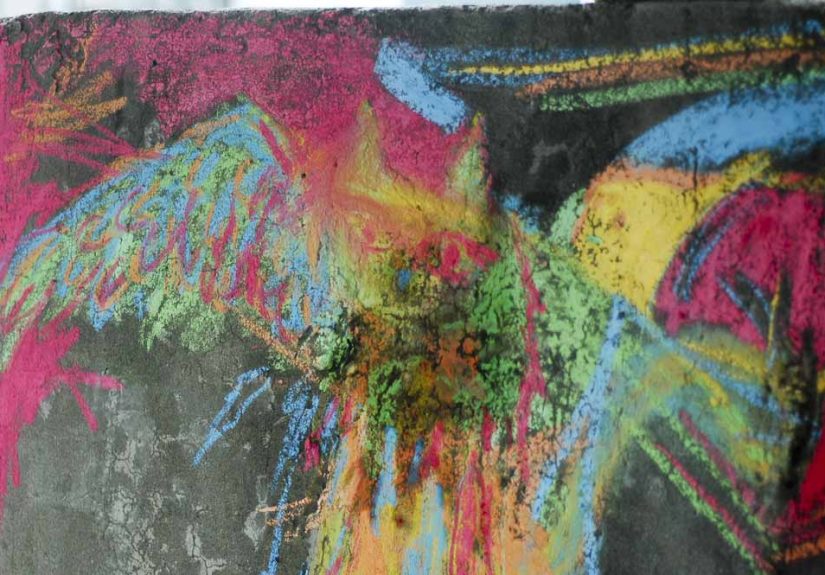
Wet chalk drawings are artworks made by applying chalk that has been dipped, soaked, sprayed, or blended with water. The water changes the way chalk behaves. Dry chalk tends to be powdery and pale, especially on rough pavement. Wet chalk, however, lays down thicker color, clings to the surface more smoothly, and often looks more vibrant while it is fresh.
Think of dry chalk as a whisper and wet chalk as the same whisper after it finds a microphone. It is still chalk, but it has more presence. On black construction paper or dark poster board, wet chalk can look almost neon. On sidewalks and driveways, it creates broad, painterly strokes that feel closer to tempera paint than regular chalk doodles.
The technique is also forgiving. You do not need expensive materials or advanced drawing skills. If you can draw a line, circle, leaf, star, fish, sun, rainbow, flower, or extremely suspicious-looking dog, you can make wet chalk art. The magic is in the water, the layering, and the willingness to experiment.
Supplies You Need for Wet Chalk Art
Before you start, gather your materials. Keeping everything within reach prevents the classic art-project sprint across the room with wet hands. Nobody needs that kind of cardio during craft time.
Basic Materials
- Sidewalk chalk, classroom chalk, or chalk pastels
- A shallow bowl, cup, or tray of clean water
- Black construction paper, poster board, cardboard, chalkboard, sidewalk, or driveway
- Paper towels or an old cloth
- A protective mat, newspaper, or tray for indoor projects
- Optional: sponge brush, spray bottle, cotton swabs, painter’s tape, stencil, or blending cloth
Best Chalk to Use
Sidewalk chalk is excellent for large outdoor wet chalk drawings because it is chunky, easy to grip, and made for pavement. Chalk pastels are better for paper-based art because they contain more pigment and blend beautifully. Standard classroom chalk works too, though the colors may be softer and less intense.
For young children, thick chalk sticks are easier to control than thin pieces. If you are using chalk pastels with kids, break long sticks in half. Smaller pieces are easier for small hands and less likely to snap dramatically in the middle of a masterpiece. Chalk is not Shakespeare; it does not need tragedy.
How to Create Wet Chalk Drawings: 7 Steps
Step 1: Choose the Right Surface
The surface you choose affects the entire look of your wet chalk drawing. For bright, bold outdoor art, use a clean section of sidewalk, driveway, or patio. Concrete and asphalt give chalk a rough texture to grip. For indoor projects, black construction paper, dark cardstock, poster board, brown craft paper, or cardboard all work well.
Dark surfaces are especially effective because they make the colors pop. Yellow, turquoise, pink, white, orange, and lime green look vivid against black paper. If you want a dramatic space scene, underwater drawing, fireworks picture, city skyline, or flower garden, dark paper is your best friend. It is the little black dress of wet chalk art: simple, reliable, and somehow always impressive.
If you are working outside, test a small hidden area first, especially on newer concrete, porous brick, painted surfaces, or decorative stone. Washable chalk usually rinses away from suitable outdoor surfaces, but texture, age, weather, and surface coating can affect cleanup.
Step 2: Prepare the Chalk and Water
Fill a shallow bowl or small cup with water. You do not need a swimming pool for the chalkjust enough water to dip the tip. For bold lines, dip only the end of the chalk into water and draw immediately. For creamier strokes, let the chalk sit in water for 30 seconds to a few minutes. The longer it soaks, the softer it becomes.
Do not soak chalk for too long unless you want it mushy. A slightly softened chalk stick is wonderful. A chalk stick that dissolves into colorful oatmeal is less wonderful, unless your artistic vision is “sidewalk pudding.”
You can also wet the surface instead of the chalk. Use a spray bottle, sponge brush, or damp paintbrush to moisten paper or pavement, then draw over it with dry chalk. This creates a different effect: the chalk melts into the wet surface and leaves soft, saturated marks. Try both methods and compare the results.
Step 3: Sketch a Simple Design
Start with a light outline. Wet chalk is bold, so large shapes are easier to fill than tiny details. Great beginner wet chalk drawing ideas include rainbows, flowers, planets, fish, butterflies, clouds, mountains, fruit, leaves, hearts, abstract shapes, or a simple sunset.
If you are drawing on paper, sketch the design first with white chalk, a light pencil, or a black oil pastel. Oil pastel outlines are useful because they resist water slightly and help define the edges. They also create a stained-glass effect when you fill the shapes with wet chalk.
For outdoor art, painter’s tape can help create clean geometric designs. Tape off triangles, diamonds, or rectangles on the sidewalk, color each section with wet chalk, then peel away the tape when the chalk dries. The result looks like a sidewalk mosaic, but without the burden of becoming a medieval tile artisan.
Step 4: Apply the Wet Chalk in Layers
Dip the chalk, then draw slowly and confidently. You will notice that wet chalk glides differently than dry chalk. The line may look darker, thicker, and smoother. Work in layers instead of trying to finish every area in one heavy pass.
Start with broad areas of color. Fill backgrounds first, then add middle shapes, then smaller details. For example, if you are drawing a sunset, begin with bands of yellow, orange, pink, and purple. Blend the edges while the chalk is still damp. Then add dark hills, water, palm trees, or clouds after the background has dried a little.
If your chalk starts feeling dry again, dip it back into the water. If it gets too wet and crumbly, blot it gently on a paper towel and let it rest for a minute. Wet chalk drawing is partly art and partly snack management for chalk sticks.
Step 5: Blend Colors While They Are Damp
Blending is where wet chalk art becomes exciting. While the chalk is damp, use your fingers, a cotton swab, sponge, paper towel, or blending cloth to soften edges. On paper, gentle circular motions create smooth gradients. On pavement, use the side of the chalk stick to cover larger areas, then blend with a damp sponge or brush.
Try layering related colors: blue with purple, yellow with orange, pink with red, green with teal. These combinations blend smoothly and avoid muddy colors. Complementary colors, such as red and green or blue and orange, can look striking side by side but may turn brown if overmixed. Brown is useful for tree trunks. It is less useful when your rainbow accidentally becomes soup.
For texture, let one layer dry slightly before adding another. Dry-on-damp marks create sharper details, while wet-on-wet marks create soft painterly effects. You can use both in the same drawing: soft blended backgrounds with crisp dry chalk highlights on top.
Step 6: Add Details, Highlights, and Contrast
Once the main colors are in place, add finishing details. Use dry chalk for crisp lines, tiny dots, outlines, stars, flower centers, waves, feathers, fur, or lettering. White chalk is especially useful for highlights. A few white marks can make water sparkle, clouds glow, planets shine, and glassy eyes look less like haunted marbles.
Black paper and dark pavement benefit from high contrast. Outline important shapes after coloring them. For paper projects, a black oil pastel, black chalk pastel, or waxy crayon can define the design. For sidewalk drawings, use darker chalk colors to add shadows under objects and lighter colors on top edges to suggest sunlight.
If you are writing words, let the wet areas dry first. Lettering on damp chalk can blur. That may look artistic if you are writing “dream,” but less ideal if you are writing “garage sale” and the neighborhood reads it as “giraffe salsa.”
Step 7: Let the Drawing Dry and Clean Up Properly
Wet chalk drawings change as they dry. Colors may become softer, and some surfaces will absorb more pigment than others. Let paper artwork dry flat. Do not stack pages until they are fully dry, or you may create accidental abstract prints. Outdoor chalk art can be left to dry in the sun.
Cleanup is usually simple. Rinse outdoor chalk drawings with water when you are ready to remove them. For stubborn residue, scrub gently with soapy water and a brush, testing first on delicate surfaces. Indoors, wipe tables immediately, rinse brushes and cups, and wash hands with soap and water.
For paper art, you can preserve the drawing by handling it carefully and storing it flat. Some artists use fixative sprays for chalk pastel work, but sprays should be used only with proper ventilation and adult supervision. For casual family projects, a sheet of clean paper over the artwork and a flat folder are usually enough.
Wet Chalk Drawing Ideas for Beginners
Need a starting point? Try a simple night sky. Use black paper, dip blue and purple chalk in water, and cover the background with loose strokes. Add yellow and white stars after the first layer dries. For a moon, draw a white circle and smudge one edge with gray or pale blue. Suddenly, your table looks like NASA opened a craft department.
A flower garden is another easy project. Draw large circles or ovals for flower heads, add stems, and blend two colors in each petal. Pink and orange create a warm tropical look. Blue and purple create cooler, dreamy flowers. Use white chalk for highlights and green chalk for grass. Add dots for seeds, insects, or decorative patterns.
For outdoor fun, create a giant wet chalk rainbow. Dip each color before drawing, then blend the edges slightly with a damp sponge. Kids can stand inside the rainbow for photos, trace shadows, or add clouds at the ends. You can also make hopscotch squares, treasure maps, animal tracks, ocean waves, or a pretend road for toy cars.
Common Wet Chalk Mistakes and How to Fix Them
The Chalk Gets Too Mushy
If the chalk crumbles, it has soaked too long. Remove it from the water, blot it with a towel, and let it dry for a few minutes. Next time, dip only the tip instead of soaking the entire stick.
The Colors Look Muddy
Muddy colors happen when too many colors are blended together. Use fewer colors in each area and let layers dry before adding contrast. Keep warm colors together and cool colors together when you want smooth blending.
The Paper Tears
Thin paper can weaken when wet. Use construction paper, cardstock, watercolor paper, poster board, or cardboard. If paper starts to curl, let it dry flat under light weight after the surface is no longer wet.
The Drawing Looks Too Pale After Drying
Add another layer. Wet chalk often looks strongest while wet, but you can restore intensity by rewetting the chalk and applying a second pass. Use dry chalk on top for final highlights.
Why Wet Chalk Art Is Great for Learning and Creativity
Wet chalk drawings are more than a quick craft. They encourage experimentation, sensory exploration, fine motor practice, color mixing, observation, and creative decision-making. Children can compare wet and dry marks, predict how water changes texture, and describe what happens when colors blend. Adults can enjoy the same process, though we often call it “mindfulness” because that sounds more mature than “I spent 40 minutes drawing a giant purple turtle.”
The technique also supports open-ended creativity. There is no single correct result. A child can make a realistic butterfly, an abstract color storm, a sidewalk city, or a mysterious blob named Kevin. Each version teaches something about line, shape, pressure, moisture, surface, and color.
For classrooms, wet chalk is budget-friendly and adaptable. Teachers can connect it to science by discussing absorption and evaporation, to language arts by illustrating a story, to math by creating geometric mosaics, or to social-emotional learning by inviting students to draw weather that matches a feeling. Happy cloud? Easy. Grumpy thunderstorm? Also valid.
Safety and Cleanup Tips
Choose non-toxic chalk labeled for children’s art use, especially for younger artists. Supervise children who may put materials in their mouths. Keep water cups shallow, wipe slippery pavement if puddles form, and remind everyone not to throw chalk pieces. Chalk is for drawing, not launching a tiny pastel space program.
Use washable chalk for sidewalks and driveways. Avoid drawing on private property, painted walls, brick, porous stone, cars, or public surfaces unless you have permission. Even washable art supplies can leave residue on some surfaces. When in doubt, test first and rinse after use.
For indoor projects, protect the work area with newspaper, a tray, or a reusable mat. Have towels nearby. Ask artists to roll up sleeves before starting. This small act can prevent the mysterious “how did chalk get on your elbow?” situation, which science has not fully explained.
Experience Notes: What Wet Chalk Drawing Feels Like in Real Life
The first thing most people notice about wet chalk is the glide. Dry chalk scratches and skips, especially on rough pavement. Wet chalk feels smoother, almost like a soft crayon mixed with watercolor paint. It does not require much pressure, so little hands can make bold marks without grinding the chalk into dust. That makes the activity feel calmer and more satisfying.
In my experience, black paper creates the biggest “wow” moment. A simple yellow sun or blue moon looks brighter because the dark background makes the wet pigment stand out. Kids often react as if the chalk has transformed into a completely different art supply. Adults do too, although they usually try to act cool about it. They fail. The colors are too fun.
Outdoor wet chalk drawings are best when the pavement is clean and slightly shaded. Direct sun dries the chalk quickly, which is helpful if you want crisp layers but less helpful if you want to blend. A shaded driveway gives you more working time. After the drawing dries, the colors usually soften, so adding a second wet layer can make the artwork stronger.
One practical trick is to use separate water cups for color families. Warm colors in one cup, cool colors in another, and maybe a third cup for white or light colors. Otherwise, the water turns gray-brown, and every chalk stick begins to look as though it has been through an emotional event. Clean water keeps colors brighter.
Another helpful habit is to plan the drawing from big to small. Fill large background areas first, then add shapes, then details. If you begin with tiny details, they often disappear under later blending. Wet chalk rewards patience, but not the kind of patience that requires a silent art studio and dramatic lighting. Just pause for a minute before adding the next layer.
For families, wet chalk is one of those rare activities that works across ages. Toddlers can make marks and explore texture with supervision. Older kids can create scenes, lettering, games, and optical illusions. Adults can make decorative signs, seasonal porch art, or relaxing abstract patterns. Everyone gets color on their fingers, which is basically the project’s signature.
The best part is that mistakes do not feel serious. On pavement, water removes or softens marks. On paper, an odd smudge can become a cloud, shadow, wave, or background texture. Wet chalk teaches artists to adapt. Sometimes the accidental streak becomes the best part of the drawing. Sometimes it becomes a dragon. Either way, the art wins.
Conclusion
Wet chalk drawings are easy, affordable, colorful, and surprisingly expressive. With just chalk, water, and a good surface, you can turn simple marks into rich, painterly artwork. The 7 steps are straightforward: choose your surface, prepare the chalk, sketch a design, apply color in layers, blend while damp, add details, and let the drawing dry before cleanup.
Whether you are planning a classroom activity, a backyard afternoon, a sidewalk mural, or a quiet art session at the kitchen table, wet chalk art gives you plenty of room to experiment. Start simple, use bold colors, keep towels nearby, and let the water do some of the artistic heavy lifting. It is proof that creativity does not always need expensive supplies. Sometimes it just needs a cup of water and a piece of chalk that is ready for its glow-up.