Table of Contents >> Show >> Hide
- What Makes a Hamptons Shingled House Classic?
- Cedar Shingles: The Quiet Star of the Show
- The Roofline: Gables, Gambrels, Dormers, and Drama
- Porches, Verandas, and Outdoor Rooms
- Interiors: Polished, Breezy, and Not Too Perfect
- The Kitchen: Casual Luxury Where Everyone Ends Up
- Bedrooms and Baths: Calm Without Becoming Bland
- Landscaping: Hydrangeas, Hedges, Grasses, and Soft Edges
- Modernizing the Hamptons Classic
- Design Ideas for Creating the Look
- Why the Style Still Works
- Conclusion: The Beauty of a House That Knows Who It Is
- Experience Notes: Living With the Hamptons Shingled-House Feeling
A Hamptons shingled house has a special kind of confidence. It does not need to shout, sparkle, or wave a designer handbag from the widow’s walk. It simply sits there in cedar shingles, weathered gray by salt air and sunshine, looking as if it has hosted a hundred summer dinners, survived a few dramatic family reunions, and still has the good manners to offer you lemonade on the porch.
The phrase “Hamptons Classic” brings to mind a very specific scene: a shingled façade softened by time, white trim bright against the gray, wide porches made for lazy afternoons, hydrangeas doing their best impression of blue fireworks, and interiors that feel polished without becoming precious. This is coastal architecture with old-money restraint and barefoot practicality. It can be grand, yes, but the best Hamptons homes also understand sand, sunscreen, wet towels, dogs, children, and guests who say they are “only staying one night” while unpacking three bags.
At its heart, the Hamptons shingled house is not just a style. It is a lifestyle formula: classic American architecture, natural materials, breezy interiors, relaxed elegance, and a strong relationship with the landscape. Done well, it feels timeless rather than trendy. Done poorly, it looks like a catalog had a beach vacation and forgot to come home.
What Makes a Hamptons Shingled House Classic?
The classic Hamptons shingled house draws heavily from American Shingle Style architecture, a design movement that flourished in the late 19th century. Unlike highly decorated Victorian houses, Shingle Style homes leaned into continuous surfaces, informal massing, and a sense that the building belonged to its coastal setting. The shingles helped tie together complex rooflines, porches, dormers, gables, towers, and curved walls into one calm visual language.
In the Hamptons, that language found an ideal stage. The East End of Long Island already had sea air, dunes, farmland, village streets, and a summer culture that favored refined escape over urban formality. A shingled house could be luxurious without looking stiff. It could be large without feeling like a museum. It could age beautifully, which is more than can be said for many design trends involving glossy tile and questionable lighting decisions.
The Key Exterior Ingredients
A classic Hamptons shingled house usually includes several recognizable features: cedar shingles, white or soft-colored trim, generous windows, dormers, gabled or gambrel rooflines, broad porches, and an easy connection to gardens, lawns, terraces, or the beach. The layout may be symmetrical, but many of the most interesting examples embrace asymmetry. A projecting bay here, a porch there, a dormer tucked into the rooflineit all creates the relaxed complexity that makes these homes feel collected over time.
The magic is in the balance. Too plain, and the house becomes a gray box wearing expensive sunglasses. Too ornate, and it starts auditioning for a period drama. The Hamptons classic lands in the middle: detailed, but not fussy; elegant, but still ready for clambakes.
Cedar Shingles: The Quiet Star of the Show
Cedar shingles are the soul of the look. Fresh cedar begins warm and golden, but over time, exposure to sun, wind, rain, and salt air turns it into the soft silvery gray associated with coastal homes. That natural weathering is not a flaw. It is the architectural equivalent of laugh lines: evidence that the house has lived a little.
Western red cedar is prized because it offers texture, warmth, and durability. On a Hamptons-style exterior, shingles create a continuous skin that softens the building’s shape. They wrap around corners, climb gables, and make large houses feel less imposing. Even when the architecture is complex, the shingle surface gives the eye one calm material to read.
Maintenance matters, of course. Cedar may look effortless, but “effortless” in design usually means someone has a ladder, a brush, and a calendar reminder. Homeowners should plan for periodic cleaning, careful inspection, and refinishing if a stain or protective coating is used. Gentle care preserves the texture; aggressive cleaning can damage the fibers. In coastal areas, moisture management, ventilation, and quality installation are essential. A beautiful shingled house should look relaxed, not neglected.
The Roofline: Gables, Gambrels, Dormers, and Drama
The roof is where a Hamptons shingled house often gets its personality. Gabled roofs add familiar American charm. Gambrel roofs create a graceful profile and allow more usable space upstairs. Dormers bring light into bedrooms and attic rooms while giving the exterior rhythm. Chimneys, especially brick or stone ones, anchor the composition and add a sense of permanence.
A good roofline feels intentional but not overly perfect. The best Hamptons houses often look as if they grew in stages: a porch added for morning coffee, a wing added for guests, a dormer added because someone finally admitted the attic was too dark. This “collected over time” feeling is one reason modern designers often use reclaimed materials, antique accents, and varied ceiling treatments inside new shingled homes. The goal is character, not instant showroom polish.
Porches, Verandas, and Outdoor Rooms
No Hamptons classic is complete without a place to sit outside and pretend checking email counts as “enjoying nature.” Porches and verandas are central to the shingled house experience. They soften the transition between indoors and outdoors, provide shade, and create casual gathering spaces where people naturally drift before and after meals.
A covered porch with white columns, simple railings, wicker chairs, striped cushions, and a view of the garden captures the essence of relaxed coastal living. Add lantern-style lighting, a bluestone floor, and climbing vines, and suddenly everyone wants to become the kind of person who says, “Let’s have breakfast outside.”
Outdoor living has also become more sophisticated. Many newer Hamptons-style homes include outdoor kitchens, pool houses, fire pits, dining terraces, and lounge areas that function like open-air rooms. The key is restraint. The landscape should still feel natural and breathable, not like a resort brochure exploded across the lawn.
Interiors: Polished, Breezy, and Not Too Perfect
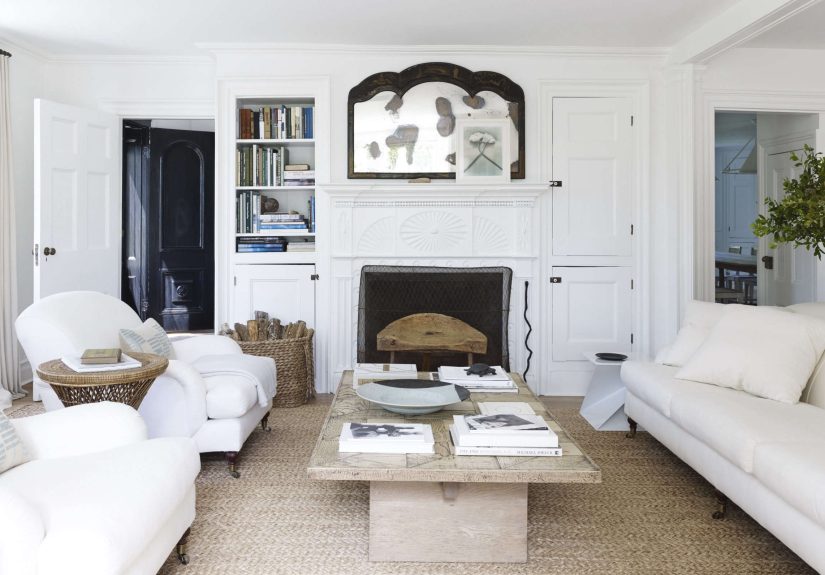
Inside a Hamptons shingled house, the mood is typically light, layered, and calm. White walls, soft grays, sandy neutrals, watery blues, and natural wood tones create a palette that feels connected to the coast. But the best interiors avoid the obvious trap of turning every room into a nautical theme park. A single vintage oar can be charming. Twelve anchors and a sign that says “Beach Vibes Only” may require an intervention.
Classic interior details include wide-plank floors, shiplap or tongue-and-groove paneling, coffered ceilings, built-in bookcases, window seats, paneled walls, and substantial moldings. These architectural elements give rooms depth even when the color palette is simple. Natural textures such as linen, jute, rattan, wicker, cane, oak, and sisal prevent white rooms from feeling sterile.
The furniture should invite people to sit, not hover nervously with a coaster. Slipcovered sofas, generous armchairs, antique side tables, weathered wood pieces, ceramic lamps, and vintage art all work beautifully. A Hamptons classic looks better when it feels assembled over years, not delivered on one very exhausting Tuesday.
The Kitchen: Casual Luxury Where Everyone Ends Up
In nearly every Hamptons house, the kitchen becomes command central. It is where coffee happens, children appear mysteriously hungry every 23 minutes, and guests gather despite the existence of perfectly good living rooms. A classic Hamptons kitchen usually combines practical function with refined materials: painted cabinetry, marble or quartz countertops, a farmhouse or apron-front sink, generous island seating, polished nickel or brass hardware, and pendant lights that make the room glow after sunset.
White kitchens remain popular, but the modern Hamptons look has expanded. Soft blue islands, warm oak cabinetry, stone backsplashes, handmade tile, and unlacquered brass details bring depth and personality. The goal is not to make the kitchen look brand new forever. It should be durable enough for real cooking and elegant enough for a dinner party where someone inevitably asks where the serving bowl came from.
Bedrooms and Baths: Calm Without Becoming Bland
Bedrooms in a shingled Hamptons home should feel restful, not overdesigned. Think crisp bedding, woven shades, vintage nightstands, soft rugs, and windows that capture morning light. Blue-and-white schemes are classic, but warmer palettescream, oatmeal, driftwood, sage, dusty rose, and faded indigocan feel more personal.
Bathrooms often combine old and new: marble counters, paneled vanities, polished fixtures, mosaic floors, freestanding tubs, and clean-lined showers. A powder room is a perfect place to take a small design risk with patterned wallpaper, lacquered paint, or a striking mirror. Even traditional homes deserve one room that says, “Yes, I have a personality.”
Landscaping: Hydrangeas, Hedges, Grasses, and Soft Edges
The landscape around a Hamptons shingled house matters almost as much as the architecture. Hydrangeas are the unofficial floral mascot, but they are only part of the story. Privet hedges, beach grasses, boxwood, climbing roses, lavender, gravel paths, and mature trees all help create the soft, established look associated with the region.
A successful Hamptons landscape feels manicured but not uptight. The lawn may be crisp, but the plantings should have movement. Ornamental grasses catch the wind. Hydrangeas add seasonal drama. Gravel crunches underfoot. A weathered gate or arbor gives the property a sense of arrival. Together, these details make the house feel rooted rather than placed.
Modernizing the Hamptons Classic
Today’s shingled homes often blend historic cues with modern expectations. Homeowners want open kitchens, larger windows, energy-efficient systems, mudrooms, home offices, indoor-outdoor flow, and spaces that work year-round. The challenge is adding modern comfort without erasing the quiet charm that makes the style beloved.
One smart approach is to keep the exterior vocabulary traditional while allowing the interior to breathe. Large glass doors can open to terraces. Kitchens can connect to family rooms. Mudrooms can handle beach gear, sports equipment, and the daily avalanche of shoes. Lighting can be subtle and architectural. Technology can be hidden rather than allowed to dominate the room like a guest who talks too loudly at dinner.
The best modern Hamptons classics feel fresh but not trendy. They respect proportion, craftsmanship, and materials. They use antiques and contemporary pieces together. They embrace imperfection. A salvaged mantel, reclaimed floorboards, or vintage cabinet can instantly keep a new build from feeling too crisp.
Design Ideas for Creating the Look
1. Let the Exterior Age Gracefully
If using cedar shingles, decide whether you want the natural gray weathered look or a more controlled stained finish. Both can be beautiful. Natural weathering offers authenticity, while stain can create consistency. Either way, plan for proper installation and long-term maintenance.
2. Choose White Trim Carefully
White trim is classic, but not all whites are equal. A slightly warm white often looks better against gray cedar than a harsh blue-white. Shutters, railings, columns, and window casings should feel crisp without looking plastic-bright.
3. Use Blue as an Accent, Not a Costume
Blue belongs in a Hamptons home, but it should not be forced into every corner. A navy island, pale blue pillows, indigo ceramics, or blue artwork can be enough. Let the palette breathe.
4. Mix Old and New
A room filled only with new furniture can feel flat. Add vintage lighting, antique wood pieces, framed botanical prints, old mirrors, or collected ceramics. The house will instantly feel more lived-in.
5. Prioritize Texture
When the color palette is quiet, texture does the heavy lifting. Linen curtains, jute rugs, woven baskets, oak floors, wicker chairs, plaster walls, and ceramic lamps add richness without visual clutter.
6. Design for Real Life
A Hamptons classic should be beautiful, but it should also handle sandy feet, wet swimsuits, groceries, guests, and dogs with suspiciously selective hearing. Mudrooms, washable slipcovers, durable floors, and smart storage make elegance sustainable.
Why the Style Still Works
The Hamptons shingled house remains popular because it solves a design puzzle many homeowners care about: how to be elegant without feeling formal, traditional without feeling outdated, and coastal without becoming kitschy. It is one of the rare house styles that can look equally right in a historic village, on a beachfront lot, or at the end of a long gravel drive.
Its staying power also comes from emotional appeal. The shingles suggest age and texture. The porches suggest hospitality. The interiors suggest ease. The gardens suggest seasons. A Hamptons classic does not merely look good in a photograph; it promises a way of living that feels slower, softer, and more connected to place.
That promise is why designers continue to reinterpret the style. Some homes lean traditional with cedar shingles, divided-light windows, and formal symmetry. Others go modern with darker shingles, simplified trim, oversized glass, and minimal interiors. Both can work when the proportions are thoughtful and the materials feel honest.
Conclusion: The Beauty of a House That Knows Who It Is
A shingled Hamptons house with style is not about copying a formula. It is about understanding the ingredients: cedar, light, proportion, texture, porches, gardens, craftsmanship, and restraint. The most memorable homes in this tradition feel confident because they do not try too hard. They are stylish, but not vain. Comfortable, but not careless. Classic, but not frozen in time.
Whether you are building a new coastal retreat, renovating an older home, or simply borrowing ideas for a city apartment, the Hamptons classic offers a lasting lesson: real style comes from balance. Let natural materials age. Let rooms breathe. Let furniture be used. Let the garden soften the edges. And above all, let the house feel like a place where life actually happens.
After all, a beautiful home should not be so perfect that nobody knows where to put a beach bag. The best shingled houses make room for elegance and everyday mess. That is their charm. That is their intelligence. And that is why the Hamptons classic keeps looking fresh, decade after decade.
Experience Notes: Living With the Hamptons Shingled-House Feeling
Spending time in a Hamptons-style shingled house is less about admiring one grand design moment and more about noticing small pleasures throughout the day. In the morning, the exterior changes with the light. Cedar shingles that looked deep gray at dawn may turn silvery by noon, then warmer and softer as the sun drops. The house feels alive because the material reacts to weather, season, and time. It is not a flat painted surface; it has texture, mood, and a bit of coastal attitude.
The porch is usually where the experience begins. A good porch changes your pace. You sit down “for five minutes” and suddenly understand why people write novels, gossip politely, and drink iced tea in rocking chairs. The best porches frame views without demanding attention. You can look across a lawn, toward hydrangeas, over a pool, or through trees moving in the wind. Even without an ocean view, the porch creates a vacation state of mind.
Inside, the comfort comes from contrast. The exterior may feel weathered and traditional, while the interior can be bright, open, and modern. Wide-plank floors feel good under bare feet. Linen sofas invite afternoon naps. A kitchen island becomes the place where everyone gathers, even when the host has carefully arranged snacks in another room. There is something wonderfully democratic about a Hamptons kitchen: guests, children, grandparents, and the family dog all understand that this is where the action is.
One of the most enjoyable experiences is how the house handles groups. A well-designed shingled home offers both togetherness and escape. People can gather in the family room, drift to the terrace, read in a window seat, or disappear upstairs for a quiet hour. This matters because vacation houses often host many personalities at once. Someone wants music. Someone wants silence. Someone is sunburned and dramatic. Good design keeps the peace.
The style also teaches restraint. After a few days in a beautifully layered Hamptons house, you realize that not every surface needs decoration. A bowl of lemons, a blue ceramic lamp, a woven tray, a stack of books, and a vase of garden flowers can do more than an army of accessories. The house feels best when it has room to breathe.
Maintenance becomes part of the experience too. Cedar shingles, white trim, outdoor furniture, and coastal landscaping require care. But that care is also what gives the home character. The silvering of shingles, the patina on hardware, the soft wear on floors, and the seasonal bloom of hydrangeas all remind you that beauty is not always about keeping things new. Sometimes style is about letting materials age well, while keeping the house loved, useful, and ready for the next long summer weekend.