Table of Contents >> Show >> Hide
- Why This Easy Mushroom Sauce With Red Wine Works
- Easy Mushroom Sauce With Red Wine Recipe
- Best Mushrooms for Red Wine Sauce
- The Best Red Wine to Use
- Tips for the Best Mushroom Sauce
- What to Serve With Easy Mushroom Sauce With Red Wine
- How to Customize the Recipe
- Common Mistakes to Avoid
- How to Store and Reheat Leftovers
- Why This Recipe Earns a Spot in Your Rotation
- Real-Life Cooking Experiences With Easy Mushroom Sauce With Red Wine
If your dinner has been looking a little too responsible lately, this easy mushroom sauce with red wine recipe is here to bring some drama to the plate. Not the stressful kind of drama. The delicious kind. The kind that turns a plain steak, pork chop, chicken breast, or bowl of mashed potatoes into something that tastes like it should be served under low lighting with a cloth napkin.
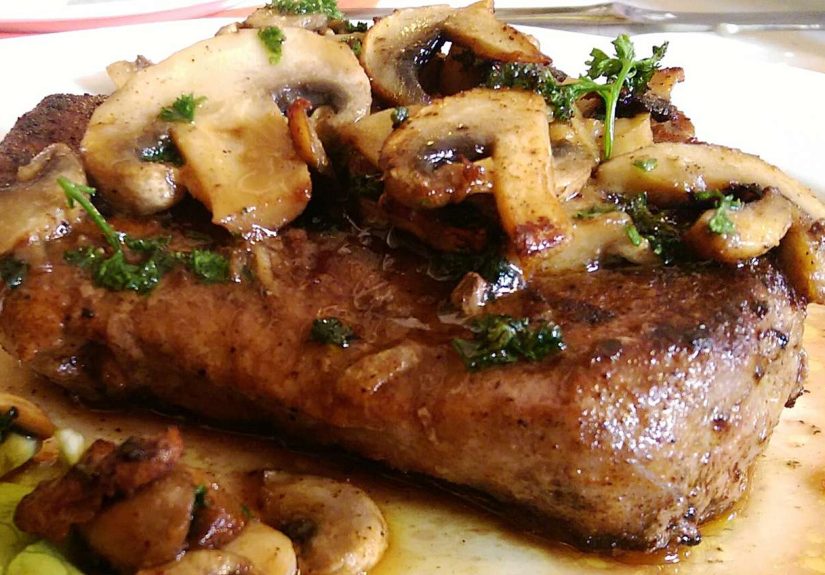
The beauty of a good mushroom red wine sauce is that it sounds fancy, but the method is refreshingly simple. You brown mushrooms until they smell deeply savory, add shallots and garlic, splash in dry red wine, stir in broth, and let the whole thing simmer down into a glossy, rich sauce. Then you finish with butter, because butter is the finishing school of sauces. The result is earthy, silky, slightly tangy, and deeply comforting.
This version is built for real life. It does not ask you to open a culinary academy in your kitchen. It does not require obscure ingredients, a blowtorch, or an emotionally supportive copper pan. It gives you a reliable, flavorful sauce that feels restaurant-worthy without being fussy. Along the way, you will also learn why the mushrooms need serious browning, which wine works best, how to keep the sauce from tasting flat, and what to serve it with once you realize you may want to pour it over absolutely everything.
Why This Easy Mushroom Sauce With Red Wine Works
A great mushroom sauce lives or dies by one thing: flavor concentration. Mushrooms contain a lot of moisture, so if you toss them into a crowded pan and stir nervously every ten seconds, they steam instead of brown. That is how you end up with pale, squeaky mushrooms and a sauce that tastes like it gave up halfway through. Browning is where the magic happens. As the moisture cooks off, the mushrooms become meaty, savory, and intensely aromatic.
Red wine brings brightness and depth. It cuts through the richness of butter and mushrooms, while adding those dark, fruity notes that make the sauce feel just a little luxurious. Beef broth or stock rounds everything out with body and savory backbone. Fresh thyme adds herbal warmth, garlic gives the sauce a familiar cozy flavor, and a final knob of butter makes the texture glossy and smooth.
In other words, this is not just a mushroom sauce recipe. It is a small confidence boost in skillet form.
Easy Mushroom Sauce With Red Wine Recipe
Ingredients
- 2 tablespoons unsalted butter, divided
- 1 tablespoon olive oil
- 1 pound cremini mushrooms, sliced
- 1 small shallot, finely chopped
- 2 garlic cloves, minced
- 3/4 teaspoon kosher salt, plus more to taste
- 1/2 teaspoon freshly ground black pepper
- 1 teaspoon fresh thyme leaves, or 1/2 teaspoon dried thyme
- 3/4 cup dry red wine
- 3/4 cup low-sodium beef broth
- 1 teaspoon Dijon mustard
- 1 teaspoon Worcestershire sauce
- 1 tablespoon chopped fresh parsley, for finishing
Optional Add-Ins
- 2 tablespoons heavy cream for a softer, steakhouse-style finish
- 1 teaspoon cornstarch mixed with 1 tablespoon water if you want a thicker gravy texture
- A mix of mushrooms, such as shiitake, oyster, or baby bella, for deeper flavor
How to Make It
- Heat the pan: Set a large skillet over medium-high heat. Add the olive oil and 1 tablespoon of the butter.
- Brown the mushrooms: Add the mushrooms in an even layer. Let them cook without constant stirring for 3 to 4 minutes so they can take on color. Stir, then continue cooking for another 5 to 7 minutes until the mushrooms release their liquid and that liquid mostly cooks away. The pan should smell savory and toasty, not watery.
- Add the aromatics: Stir in the shallot, garlic, salt, pepper, and thyme. Cook for 1 to 2 minutes, until fragrant and softened.
- Deglaze with wine: Pour in the red wine and scrape up any browned bits from the bottom of the skillet. This is where a lot of flavor lives, so do not leave it behind like a forgotten sock in the dryer.
- Add broth and seasonings: Stir in the beef broth, Dijon mustard, and Worcestershire sauce. Bring the mixture to a lively simmer.
- Reduce the sauce: Cook for 6 to 10 minutes, stirring occasionally, until the sauce reduces and lightly coats the back of a spoon. If you want it thicker, stir in the cornstarch slurry during the last 1 to 2 minutes.
- Finish: Turn off the heat and stir in the remaining 1 tablespoon butter. Add parsley. Taste and adjust the seasoning. If using cream, stir it in right at the end over low heat.
- Serve: Spoon over steak, roast beef, pork chops, chicken, mashed potatoes, pasta, polenta, or toasted bread.
Best Mushrooms for Red Wine Sauce
If you want a dependable, easy mushroom sauce, cremini mushrooms are the safest bet. They are affordable, widely available, and bring a deeper flavor than standard white button mushrooms. If you want a slightly more robust sauce, baby bella mushrooms work beautifully because they are essentially mature cremini.
For a more layered flavor, use a blend. Shiitake mushrooms add a woodsy punch. Oyster mushrooms contribute a softer, delicate texture. Portobello mushrooms bring bold, almost steak-like earthiness. A mixed mushroom sauce often tastes more complex, but a one-mushroom version is still excellent. This is dinner, not a mushroom census.
The Best Red Wine to Use
The best red wine for mushroom sauce is one you would actually drink. It does not need to be expensive, but it should taste good enough to pour into a glass without regret. A dry red wine is the way to go. Pinot Noir, Merlot, Cabernet Sauvignon, Zinfandel, or a smooth red blend all work well.
Avoid sweet red wines or “cooking wine,” which can make the sauce taste oddly harsh or sugary. If your wine tastes flat or overly acidic straight from the bottle, it will not become magically charming in the skillet. The sauce will only be as good as its inputs. This is true in cooking and, frankly, in group projects.
Tips for the Best Mushroom Sauce
Do Not Crowd the Pan
If the mushrooms are piled on top of each other, they steam. Use a large skillet and give them space. If needed, cook in batches. Yes, it takes a little longer. Yes, it is worth it.
Let the Mushrooms Brown Properly
This is where the flavor develops. Mushrooms should go from pale and wet to golden and concentrated. If you rush this part, the sauce will be serviceable but not memorable.
Use Broth for Balance
Red wine alone can taste too sharp. Broth softens that edge and gives the sauce body. Beef broth is classic, but vegetable broth works if you want a lighter or meat-free sauce.
Finish With Butter
Butter rounds out the flavor and gives the sauce a glossy finish. It is a small step that makes the whole recipe feel polished.
Season at the End
As the sauce reduces, the saltiness becomes more concentrated. Taste after reducing, then decide if it needs more salt or pepper.
What to Serve With Easy Mushroom Sauce With Red Wine
This mushroom sauce with red wine is wildly versatile. It is especially good with beef, which is the classic pairing, but it is also excellent with pork tenderloin, roasted chicken, turkey cutlets, meatloaf, and even seared salmon if you like bolder flavors. For meatless meals, spoon it over creamy polenta, buttered egg noodles, risotto, or mashed cauliflower.
One of the easiest weeknight dinners is pan-seared steak with mushroom red wine sauce and mashed potatoes. Another strong move is serving it over grilled chicken with roasted green beans. If you want comfort food energy, pour it over thick toast and top with a fried egg. That is the kind of dinner that says, “I care,” even if you are mostly caring about not washing extra dishes.
How to Customize the Recipe
Make It Creamy
For a richer sauce, stir in 2 tablespoons of heavy cream at the end. This softens the wine’s sharpness and gives the sauce a silkier finish.
Make It Meatless
Use vegetable broth instead of beef broth. You will still get an earthy, savory sauce that pairs beautifully with pasta, polenta, or roasted vegetables.
Add More Umami
A splash of soy sauce, a little Worcestershire, or a small spoonful of tomato paste can deepen the flavor if you want a bolder profile.
Make It Herbier
Rosemary gives the sauce a more woodsy feel, while parsley keeps it brighter. Thyme is the classic middle ground and plays especially well with mushrooms and wine.
Common Mistakes to Avoid
Using wet mushrooms: If the mushrooms are soaked, they will steam. Wipe them clean or rinse quickly and dry thoroughly.
Adding wine too early: Let the mushrooms brown first. If you add wine while they are still releasing water, you dilute the flavor.
Stopping the reduction too soon: A good sauce needs a little patience. If it looks thin and watery, keep simmering.
Using too much flour: If you thicken aggressively, the sauce can become gluey instead of glossy. Start with reduction first, then add a small amount of slurry only if needed.
How to Store and Reheat Leftovers
Let the sauce cool, then store it in an airtight container in the refrigerator for up to 4 days. Reheat gently in a skillet or saucepan over low heat. If it thickens too much in the fridge, add a splash of broth or water to loosen it. You can also freeze it, though the texture is best when fresh or refrigerated for a short time.
This is a great make-ahead sauce for holidays, dinner parties, or weeknight meal prep. It is also excellent the next day spooned over leftover steak or stirred into warm noodles. Leftovers rarely feel this glamorous.
Why This Recipe Earns a Spot in Your Rotation
Some sauces are built for special occasions. Others are built for surviving Tuesday. This one somehow does both. It tastes elegant enough for guests, but the process is straightforward enough for a regular night when you want your dinner to feel like more than a hurried obligation.
That is the charm of this easy mushroom sauce with red wine recipe. It turns humble ingredients into something layered and satisfying. It gives mushrooms a proper spotlight. It makes a simple piece of meat or a bowl of starch feel intentional. And it proves, once again, that the difference between “fine” and “wow” is often just one skillet and a splash of wine.
So the next time dinner needs help, skip the bottled sauce hiding in the back of the fridge. Grab mushrooms, open a decent red wine, and let the pan do its thing. Your meal will taste richer, your kitchen will smell incredible, and your potatoes may never forgive you for waiting this long.
Real-Life Cooking Experiences With Easy Mushroom Sauce With Red Wine
One of the reasons this recipe keeps earning repeat status in home kitchens is that it feels impressive without requiring a perfect setup. You do not need a giant range, a drawer full of chef knives, or a heroic amount of free time. You need one good skillet, a cutting board, a bottle of red wine, and the willingness to let mushrooms sit still long enough to actually brown. That last part is harder than it sounds, because many home cooks have a strong emotional attachment to stirring. This recipe gently teaches patience.
The first memorable moment usually happens when the mushrooms hit the hot pan. At first, they look like there are too many. Then they begin shrinking, releasing moisture, and making you wonder whether you somehow ruined dinner. A few minutes later, the liquid cooks away, the edges darken, and suddenly the kitchen smells like you know what you are doing. It is one of those deeply satisfying cooking transformations that feels almost theatrical. Mushrooms are humble, but they know how to make an entrance.
Then comes the red wine. Pouring it into the pan creates that unmistakable hiss, and the browned bits on the bottom loosen into the sauce. This is the point where a weeknight dinner starts feeling suspiciously elegant. The smell changes from savory to rich and layered, with the wine adding fruitiness and depth instead of just shouting, “Hello, I am alcohol.” As it simmers with the broth, the sauce settles into something that smells warm, earthy, and a little luxurious.
In real kitchens, this sauce also wins because it is forgiving. Forgot parsley? Still good. Only have button mushrooms? Absolutely fine. Need to use vegetable broth instead of beef broth? No problem. Want to stir in cream because you are having the kind of day that clearly calls for cream? The sauce will support you. That flexibility makes it especially useful for cooks who want a recipe that feels dependable rather than fragile.
It is also a recipe that changes the mood of the meal. A plain grilled steak becomes dinner-party material. Roast chicken suddenly has confidence. Mashed potatoes go from side dish to main character. Even toast feels elevated with a spoonful of this over the top. There is something comforting about a sauce that can rescue leftovers and also make a fresh meal feel intentional.
Another real-life benefit is that the sauce encourages better cooking habits without being preachy about it. After making it once or twice, people usually learn to stop crowding mushrooms, to taste wine before cooking with it, and to trust reduction instead of dumping in extra thickeners too soon. Those are small lessons, but they carry over into other dishes. So yes, you get a good mushroom sauce, but you also become slightly more dangerous in the kitchen in the best possible way.
Most of all, this recipe creates the kind of dinner experience people actually want: rich flavor, simple method, familiar ingredients, and just enough flair to feel special. It does not pretend to be a complicated restaurant secret. It is practical, deeply savory, and adaptable, which is why it tends to stick around. Once you see how easily mushrooms, wine, broth, and butter come together, it becomes the kind of recipe you keep in your back pocket for nights when dinner needs a little rescue and a little romance.