Table of Contents >> Show >> Hide
- The Short Answer: Yes, but the Effect Is Usually Overhyped
- Why Heat Makes Exercise Feel Harder
- Do You Burn More Fat in the Heat?
- Can Heat Increase Calorie Burn at Rest?
- What Research and Real-World Guidance Suggest
- When Heat Might Help a Little
- When Heat Backfires
- How to Exercise in the Heat Without Making Bad Decisions in Stylish Activewear
- So, Should You Work Out in the Heat to Lose Weight?
- Bottom Line
- Experiences People Commonly Have With Hot-Weather Workouts
- SEO Tags
Step outside on a blazing summer afternoon and your body immediately starts acting like it has been handed a part-time job it never asked for. Your heart works harder. Sweat shows up early. Your shirt becomes a tiny, clingy betrayal. So it is completely reasonable to wonder: Do you burn more calories in the heat?
The honest answer is: sometimes a little, but not in the magical way many people hope. Heat can raise the strain on your body, and your system does use energy to cool you down. But hotter conditions also make it harder to sustain pace, power, and duration. In real life, that often means the extra effort you feel does not turn into dramatically greater calorie burn. In some cases, total calorie burn may end up about the same, or even lower, because your output drops before your ambition does.[1][2]
That is the big plot twist. Heat can make exercise feel tougher without making it vastly better for fat loss. Sweat, despite its dramatic performance, is not a receipt proving calories vanished into the sky. Most of the quick weight change you notice after a hot workout is water loss, not sudden fat loss.[3][4]
The Short Answer: Yes, but the Effect Is Usually Overhyped
Your body is always burning calories to stay alive. It also burns more energy when it has to regulate temperature. During exercise, a large share of the energy produced by your muscles is released as heat, so your body must send blood to the skin and produce sweat to cool itself.[1][5] That cooling process is work, and work requires energy.
So yes, hot weather can increase physiological strain. Your heart rate may climb faster. You may sweat more. You may feel more wiped out. But here is the catch: calorie burn is not just about how miserable you feel. It is heavily influenced by how much work you actually perform. If you slow your pace, cut the workout short, take longer breaks, or reduce intensity because the heat is draining you, the calorie advantage can shrink fast.[1][2][6]
In plain English: heat can make your body work harder, but it also makes it harder for you to keep working hard. That is why “I was sweating buckets” is not the same as “I burned way more calories.”
Why Heat Makes Exercise Feel Harder
When you exercise in warm or humid conditions, your body has to juggle two major tasks at once: power your muscles and prevent your internal temperature from rising too high. That balancing act is not elegant. It is more like carrying groceries, texting your friend back, and trying not to drop your keys all at once. Something eventually gets sloppy.
To cool you down, your body increases blood flow to the skin and ramps up sweating. If humidity is high, sweat does not evaporate as efficiently, which means cooling becomes less effective.[5] At the same time, dehydration can reduce blood volume, increase heart rate, raise internal heat load, and shorten the amount of time you can keep going.[7][8]
This is why a moderate jog in pleasant weather can feel like a personal growth challenge in extreme heat. The workout is not automatically burning vastly more calories. Instead, your cardiovascular system is under more stress, and your rate of perceived exertion climbs quickly. Translation: your body is yelling louder, even if the total work done is not much greater.
Do You Burn More Fat in the Heat?
Not automatically. This is where the internet often becomes a carnival.
Many people assume that more sweat equals more fat loss. It does not. Sweat is mainly your cooling system. It reflects fluid and electrolyte loss, not direct fat melting.[3][4][9] If you weigh less after a hot workout, that drop is usually temporary water weight. Once you drink and rehydrate, a lot of that weight comes right back.
Actual fat loss depends on overall energy balance over time, not how soaked your T-shirt becomes in one afternoon. You lose body fat by consistently using more energy than you take in, while supporting that process with sustainable training, nutrition, recovery, and sleep. Heat may change the conditions of a workout, but it does not rewrite the rules of metabolism.
That means a cool-weather workout with better pace, better power, and better consistency may support fat loss more effectively than a scorching workout where you gas out halfway through and spend the rest of the day lying under a fan questioning every life choice that led to that moment.
Can Heat Increase Calorie Burn at Rest?
In theory, warm environments can slightly affect energy expenditure because the body is still doing thermoregulatory work. But in everyday life, the effect is usually small and not something most people can use as a practical fat-loss strategy. Your metabolism is far more influenced by body size, body composition, overall movement, exercise intensity, food intake, and recovery habits than by simply sitting around in a hotter room hoping your abs notice.
Also, once dehydration enters the picture, things get less glamorous. Severe fluid loss is not a metabolism hack. It is a performance problem and a health risk.[7][8] Trying to “sweat off” weight with heavy clothing, sauna-style tactics, or dangerously hot training is a poor trade: lots of discomfort, little lasting benefit, and a very real chance of heat illness.[4][6]
What Research and Real-World Guidance Suggest
The best-supported answer is nuanced. Heat stress can raise total metabolic strain during exercise, especially at a given submaximal workload.[1] But exercise capacity and performance often decline in the heat because cardiovascular and thermoregulatory demands compete with the muscles for resources.[2][5] In practical terms, that means the same runner, cyclist, or walker may move slower, stop sooner, or produce less power in hot conditions.
So if two workouts are compared:
Workout A: 45 minutes at a strong, steady effort in mild weather.
Workout B: 30 minutes in brutal heat, with a slower pace and more breaks.
Workout B may feel dramatically harder. It may produce more sweat and a higher heart rate. But it does not necessarily burn more calories overall. The real determinant is the total work completed, not the amount of suffering narrated by your forehead.
When Heat Might Help a Little
1. Your body does spend energy cooling itself
Thermoregulation is not free. Increased skin blood flow and sweating require physiological effort.[1][5]
2. Heart rate often rises at the same pace
For some people, hot weather makes a moderate workout feel more intense. That can create the impression of a “harder” session, and sometimes it is a harder session physiologically.[2][7]
3. Heat acclimation can improve tolerance over time
Repeated exposure to heat can lead to useful adaptations, including earlier sweating, greater sweat efficiency, lower heart rate at a given workload, and better ability to perform in hot conditions.[8][10] That is helpful for athletes and active people who need to function in summer weather.
When Heat Backfires
1. You slow down
As heat strain rises, many people unconsciously reduce pace or power. That can offset any slight increase in calorie use from thermoregulation.[2][6]
2. You cut the workout short
A shorter workout often means fewer calories burned overall, no matter how dramatic the sweat situation becomes.
3. Dehydration hurts performance
Even modest dehydration can increase heart rate, perceived effort, and heat strain while reducing endurance and work capacity.[7][8]
4. Heat illness becomes a real risk
Cramping, dizziness, nausea, headache, faintness, heat exhaustion, and heat stroke are not fitness badges. They are warning signs.[5][6][7]
How to Exercise in the Heat Without Making Bad Decisions in Stylish Activewear
If you enjoy training outdoors in warm weather, you do not need to avoid it completely. You just need to respect the conditions.
Choose your timing wisely
Morning and evening are usually safer and more comfortable than midday. Major health organizations consistently recommend avoiding the hottest part of the day when possible.[6][9]
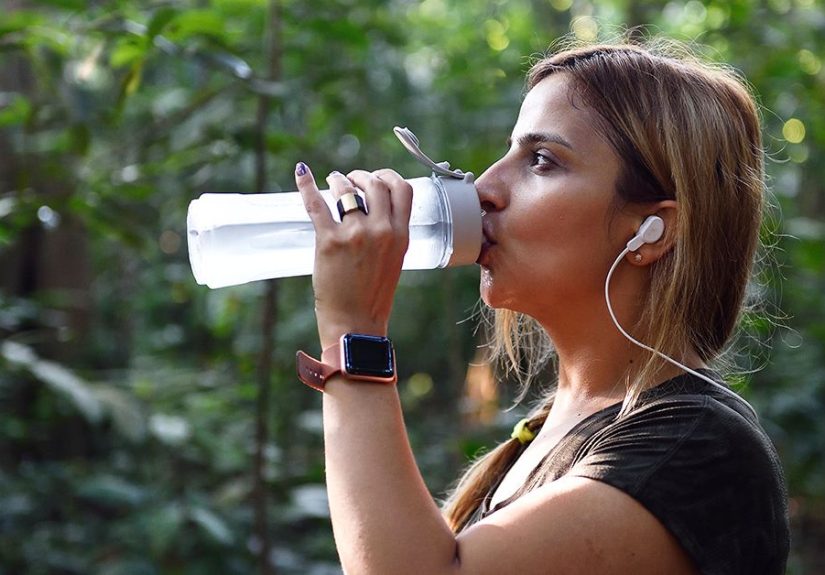
Hydrate before, during, and after
Do not wait until you are desperately thirsty and bargaining with a water fountain. Water matters before the workout starts, not just after you feel wrecked. For long or intense sessions with heavy sweating, electrolytes may also matter.[7][9]
Dress like you understand summer
Lightweight, loose-fitting, moisture-wicking, light-colored clothing helps sweat evaporate and heat escape more effectively.[6][9]
Adjust expectations
Your summer 5K pace may not match your spring pace. That is not failure. That is physiology. Let effort guide you more than ego.
Build heat tolerance gradually
Heat acclimatization typically develops over about one to two weeks of gradual exposure, not one heroic and regrettable workout.[8][10]
Stop when symptoms show up
Dizziness, chills, confusion, nausea, pounding headache, or feeling suddenly weak are not signs to “push through.” They are signs to cool down, hydrate, and get help if symptoms do not improve quickly.[5][6]
So, Should You Work Out in the Heat to Lose Weight?
Not as a primary strategy. If your main goal is fat loss, the winning formula is not “find the hottest possible place and become a human sprinkler.” The better approach is to choose forms of exercise you can perform consistently, safely, and with enough quality to keep progressing.
For many people, that means cooler conditions are actually better for calorie burn over time because they allow stronger training sessions, better recovery, and more repeatable habits. A brisk walk you can do five days a week is more useful than one scorching death march you need three business days to emotionally recover from.
That does not mean hot-weather exercise is useless. It can build resilience, improve heat tolerance, and fit naturally into an outdoor lifestyle. It just should not be treated like a secret metabolic cheat code.
Bottom Line
Do you burn more calories in the heat? Sometimes a little. But usually not enough to matter as much as people think. Heat adds strain, increases sweat, and can make exercise feel harder. At the same time, it often reduces pace, power, duration, and comfort. So the practical outcome is mixed.
The smarter takeaway is this: more sweat does not equal more fat loss. Better workouts are not the ones that leave you looking like you lost a fight with a sprinkler system. Better workouts are the ones you can do safely, repeat consistently, and recover from well.
In other words, your goal is not to roast. Your goal is to train.
Experiences People Commonly Have With Hot-Weather Workouts
A lot of people first notice the heat effect during ordinary activities, not formal training. A person who usually walks 40 minutes after lunch may suddenly find that the same route feels much harder in July. Their pace drops, their breathing changes, and they come home convinced they must have burned twice the calories because the effort felt enormous. In reality, they probably experienced a mix of higher heart rate, faster sweating, and rising fatigue. The session was definitely more stressful, but not necessarily more productive.
Runners often describe a similar surprise. A pace that feels smooth in mild weather can feel clunky and expensive in hot, humid air. The watch may show a higher heart rate, but the legs do not feel faster. That mismatch can be frustrating until they realize heat changes the cost of the workout. Once they slow down a bit, hydrate better, and run earlier in the day, the experience becomes much more manageable.
Gym-goers notice it too, especially in poorly cooled spaces. Strength sessions may feel sloppier. Rest periods seem shorter than they really are because the body is trying to cool itself the whole time. Some people mistake that heavy, sweaty feeling for a better calorie-burning workout, but often they simply end up lifting less total volume or quitting earlier than planned.
Then there is the classic post-workout scale check. Someone finishes a hot session, sees the number drop by two or three pounds, and thinks, “Aha! The heat works!” Then they drink water, eat dinner, and the weight returns like it never left. That experience teaches the most important lesson of all: rapid scale changes after sweating are usually about fluid shifts, not instant body-fat changes.
On the positive side, many people also report that gradual exposure helps. After a week or two of smart training in warmer conditions, the same walk, jog, or ride often feels less punishing. Sweating starts sooner, the body feels more efficient, and panic is replaced by rhythm. That does not mean the heat suddenly becomes easy. It just means the body learns how to handle it better.
These everyday experiences line up with the science nicely. Heat changes how exercise feels, how long you can maintain effort, and how much fluid you lose. What it does not do is turn every sweaty workout into a fat-burning miracle. Most people get the best results when they treat heat as a condition to manage, not a shortcut to chase.