Table of Contents >> Show >> Hide
- Why This Costco Garden Bed Is Getting So Much Attention
- What “Self-Watering” Actually Means
- Why Raised Beds Are Still a Winning Idea
- What You Should Grow in a Self-Watering Raised Bed
- How to Set Up the Bed the Right Way
- The Best Reasons to Buy One
- The Limitations You Should Know Before Buying
- Is It Worth It?
- Experience Corner: What It Feels Like to Use a Self-Watering Raised Garden Bed
If you have ever looked at a seed packet, looked at your schedule, and then looked back at the seed packet like it had personally offended you, Costco may have the kind of garden shortcut you have been waiting for. The warehouse retailer has drawn attention for a self-watering raised garden bed that combines two things home gardeners love: less daily fuss and a better shot at growing something edible without turning the experience into a part-time job.
At first glance, the appeal is obvious. A raised bed already gives gardeners more control over soil, drainage, and layout. Add a built-in watering reservoir, and suddenly the whole setup starts to feel less like a thirsty summer chore and more like a smart backyard upgrade. It is the sort of product that makes beginner gardeners say, “Maybe I can do this,” and experienced gardeners say, “Honestly, that would save me time.”
And that is the real magic here. This is not just about a trendy patio planter with a fancy label. It is about why self-watering raised beds fit how people actually live now: busy weekdays, hot patios, unpredictable weather, and a sincere desire to grow basil without babysitting it every six hours like it is a Victorian houseplant with dramatic tendencies.
Why This Costco Garden Bed Is Getting So Much Attention
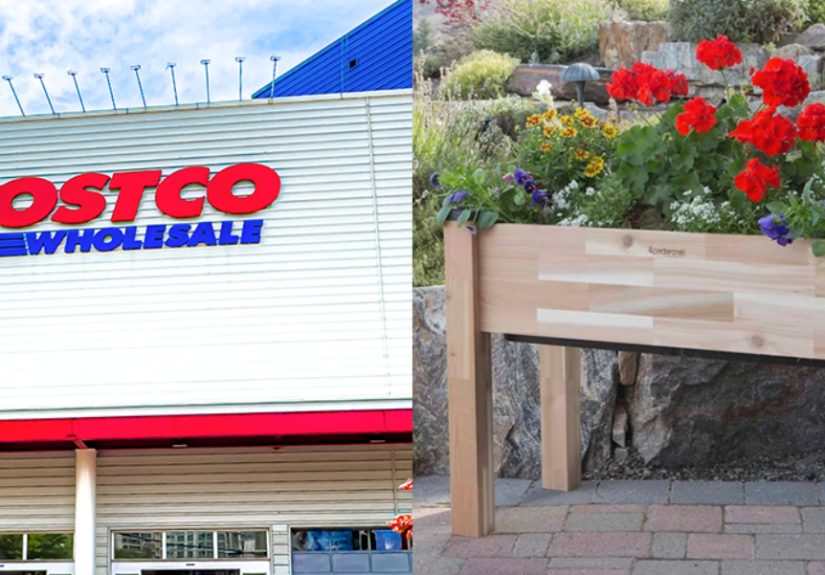
The buzz is tied to Costco’s self-watering elevated planter lineup, including a cedar-style elevated garden planter that has been highlighted as a standout seasonal gardening find. The design checks a lot of boxes at once: it is elevated for easier access, compact enough for patios and decks, and built with a reservoir system that helps supply moisture from below instead of relying only on surface watering.
That combination matters. Traditional raised beds are great, but they can dry out faster than in-ground beds, especially in warm weather or when placed on a hard surface. A self-watering design helps offset that weakness by storing water in a lower chamber and feeding it upward as the soil needs it. In plain English, that means fewer frantic hose sessions and a more stable moisture level for plant roots.
Costco shoppers are also drawn to the convenience factor. Elevated beds are easier on the back and knees, easier to fit into small outdoor spaces, and often easier to protect from some pests and foot traffic. For people growing herbs, lettuce, radishes, compact tomatoes, peppers, or patio cucumbers, that is a pretty sweet setup. It is gardening with fewer complaints from both your plants and your lower back.
The product’s popularity also says something about the moment. Home gardening is no longer just a sprawling-backyard hobby. It is now a patio hobby, a townhouse hobby, a “my outdoor space is technically three feet wide but I believe in miracles” hobby. A self-watering raised bed fits that reality perfectly.
What “Self-Watering” Actually Means
Let’s clear up one thing before anyone starts imagining a tiny robotic butler whispering encouragement to their parsley. A self-watering planter does not mean the bed creates water out of thin air, and it definitely does not mean you never have to check it. It means the planter includes a water reservoir below the soil, plus a wicking system that moves moisture upward as the growing medium dries.
This kind of setup is smart because it waters from below, where roots can access moisture more steadily. Many designs also include an overflow feature so the reservoir does not become a swamp. That helps reduce one of the classic gardener mistakes: drenching the bed from the top, assuming “more water” equals “more love,” and then accidentally creating root misery.
Self-watering systems tend to work especially well for gardeners who travel, work long hours, or simply forget to water until their basil starts looking like it has seen things. They can also help reduce moisture swings, which is useful for leafy greens, herbs, and fruiting vegetables that prefer more consistency.
Still, self-watering is not the same as no-maintenance. You will still need to refill the reservoir, monitor heat, pay attention to plant size, and use the right soil mix. Think of it as a helpful system, not a miracle loophole in the laws of horticulture.
Why Raised Beds Are Still a Winning Idea
They Give You Better Control
One of the biggest advantages of a raised bed is soil control. Instead of gambling on whatever compacted, clay-heavy, mystery-soil situation is lurking in your yard, you can fill a raised bed with a better mix from the start. That makes a huge difference in drainage, root growth, and overall plant health.
They Warm Up Faster
Raised beds also tend to warm earlier in spring, which can help gardeners get moving sooner. That matters if you are eager to plant cool-season crops such as lettuce, radishes, spinach, or kale before summer turns everything into a heat-management strategy. Earlier soil warming does not guarantee instant garden glory, but it definitely nudges the odds in your favor.
They Look Tidier
There is also the aesthetic factor. A raised bed looks intentional. It turns “random pile of dirt with optimism” into something that feels organized. On a patio or deck, that visual polish matters. The bed becomes part of the outdoor living space rather than something that looks like it was built during a highly emotional Saturday.
They Can Be Easier to Reach
Elevated and raised designs can improve accessibility, too. For older adults, busy parents, or anyone who is not eager to kneel in the dirt every evening, an elevated planter is much more inviting. If a gardening setup is easier to use, chances are much better that it will actually get used.
What You Should Grow in a Self-Watering Raised Bed
The smartest crops for a setup like this are plants that like consistent moisture, perform well in containers or shallow raised spaces, and reward you quickly enough to keep your enthusiasm alive. In other words: grow things that make you feel successful before summer chaos begins.
Great Beginner Choices
Leaf lettuce, baby kale, scallions, radishes, parsley, basil, cilantro, thyme, and chives are all excellent places to start. They are useful in the kitchen, relatively forgiving, and satisfying because they can be harvested early and often. Herbs are especially good for this kind of planter because they turn one small garden bed into a practical cooking upgrade.
Good Choices for Sunny Spots
If your bed gets at least six to eight hours of sun, you can expand into peppers, compact tomatoes, bush beans, cucumbers, and even strawberries depending on the depth and support available. Fruiting crops are more demanding, but in the right conditions they can turn a modest raised bed into a surprisingly productive little food factory.
Smart Choices for Partial Shade
If the bed sits in a spot that gets less intense sunlight, stick with leafy greens and quick crops. Lettuce, beet greens, microgreens, and radishes are better bets than sun-hungry tomatoes. This is where many gardeners go wrong: they plant summer celebrities in a shady spot and then act shocked when the harvest turns into a polite disappointment.
How to Set Up the Bed the Right Way
Start with Sun, Not Shopping Fever
Before planting anything, figure out how much sunlight your chosen location actually gets. Full-sun vegetables like tomatoes and peppers need real light, not emotional support sunlight for 90 minutes a day. Watch the area for a full day if possible. Trees, fences, and buildings can change the picture more than you think.
Use the Right Soil Mix
The fill matters as much as the bed itself. A raised bed or container-style planter should not be packed with dense yard soil. A better approach is a loose mix that includes compost and a high-quality soilless growing mix or potting blend. This keeps the structure open enough for water movement, root growth, and air circulation.
If your raised bed is on a hard surface, depth matters even more. Shallow-rooted crops can manage with less depth, but bigger plants like tomatoes, peppers, and squash need more room. A tight root zone plus summer heat is a reliable recipe for stress, and stressed plants are basically the drama club of the vegetable world.
Add Mulch on Top
Mulching the soil surface is a simple move that pays off. It helps reduce evaporation, moderates temperature swings, and can lower how often you need to refill the reservoir. Even in a self-watering system, mulch is a quiet overachiever.
Check the Reservoir Regularly
Self-watering systems reduce the frequency of watering, but they do not eliminate observation. During cooler weeks, the reservoir may last much longer. In high heat, especially with large plants in peak growth, it can empty faster than expected. The right habit is not panic-watering from above every afternoon. It is checking the system, reading the plant, and refilling when needed.
The Best Reasons to Buy One
It Makes Gardening Feel More Manageable
For beginners, this kind of product reduces a lot of friction. There is less digging, less site prep, less guesswork about moisture, and less bending. That lowers the barrier to entry in a big way. Gardening can still teach patience, but it does not need to begin with a construction project and a hydration mystery.
It Works Well in Small Spaces
A compact self-watering raised bed is ideal for patios, balconies, decks, courtyards, and side yards. Not everyone has room for multiple in-ground rows or sprawling metal beds. A single elevated planter can still grow a steady supply of herbs and salad greens, which is enough to make many cooks very happy.
It Helps with Consistency
Plants generally prefer steady moisture over dramatic cycles of drought and flooding. Self-watering designs can smooth out those extremes. That can translate to better growth, less stress, and fewer moments where your lettuce suddenly transforms from tender to tragic.
The Limitations You Should Know Before Buying
No garden product deserves a halo just because it shows up next to giant tubs of snack mix. A self-watering raised bed still has limits.
First, reservoir systems vary. Some are excellent, some are merely decent, and performance depends on the design, the soil mix, the weather, and the crops. Second, size matters. A compact elevated planter is not the same as a large, deep backyard bed. You can grow a lot in one, but you still need to match the crop to the space.
Third, even good self-watering setups can run into trouble if the growing mix is too heavy or drainage is compromised. Outdoors, overflow features help reduce overwatering risk, but soggy media can still create problems. Finally, product availability at Costco can be seasonal and inconsistent. Warehouse gardening finds have a habit of appearing like celebrities, creating excitement, and then vanishing before you finish your second coffee.
Is It Worth It?
For a lot of shoppers, yes. If you want an easier entry into edible gardening, have a small outdoor space, or like the idea of raised-bed benefits without the full DIY commitment, a self-watering Costco garden bed makes a lot of sense. It combines convenience, accessibility, and practical design in a way that suits real life.
It is especially worth considering if your goal is to grow herbs, salad greens, radishes, compact vegetables, or a few favorite summer crops with less daily maintenance. It may not replace a big backyard vegetable patch, but it does not need to. Sometimes the best garden product is the one that gets you growing in the first place.
And honestly, there is something deeply satisfying about stepping outside, snipping fresh basil, and knowing your planter has been quietly handling part of the watering situation on its own. That is not laziness. That is strategy. Elegant, delicious strategy.
Experience Corner: What It Feels Like to Use a Self-Watering Raised Garden Bed
The real selling point of a self-watering raised bed is not just the feature list. It is the lived experience. It changes the rhythm of gardening in small but meaningful ways. Instead of feeling like you are constantly chasing thirst, you start feeling like you are managing a system that actually helps you back.
Picture a typical weekday. You get home from work, the sun is still hanging around, and your patio plants are usually one surprise heat wave away from staging a protest. With a standard container setup, this is the part where you play detective: Which pot is dry? Which one is faking? Which tomato is being dramatic again? With a self-watering raised bed, the routine is calmer. You check the reservoir, glance at the foliage, maybe pinch off some basil, and move on with your evening. The bed feels less needy and more cooperative.
That is especially noticeable for people growing kitchen crops. Herbs and greens are the kinds of plants you want to harvest often, not rescue constantly. When moisture stays more even, lettuce tends to stay tender longer, herbs bounce back more predictably, and young seedlings have a better shot at settling in without wild swings in moisture. The experience is less “Please survive until Saturday” and more “Let’s make tacos and grab some cilantro.”
There is also a psychological benefit that gardeners do not talk about enough. Success builds momentum. When a beginner grows something edible in a raised self-watering bed, they usually want to try more. One thriving basil plant turns into parsley. Then lettuce. Then a pepper. Then suddenly they are explaining mulch to their neighbor with the confidence of someone who has definitely started saying things like “microclimate” on purpose.
For older gardeners or anyone dealing with limited mobility, the elevated format can be a game changer. Being able to stand comfortably while checking plants, sowing seed, or harvesting greens makes the whole hobby feel more welcoming. Gardening should not require an apology to your knees. A higher bed keeps the joy while stripping out a lot of the awkward strain.
Small-space gardeners also tend to appreciate how “finished” the planter looks. On a deck, porch, or apartment patio, a well-designed raised bed reads as furniture-meets-garden. It can make the space feel greener and more intentional without the visual clutter of several mismatched pots scattered around like they are avoiding eye contact. One raised planter can become the anchor of the whole outdoor area.
Of course, the experience is not magic. In peak summer, you still need to pay attention. A bed packed with thirsty plants in full sun can drink quickly. But even then, the job usually feels more efficient. You are topping up a system instead of scrambling from pot to pot with a hose and a guilty conscience. That difference adds up over a season.
In the end, the experience of using a self-watering raised bed is simple: it makes gardening feel more doable. More stable. More forgiving. It does not remove the need for care, but it smooths out the chaos. And for many people, that is exactly what turns gardening from a nice idea into a habit that actually lasts.
Note: Product price, exact model, and local Costco availability can change by season and warehouse.