Table of Contents >> Show >> Hide
- What Is Coconutty Rice and Peas?
- Why This Coconutty Rice and Peas Recipe Works
- Ingredients for Coconutty Rice and Peas
- How to Make Coconutty Rice and Peas
- Tips for the Best Coconutty Rice and Peas
- Common Mistakes to Avoid
- What to Serve with Coconutty Rice and Peas
- Storage and Reheating
- Recipe Variations
- Experience Notes: What Making Coconutty Rice and Peas Teaches You
- Conclusion
If comfort food had a passport, coconutty rice and peas would have a well-stamped one. It is creamy, fragrant, gently spicy, and humble in the best possible waythe kind of dish that sits quietly beside jerk chicken, curry, grilled fish, or roasted vegetables and somehow becomes the thing everyone asks about first. The name may sound like a bowl of rice with green peas, but surprise: in Jamaican and Caribbean cooking, “peas” often means beans, especially red kidney beans or pigeon peas. Yes, the dish has been tricking literal-minded grocery shoppers for years, and frankly, it is doing a fantastic job.
This coconutty rice and peas recipe is inspired by the classic Caribbean approach: rice simmered with creamy coconut milk, tender beans, thyme, garlic, scallions, allspice, and a whole Scotch bonnet or habanero pepper for aroma and gentle heat. The result is fluffy rice with a rich coconut flavor, savory depth, and a little island-style swagger. It is simple enough for a weeknight dinner but special enough to serve at a cookout, holiday table, or Sunday meal when you want your kitchen to smell like it has better vacation plans than you do.
What Is Coconutty Rice and Peas?
Coconutty rice and peas is a one-pot rice dish made with long-grain rice, coconut milk, beans, herbs, aromatics, and seasonings. It is closely related to Jamaican rice and peas, a beloved Caribbean staple often served with jerk chicken, oxtail, curry goat, brown stew chicken, escovitch fish, or plantains. The “coconutty” part comes from using coconut milk as part of the cooking liquid, giving the rice a silky texture and a lightly sweet, nutty aroma.
Traditional versions often use dried red kidney beans, which are cooked until tender before the rice is added. For a faster home-cook-friendly version, canned kidney beans or canned pigeon peas work beautifully. They save time, reduce fuss, and keep dinner from turning into a three-act drama starring a pot of beans. The key is to rinse the rice, season the cooking liquid boldly, and let the rice steam undisturbed so it becomes fluffy instead of sticky.
Why This Coconutty Rice and Peas Recipe Works
The magic of coconutty rice and peas is balance. Coconut milk brings richness, but water or broth keeps the rice from becoming too heavy. Beans add earthiness and protein, while scallions, garlic, thyme, and allspice create the signature Caribbean aroma. A whole Scotch bonnet pepper contributes fruity heat without turning the pot into a fire-breathing dragonunless you pierce it, in which case, congratulations, you have chosen adventure.
This recipe uses long-grain white rice because it cooks evenly and stays separate when properly rinsed. The coconut milk is stirred into the pot with water or broth, beans, and aromatics, then the rice is simmered gently and allowed to steam. That final resting time matters. It lets the grains finish absorbing moisture and keeps the texture light, not mushy.
Ingredients for Coconutty Rice and Peas
Main Ingredients
- 2 cups long-grain white rice, rinsed until the water runs mostly clear
- 1 can kidney beans or pigeon peas, drained and rinsed, about 15 ounces
- 1 can full-fat unsweetened coconut milk, about 13.5 ounces
- 1 1/2 cups water or low-sodium vegetable broth
- 3 scallions, sliced
- 3 garlic cloves, minced
- 1 small yellow onion, finely chopped
- 2 sprigs fresh thyme, or 1 teaspoon dried thyme
- 1 whole Scotch bonnet or habanero pepper, optional but recommended
- 1 teaspoon ground allspice
- 1 teaspoon kosher salt, plus more to taste
- 1/2 teaspoon black pepper
- 1 tablespoon butter or coconut oil
Optional Flavor Boosters
- 1 bay leaf for extra savory aroma
- 1/2 teaspoon grated ginger for brightness
- 1 teaspoon lime zest for a fresh finish
- Chopped cilantro or parsley for garnish
- A squeeze of lime juice before serving
How to Make Coconutty Rice and Peas
Step 1: Rinse the Rice
Place the rice in a fine-mesh strainer and rinse it under cool running water until the water looks mostly clear. This removes excess surface starch, which helps the grains cook up fluffy instead of clumping together like they are forming a tiny rice union.
Step 2: Sauté the Aromatics
In a medium heavy-bottomed pot, melt the butter or coconut oil over medium heat. Add the onion and cook for 3 to 4 minutes, stirring often, until softened. Add the garlic, scallions, allspice, black pepper, and ginger if using. Cook for another 30 seconds until fragrant. Do not walk away here; garlic goes from golden to “well, that happened” very quickly.
Step 3: Add Beans, Coconut Milk, and Seasonings
Stir in the drained beans, coconut milk, water or broth, thyme, bay leaf if using, and salt. Add the whole Scotch bonnet or habanero pepper. Keep the pepper whole for aroma and mild heat. If you cut or puncture it, the rice will become much spicier.
Step 4: Bring to a Gentle Boil
Increase the heat to medium-high and bring the mixture to a gentle boil. Stir once or twice to make sure the coconut milk is fully blended. Taste the liquid before adding the rice. It should be well-seasoned because the rice will absorb that flavor as it cooks.
Step 5: Add Rice and Simmer
Stir in the rinsed rice. Return the pot to a simmer, then reduce the heat to low. Cover tightly and cook for 18 to 22 minutes, or until the liquid is absorbed and the rice is tender. Avoid lifting the lid too often. Steam is doing important work in there, and it is shy.
Step 6: Rest, Fluff, and Serve
Turn off the heat and let the pot sit covered for 10 minutes. Remove the thyme stems, bay leaf, and whole pepper. Fluff the rice gently with a fork. Taste and adjust with more salt, lime juice, or fresh herbs. Serve warm.
Tips for the Best Coconutty Rice and Peas
Use Full-Fat Coconut Milk
Light coconut milk can work, but full-fat coconut milk gives the rice its signature creamy texture and rounded flavor. Shake the can well before opening. If the coconut cream has separated, stir it together before adding it to the pot.
Do Not Skip the Resting Time
Resting the rice after cooking helps the grains firm up and finish steaming. This small pause can be the difference between fluffy rice and a pot that looks like it is auditioning for porridge.
Control the Heat
A whole Scotch bonnet or habanero adds fragrance more than intense spice. For a mild dish, leave it whole and remove it before serving. For more heat, prick it once with a knife. For serious heat, chop a small piece and add it to the potbut proceed with respect. These peppers do not play recreational sports.
Choose the Right Beans
Red kidney beans are the most common choice for a classic Jamaican-style rice and peas flavor. Pigeon peas, also called gungo peas, create a slightly nuttier taste and are especially popular in many Caribbean kitchens. Canned beans are quick and convenient, while dried beans offer deeper flavor if you have time to soak and cook them.
Common Mistakes to Avoid
Using Too Much Liquid
Coconut milk is thicker than water, so the liquid ratio needs to be balanced. Too much liquid makes the rice heavy and wet. Start with the recipe amount, then adjust only if your rice variety requires more moisture.
Cooking on High Heat
Rice needs gentle heat. If the flame is too high, the bottom can scorch before the top is cooked. Use low heat, a tight lid, and patience. Your reward is rice that tastes like it knows what it is doing.
Forgetting to Season the Liquid
Rice absorbs flavor from the cooking liquid, so bland liquid means bland rice. Salt, garlic, thyme, allspice, scallions, and coconut milk should all show up before the rice goes in. Think of the liquid as the rice’s spa treatment.
What to Serve with Coconutty Rice and Peas
Coconutty rice and peas is a flexible side dish that pairs well with bold, saucy, and grilled foods. Serve it with jerk chicken, roasted chicken, grilled shrimp, curry vegetables, braised beans, barbecue tofu, fried plantains, or a simple cucumber salad. It also works as a vegetarian main dish when topped with avocado, sautéed greens, roasted sweet potatoes, or a fried egg.
For a colorful plate, add something bright and acidic. A mango salsa, lime slaw, pickled onions, or tomato-cucumber salad cuts through the richness of the coconut milk and keeps the meal lively. If the rice is the cozy blanket, the crunchy salad is the friend who opens the window.
Storage and Reheating
Let leftover coconutty rice and peas cool slightly, then refrigerate it in a shallow airtight container within two hours of cooking. Store it in the refrigerator for up to 3 to 4 days. To reheat, sprinkle with a tablespoon or two of water, cover, and warm gently in the microwave or on the stovetop until steaming hot. Avoid leaving cooked rice at room temperature for long periods, especially in warm weather.
You can also freeze coconutty rice and peas. Portion it into freezer-safe containers, cool completely, and freeze for up to 2 months for best texture. Thaw overnight in the refrigerator and reheat with a splash of water or broth to bring back moisture.
Recipe Variations
Vegan Coconutty Rice and Peas
Use coconut oil instead of butter and vegetable broth instead of chicken broth. The dish is naturally hearty, so it does not need meat to feel complete.
Extra Coconutty Rice and Peas
Replace 1/4 cup of the water with extra coconut milk for a richer result. This version is creamier and slightly sweeter, making it especially good with spicy mains.
Brown Rice Version
Brown rice takes longer to cook and needs more liquid. For best results, parboil brown rice for about 15 minutes, drain it, then finish cooking it with the coconut milk, beans, and aromatics.
Quick Weeknight Version
Use canned beans, dried thyme, garlic powder in a pinch, and pre-sliced scallions. It will not be quite as layered as the slow version, but it will still beat plain rice by a mile and a half.
Experience Notes: What Making Coconutty Rice and Peas Teaches You
The first time you make coconutty rice and peas, you may think it is just rice with beans and coconut milk. Then the pot starts steaming, thyme floats through the kitchen, garlic and scallions wake up, and suddenly everyone within sniffing distance becomes suspiciously available for dinner. That is the charm of this dish. It turns basic pantry ingredients into something that feels generous.
One of the best experiences with this recipe is learning how much flavor can come from restraint. You do not need twenty spices or a complicated sauce. A few well-chosen ingredients do the heavy lifting. Coconut milk gives body. Beans bring earthiness. Thyme adds a woodsy aroma. Allspice gives warmth. The whole chile adds that mysterious “what is that delicious smell?” quality without making the dish aggressively spicy.
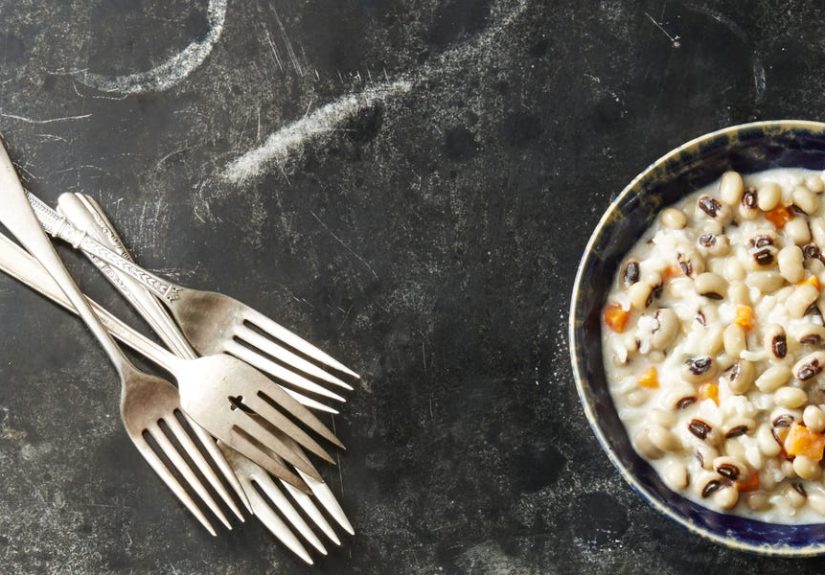
Another useful lesson is patience. Rice can sense panic. If you lift the lid every three minutes, stir too much, or crank up the heat because dinner guests are circling like polite sharks, the texture suffers. Let the pot work. Keep the heat low. Give it the final covered rest. When you finally fluff the rice, the grains should separate easily, and the beans should be tucked throughout like little creamy treasures.
This recipe is also great for building confidence in the kitchen because it rewards tasting. Before adding the rice, taste the coconut cooking liquid. Is it salty enough? Does it smell aromatic? Does it need another pinch of allspice or a little more garlic? Once you develop the habit of seasoning the cooking liquid, your rice dishes improve dramatically. Plain rice becomes better. Pilaf becomes better. Even your future soup game gets a promotion.
Coconutty rice and peas also has a way of making leftovers feel intentional. The next day, it can become a quick lunch bowl with roasted vegetables, greens, hot sauce, or grilled protein. It can sit beside fried eggs in the morning or become the base for a fast dinner when motivation is low but hunger is very much awake. The coconut flavor deepens slightly after chilling, which makes leftovers extra satisfying when reheated properly.
For gatherings, this dish is quietly brilliant. It is affordable, filling, easy to scale, and friendly to many diets. It can be vegan, gluten-free, mild, spicy, casual, or festive. Put it on the table with lime wedges and fresh herbs, and it looks like you planned the whole meal with impressive culinary wisdom. Only you need to know that the pot did most of the work while you mostly supervised and tried not to eat the garnish.
Conclusion
Coconutty rice and peas is more than a side dish. It is creamy, aromatic, practical, and deeply comforting. With coconut milk, beans, rice, thyme, scallions, garlic, and a whole chile, you can create a Caribbean-inspired recipe that feels both simple and special. The best version is fluffy, well-seasoned, lightly rich, and fragrant enough to make the kitchen smell like dinner is about to be excellent.
Whether you serve it with jerk chicken, grilled seafood, roasted vegetables, curry, or plantains, this coconutty rice and peas recipe deserves a regular spot in your meal rotation. It is budget-friendly, crowd-friendly, and leftover-friendlythe holy trinity of home cooking, plus coconut milk. Make it once, and plain rice may start filing complaints.