Table of Contents >> Show >> Hide
- Start With a Simple Whole-House Decluttering System
- Entryway: Create a Landing Strip, Not a Drop Zone Disaster
- Kitchen: Reduce Counter Clutter and Build Zones
- Living Room: Make the Most Visible Room Feel Calm
- Bedroom: Protect the Room That Protects Your Rest
- Closets: Edit First, Then Organize
- Bathroom: Win the Battle Against Tiny Clutter
- Home Office: Clear the Desk, Clear the Brain
- Laundry Room: Make the Chore Less Annoying
- Kids’ Rooms and Play Areas: Make Cleanup Easy Enough to Actually Happen
- Garage, Basement, and Storage Areas: Stop the “Just Put It There” Cycle
- Clutter-Busting Habits That Keep Every Room Under Control
- Personal Experiences: What Actually Works in Real Homes
- Conclusion
Clutter has a sneaky little talent: it never arrives wearing a villain cape. It shows up as one receipt on the kitchen counter, one hoodie on a chair, one “I’ll deal with it later” box in the hallway. Then, suddenly, your home looks like it is auditioning for a reality show called Storage Unit With Wi-Fi. The good news? You do not need a perfect house, a professional organizer on speed dial, or a dramatic weekend where every drawer is emptied onto the floor like a crime scene.
The best clutter-busting strategies are practical, repeatable, and customized for how real people live. A busy kitchen needs different systems than a bedroom. A bathroom needs tiny-item control. A living room needs visual calm. An entryway needs a landing zone because keys, shoes, backpacks, mail, and mystery cables all believe they deserve to live there rent-free.
This room-by-room guide will help you declutter your home without turning the process into a second job. You will find specific ideas for the entryway, kitchen, living room, bedroom, bathroom, closets, laundry room, home office, kids’ spaces, garage, and storage zones. The goal is not sterile perfection. The goal is a home that works better, feels lighter, and no longer makes you whisper, “Please don’t open that cabinet.”
Start With a Simple Whole-House Decluttering System
Before marching into each room with a trash bag and heroic optimism, set up a system. Clutter is not just “too much stuff.” It is often delayed decision-making. That pile of mail is a stack of decisions. The overflowing closet is a collection of “maybe someday.” The junk drawer is where batteries, takeout menus, and emotional avoidance gather for meetings.
Use the Four-Box Method
For every room, prepare four containers or labeled zones:
- Keep: Items used, loved, or truly needed.
- Donate or Sell: Items in good condition that no longer serve you.
- Trash or Recycle: Broken, expired, worn-out, or unusable items.
- Relocate: Items that belong in another room.
The relocate box is especially important. Without it, you will wander from room to room putting things away and accidentally begin six new projects. Stay in one space. Finish one zone. Then return relocated items at the end.
Declutter Before Buying Storage
Storage bins are wonderful. They are also dangerous little rectangles of false hope. Buying containers before decluttering can turn clutter into organized clutter, which is still clutter, just wearing a cute label. First, reduce what you own. Then choose storage based on what remains.
Keep Some Empty Space
A drawer, shelf, cabinet, or closet should not be packed like a suitcase before a holiday weekend. Leave breathing room. When storage is completely full, daily maintenance becomes difficult. Empty space is not wasted space; it is what keeps a system functional.
Entryway: Create a Landing Strip, Not a Drop Zone Disaster
The entryway is the first place clutter attacks because it handles transitions. People come in tired, hungry, distracted, and possibly carrying three bags plus a coffee cup they forgot was empty. If there is no clear system, everything lands wherever gravity wins.
Give Every Daily Item a Home
Install hooks for bags, coats, and keys. Add a shoe rack, basket, or cubby for everyday footwear. Use a small tray for wallets, sunglasses, and loose change. If children use the space, give each child a labeled hook or bin. Personal zones reduce the classic household mystery: “Whose backpack is blocking the door?”
Control Mail Immediately
Mail becomes clutter when it is allowed to sit and develop confidence. Place a small sorter near the entry with categories such as “Action,” “File,” and “Recycle.” Junk mail should never make it past the doorway. If possible, recycle it immediately. Bills, school forms, and invitations should go into one visible action spot so they do not disappear beneath a grocery flyer from three weeks ago.
Limit Shoes and Outerwear
Keep only the current season’s most-used shoes and jackets near the door. Store occasional footwear and off-season coats elsewhere. An entryway is not a museum of every sneaker your household has ever loved.
Kitchen: Reduce Counter Clutter and Build Zones
The kitchen attracts clutter because it is part workspace, part storage area, part social hub, and part snack headquarters. A clutter-free kitchen does not require empty counters, but it does require clear zones and honest editing.
Clear the Counters First
Start with visible surfaces. Remove anything that does not support daily cooking, cleaning, or eating. Keep frequently used appliances accessible, but question the ones that only get used during a lunar eclipse. If the waffle maker appears twice a year, it probably does not need premium counter real estate.
Create Functional Zones
Group items by task:
- Cooking zone: Oils, spices, utensils, pots, and pans near the stove.
- Prep zone: Cutting boards, knives, mixing bowls, and measuring cups near a clear work surface.
- Cleaning zone: Dish soap, towels, scrubbers, and trash bags near the sink.
- Breakfast or beverage zone: Mugs, coffee, tea, cereal, and toaster items together.
Zones reduce unnecessary movement and make cleanup easier because similar items return to the same area.
Declutter Cabinets and Drawers
Pull out one drawer or cabinet at a time. Remove duplicates, broken tools, warped containers, missing lids, and specialty gadgets you do not use. Most kitchens do not need seven spatulas unless you are running a pancake emergency hotline.
Tame the Pantry
Empty one shelf, check expiration dates, wipe the surface, and group food by category. Use bins for snacks, baking supplies, breakfast items, canned goods, and dinner staples. Place older items toward the front so they get used first. Labeling helps everyone find things and, more importantly, return them to the right place.
Living Room: Make the Most Visible Room Feel Calm
The living room should support relaxation, conversation, entertainment, and sometimes a nap so good it feels like a spa treatment. But because it is used by everyone, it often collects remote controls, books, blankets, toys, chargers, cups, and abandoned socks that nobody claims.
Use the One-Surface Rule
Choose one surface, such as the coffee table or media console, that stays mostly clear. This creates instant visual calm. If your living room is small, keeping just one major surface clutter-free can make the entire room feel more spacious.
Add Closed Storage
Baskets, ottomans with hidden compartments, cabinets, and lidded boxes are powerful tools for living rooms. Open shelves can look beautiful, but they also display every stray object like a tiny public announcement. Closed storage lets you keep blankets, games, toys, and electronics nearby without creating visual noise.
Do a Nightly Reset
Spend five to ten minutes each evening returning cups to the kitchen, folding blankets, collecting toys, and putting remote controls in one spot. This small habit prevents the living room from becoming a clutter compost pile by Friday.
Bedroom: Protect the Room That Protects Your Rest
A bedroom is supposed to help you rest, but clutter can make it feel like your to-do list learned how to decorate. Clothes on chairs, crowded nightstands, and overstuffed drawers all send subtle signals that something needs attention.
Start With Clothing Hot Spots
The famous “clothes chair” deserves compassion, but also boundaries. Add hooks, a valet stand, or a small basket for items that are worn once but not ready for laundry. Make the system realistic. If you know you will not hang up every pair of jeans after work, create an easier option that still looks tidy.
Simplify Nightstands
A nightstand should support sleep, not store every object you touched after 9 p.m. Keep essentials only: lamp, book, water, glasses, medication if needed, and maybe a small tray. Remove old receipts, hair ties, chargers that belong elsewhere, and the three lip balms you keep losing because they are all hiding together.
Use Under-Bed Storage Wisely
Under-bed storage is helpful for seasonal clothes, extra linens, or rarely used items, but it should not become a shadowy kingdom of forgotten stuff. Use clear, labeled, or easy-slide containers so items stay visible and protected.
Closets: Edit First, Then Organize
Closets become overwhelming because they hide clutter extremely well. A closet can look fine from the outside while quietly containing old shoes, mystery bags, tangled scarves, and clothes from a version of you who had different plans.
Ask Better Keep-or-Go Questions
Instead of only asking, “Do I like this?” ask:
- Does it fit my current body and lifestyle?
- Have I worn or used it in the past year?
- Would I buy it again today?
- Is it comfortable, useful, or meaningful?
- Would I pack it if I were moving?
These questions cut through guilt and fantasy. You are organizing your real life, not an imaginary lifestyle where you attend garden parties every Thursday.
Use Matching Hangers and Shelf Dividers
Slim, matching hangers save space and make clothing easier to scan. Shelf dividers keep stacks of sweaters, jeans, or bags from leaning into chaos. Clear bins or labeled boxes are useful for accessories, seasonal pieces, and special-occasion items.
Keep a Donation Bag in the Closet
When you try something on and realize it is uncomfortable, outdated, or no longer your style, place it directly in the donation bag. Do not return it to the closet for another six-month round of emotional negotiations.
Bathroom: Win the Battle Against Tiny Clutter
Bathrooms collect small items at alarming speed: sample bottles, expired sunscreen, half-used lotions, duplicate razors, mystery hotel soaps, and cosmetics that may have witnessed several presidential administrations. Because bathrooms are usually small, even a little clutter looks like a lot.
Check Expiration Dates
Discard expired medications, old makeup, dried-out products, empty containers, and items that caused irritation. Keep daily products easiest to reach and move occasional items to less-prime storage.
Use Vertical and Under-Sink Storage
Add stackable drawers, shelf risers, door organizers, or clear bins under the sink. Group products by category: hair care, skin care, dental care, first aid, travel items, and backups. Avoid keeping too many duplicates unless you have a clear backstock area.
Reset the Counter
A bathroom counter should not have to hold every product you own. Use a tray for daily items and store the rest. The tray creates a visual boundary: when it overflows, it is time to edit.
Home Office: Clear the Desk, Clear the Brain
A cluttered workspace can make simple tasks feel heavier. Papers, cords, notes, and random office supplies create visual noise that competes with focus. Your home office does not need to look like a magazine spread, but it should help you start work without excavating your keyboard.
Create a Paper Flow
Use three paper categories: action, file, and shred or recycle. Important papers should not live in random piles. Set a weekly appointment to process documents, pay bills, scan records, and discard what is no longer needed.
Control Cords and Tech Accessories
Use cable clips, labeled cords, a charging station, or a small tech drawer. Recycle broken electronics responsibly and remove duplicate cables you cannot identify. If a cord has not matched a device since 2018, it may be time for a goodbye ceremony.
Keep Only Active Projects on the Desk
Your desk should support current work. Store reference materials, archived files, and extra supplies elsewhere. A clear desk at the end of the day creates a smoother start tomorrow.
Laundry Room: Make the Chore Less Annoying
The laundry room often becomes a holding area for cleaning products, unmatched socks, pet supplies, bulk purchases, and items nobody knows where to put. A simple system can make laundry feel less like a punishment invented by socks.
Sort by Function
Create zones for detergent, stain treatment, dryer items, cleaning cloths, hang-dry supplies, and household extras. Use bins or shelves so products do not spread across machines and counters.
Add a Lost-and-Found Bin
Use one small container for coins, buttons, hair clips, and lonely socks. Empty it regularly. Do not let the sock bin become a retirement home for knitwear with commitment issues.
Fold or Hang Immediately
If clean laundry sits too long, it becomes furniture. Add a hanging rod, folding surface, or labeled baskets for each household member. The faster clean clothes leave the laundry room, the less clutter builds up.
Kids’ Rooms and Play Areas: Make Cleanup Easy Enough to Actually Happen
Children’s spaces need systems that are simple, visible, and reachable. If cleanup requires perfect folding, hidden containers, or advanced label-reading skills, the system will fail before bedtime.
Use Broad Categories
Instead of creating tiny categories for every toy type, use broad bins: blocks, cars, dolls, art supplies, stuffed animals, dress-up clothes, and books. Picture labels work well for younger children.
Rotate Toys
Too many toys at once can overwhelm kids and adults. Store some toys away and rotate them every few weeks. Fewer choices often lead to better play and faster cleanup.
Set a Five-Minute Family Reset
Make cleanup short and routine. Set a timer, play one energetic song, and have everyone return items to their homes. The goal is not perfection. The goal is preventing tomorrow from starting with a plastic dinosaur under your foot.
Garage, Basement, and Storage Areas: Stop the “Just Put It There” Cycle
Garages, basements, attics, and storage closets often become the final destination for undecided items. Because these spaces are out of sight, they can collect years of “maybe,” “later,” and “I forgot we owned that.”
Divide the Space Into Zones
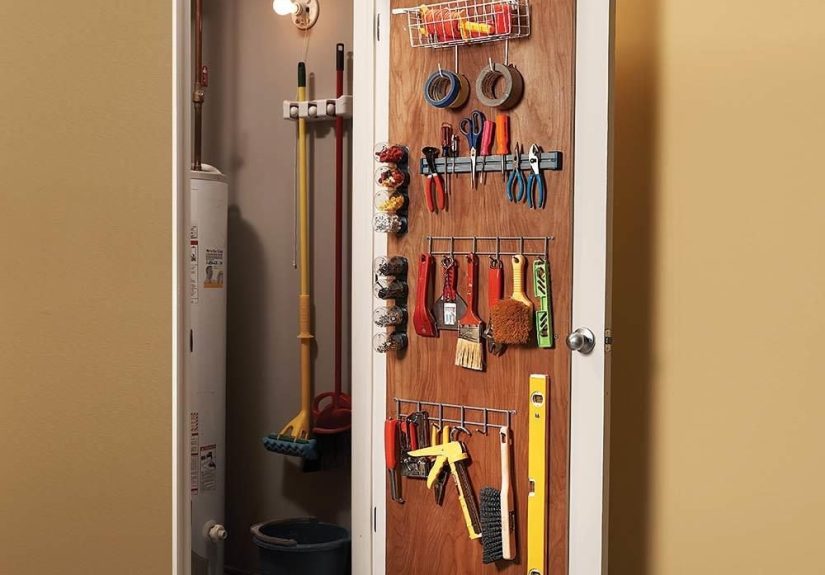
Create clear areas for tools, sports gear, holiday decorations, gardening supplies, outdoor equipment, donations, and bulk household goods. Use shelves, wall hooks, pegboards, and labeled bins to keep items visible and accessible.
Get Items Off the Floor
Floor clutter makes storage areas difficult to clean and navigate. Vertical storage is your friend. Wall-mounted racks, ceiling storage, and sturdy shelving can transform a chaotic garage into a functional workspace.
Schedule Seasonal Reviews
Review storage areas at least twice a year. If you did not use seasonal decorations, sports gear, or outdoor items during the last relevant season, decide whether they still deserve storage space.
Clutter-Busting Habits That Keep Every Room Under Control
Decluttering is not a one-time event. It is a set of small habits that prevent clutter from staging a comeback tour. Once each room has a basic system, maintenance becomes much easier.
Try the 10-10 Method
Pick one area and remove or return 10 items in 10 minutes. This method works because it is quick, clear, and surprisingly satisfying. Use it for a junk drawer, bathroom cabinet, pantry shelf, nightstand, or car interior.
Follow the One-In, One-Out Rule
When something new enters your home, something similar leaves. Buy a new sweater, donate one you no longer wear. Bring in new mugs, release the chipped ones. This habit keeps your home from slowly expanding its inventory like a small department store.
Do a Weekly Donation Drop
Keep a donation box or bag in a closet, laundry room, or garage. When it is full, take it out of the house. The key is not letting donations sit around so long they become part of the decor.
Make Decisions at the Point of Contact
When you touch an item, decide where it goes. Put it away, recycle it, donate it, or place it in an action spot. The phrase “I’ll put it here for now” is how clutter gets its driver’s license.
Personal Experiences: What Actually Works in Real Homes
The most useful clutter-busting lessons often come from ordinary daily life, not dramatic makeovers. One of the biggest lessons is that clutter usually returns when the system is too complicated. A beautifully arranged pantry with seven kinds of matching containers looks impressive, but if no one in the household wants to decant cereal at 10 p.m., the system collapses. The best system is the one people will actually use when they are tired.
In kitchens, the most successful strategy is often clearing one reliable work surface. When at least one counter stays open, cooking feels less stressful. Even if a few items remain elsewhere, one clean prep zone changes the whole mood of the room. It also makes it easier to notice what does not belong. A screwdriver on a clear counter looks obviously lost; a screwdriver on a crowded counter becomes “kitchen hardware,” apparently.
In bedrooms, the turning point is usually creating a realistic place for in-between clothes. Many people have clothing that is not clean enough for the drawer but not dirty enough for the hamper. Without a system, those clothes land on a chair. A row of hooks, a small basket, or a designated shelf can solve the problem without pretending everyone will behave like a boutique employee.
For bathrooms, the biggest improvement often comes from removing expired and unused products. It is easy to keep lotions, samples, and half-empty bottles because they seem small. But small clutter multiplies quickly. Once the old products are gone, the bathroom instantly feels cleaner, even before buying a single organizer.
In living rooms, baskets are lifesavers, especially in homes with kids, pets, hobbies, or people who enjoy blankets with the seriousness of a competitive sport. A basket near the sofa can hold throws, toys, books, or gaming accessories. The trick is to keep baskets specific. If every basket becomes a miscellaneous basket, you have simply created portable junk drawers.
Home offices tend to improve when paper is handled weekly instead of emotionally avoided for months. A single action tray can prevent paperwork from spreading across the desk. The rule is simple: if a paper requires action, it goes in the tray; if it needs storage, it gets filed; if it is no longer useful, it leaves. This turns paper from a scary mountain into a manageable routine.
The garage or storage area often needs a different mindset: visibility matters more than beauty. Clear bins, big labels, sturdy shelves, and wall hooks work better than fancy hidden storage. When people can see what they own, they are less likely to buy duplicates. This is how you stop discovering three tape measures, four extension cords, and enough light bulbs to illuminate a minor league baseball stadium.
The most important experience-based tip is to start small enough that finishing is easy. A drawer, a shelf, a nightstand, or one corner of a room can create momentum. Big projects are tempting, but they can also create burnout. Small wins build confidence. Once one area works better, you naturally want to fix the next one.
Finally, a clutter-free home is not a home where nothing is ever out of place. That is called a furniture showroom, and nobody is doing homework there. A livable home will always have movement, projects, laundry, groceries, hobbies, and daily mess. The goal is to create systems that make recovery easy. When every item has a home, cleanup becomes a reset instead of a rescue mission.
Conclusion
Clutter-busting strategies work best when they match the room, the people, and the rhythm of daily life. The entryway needs landing zones. The kitchen needs clear counters and practical zones. The living room needs visual calm. The bedroom needs restful surfaces and realistic clothing systems. Bathrooms need tiny-item control. Offices need paper flow. Storage spaces need labels, shelves, and seasonal reviews.
You do not have to declutter your entire home in one heroic weekend. Start with the room that bothers you most or the space that will give you the fastest win. Remove what does not belong, group what remains, give every item a home, and create small habits that keep clutter from creeping back. Your home does not need to be perfect. It just needs to stop hiding your keys.