Table of Contents >> Show >> Hide
- What Makes a Potato Salad “Classic”?
- Ingredients for Classic Potato Salad
- Best Potatoes for Potato Salad
- How to Make Classic Potato Salad
- Classic Potato Salad Recipe Card
- Tips for the Best Potato Salad
- Easy Variations
- What to Serve With Classic Potato Salad
- How to Store Potato Salad Safely
- Common Potato Salad Mistakes to Avoid
- Frequently Asked Questions
- Experience Notes: What I Learned Making Classic Potato Salad Again and Again
- Conclusion
- SEO Tags
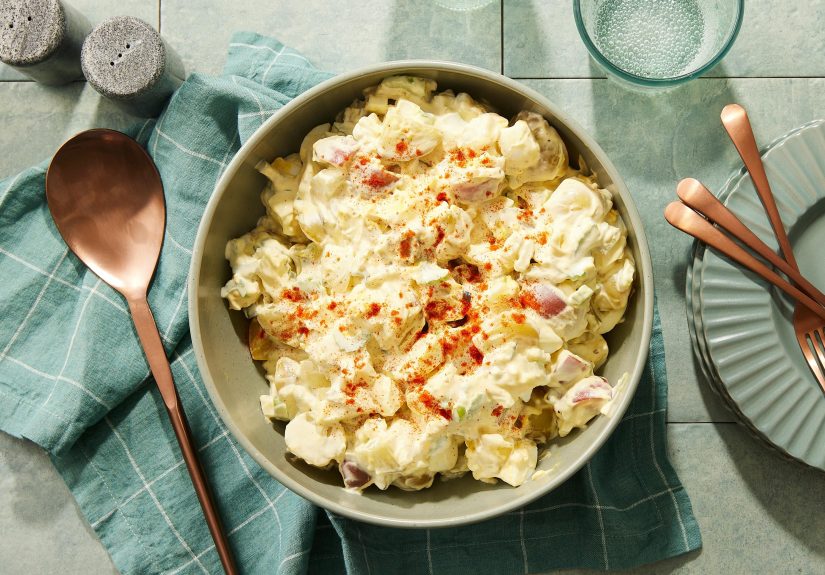
Classic potato salad is the side dish that somehow manages to show up everywhere: backyard barbecues, church picnics, Fourth of July tables, Sunday suppers, and that one potluck where everyone pretends they are “just bringing something small” and then arrives with enough food to feed a marching band. Creamy, tangy, cool, and comforting, this old-fashioned potato salad recipe is the kind of dish that disappears quietly from the serving bowl while the grilled burgers are still getting their dramatic smoke moment.
The beauty of a classic potato salad recipe is that it does not need luxury ingredients or fussy techniques. You need tender potatoes, a balanced mayonnaise-based dressing, crunchy celery, a little onion, hard-boiled eggs, mustard, pickles or relish, and enough seasoning to wake everything up. That last part matters. Cold potatoes can be a little shy, flavor-wise, so this recipe uses vinegar, mustard, salt, pepper, and pickle tang to make every bite bright instead of bland.
This version is built for real life. It is creamy but not gluey, flavorful but not overpowering, and sturdy enough for cookouts, meal prep, holidays, or a Tuesday dinner when your main dish needs a dependable best friend. Think of it as the potato salad your grandmother might approve of, with a few smart modern tricks that keep the texture just right.
What Makes a Potato Salad “Classic”?
A classic American potato salad usually has a creamy dressing, soft but not mushy potatoes, hard-boiled eggs, celery, onion, mustard, and a pickle element. Some families add sweet relish. Others swear by dill pickles. Some use yellow mustard for old-school flavor, while others reach for Dijon for a sharper finish. There is no single official potato salad constitution, and honestly, that is probably for the best.
What matters most is balance. The potatoes should taste seasoned all the way through, the dressing should be creamy with enough tang, and the mix-ins should add crunch without turning the salad into a vegetable drawer reunion. This recipe keeps the ingredient list familiar but gives each component a job.
Ingredients for Classic Potato Salad
Main Ingredients
- 3 pounds Yukon Gold or russet potatoes, peeled if desired and cut into 3/4-inch chunks
- 1 tablespoon kosher salt, for boiling water, plus more to taste
- 2 tablespoons apple cider vinegar, divided
- 4 large hard-boiled eggs, chopped
- 2 celery stalks, finely chopped
- 1/3 cup finely chopped red onion or sweet onion
- 1/3 cup chopped dill pickles or sweet pickle relish
- 2 tablespoons chopped fresh parsley or dill, optional but highly recommended
- Paprika, for garnish
Creamy Dressing
- 3/4 cup mayonnaise
- 1/4 cup sour cream, or more mayonnaise if preferred
- 1 tablespoon yellow mustard
- 1 tablespoon Dijon mustard
- 1 tablespoon pickle juice
- 1 teaspoon sugar, optional, for balance
- 1/2 teaspoon celery seed, optional
- 1/2 teaspoon black pepper
- Salt to taste
Best Potatoes for Potato Salad
Yukon Gold potatoes are a fantastic choice for creamy potato salad because they hold their shape while still tasting buttery and tender. Russet potatoes create a softer, fluffier salad and absorb dressing beautifully, but they can break apart if overcooked. Red potatoes are also excellent, especially if you like a firmer bite and want to leave the skins on.
For the most classic texture, Yukon Golds are the sweet spot. They are sturdy enough to survive mixing but tender enough to feel rich and comforting. If you use russets, keep a close eye on the cooking time so the salad does not accidentally become mashed potato salad wearing a disguise.
How to Make Classic Potato Salad
Step 1: Cook the Potatoes
Place the cut potatoes in a large pot and cover them with cold water by about 1 inch. Add 1 tablespoon of kosher salt. Starting potatoes in cold water helps them cook evenly from edge to center. Bring the water to a gentle boil, then reduce the heat and simmer for 10 to 15 minutes, or until the potatoes are tender when pierced with a fork.
Do not let the potatoes boil aggressively. A rolling boil can knock the chunks around and make the edges crumble too much. You want tender potatoes, not potato confetti.
Step 2: Drain and Season While Warm
Drain the potatoes well and spread them on a baking sheet or large plate for a few minutes so excess steam can escape. While they are still warm, sprinkle them with 1 tablespoon of apple cider vinegar and a small pinch of salt. This simple step gives the potatoes flavor before the dressing goes on.
Warm potatoes absorb seasoning better than cold potatoes. This is one of those tiny kitchen moves that makes people ask, “Why is this so good?” You can smile mysteriously and say, “Family secret,” even if the family secret is vinegar.
Step 3: Make the Dressing
In a large mixing bowl, whisk together mayonnaise, sour cream, yellow mustard, Dijon mustard, pickle juice, the remaining tablespoon of apple cider vinegar, sugar if using, celery seed, black pepper, and a pinch of salt. Taste the dressing before adding the potatoes. It should be slightly bold because the potatoes will mellow it out.
If the dressing tastes flat, add more vinegar or pickle juice. If it tastes too sharp, add a little more mayonnaise or a tiny pinch of sugar. Potato salad dressing should be creamy, tangy, savory, and just a little lively.
Step 4: Add the Mix-Ins
Add the chopped eggs, celery, onion, pickles or relish, and herbs to the bowl with the dressing. Stir gently to combine. The eggs add richness, celery brings crunch, onion adds bite, and pickles provide the tang that keeps the salad from feeling heavy.
If you prefer a milder onion flavor, soak the chopped onion in cold water for 10 minutes, then drain it well before adding. This softens the sharpness while keeping the crunch.
Step 5: Fold in the Potatoes
Add the warm or room-temperature potatoes to the dressing mixture. Use a rubber spatula to fold everything together gently. Some potato edges will break down, and that is a good thing. Those soft edges help thicken the dressing and make the salad taste homemade in the best possible way.
Avoid stirring too aggressively. Potato salad should look rustic and creamy, not beaten into submission.
Step 6: Chill Before Serving
Cover the bowl and refrigerate the potato salad for at least 2 hours before serving. Overnight is even better. Chilling gives the flavors time to mingle, settle in, and become the side dish equivalent of a well-rehearsed choir.
Before serving, taste again and adjust with more salt, pepper, mustard, pickle juice, or herbs. Cold dishes often need a final seasoning check because chilling can soften flavors.
Classic Potato Salad Recipe Card
Prep Time
20 minutes
Cook Time
15 minutes
Chill Time
2 hours
Total Time
2 hours 35 minutes
Servings
8 servings
Tips for the Best Potato Salad
Season the Potatoes Early
Potatoes need seasoning before they meet the dressing. Adding vinegar and salt while the potatoes are warm gives the inside of each piece a better flavor. If you only season the dressing, the salad may taste creamy on the outside and plain in the middle.
Do Not Overcook the Potatoes
The potatoes should be fork-tender but not falling apart in the pot. Check them early. Different potato varieties and chunk sizes cook at different speeds, so the fork test is more reliable than the clock.
Use Both Yellow and Dijon Mustard
Yellow mustard gives the salad that familiar deli-style flavor, while Dijon adds depth and gentle sharpness. Together, they make the dressing taste classic but not one-dimensional.
Chill, Then Taste Again
Potato salad changes as it chills. The potatoes absorb dressing, the onion mellows, and the flavors blend. Always taste before serving and adjust if needed. A splash of pickle juice can rescue a sleepy potato salad faster than a cup of coffee rescues a Monday morning.
Easy Variations
Southern-Style Potato Salad
Use sweet pickle relish, yellow mustard, chopped hard-boiled eggs, and a small pinch of sugar. For extra Southern charm, garnish with paprika and sliced eggs on top.
Dill Pickle Potato Salad
Use chopped dill pickles, fresh dill, and extra pickle juice in the dressing. This version is bright, briny, and especially good with grilled chicken or burgers.
Bacon Potato Salad
Add 6 slices of cooked, crumbled bacon just before serving. Bacon brings smoky crunch, but add it late so it does not soften too much in the refrigerator.
Lighter Potato Salad
Replace half of the mayonnaise with Greek yogurt or sour cream. The result is still creamy, but it has a tangier, fresher finish.
Herby Potato Salad
Add chopped parsley, dill, chives, or scallions. Fresh herbs make the salad taste brighter and more garden-fresh without changing its classic personality.
What to Serve With Classic Potato Salad
Classic potato salad is a natural partner for grilled and picnic-style foods. Serve it with hamburgers, hot dogs, barbecue chicken, ribs, pulled pork sandwiches, fried chicken, baked beans, corn on the cob, coleslaw, or grilled vegetables. It also works well with simple weeknight dinners like roasted chicken, ham, turkey sandwiches, or pan-seared sausages.
For a summer cookout menu, pair this creamy potato salad with grilled burgers, watermelon wedges, iced tea, and a crisp green salad. For a holiday table, serve it alongside deviled eggs, baked ham, rolls, and roasted vegetables. It is flexible, friendly, and very good at making the main dish look more impressive than it actually was.
How to Store Potato Salad Safely
Store potato salad in an airtight container in the refrigerator for up to 3 to 4 days. Keep it cold until serving. At outdoor gatherings, do not leave potato salad sitting out for more than 2 hours, or more than 1 hour if the temperature is above 90°F. A serving bowl set over ice can help keep it chilled during warm-weather meals.
Freezing potato salad is not recommended. Mayonnaise-based dressing can separate after thawing, and potatoes often become watery or grainy. Potato salad is at its best fresh from the refrigerator, preferably after a proper chill and a final seasoning check.
Common Potato Salad Mistakes to Avoid
Using Undersalted Water
If the cooking water is bland, the potatoes will be bland. Salt the water generously so the potatoes have flavor before dressing is added.
Adding Dressing to Wet Potatoes
After draining, let the potatoes steam-dry for a few minutes. Excess water can thin the dressing and make the salad taste washed out.
Skipping the Acid
Potato salad needs vinegar, pickle juice, mustard, or a combination of all three. Without acidity, the dressing can taste heavy and dull.
Serving It Immediately
You can eat potato salad right away, but it tastes much better after chilling. Give it time, and the reward is a deeper, more balanced flavor.
Frequently Asked Questions
Can I Make Potato Salad the Day Before?
Yes. In fact, classic potato salad often tastes better the next day because the flavors have time to blend. Make it up to 24 hours ahead, store it covered in the refrigerator, and stir gently before serving.
Should Potato Salad Be Served Cold or Room Temperature?
Potato salad is usually served chilled. You can let it sit briefly at room temperature before serving, but it should not stay out too long for food safety reasons.
Can I Leave the Potato Skins On?
Yes. Thin-skinned potatoes like Yukon Gold or red potatoes can be cooked with the skins on. The skins add texture and a rustic look. If using russets, peeling is usually better because the skins can be thicker.
Why Is My Potato Salad Watery?
Watery potato salad usually happens when potatoes are overcooked, not drained well, or mixed while still too wet. Let the potatoes steam-dry after draining, and avoid adding dressing until excess moisture has evaporated.
How Do I Fix Bland Potato Salad?
Add salt first, then a splash of pickle juice or apple cider vinegar. A little more mustard, chopped herbs, or black pepper can also help. Make small adjustments and taste as you go.
Experience Notes: What I Learned Making Classic Potato Salad Again and Again
The first thing I learned about classic potato salad is that everyone has an opinion. Ask five people what belongs in it, and suddenly you are hosting a town hall meeting with mayonnaise. Some people want sweet relish. Some want dill pickles. Some insist on eggs. Some believe onion should only appear if it has filled out the proper paperwork. The good news is that potato salad is forgiving. Once you understand the basic structure, you can adjust it to fit your table.
One of the biggest improvements I have found is seasoning the potatoes while they are warm. This sounds small, but it changes the entire dish. When hot potatoes get a little vinegar and salt, they soak up flavor instead of just wearing dressing on the surface. The result tastes deeper and more complete. It is the difference between a salad that makes people nod politely and one that makes them return with a suspiciously large second helping.
I have also learned not to rush the chilling time. Freshly mixed potato salad can taste good, but chilled potato salad tastes finished. The dressing thickens, the mustard softens, the onion calms down, and the potatoes become more flavorful. If you are making this for a party, prepare it the night before. Your future self will be grateful, especially if party day already includes cleaning the patio, finding the cooler, and wondering why there are never enough serving spoons.
Texture is another detail that matters more than people think. The best classic potato salad has a mix of creamy and crunchy elements. The potatoes should be tender, the eggs should be soft and rich, and the celery and pickles should bring a crisp contrast. If everything is soft, the salad feels heavy. If the potatoes are undercooked, every bite feels like a tiny disappointment. Aim for fork-tender potatoes with edges that break down just slightly when folded into the dressing.
When making potato salad for a crowd, I like to keep the flavor familiar but not boring. A little Dijon mustard adds sophistication without making the salad taste fancy in a way nobody asked for. Fresh dill or parsley adds color and freshness. Pickle juice is the secret weapon because it gives the dressing instant brightness. If the salad tastes rich but not exciting, pickle juice usually fixes it.
Another practical lesson: always make slightly more than you think you need. Potato salad has a way of vanishing. People take a spoonful “just to taste,” then another spoonful because it goes well with the burger, then one last spoonful because the bowl is already out. Leftovers are useful too. A scoop of cold potato salad next to a sandwich the next day is one of life’s quiet little victories.
Finally, classic potato salad is less about perfection and more about comfort. It is not trying to be trendy. It does not need edible flowers, dramatic plating, or a backstory involving a mountain village. It simply needs to be creamy, tangy, well-seasoned, and made with enough care that the potatoes taste like they were invited to the party on purpose. That is the charm of this recipe: humble ingredients, smart technique, and a final dish that feels like summer, family, and second helpings.
Conclusion
A classic potato salad recipe should be creamy, tangy, tender, crunchy, and easy enough to make without turning the kitchen into a competitive cooking show. By choosing the right potatoes, seasoning them while warm, balancing mayonnaise with mustard and vinegar, and giving the salad time to chill, you can make a reliable side dish that works for cookouts, holidays, potlucks, and everyday dinners.
This recipe keeps the traditional flavor people love while using smart steps that improve texture and taste. Serve it cold, garnish it with paprika and herbs, and watch it become the bowl everyone casually drifts toward. Potato salad may not be flashy, but when it is done right, it is the side dish that quietly steals the picnic.
SEO Tags
Note: This article is written in original, publish-ready HTML body format and is based on widely accepted American cooking methods, recipe testing practices, and food safety guidance for creamy potato salad.