Table of Contents >> Show >> Hide
- What Does “Baby Watering Eyes” Mean?
- Common Causes of Baby Watering Eyes
- How to Tell the Difference Between a Blocked Tear Duct and Eye Infection
- Safe Home Care for Baby Watering Eyes
- Medical Treatments for Baby Watering Eyes
- When to Call the Doctor Immediately
- How to Prevent Baby Eye Irritation and Infection
- Parent Experiences: What Baby Watering Eyes Can Look Like in Real Life
- Conclusion
Few things can make a parent panic faster than seeing a baby’s eye suddenly turn watery, sticky, red, or crusty. One minute your little one looks like a peaceful marshmallow in pajamas; the next, one eye is producing enough moisture to audition for a tiny soap opera. The good news? In many babies, watering eyes are common, treatable, and often not dangerous. The less fun news? Some causes do need medical attention, especially in newborns.
Baby watering eyes can happen for several reasons, including a blocked tear duct, conjunctivitis, allergies, irritation, a cold, or, rarely, a more serious eye condition. The key is learning what the symptoms are telling you. Is the eye watery but not red? Is there yellow-green discharge? Are both eyes affected? Is the baby rubbing the eye, acting uncomfortable, or showing fever? These details help parents decide whether simple home care is enough or whether it is time to call the pediatrician.
This guide explains the most common causes of watery eyes in babies, how doctors usually treat them, what you can safely do at home, and which warning signs should never be ignored.
What Does “Baby Watering Eyes” Mean?
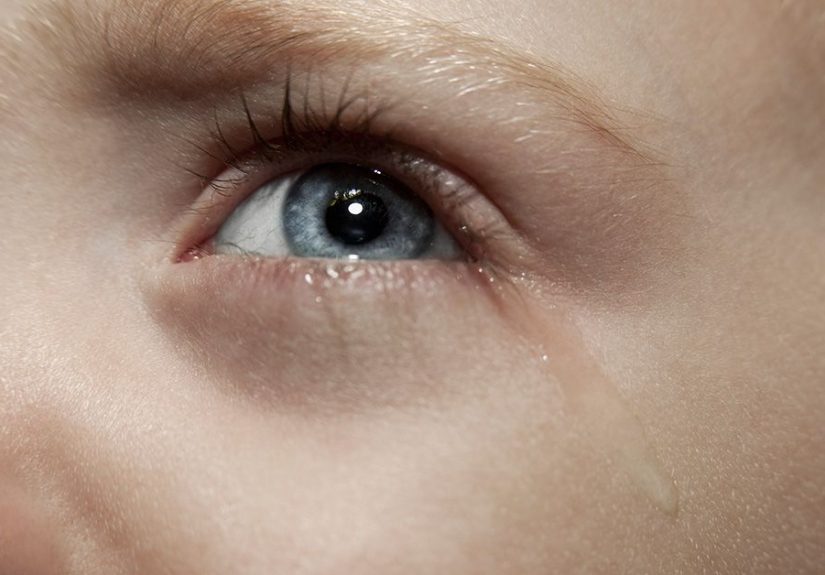
Watery eyes, also called excessive tearing or epiphora, happen when tears overflow instead of draining normally. Tears are not just for crying after the bottle is empty. They help keep the eye surface moist, clean, and comfortable. Normally, tears move across the eye and drain through tiny openings near the inner corners of the eyelids. From there, they travel through the nasolacrimal duct, commonly called the tear duct, into the nose.
When a baby’s eye keeps watering, it usually means one of two things: the eye is making too many tears because something is irritating it, or the tears are not draining well. In infants, the most common reason is poor drainage from a blocked tear duct. However, infections, allergies, smoke, wind, dust, or even a rogue eyelash can also make a baby’s eyes look extra watery.
Common Causes of Baby Watering Eyes
1. Blocked Tear Duct
A blocked tear duct is one of the most common causes of watery eyes in babies. Many newborns are born with a tear drainage system that is still maturing. A thin membrane at the end of the tear duct may not open fully, so tears collect in the eye instead of draining into the nose.
Parents often notice one constantly watery eye, although both eyes can be affected. Tears may run down the cheek even when the baby is not crying. The eye itself may look white rather than red. There may also be mild crusting on the lashes, especially after sleep. This can look dramatic in the morning, as if your baby hosted a secret eyelash glue party overnight.
Most blocked tear ducts improve on their own during the first year of life. Pediatricians may recommend gentle tear duct massage and cleaning away discharge with a warm, damp cloth. If the duct stays blocked after several months or infections keep happening, a pediatric ophthalmologist may discuss a simple procedure called probing to open the duct.
2. Conjunctivitis, Also Called Pink Eye
Conjunctivitis is inflammation of the thin tissue covering the white part of the eye and the inside of the eyelids. In babies, it may be caused by viruses, bacteria, irritation, or, in newborns, exposure during birth. Pink eye can cause watery eyes, redness, swelling, crusting, and discharge.
Viral conjunctivitis often comes with cold symptoms such as a runny nose or cough. The discharge may be watery or slightly sticky. Bacterial conjunctivitis is more likely to cause thick yellow or green discharge that returns quickly after wiping. The eyelids may stick together after naps. Allergic conjunctivitis usually causes itching and watery eyes, but true seasonal allergies are less common in very young infants than in older children.
Newborns with pink eye symptoms should be seen by a doctor right away because some infections in this age group can become serious. Older babies should also be checked if there is significant redness, swelling, pain, fever, thick discharge, or symptoms that are not improving.
3. Cold, Flu, or Upper Respiratory Infection
A baby with a cold may have watery eyes along with sneezing, nasal congestion, mild cough, and extra fussiness. The nose and eyes are connected through the tear drainage system, so congestion can slow tear drainage and make the eyes appear wetter than usual.
In this case, the eye may water without being severely red. The watery eye often improves as the cold gets better. Home care may include keeping the baby comfortable, using saline drops for nasal congestion if recommended by the pediatrician, and wiping the eye gently with a clean damp cloth.
4. Irritants in the Environment
Babies have sensitive eyes, and the world is full of tiny irritants. Smoke, strong fragrances, dust, pet dander, wind, pool chemicals, and even bright sunlight can trigger tearing. Sometimes the cause is obvious, such as a windy stroller walk. Other times, it is sneakier, like a scented laundry product or air freshener near the crib.
Irritation usually causes clear watering rather than thick discharge. The baby may blink more, squint, or rub the eye. Removing the trigger often helps. Avoid smoke exposure, keep fragrances away from the baby’s sleep area, and use gentle, baby-safe cleaning products when possible.
5. Allergies
Eye allergies can cause watery, itchy, red eyes. They are more common in toddlers and older children, but some babies may react to dust mites, pets, mold, or other indoor allergens. Allergy-related tearing often affects both eyes and may come with sneezing, a runny nose, or rubbing at the face.
Parents should not use adult allergy eye drops in a baby unless a healthcare provider recommends them. Treatment depends on the baby’s age, symptoms, and suspected trigger. Simple steps such as washing bedding, reducing dust, keeping pets out of the sleep space, and using a clean, cool compress may help.
6. A Foreign Object or Eyelash
Sometimes a watery eye is caused by something tiny stuck on the eye surface. A speck of dust, lint, sand, or an inward-turning eyelash can trigger sudden tearing. The baby may blink repeatedly, close one eye, cry, or seem very uncomfortable.
Never poke around a baby’s eye with cotton swabs, tweezers, or fingers. If gentle blinking and natural tearing do not clear the problem, or if the baby seems in pain, call a doctor. Eye scratches need proper evaluation because the surface of the eye is delicate.
7. Rare but Serious Eye Conditions
Most baby watering eyes are not emergencies, but some warning signs can point to more serious conditions. For example, excessive tearing with light sensitivity, a cloudy-looking cornea, an enlarged eye, or obvious discomfort may require urgent evaluation for conditions such as congenital glaucoma. Eye injury, chemical exposure, severe swelling, or sudden vision concerns also need prompt care.
Parents do not need to diagnose these conditions at home. Your job is to notice when something does not look right and ask for medical help quickly. That is not overreacting; that is excellent baby management.
How to Tell the Difference Between a Blocked Tear Duct and Eye Infection
A blocked tear duct and conjunctivitis can look similar, especially when crusting appears. However, there are a few clues.
With a blocked tear duct, the eye often waters constantly, even when the baby is calm. The white of the eye is usually not very red. Discharge may collect near the inner corner or crust on the lashes after sleep. Symptoms may start in the first few weeks of life and keep coming back.
With conjunctivitis, the white of the eye is often pink or red. The eyelids may look swollen. Discharge may be thicker, more widespread, and quick to return after wiping. The baby may also have cold symptoms, fever, or seem uncomfortable.
Because the two can overlap, especially if a blocked tear duct becomes infected, it is wise to contact your pediatrician if there is redness, swelling, yellow-green discharge, fever, or worsening symptoms.
Safe Home Care for Baby Watering Eyes
Clean the Eye Gently
For mild watering or crusting, use a clean, soft cloth or cotton pad dampened with warm water. Wipe from the inner corner of the eye outward. Use a fresh part of the cloth or a new cotton pad for each wipe, especially if both eyes are involved. This helps avoid spreading germs from one eye to the other.
Do not scrub. Baby skin is delicate, and eyelids are not kitchen counters. Gentle wiping is enough.
Wash Your Hands Before and After
Handwashing is one of the simplest ways to prevent eye infections from spreading. Wash your hands before touching your baby’s face and again after cleaning the eye. If siblings are around, remind them that baby eyes are not for poking, patting, or “helpful” toddler investigations.
Use Warm Compresses When Recommended
A warm compress may help loosen crusting and soothe irritation. Use a clean washcloth dampened with warm, not hot, water. Hold it gently over the closed eyelid for a short time. If the baby resists, do not force it. A calm baby with a slightly crusty eye is better than a furious baby wearing a washcloth like a tiny protest banner.
Try Tear Duct Massage Only If Your Doctor Shows You
For a blocked tear duct, pediatricians often recommend massage near the inner corner of the eye and down along the side of the nose. The goal is to help open the membrane and move trapped fluid. However, technique matters. Pressing too hard or in the wrong place can irritate the area.
Ask your baby’s doctor to demonstrate the method. In general, parents are told to wash hands first, use gentle pressure near the tear sac, and repeat the massage a few times daily if advised. Stop and call the doctor if the area becomes red, swollen, painful, or if the baby develops fever.
Avoid Unapproved Eye Drops
Do not use leftover antibiotic drops, adult eye drops, redness-relief drops, herbal rinses, breast milk, or homemade solutions in a baby’s eye unless your healthcare provider specifically recommends them. A baby’s eye is not the place for experiments, even if someone online swears their cousin’s neighbor’s baby was “fixed in two days.”
Medical Treatments for Baby Watering Eyes
Antibiotic Eye Drops or Ointment
If a doctor suspects bacterial conjunctivitis or an infected blocked tear duct, they may prescribe antibiotic eye drops or ointment. Antibiotics do not open a blocked tear duct, but they can treat bacterial infection and reduce discharge. Always use the medication exactly as directed and complete the recommended course unless your doctor tells you otherwise.
Observation and Follow-Up
For many babies with a blocked tear duct, doctors recommend watchful waiting because the duct often opens naturally. During this time, parents may clean the eye, perform massage if advised, and monitor for infection. Follow-up matters if symptoms continue, worsen, or affect daily comfort.
Tear Duct Probing
If a blocked tear duct does not improve by around the end of the first year, or if infections are frequent, a pediatric ophthalmologist may recommend probing. During probing, a thin instrument is passed through the tear drainage system to open the blockage. In some cases, the doctor may flush the duct or place a small tube temporarily to keep it open.
This sounds intimidating, because anything involving the words “baby” and “probe” is not exactly a spa brochure. However, pediatric eye specialists perform these procedures regularly, and they can be very effective when conservative care does not solve the problem.
When to Call the Doctor Immediately
Call your pediatrician or seek urgent medical care if your baby has watery eyes along with any of the following symptoms:
- Pink eye symptoms in a newborn
- Redness of the white part of the eye
- Swollen, tender, or very red eyelids
- Thick yellow-green discharge that keeps coming back
- Fever, poor feeding, unusual sleepiness, or extreme fussiness
- Eye pain, light sensitivity, or constant squinting
- A cloudy-looking eye or enlarged-looking eye
- Possible injury, scratch, or chemical exposure
- Symptoms that worsen or do not improve with basic care
Also call if you simply feel uneasy. Parents often notice subtle changes before anyone else does. You do not need to bring a medical textbook to the appointment. “My baby’s eye looks wrong” is a perfectly valid reason to ask for help.
How to Prevent Baby Eye Irritation and Infection
You cannot prevent every watery eye, especially if the cause is a blocked tear duct. Still, a few habits can lower the risk of irritation and infection.
Keep your baby’s face clean, wash your hands often, and avoid sharing towels or washcloths. If your baby has eye discharge, use a fresh cloth each time. Clean toys that go near the face, especially during colds. Keep smoke away from the baby entirely. Choose fragrance-free laundry products if your baby seems sensitive. During windy walks, use the stroller shade to reduce direct wind and dust exposure.
If someone in the household has pink eye, hygiene becomes the family sport. Wash hands frequently, avoid towel-sharing, and clean commonly touched surfaces. Babies are champion face-touchers, so prevention is never perfect, but it helps.
Parent Experiences: What Baby Watering Eyes Can Look Like in Real Life
Many parents first notice baby watering eyes during an ordinary morning diaper change. The baby wakes up happy, stretching like a tiny yoga instructor, but one eyelid has crust around the lashes. After a gentle wipe, the eye looks clear, only to water again an hour later. This pattern often happens with a blocked tear duct. The eye may not seem painful, the baby may feed normally, and the main symptom is the endless tear trail down one cheek. Parents sometimes describe it as “one eye crying without permission.”
Another common experience is the cold-related watery eye. A baby develops a stuffy nose, sneezes repeatedly, and suddenly both eyes look shiny. The discharge is clear, and the baby may be crankier than usual because congestion makes feeding and sleeping harder. In this situation, the eyes often improve as the cold improves. Parents may find that keeping the nose comfortable, using doctor-approved saline care, and gently wiping the eyes makes the baby look less miserable.
Conjunctivitis can feel more dramatic. A parent may wipe yellow discharge away, only to see it return quickly. The white of the eye may look pink, and the eyelids may be puffy. A baby may wake from a nap with lashes stuck together. This is the point when many parents grab the phone and call the pediatrician, which is the right move. Eye infections can be mild, but babies need proper diagnosis because treatment depends on the cause.
Some families also notice watery eyes after environmental exposure. For example, a baby may tear up during a windy walk, after visiting a home with pets, or when strong perfume is nearby. In these cases, the solution may be as simple as changing the environment. Remove the irritant, clean the baby’s face gently, and watch whether the tearing settles down. The baby cannot say, “Excuse me, that candle smells like a department store exploded,” so the eyes may do the complaining instead.
The emotional side matters too. Parents often feel guilty, worried, or unsure whether they are overreacting. But watery eyes in babies are one of those symptoms where observation is powerful. Take note of when it started, whether one eye or both eyes are affected, what the discharge looks like, and whether the baby has fever, redness, swelling, or discomfort. A clear description helps the pediatrician make faster decisions.
The most reassuring experience many parents have is watching a blocked tear duct gradually improve. The watering becomes less frequent, the crusting decreases, and one day the “always wet” eye simply looks normal. Until then, gentle care and good follow-up can make the process less stressful. Baby eyes may be small, but they come with big parental feelings. When in doubt, ask the doctor. That is not panic; that is parenting with a working safety feature.
Conclusion
Baby watering eyes are common, and in many cases, the cause is a blocked tear duct that improves as the baby grows. Other causes include conjunctivitis, colds, allergies, environmental irritants, or small foreign particles. The most important clues are redness, swelling, discharge color, discomfort, fever, and the baby’s age.
Simple home care, such as gentle cleaning, handwashing, warm compresses, and doctor-guided tear duct massage, can help many mild cases. However, newborn pink eye symptoms, thick discharge, swollen eyelids, pain, light sensitivity, cloudy eyes, or worsening symptoms should be checked promptly. With the right care, most watery-eye problems in babies can be managed safely, calmly, and without turning every eye wipe into a family emergency meeting.