Table of Contents >> Show >> Hide
- What Is Avandia?
- Why Avandia’s Heart Risk Story Became a Major Medical Debate
- What the Later Research Really Confirms
- Why Heart Failure Is the Biggest Concern
- How the FDA Responded
- Why Avandia Fell Out of Favor
- Who Should Be Especially Cautious About Rosiglitazone?
- What Patients Should Ask Before Taking an Older Diabetes Drug
- What the Avandia Controversy Changed in Diabetes Care
- Final Takeaway
- Experiences From the Avandia Era: What Patients, Doctors, and Families Learned
- SEO Tags
Avandia once looked like the kind of diabetes drug drugmakers dream about: effective at lowering blood sugar, easy to prescribe, and positioned as a modern answer for people with type 2 diabetes. Then the plot thickened. Over time, mounting research raised alarms that Avandia, also known by its generic name rosiglitazone, might carry serious cardiovascular risks. The loudest concern was not just a vague “heart issue” tossed around in scary headlines, but a more specific problem: the drug’s link to fluid retention, worsening heart failure, and broader cardiovascular safety questions that never fully stopped following it around.
That long-running debate matters because millions of people with type 2 diabetes already face a higher baseline risk of heart disease. In other words, the last thing anyone needs is a blood sugar medication that behaves like a frenemy. Newer analyses of rosiglitazone data have strengthened the case that Avandia is associated with heart-related harm, especially heart failure events, even though the evidence around heart attacks has been more complex and contested over the years.
This article breaks down what Avandia is, why it became controversial, what the most important research actually found, and what patients can learn from one of the biggest drug-safety sagas in modern diabetes care. Spoiler: when it comes to medication safety, lowering glucose is only part of the job description.
What Is Avandia?
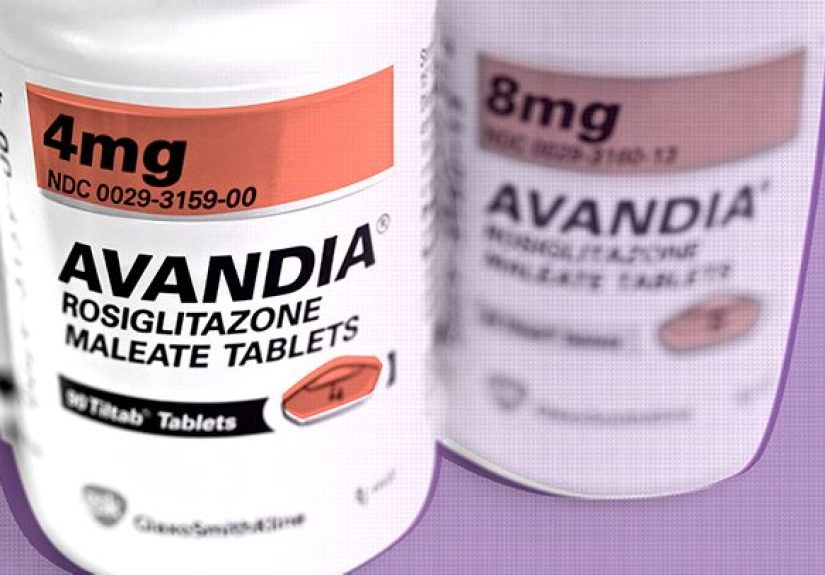
Avandia is the brand name for rosiglitazone, an oral medication used to help manage type 2 diabetes. It belongs to a class of drugs called thiazolidinediones, often shortened to TZDs. These medicines work by improving insulin sensitivity, which means they help the body respond better to the insulin it already makes. That can lower blood sugar and improve measures like fasting glucose and A1C.
On paper, that sounds terrific. And for a while, it was. Avandia was introduced during an era when diabetes treatment focused heavily on glucose control. If a drug helped lower A1C, it got attention. Lots of it. But over time, clinicians and researchers began asking a tougher question: does this drug help the whole patient, or does it improve one number while quietly making other problems worse?
That question became especially important because people with type 2 diabetes are already more likely to develop coronary artery disease, stroke, and heart failure. So any diabetes medication has to do more than tame blood sugar. It also has to avoid making the cardiovascular picture uglier.
Why Avandia’s Heart Risk Story Became a Major Medical Debate
Early concerns did not come out of nowhere
The concern around Avandia was not born from one dramatic headline alone. Even before the biggest media storm, the drug class was known to cause fluid retention. That matters because excess fluid can lead to swelling, weight gain, shortness of breath, and worsening heart failure. For a patient whose heart is already under pressure, that is not a minor footnote. That is the kind of fine print that can turn into a hospital visit.
Doctors also noticed that thiazolidinediones could be especially problematic in people with existing heart failure or those at higher cardiovascular risk. Over time, regulators added warnings and precautions. The concern was serious enough that rosiglitazone’s label ultimately carried a boxed warning for congestive heart failure, which is the FDA’s strongest warning short of pulling a drug from the market.
The 2007 turning point
Avandia’s reputation took a major hit in 2007, when a high-profile meta-analysis suggested the drug was associated with an increased risk of myocardial infarction, better known as heart attack, along with a possible increase in cardiovascular death. That publication did not settle the science forever, but it changed the conversation overnight. Suddenly, Avandia was no longer just another diabetes pill. It became a case study in how a blockbuster drug can move from bestseller to cautionary tale at record speed.
Other studies followed, and not all of them told exactly the same story. Some supported higher cardiovascular risk. Some found the signal was strongest for heart failure. Others argued the evidence for heart attack risk was less certain than many headlines suggested. If you felt whiplash reading about it back then, you were not alone. Plenty of clinicians felt it too.
What the Later Research Really Confirms
The best way to understand Avandia today is to skip the all-or-nothing storytelling. Rosiglitazone is not a simple case of “totally safe” or “pure poison.” The more honest conclusion is this: the most consistent and convincing evidence points to increased heart failure risk and a broader cardiovascular safety concern, even though the magnitude of heart attack risk has varied across studies.
A later and more comprehensive reanalysis that included individual patient data, along with summary trial data, strengthened the case that rosiglitazone is associated with increased cardiovascular risk overall. Importantly, the clearest and most reliable signal again centered on heart failure events. That is why many modern summaries of the evidence use careful language: the drug appears particularly concerning for heart failure, while the evidence around myocardial infarction remains more mixed, though still troubling enough that it has never completely faded from view.
In plain English, the newer research did not give Avandia a clean, sparkly, made-for-TV exoneration. Instead, it reinforced the idea that this drug can create meaningful cardiovascular problems, with heart failure standing out as the strongest red flag.
Why Heart Failure Is the Biggest Concern
Heart failure does not mean the heart suddenly stops. It means the heart cannot pump blood as effectively as the body needs. Symptoms can include swelling in the legs, rapid weight gain, fatigue, and shortness of breath. And rosiglitazone has a well-established tendency to promote fluid retention, which can worsen exactly those problems.
That is the mechanical part of the story that makes the risk believable, not just statistical. Avandia can cause the body to hold onto fluid. That extra fluid can increase the burden on the heart. In someone with vulnerable cardiac function, the result can be worsening edema, worsening symptoms, and in some cases hospitalization.
Think of it like this: if the cardiovascular system is already juggling flaming bowling pins, fluid retention is not a helpful assistant. It is the person who walks in and tosses two more pins into the air.
This is also why rosiglitazone is generally avoided in people with symptomatic heart failure, and why the medication’s official prescribing information puts strong emphasis on monitoring for rapid weight gain, swelling, and breathing problems.
How the FDA Responded
The FDA did not ignore the controversy. Over the years, rosiglitazone’s labeling changed, warnings were strengthened, and access restrictions were added. At one point, the drug was subject to tighter prescribing and dispensing controls because of cardiovascular concerns. Later, after re-reviewing evidence from the RECORD trial and other data, the FDA removed some of those restrictions when it concluded that the available evidence did not show a higher risk of heart attack compared with certain older diabetes medications.
That regulatory reversal confused a lot of people. If restrictions were loosened, did that mean Avandia was off the hook? Not exactly. The key nuance is that the FDA’s later action did not erase the heart failure warning. The current safety picture still includes a boxed warning about congestive heart failure, and rosiglitazone remains a drug that must be used with significant caution.
In short, the FDA’s evolving position reflects the complexity of the evidence, not a fairy-tale ending. The heart-attack question became less definitive than early panic suggested, but the heart-failure risk stayed very much on the table.
Why Avandia Fell Out of Favor
Even if a drug is technically still available in some form, medical practice moves on. And Avandia largely did. The reason is simple: modern diabetes care now offers multiple alternatives with stronger cardiovascular track records. Today, doctors have access to medications that not only lower blood sugar, but in some patients can also reduce major cardiovascular events or help protect the kidneys and heart.
Once newer options entered the scene, Avandia had a harder time making its case. It still lowered glucose, yes. But when stacked against safer or more cardio-friendly alternatives, it started to look like an older technology with too much baggage in the trunk.
This shift in practice is one of the biggest lessons from the Avandia story. Diabetes treatment is no longer judged only by A1C reduction. Outcomes matter. Hospitalizations matter. Heart failure matters. Survival matters. Patients, understandably, prefer medications that do not come with a side order of cardiovascular drama.
Who Should Be Especially Cautious About Rosiglitazone?
Avandia is not a casual medication for just anyone with type 2 diabetes. Particular caution is warranted for people who:
- Have heart failure or a history of heart failure
- Already have swelling, unexplained weight gain, or shortness of breath
- Have a recent or unstable cardiovascular history
- Use insulin or other drugs that may complicate the risk profile
- Need a diabetes therapy with proven heart-protective benefits
That does not mean every person who ever took Avandia was doomed to have a cardiac event. Medicine is rarely that tidy or that cruel. But it does mean the risk-benefit calculation became much less favorable, especially when safer options are available.
What Patients Should Ask Before Taking an Older Diabetes Drug
If you or someone you love is ever prescribed an older medication like rosiglitazone, it is worth asking a few smart questions. No need to arrive in the exam room wearing a judge’s robe, but a little curiosity goes a long way.
Questions worth asking
- Does this medication increase my risk of heart failure?
- Are there better options for someone with my heart history?
- What symptoms should I watch for after starting it?
- How will we monitor swelling, weight gain, or shortness of breath?
- Would a newer diabetes medication fit my needs better?
Those questions matter because safety is not one-size-fits-all. Age, kidney function, current medications, cardiovascular history, and insurance coverage all affect what treatment makes sense. Good diabetes care is personal, not cookie-cutter.
What the Avandia Controversy Changed in Diabetes Care
One of the biggest legacies of Avandia is that it changed how diabetes drugs are evaluated. The medical community learned, sometimes painfully, that improving blood sugar does not automatically guarantee better overall health outcomes. A drug can polish one number while quietly creating trouble elsewhere.
That is one reason cardiovascular outcome trials became much more central in diabetes drug development. Regulators, clinicians, and researchers started demanding stronger evidence that new therapies would not increase major cardiovascular harm. In a strange way, Avandia helped force the system to grow up.
It was an expensive lesson in humility. But it was a lesson nonetheless.
Final Takeaway
The clearest bottom line is this: Avandia remains tied to meaningful heart risks, and the strongest evidence points to heart failure as the most consistent danger. Later reanalyses of rosiglitazone data did not wash those concerns away. Instead, they reinforced the broader cardiovascular caution surrounding the drug, even as debate over heart attack risk remained more complicated.
For most patients with type 2 diabetes today, the Avandia story is less about whether this one drug is still in fashion and more about what modern medicine learned from it. Lowering blood sugar is important, but it is not enough. The best diabetes treatment should help patients live longer, feel better, and avoid trading one health problem for another.
And that, frankly, is a much better deal than a lower A1C with a side of swollen ankles and a panicked phone call to cardiology.
Experiences From the Avandia Era: What Patients, Doctors, and Families Learned
For many people diagnosed with type 2 diabetes in the early 2000s, Avandia did not feel controversial at first. It felt hopeful. Patients were told it could help control blood sugar in a different way than older drugs, and many liked the idea of taking a pill that improved insulin sensitivity rather than jumping immediately to insulin. In real life, that mattered. Starting a new diabetes medication is never just a chemistry experiment; it is tied to fear, routine, cost, and the deeply human desire to stay in control of one’s body.
Then the safety conversation changed. Some patients who had been taking Avandia for months or years began hearing news reports about heart attacks, heart warnings, and FDA reviews. That created real anxiety, even for people who had not noticed a problem themselves. Families wondered whether a medicine that seemed to “work” on blood sugar had been quietly putting loved ones at risk. Doctors, meanwhile, had the unenviable job of explaining evolving science in plain language while deciding whether to switch stable patients to something else. Medicine loves certainty, but Avandia arrived with a truckload of ambiguity.
Clinicians who lived through that period often describe it as a turning point in how they thought about diabetes therapy. Before Avandia became a full-blown controversy, glucose lowering often dominated treatment decisions. Afterward, many doctors became much more cautious about separating a medication’s effect on lab values from its effect on real lives. A prettier A1C did not automatically mean a safer patient. That lesson stuck.
Patients had practical experiences too. Some noticed ankle swelling, unexplained weight gain, or shortness of breath and suddenly realized those symptoms might not be random. Others were switched to different medications and had to adjust once again to new costs, new side effects, and new daily routines. For some families, the biggest burden was uncertainty. When a drug’s risk story changes in public, patients do not just absorb data. They absorb stress.
There was also a broader emotional effect: trust took a hit. People understandably asked how a widely used diabetes drug could become the center of a cardiovascular controversy after it had already reached the market. That question still echoes today whenever a new blockbuster drug appears. Patients want to know not just whether a medication lowers numbers, but whether it has been thoroughly tested for the outcomes they actually fear: hospitalization, disability, and death.
In that sense, the Avandia experience reshaped expectations. It taught patients to ask better questions, doctors to weigh cardiovascular evidence more heavily, and regulators to demand stronger safety data. No one would choose that kind of lesson the easy way. But it changed diabetes care for the better by reminding everyone that good treatment is about the whole person, not just the spreadsheet version of them.