

Table of Contents >> Show >> Hide
- Why Menopause Turns Up the Bone-Loss Dial
- Osteoporosis vs. Osteopenia: The Two-Word Plot Twist
- Are You at Higher Risk? A Quick Reality Check
- When to Get a Bone Density Test (Without Guessing)
- Bone-Building Nutrition That Doesn’t Taste Like Chalk
- Exercise: Give Your Bones a Reason to Stay Dense
- Lifestyle & Fall-Proofing: Because the Hip Doesn’t Like Surprises
- Medications & Hormone Therapy: The “Big Guns” (Used on Purpose)
- A Bone-Smart Menopause Plan: 6 Steps You Can Start This Week
- Quick FAQs
- Conclusion: Your Bones Want a Plan, Not Panic
- Experiences Related to Osteoporosis & Menopause: What People Commonly Run Into (and What Helps)
Menopause has a reputation for hot flashes, mood swings, and the sudden desire to own seventeen different fans.
But here’s the sneaky side quest it brings along: faster bone loss.
And unlike your patience, your bones don’t magically grow back overnight.
The good news: osteoporosis is not a destinyit’s a risk you can manage.
With smart screening, bone-friendly habits, and (when needed) the right medical treatment, you can protect your skeleton like the VIP it is.
Let’s talk about what’s happening, why it happens, and what actually works in real life.
Note: This article is for educational purposes and isn’t personal medical advice. If you have health conditions, take medications, or have had fractures, partner with a clinician for individualized guidance.
Why Menopause Turns Up the Bone-Loss Dial
Your bones aren’t dead sticks. They’re living tissue in a constant renovation project called bone remodeling.
Two teams run the show:
- Osteoclasts break down old bone (demolition crew).
- Osteoblasts build new bone (construction crew).
Estrogen helps keep the demolition crew from going full reality-TV makeover on your skeleton.
Around menopause, estrogen dropsand bone breakdown can outpace bone building.
For many women, the most rapid loss happens in the years around and after menopause, and some sources note that bone density loss can be substantial over roughly the first 5–7 years post-menopause.
Translation: menopause doesn’t “cause” osteoporosis by itself, but it can accelerate bone loss, especially if other risk factors are present.
Think of it like taking the speed limit signs off a highwaysuddenly the same old risk factors become a bigger deal.
Osteoporosis vs. Osteopenia: The Two-Word Plot Twist
These terms get tossed around like everyone’s supposed to know what they mean. Here’s the simple version:
- Osteopenia = lower-than-normal bone density (a warning light, not a catastrophe).
- Osteoporosis = bone density low enough that fractures become much more likely (the warning light plus the engine making a weird noise).
A common way to measure bone density is a DXA (also written DEXA) scan, which gives you a T-score.
Typical interpretation looks like this:
- Normal: around -1.0 or higher
- Osteopenia: about -1.0 to -2.4
- Osteoporosis: -2.5 or lower
Osteoporosis is often called a “silent” disease because you may not feel anything until a fracture happens.
That’s why the goal is to catch risk earlybefore your wrist, hip, or spine files a complaint.
Are You at Higher Risk? A Quick Reality Check
Menopause is a major factor, but it’s not the only factor. Your overall fracture risk depends on a mix of biology, lifestyle, and medical history.
Common risk boosters include:
Body & family factors
- Age (risk rises as you get older)
- Family history of osteoporosis or hip fracture
- Low body weight or small frame
- Early menopause or removal of ovaries (less lifetime estrogen exposure)
Health conditions & medications
- Long-term corticosteroid use (for example, prednisone)
- Thyroid disorders or other endocrine conditions
- Malabsorption issues (such as celiac disease or inflammatory bowel disease)
- Rheumatoid arthritis and certain chronic inflammatory conditions
Lifestyle
- Smoking
- Heavy alcohol use
- Low calcium/vitamin D intake over time
- Low activity level (bones like a reason to stay strong)
You don’t need to have “all the risk factors” for bone health to matter. Even one or two can change the screening conversation.
When to Get a Bone Density Test (Without Guessing)
Bone density testing is one of the most practical tools you have, because it turns bone health from a vague fear into actual numbers you can act on.
Common screening guidance
- Women 65 and older: generally recommended to be screened.
- Postmenopausal women under 65: screening is recommended when risk factors suggest higher fracture risk (often after using a clinical risk assessment approach).
Your clinician may consider your personal risk profile and decide whether a DXA scan is appropriate now, later, or on a repeating interval.
If you’ve had a low-trauma fracture (for example, breaking a bone from a fall from standing height), that’s a giant “check engine” light worth evaluating.
Bone-Building Nutrition That Doesn’t Taste Like Chalk
Food won’t “cure” osteoporosis, but nutrition can meaningfully support bone strength and reduce ongoing loss.
Think of nutrition as the building materialsyour lifestyle and medical care are the construction plan.
Calcium: the headline mineral
For many postmenopausal women, a commonly cited target is about 1,200 mg of calcium per day (from food + supplements combined).
If you can get most of that from food, greatyour gut often prefers it that way.
Food sources that pull their weight:
- Dairy (milk, yogurt, cheese)
- Fortified foods (some plant milks, cereals, juices)
- Tofu made with calcium
- Canned salmon or sardines with bones
- Leafy greens (some are better sources than others)
Supplements can help fill gaps, but more isn’t always better.
Too much calcium can cause side effects (like constipation) and may not be appropriate for everyone (for example, people with certain kidney stone histories).
If you use supplements, many clinicians suggest splitting doses rather than taking a big pile all at once.
Vitamin D: calcium’s helpful sidekick
Vitamin D helps your body absorb calcium and supports muscle function (which matters because better strength and balance can mean fewer falls).
Common recommended daily amounts for adults are often around 600 IU (ages 19–70) and 800 IU (ages 71+), but needs can vary.
Because vitamin D can accumulate, avoid megadosing unless you’re working with a clinician based on labs and a clear plan.
Don’t forget protein (seriously)
Bones aren’t just calcium sticks; they have a protein matrix.
Adequate protein supports bone and musclemuscle matters because it helps you lift groceries, climb stairs, and stay upright when the cat tries to assassinate you on the hallway rug.
Exercise: Give Your Bones a Reason to Stay Dense
If bone health had a love language, it would be mechanical load.
In plain English: bones respond to stress by adaptingwithin safe limits.
The best exercise mix targets bone strength, muscle strength, and balance.
1) Weight-bearing cardio
Weight-bearing means you’re on your feet supporting your body weight.
Examples: brisk walking, hiking, stair climbing, dancing, jogging (if appropriate), and some aerobics.
2) Strength training
Resistance training stresses bones and builds muscle.
Options include free weights, machines, resistance bands, and bodyweight exercises.
If you’re new, start small and progress graduallyconsistency beats heroics.
3) Balance training (your future hips will thank you)
Falls are a major driver of fractures, so balance work is not “optional.”
Balance training can include tai chi, single-leg stands (with a counter nearby), and targeted lower-body strength.
A simple “bone-smart” weekly template
| Goal | What it looks like | Why it matters |
|---|---|---|
| Weight-bearing movement | 30 minutes, 3–5 days/week (walk, stairs, dance) | Helps maintain bone density |
| Strength training | 2 days/week (full-body basics) | Builds muscle + bone-loading stress |
| Balance practice | 10 minutes, 3+ days/week | Reduces fall risk |
Safety note: if you already have osteoporosis, significant joint issues, or a history of fractures,
ask a clinician or physical therapist about safe movementsespecially if you’re considering high-impact workouts.
Lifestyle & Fall-Proofing: Because the Hip Doesn’t Like Surprises
Bone protection isn’t only about “strong bones.” It’s also about not falling.
You can have decent bone density and still fracture if you land badly. And you can have low bone density and reduce fracture risk by reducing falls.
Both matter.
Bone-friendly lifestyle moves
- Don’t smoke. Smoking is associated with worse bone health and higher fracture risk.
- Limit alcohol. Heavy alcohol use increases fall risk and can harm bone health.
- Review medications. Some meds can increase dizziness or affect balance.
- Vision and hearing checkups. Sensory input helps your brain keep you upright.
Home tweaks that pay off
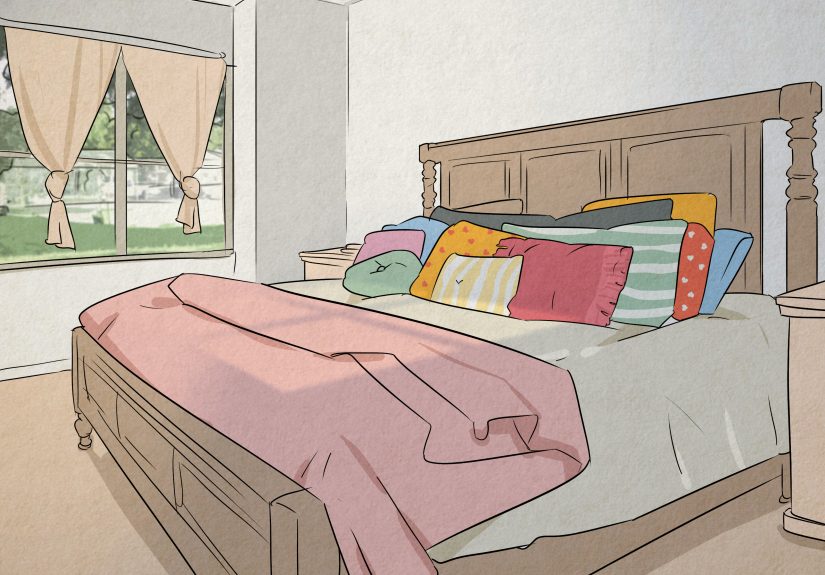
- Secure rugs and cords (the “tripwire aesthetic” is not worth it).
- Add night lights in hallways and bathrooms.
- Use sturdy handrails on stairs.
- Consider grab bars where you need themfuture-you is practical, not embarrassed.
Medications & Hormone Therapy: The “Big Guns” (Used on Purpose)
Lifestyle is foundational, but sometimes it’s not enoughespecially if bone density is very low, fracture risk is high, or fractures have already occurred.
That’s where medications come in.
Common medication categories
-
Antiresorptives (slow bone breakdown):
often includes bisphosphonates (like alendronate or risedronate; some are IV options) and denosumab. -
Anabolic agents (help build bone):
options can include teriparatide, abaloparatide, and romosozumab for selected high-risk situations. -
Selective estrogen receptor modulators (SERMs):
such as raloxifene, sometimes used in particular scenarios.
Medication choice depends on your risk level, age, fracture history, other health conditions, and preferences.
If you start a medication, follow-up is importantsome therapies require careful sequencing or ongoing monitoring.
What about menopausal hormone therapy (MHT/HRT)?
Hormone therapy is well-known for treating menopause symptoms, and major medical organizations note it can also help prevent bone loss and reduce fracture risk in appropriate candidates.
But it’s not “one-size-fits-all.” Risks and benefits depend on factors like age, time since menopause, personal history (for example, blood clots or certain cancers), and formulation.
Bottom line: if bone health and menopause symptoms overlap for you, it’s worth a tailored conversation with a qualified clinician.
A Bone-Smart Menopause Plan: 6 Steps You Can Start This Week
- Know your risk: family history, early menopause, low weight, steroids, smoking, prior fractures.
- Ask about screening: especially if you’re 65+ or under 65 with risk factors.
- Upgrade calcium intake: prioritize food, supplement only as needed.
- Check vitamin D strategy: sunlight + food + supplements (if appropriate), avoid megadoses.
- Move with intention: weight-bearing + strength + balance, weekly.
- Reduce fall risk: home safety, vision review, balance practice, medication check.
None of these steps requires perfection. They require repetitionlike brushing your teeth, except your bones don’t get minty fresh.
Quick FAQs
“If I take calcium and vitamin D, am I safe?”
Helpful? Yes. A guarantee? No.
Supplements can support bone health, but they don’t replace screening, strength training, or targeted medical therapy when risk is high.
“Can you reverse osteoporosis?”
Sometimes you can improve bone density, especially with the right medication strategy and consistent lifestyle support.
But the bigger goal is usually: prevent fractures and maintain function.
“I’m afraid of lifting weightswon’t I break something?”
The right kind of strength training is often recommended precisely because it can help protect bones and prevent falls.
The key is appropriate progression and technique. A physical therapist or qualified trainer can be a game-changer.
Conclusion: Your Bones Want a Plan, Not Panic
Menopause can speed up bone loss, but it also gives you a clear window to act.
The most effective bone-protection strategy is a layered approach:
screen when appropriate, fuel your body, train strength and balance,
reduce fall risk, and use medication or hormone therapy when the benefits fit your situation.
You only get one skeleton. It’s doing its best. Return the favor.
Experiences Related to Osteoporosis & Menopause: What People Commonly Run Into (and What Helps)
People rarely wake up one morning and announce, “Today feels like a great day to think about my femur.”
Bone health usually enters the chat because of a momentan annual visit, a lab review, a parent’s fracture, or a weird back ache that won’t quit.
Below are common “experience patterns” shared in patient education settings and clinical conversations (not personal stories), plus what tends to help.
1) The surprise DXA result
Many women report feeling blindsided after a routine scan shows osteopeniaor osteoporosisbecause they “feel fine.”
That’s the tricky part: bone loss is often silent.
What helps is reframing the result as useful early information, not a verdict.
A DXA score is like a weather forecast: it tells you whether to grab an umbrella (or in this case, add strength training and evaluate medical options).
2) The “my mom broke her hip” wake-up call
Family history can turn bone health from theoretical to urgent.
A common emotional experience is fearfear of falling, fear of losing independence, fear of becoming fragile.
What helps is focusing on the pieces you can control:
improving leg strength, practicing balance, making small home safety upgrades, and talking with a clinician about whether screening or medications are appropriate earlier.
This is where “boring” changes like better lighting or consistent walking suddenly feel heroic.
3) The gym intimidation problem
A lot of people want to strength train but feel awkward or worried about injuryespecially if they’ve never lifted weights.
A common experience is starting with good intentions, then stopping because everything feels confusing:
Which exercises are safe? How heavy is “heavy”? What if I do it wrong?
What helps is lowering the barrier to entry:
begin with bodyweight moves (sit-to-stand, wall pushups), light dumbbells, or resistance bands.
Even better, work with a physical therapist or trainer who understands osteoporosis precautions.
People often report that once they learn a few safe, repeatable movements, confidence climbs quicklyand consistency finally sticks.
4) The supplement spiral
Another common experience is going full detective mode in the vitamin aisle:
calcium citrate vs. carbonate, D3 vs. D2, “bone formulas” with mysterious extra ingredients, and a price tag that suggests the pills are handmade by elves.
What helps is stepping back and simplifying:
aim first for calcium through food, use vitamin D in standard daily amounts unless your clinician recommends otherwise, and don’t stack multiple supplements that accidentally double-dose you.
People often feel calmer when they realize the basicsfood, movement, risk reductionmatter more than the fanciest bottle.
5) The menopause symptom + bone health overlap
Some women navigating hot flashes, sleep disruption, and mood changes also start worrying about bone loss.
A common experience is information overload and mixed messaging about hormone therapy.
What helps is a personalized risk-benefit discussion:
age, time since menopause, personal/family history, and symptom severity all matter.
Many women report feeling relief simply from having a clear, individualized planwhether that plan includes hormone therapy, non-hormonal options, osteoporosis medication, or a combination.
The through-line across these experiences is surprisingly consistent:
the best results tend to come from small, repeatable actionsscreening when appropriate,
protein-forward meals, regular weight-bearing movement, strength training twice a week, balance practice, and fall-proofing the environment.
Bone health is less about one dramatic fix and more about stacking sensible choices until your future self says, “Wow, thanks.”