



Table of Contents >> Show >> Hide
- The straight answer: Diabetes can cause blindness, but it’s not inevitable
- How diabetes affects your eyes (and why the retina is the main character)
- Stages of diabetic retinopathy: from “silent” to “serious”
- Who’s at higher risk for diabetes-related blindness?
- Symptoms: what to watch for (and what not to ignore)
- Prevention: how to drastically lower the odds of vision loss
- What actually happens at a diabetes eye exam?
- Treatment: if diabetic eye disease is found, what can doctors do?
- So… will you go blind?
- Conclusion
- Real-world experiences: what people often go through (and what helps)
Diabetes has a talent for showing up uninvited to places it doesn’t belonglike your eyes. The good news: blindness is not a guaranteed “perk” of diabetes. The less-good news: diabetes can damage vision quietly for years, like a sneaky houseguest who eats your leftovers and never replaces the milk.
This guide breaks down what actually causes diabetes-related vision loss, who’s most at risk, what symptoms matter (and which ones are drama), andmost importantlywhat you can do to protect your sight. Because your eyes deserve better than a surprise plot twist.
The straight answer: Diabetes can cause blindness, but it’s not inevitable
Diabetes increases the risk of serious eye disease, and yesuntreated diabetes-related eye damage can lead to severe vision loss or blindness. But “will you go blind?” is the wrong framing. A better question is: How likely is vision loss, and how much control do you have over the outcome?
With regular eye exams, good glucose management, and timely treatment, many people with diabetes keep functional vision for life. Think of it like dental care: brushing isn’t a guarantee you’ll never get a cavity, but skipping it and hoping for the best is… ambitious.
How diabetes affects your eyes (and why the retina is the main character)
High blood sugar over time can damage tiny blood vessels and tissues throughout the bodyincluding the delicate blood supply inside your eyes. The most important target is the retina, the light-sensitive layer in the back of your eye that works like a camera sensor.
1) Diabetic retinopathy (the biggest reason diabetes can threaten sight)
Diabetic retinopathy happens when high blood sugar damages the blood vessels in the retina. Damaged vessels can leak fluid or blood, swell, or close off. In advanced stages, the eye tries to grow new vesselsbut they’re often fragile, messy, and prone to bleeding. (Your eye is trying its best. It’s just… not a great engineer.)
2) Diabetic macular edema (when the “sharp vision” area gets waterlogged)
The macula is the center part of the retina responsible for sharp, detailed visionreading, driving, recognizing faces, and spotting the tiny print on a snack label that says “serving size: 3 chips.” Diabetic macular edema (DME) happens when fluid leaks and builds up in or near the macula, blurring central vision.
3) Cataracts and glaucoma (diabetes’ side quests)
Diabetes is also linked with a higher risk of cataracts (clouding of the lens) and glaucoma (damage to the optic nerve often associated with pressure issues). These can show up earlier and more often in people with diabetes compared to those without it.
Stages of diabetic retinopathy: from “silent” to “serious”
One reason diabetic eye disease is so dangerous is that it can progress without obvious symptoms. By the time you notice something is off, the condition may already be advanced.
Nonproliferative diabetic retinopathy (NPDR)
This is the earlier stage. Blood vessels weaken and may leak tiny amounts of fluid or blood. Vision can be normal at first, or you might get mild blur that comes and goes. Many people feel fineand that’s exactly the trap.
Proliferative diabetic retinopathy (PDR)
This is the advanced stage. The retina becomes starved for oxygen and responds by growing new abnormal blood vessels. These can bleed into the gel inside the eye (the vitreous), cause scar tissue, and raise the risk of retinal detachment. If that sounds intense, it’s because your eyes are not designed for surprise internal plumbing renovations.
Who’s at higher risk for diabetes-related blindness?
Not everyone with diabetes develops sight-threatening eye disease. Risk rises based on a handful of factorsmost of which are either controllable or monitorable.
Duration of diabetes
The longer you’ve had diabetes, the more time high glucose has had to stress small blood vessels. This is true for both type 1 and type 2 diabetes.
Blood sugar control (your A1C trends matter)
Chronically elevated blood sugar increases damage to retinal vessels. Improvements in glucose controlespecially earlyare associated with lower long-term risk of advanced eye disease. It’s less about one “bad day” and more about the average over months and years.
Blood pressure and cholesterol
High blood pressure can add extra strain on delicate retinal vessels, and unhealthy lipid levels are associated with vascular issues that may worsen eye outcomes. If your eye doctor is asking about your blood pressure meds, they’re not being nosythey’re being protective.
Kidney disease, pregnancy, and smoking
Kidney disease can track with overall microvascular damage. Pregnancy can accelerate diabetic retinopathy in some cases, which is why pregnancy-specific screening plans are common. Smoking adds vascular stress and inflammationbasically throwing gasoline on a problem that already hates you.
Symptoms: what to watch for (and what not to ignore)
Here’s the tricky part: early diabetic retinopathy often has no symptoms. That’s why screening is the hero of this story. Still, if you notice any of the following, treat it like a real alertnot a “maybe later” notification you swipe away.
- Blurry vision that doesn’t improve (or that keeps returning)
- New floaters (spots, strings, cobwebs) especially if sudden
- Dark or empty areas in your vision
- Difficulty seeing at night or sudden changes in contrast
- Distorted lines (straight lines look wavy)
Urgent rule: Sudden vision loss, a shower of new floaters, flashes of light, or a curtain-like shadow can be signs of bleeding or retinal detachment. That’s “call an eye doctor now / go to urgent care or ER” territorynot “let’s see if it’s better after coffee.”
Prevention: how to drastically lower the odds of vision loss
If this article had a billboard, it would say: “You can’t protect what you don’t check.”
1) Get dilated eye exams on schedule (even when vision seems perfect)
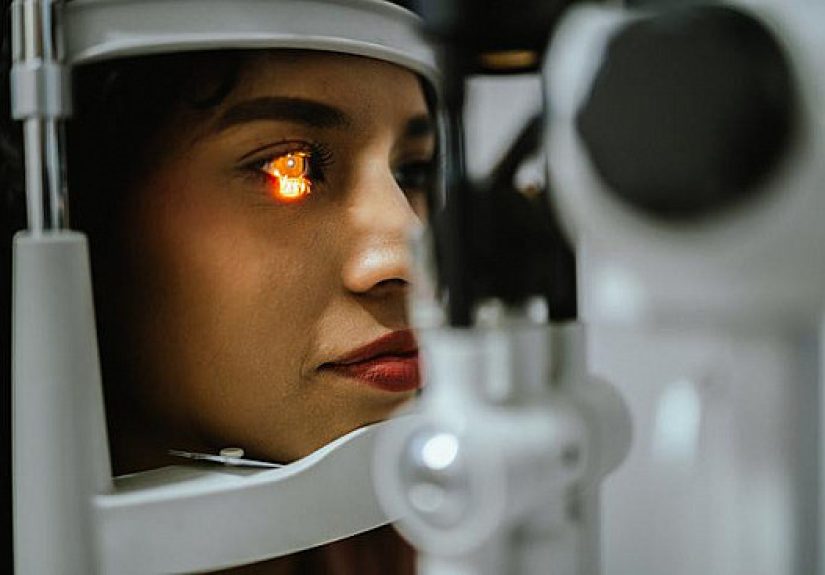
A full, dilated eye exam lets an optometrist or ophthalmologist look directly at the retina for early damage. Many guidelines recommend:
- Type 1 diabetes: first dilated exam within a few years after diagnosis (often within 5 years), then typically yearly
- Type 2 diabetes: dilated exam at diagnosis (because many people have had type 2 for years before it’s detected), then typically yearly
- Pregnancy with preexisting diabetes: eye evaluation before pregnancy or early in pregnancy, with follow-up based on findings
Your eye doctor may adjust frequency if exams remain normal and your overall risk is lowbut that’s a decision for your clinicians, not your calendar app.
2) Manage the “diabetes ABCs” (glucose, blood pressure, cholesterol)
Consistent glucose control helps prevent damage and slows progression. Blood pressure and cholesterol management supports healthier retinal vessels. These three together are like the “seatbelt, airbag, and brakes” of eye protection.
3) Don’t skip follow-up if you’re told you have retinopathy
If your clinician says you have mild retinopathy, that’s not a verdictit’s an early warning system doing its job. Early stages are where prevention and monitoring can keep things from progressing.
4) Build a vision-friendly lifestyle (boring, effective, worth it)
The basics matter: take medications as prescribed, move your body regularly, eat in a way that supports stable glucose, and quit smoking if you smoke. None of this is glamorous. But neither is trying to read street signs with half a retina on strike.
What actually happens at a diabetes eye exam?
If the phrase “dilated eye exam” makes you picture medieval torture devices, relax. It’s mostly bright lights and awkward small talk.
- Eye drops widen your pupils so the doctor can see the retina.
- You may have blurry vision and light sensitivity for a few hours afterwardbring sunglasses if you want to feel like a celebrity leaving brunch.
- The exam may include retinal photos or scans (like OCT imaging) that help detect swelling or subtle changes.
The point is to catch changes before you notice them. Because once vision is lost, the goal often becomes stopping further damagenot always reversing what’s already gone.
Treatment: if diabetic eye disease is found, what can doctors do?
Modern treatment for diabetic retinopathy and DME is dramatically better than it used to be. “You have retinopathy” is not automatically “you’re going blind.” Treatment plans depend on which problem you have and how advanced it is.
Anti-VEGF injections (tiny needle, huge impact)
Anti-VEGF medications are commonly used for diabetic macular edema and certain stages of diabetic retinopathy. They help reduce abnormal vessel growth and leakage. Yes, the medication is delivered by an injection into the eye. No, you do not get a bravery medal at the end (but you should).
Laser treatment (photocoagulation)
Laser therapy can seal leaking vessels or reduce signals that drive abnormal vessel growth in advanced retinopathy. It can be vision-saving, though it may have trade-offssome people notice reduced night vision or peripheral vision depending on the type and extent of treatment.
Surgery (vitrectomy)
If there’s significant bleeding into the vitreous or traction from scar tissue, a retinal specialist may perform a vitrectomy. This can clear blood, repair traction, and reduce the risk of severe complications like detachment.
The real key: timing
Treatments are most effective when problems are caught early. That’s why screening is such a big deal. In the diabetes-and-vision universe, the villain isn’t just high blood sugarit’s high blood sugar plus time plus no eye exams.
So… will you go blind?
Most people with diabetes will never experience complete blindness. But diabetes-related eye disease is common enoughand often silent enoughthat you should treat prevention as non-negotiable. The safest mindset is:
- Assume your eyes are vulnerable (because they are).
- Assume you can protect them (because you can, often significantly).
- Assume screening is a must (because early disease can’t be spotted by “vibes”).
If you take nothing else away: schedule the exam, show up, and keep showing up. Your future self will thank youprobably while reading tiny print without squinting.
Real-world experiences: what people often go through (and what helps)
Diabetes-related vision fears usually arrive in one of two ways: a slow simmer (“My vision seems… off?”) or a surprise jump scare (“Why are there suddenly black floaters everywhere?”). While everyone’s story is different, some patterns show up again and again in clinics, support groups, and everyday life.
The “I feel fine, so I skipped the eye exam” phase
A common experience is feeling totally normaluntil an eye doctor finds early retinopathy during a routine dilated exam. People often describe a mix of shock and guilt: “I thought I would feel it happening.” But diabetic retinopathy doesn’t always announce itself. It’s more like a quiet software update running in the background. When caught early, many people feel relieved that the plan is monitoring plus better diabetes managementnot immediate procedures.
The “my numbers improved, and so did my confidence” phase
Many people report that once they focus on steady glucose control (not perfection, but consistency), their anxiety decreases. They start viewing A1C trends like a long-term investment account: small improvements add up. Some also notice practical benefitsless fluctuating blur, fewer “bad vision days,” and more stable energy. A recurring theme is that working on blood pressure and cholesterol feels less abstract once an eye doctor explains how those numbers connect to delicate retinal vessels.
The “treatment sounded scary, but it was manageable” phase
For people diagnosed with diabetic macular edema or more advanced retinopathy, the idea of eye injections can feel like a horror movie trailer. But many describe the actual appointment as “fast and weird” rather than “painful and unbearable.” They often say the mental build-up is worse than the procedure: numbing drops, a quick injection, then you’re doneusually with follow-up visits planned like clockwork. Over time, people get into a routine: arranging rides if vision is blurry afterward, bringing sunglasses, and scheduling appointments around work. A lot of patients say the first successful treatment when blur improves or stops worseningturns fear into determination.
The “life logistics” reality (transportation, work, and emotional fatigue)
The hardest part is sometimes not the medical care but the logistics: time off work, insurance approvals, frequent follow-ups, and the emotional toll of living with a condition that requires constant vigilance. People often say what helps most is a system: calendar reminders, a supportive primary care clinician, an eye specialist who explains things clearly, and a family member or friend who makes appointments feel less isolating. Some find that a diabetes educator helps translate “do better control” into a realistic daily plan.
The “I wish I’d known sooner” lessons people share
When asked what they’d tell someone newly diagnosed, many people keep it simple: don’t wait for symptoms, don’t assume youth protects you, and don’t treat eye exams as optional. They also emphasize compassion: you can’t rewrite the past, but you can absolutely steer the future. The most hopeful stories often come from people who caught problems early, stayed consistent with follow-up, and learned that diabetes eye disease is something you managenot something that automatically takes your vision away.