Table of Contents >> Show >> Hide
- What Is Scrabble Tiles Wall Art?
- A Quick Look at Scrabble Inspiration
- Best Places to Display Scrabble Tiles Wall Art
- How to Plan a Scrabble Tile Wall Layout
- Choosing the Right Tile Size
- Materials for DIY Scrabble Tile Wall Art
- DIY Steps: How to Make Scrabble Tiles Wall Art
- Design Ideas for Scrabble Tiles Wall Art
- Common Mistakes to Avoid
- How to Style Scrabble Tiles With Other Decor
- Buying Custom Scrabble Tiles Wall Art vs. Making It Yourself
- Personal Experience: What Scrabble Tiles Wall Art Teaches You
- Conclusion
Some wall art whispers. Some wall art shouts. And then there is Scrabble tiles wall art, which politely spells out your family names, favorite words, inside jokes, or life motto while quietly reminding everyone that the letter Q is still a tiny drama queen. This playful home decor idea turns oversized letter tiles into a personalized crossword-style display, bringing warmth, humor, and a handcrafted feel to a living room, hallway, nursery, game room, office, or entryway.
The charm is simple: Scrabble-style tiles look familiar, nostalgic, and instantly readable. They feel personal without being overly sentimental. A family-name layout can make a blank wall feel like a story. A single word such as “HOME,” “GATHER,” “CREATE,” or “PLAY” can anchor a room with personality. And unlike many decor trends that require a design degree, a mysterious budget, and possibly a small forklift, this project can be done with basic materials, careful planning, and a little patience.
Whether you buy custom tiles from a maker or create your own DIY Scrabble wall decor, the best results come from smart layout choices, clean lettering, proper scale, and safe hanging. Let’s break down how Scrabble tiles wall art works, where it looks best, how to design it, and what to avoid before your wall starts looking less “charming word puzzle” and more “alphabet soup after an earthquake.”
What Is Scrabble Tiles Wall Art?
Scrabble tiles wall art is a decorative display inspired by the classic word game. Instead of small game pieces, the design uses larger square tiles made from wood, MDF, acrylic, or lightweight composite materials. Each tile features a letter and a small point value, just like the familiar tiles used in Scrabble.
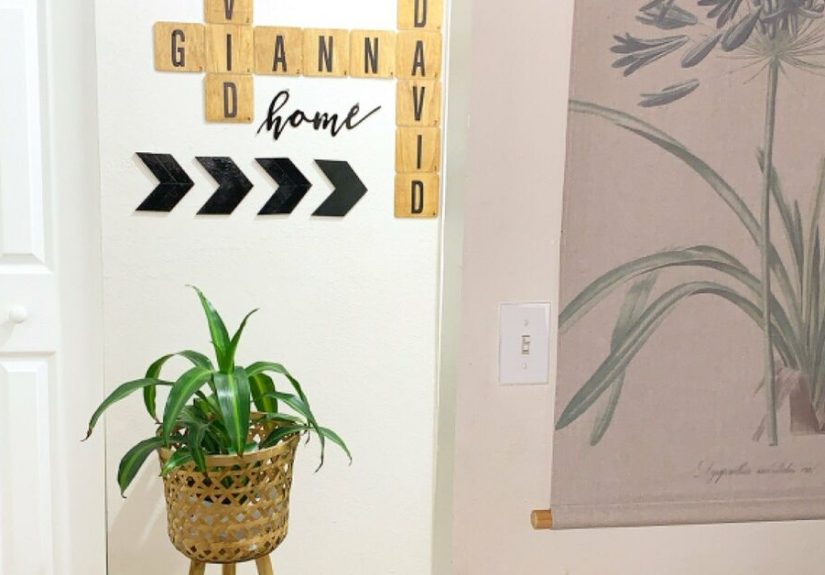
Most homeowners use these tiles to spell names, meaningful words, family roles, dates, or short phrases. The tiles are arranged crossword-style, with words intersecting at shared letters. For example, “FAMILY” might cross with “MOM,” “DAD,” “LOVE,” and children’s names. The finished display becomes part typography, part puzzle, and part family scrapbookwithout requiring anyone to dig through 9,000 blurry phone photos.
Why This Wall Art Trend Works
The idea works because it combines three strong design elements: geometry, nostalgia, and personalization. The square shape gives the display order. The game-inspired style gives it a friendly, familiar feeling. The words give it emotional value. That combination makes Scrabble tile wall decor especially popular in spaces where people gather, such as family rooms, dining rooms, playrooms, and kitchens.
It also adapts well to many interior styles. Natural wood tiles fit farmhouse, rustic, Scandinavian, cottage, and transitional homes. White tiles with black lettering feel modern and crisp. Dark-stained tiles add contrast to light walls. Painted tiles can work in nurseries, classrooms, craft rooms, and bright eclectic spaces.
A Quick Look at Scrabble Inspiration
Scrabble itself has a long history, which is part of the reason this decor idea feels so nostalgic. The game was created by architect Alfred Mosher Butts during the Great Depression, and it eventually became one of the most recognizable word games in the world. The traditional game uses a set of letter tiles with point values based partly on how common or rare each letter is. Common letters such as E and A are low-value, while rare letters such as Q and Z carry higher values.
For wall art, you do not have to follow official scoring perfectly, but using traditional-style point values makes the finished piece feel more authentic. It is a small detail, yet details are what separate “custom home decor” from “I printed this in a hurry while the glue gun was warming up.”
Best Places to Display Scrabble Tiles Wall Art
Scrabble tiles wall art can work almost anywhere, but it shines brightest when the words connect to the purpose of the room. The goal is not just to fill blank wall space. The goal is to make the wall feel intentional.
Living Room or Family Room
A family room is one of the most natural places for a Scrabble tile name wall. You can feature parents’ names, children’s names, pets’ names, or meaningful words such as “LAUGH,” “HOME,” “JOY,” and “TOGETHER.” Above a sofa, console table, or fireplace mantel, the grid can become a warm focal point.
Entryway
An entryway is perfect for a smaller arrangement. A last name, the word “WELCOME,” or a compact family-name puzzle can greet guests without overwhelming the space. If your entry is narrow, choose thinner tiles or a vertical layout.
Game Room
This is where Scrabble tiles wall art can really have fun. Try words like “PLAY,” “GAME,” “WIN,” “LUCK,” “SNACKS,” or “YOUR TURN.” If you have a board game shelf, a tile display above it adds instant personality.
Nursery or Child’s Room
Oversized letter tiles are excellent for a nursery or kid’s room because they are graphic, educational, and customizable. A child’s name, birth month, or sweet words like “DREAM” and “GROW” can make the room feel personal without relying on cartoon themes that may be outgrown quickly.
Home Office or Craft Room
For creative spaces, spell words that motivate you: “WRITE,” “MAKE,” “CREATE,” “FOCUS,” “BUILD,” or “IDEAS.” Just be careful with “FOCUS” if your desk is currently under a mountain of receipts, coffee cups, and optimistic notebooks.
How to Plan a Scrabble Tile Wall Layout
The layout is the heart of the project. Before buying materials or cutting wood, decide what words you want to include and how they will connect. This step can feel like solving a puzzle because, well, it is one.
Start With the Most Important Word
Begin with the longest or most meaningful word. In a family-name display, this might be the family surname or the longest first name. Place that word horizontally or vertically as the anchor. Then build the remaining words around it using shared letters.
For example, if the main word is “ANDERSON,” you might cross “DAD” through the D, “NORA” through the O, and “LOVE” through the E. If your words refuse to cooperate, do not take it personally. Some names are naturally puzzle-friendly, while others behave like they were designed by a committee of mischievous consonants.
Sketch Several Options
Use graph paper, a spreadsheet, a crossword generator, or a simple drawing app. Try at least three layout versions. A design that looks balanced on paper will usually look better on the wall. Pay attention to empty corners, awkward overhangs, and clusters that make one side feel heavier than the other.
Keep the Shape Balanced
The final arrangement does not need to be a perfect rectangle, but it should feel visually balanced. If one word sticks out too far, consider rotating another word or adding a short meaningful word to the opposite side. Common filler words include “LOVE,” “HOME,” “JOY,” “PLAY,” “FAMILY,” “FAITH,” “HOPE,” and “LAUGH.”
Measure the Wall First
Before choosing tile size, measure the available wall space. Leave breathing room around the display. As a general design rule, wall art above furniture often looks best when it relates to the width of the furniture below it, rather than floating like a tiny postage stamp in a giant desert of drywall.
Choosing the Right Tile Size
Tile size affects the entire look. Small tiles feel delicate and compact. Large tiles feel bold and dramatic. The most common DIY sizes range from 3 inches to 6 inches square, though oversized game-room versions can be even larger.
3-Inch Tiles
Three-inch tiles are good for small walls, nurseries, apartments, and layouts with many names. They are lightweight, easy to arrange, and less expensive to make. They also work well when mounted together as one piece.
4-Inch Tiles
Four-inch tiles are a popular middle ground. They are large enough to read from across the room but not so huge that a family of five suddenly requires an airport terminal wall.
5- or 6-Inch Tiles
Larger tiles create a strong focal point. They work beautifully above sofas, dining benches, game tables, and long console tables. However, the bigger the tile, the heavier the final display may become, so plan your hanging hardware carefully.
Materials for DIY Scrabble Tile Wall Art
You can make Scrabble-style wall tiles with simple materials. The exact supply list depends on your preferred look, budget, and tool comfort level.
Common Materials
- Wood squares, MDF squares, or thin plywood cut into equal tiles
- Sandpaper or sanding block
- Wood stain, paint, or clear sealer
- Black vinyl letters, stencils, paint pens, or printed transfers
- Measuring tape and ruler
- Painter’s tape
- Wood glue or strong craft adhesive
- Backing strips, balsa sheets, or thin plywood support pieces
- Sawtooth hangers, D-rings, picture wire, command strips for lightweight pieces, or French cleats for heavier displays
For the most polished finish, choose wood pieces with smooth surfaces and consistent thickness. Uneven tiles can still look charming, especially in rustic decor, but wildly mismatched pieces may make your wall look like it lost an argument with a lumber pile.
DIY Steps: How to Make Scrabble Tiles Wall Art
Step 1: Finalize Your Word Layout
Write down every word you want to include. Create a crossword-style design and count the number of tiles needed for each letter. Remember that shared letters reduce the total number of tiles. Once the layout is final, mark the overall width and height based on your tile size.
Step 2: Prepare the Tiles
Sand the fronts, sides, and corners of each tile. This removes rough edges and helps paint, stain, or vinyl adhere better. If you want a slightly worn farmhouse look, softly round the edges. For a modern look, keep corners crisp and clean.
Step 3: Paint or Stain
Apply stain or paint evenly and let the tiles dry completely. Natural wood gives the most classic Scrabble look. White or black paint creates a bold graphic style. Soft pastels can be charming in children’s rooms. If using stain, wipe away excess so the grain remains visible.
Step 4: Add Letters and Numbers
You can use vinyl decals, stencils, hand painting, wood burning, or laser engraving. Vinyl is beginner-friendly and gives crisp results. Stenciling is affordable but requires patience. Hand painting adds character, though it also introduces the thrilling possibility of one letter looking like it drank three espressos.
Place the letter in the center or slightly above center, then position the number value in the lower-right corner. Keep spacing consistent across every tile. Consistency is the secret sauce of this project.
Step 5: Seal the Tiles
A clear protective coat can help preserve the finish, especially if the tiles will be handled, dusted often, or displayed in a busy room. Use a matte, satin, or gloss finish depending on your style. Matte looks soft and modern. Satin is versatile. Gloss adds shine but may reflect light.
Step 6: Assemble the Display
Lay the tiles face down on a clean floor or table in the final arrangement. Use painter’s tape to hold sections together temporarily. Then attach backing strips across the rear of the tiles so the display becomes one stable piece. Thin plywood, balsa wood, or narrow wood strips can work well.
Do not rely on one tiny strip for a large layout. Spread support across several rows and columns. The backing should connect the tiles securely without being visible from the front.
Step 7: Add Hanging Hardware
Choose hardware based on weight. Lightweight displays may use sawtooth hangers or picture strips. Medium displays often do better with D-rings and picture wire. Heavy or oversized pieces should be mounted into studs when possible or supported with appropriate wall anchors or a French cleat system.
Always check the weight rating of your hardware. The best wall art is the kind that stays on the wall instead of making a surprise midnight leap behind the couch.
Design Ideas for Scrabble Tiles Wall Art
Family Name Crossword
This is the classic approach. Use first names, last names, nicknames, and pet names. Add one or two emotional words to round out the design. This makes a thoughtful gift for weddings, anniversaries, housewarmings, and grandparents.
One-Word Statement
A single word can be powerful. Try “HOME” in an entryway, “EAT” in a kitchen, “READ” in a library nook, or “PLAY” in a game room. Use larger tiles for impact.
Seasonal Tile Display
Create removable or interchangeable words for holidays and seasons. “THANKFUL,” “MERRY,” “COZY,” “SPRING,” and “BOO” can be displayed at different times of year. This works best if the tiles sit on a ledge rather than being permanently connected.
Wedding or Anniversary Art
Use the couple’s names, wedding date, shared last name, and words such as “FOREVER,” “VOWS,” “LOVE,” and “HOME.” Choose a stain that matches their decor for a gift that feels personal rather than generic.
Classroom or Homeschool Wall
Scrabble-style tiles fit beautifully in learning spaces. Spell “READ,” “THINK,” “LEARN,” “GROW,” and “ASK.” The design reinforces language and creativity while keeping the room cheerful.
Common Mistakes to Avoid
Using Tiles That Are Too Small
If the display is meant to be a focal point, tiny tiles can disappear on the wall. Measure first and choose a size that suits the room.
Skipping the Layout Test
Never glue before testing the full design. Lay everything out, step back, take a photo, and check the balance. Photos reveal awkward spacing faster than staring at the floor while muttering, “Something is weird, but I can’t prove it.”
Ignoring Wall Color
Light wood on a beige wall may look too subtle. Dark tiles on dark paint may disappear. Aim for contrast so the letters are easy to read.
Choosing Weak Hanging Hardware
This is the big one. A connected tile display can weigh more than expected. Use hardware rated for the piece, and mount into studs when possible. For heavy pieces, drywall anchors or French cleats provide better support than basic nails.
How to Style Scrabble Tiles With Other Decor
Scrabble tiles wall art looks great on its own, but it can also be part of a larger display. Pair it with framed family photos, floating shelves, small plants, clocks, mirrors, or vintage game boards. The trick is to let the tiles remain the star.
If the tile layout is busy, keep surrounding decor simple. If the tile layout is minimal, you can layer it with other pieces. Try repeating one material, such as black metal, natural wood, or white frames, to keep the wall cohesive.
Farmhouse Style
Use natural or lightly stained wood tiles, black letters, and a matte finish. Pair with woven baskets, greenery, white shiplap, or simple black frames.
Modern Style
Choose crisp white tiles, bold black letters, and clean spacing. Keep the layout symmetrical and avoid distressed finishes.
Rustic Style
Use darker stain, imperfect edges, and slightly weathered surfaces. This approach looks great with leather furniture, brick walls, and warm lighting.
Colorful Eclectic Style
Paint the tiles in coordinated colors or use a bright wall behind them. This works especially well in creative rooms, playrooms, and casual family spaces.
Buying Custom Scrabble Tiles Wall Art vs. Making It Yourself
Buying custom Scrabble tiles wall art is convenient and usually gives you a polished result. Many makers offer different tile sizes, stains, fonts, and layout previews. This is a smart choice if you want a gift, lack tools, or need a professional finish.
DIY is better if you enjoy crafting, want full control, or need to stay on a tighter budget. It also lets you experiment with color, size, and materials. The trade-off is time. Cutting, sanding, staining, lettering, sealing, assembling, and hanging can take longer than expected. This is not a “five minutes before guests arrive” project unless your guests enjoy watching emotional woodworking.
Personal Experience: What Scrabble Tiles Wall Art Teaches You
Creating Scrabble tiles wall art is one of those projects that looks simple in photos and then quietly teaches you seven life lessons before lunch. The first lesson is that names have personalities. Some names slide perfectly into a crossword layout, sharing letters like polite dinner guests. Others refuse to connect with anything. A name with lots of rare letters may look fantastic on a real Scrabble rack, but on a wall layout it can become a puzzle boss level.
The second lesson is that measuring matters more than enthusiasm. Enthusiasm says, “Let’s make six-inch tiles!” Measuring says, “Congratulations, your finished family-name display is now wider than the garage door.” Before committing to a tile size, mock up the total dimensions with paper squares or painter’s tape on the wall. This simple step prevents expensive mistakes and mild personal embarrassment.
The third lesson is that consistency makes homemade work look professional. The letters do not need to be fancy, but they need to be aligned. The number values should sit in the same corner on every tile. The stain should be even. The spacing should feel intentional. Small inconsistencies are charming; random chaos is less charming, unless the theme is “word game during a tornado.”
Another important experience is learning how much the backing matters. Individual tiles may look adorable on the table, but once they become a connected wall piece, they need structure. Backing strips keep the display straight, stable, and easier to hang. Without support, tiles can shift, sag, or separate over time. If the art is large, treat it like real wall decor, not a temporary craft.
Hanging the piece is also a reality check. A display made from wood tiles can become heavier than expected. This is where proper hardware saves the day. For small pieces, sawtooth hangers or picture strips may be enough. For medium and large displays, stronger hardware is worth the extra effort. Finding studs, using anchors correctly, and checking level placement are not glamorous steps, but neither is explaining why “GRANDMA” fell off the wall at 2 a.m.
The best part of Scrabble tile wall art is the reaction it gets. Guests stop and read it. Kids point out their names. Grandparents get sentimental. Board-game lovers smile. It becomes interactive in a small but meaningful way. Unlike generic wall art, it invites people to decode the story behind the words.
From a decorating perspective, this project also proves that personal design does not need to be complicated. A few squares of wood, carefully chosen words, and a balanced layout can turn a plain wall into something memorable. It is affordable, customizable, and flexible enough to fit many homes. More importantly, it feels like it belongs to the people who live there.
If there is one practical takeaway, it is this: plan twice, glue once, and hang with hardware that could handle more than the display weighs. If there is one emotional takeaway, it is that a home becomes more interesting when it includes pieces that tell your story. Scrabble tiles wall art does exactly thatone letter, one name, and one tiny point value at a time.
Conclusion
Scrabble tiles wall art is more than a cute decor trend. It is a personal, flexible, and surprisingly stylish way to turn names and meaningful words into a visual centerpiece. Whether you create a family-name crossword, a one-word statement, a nursery display, or a playful game-room feature, the key is thoughtful planning. Choose the right tile size, test your layout, keep lettering consistent, and hang the finished piece safely.
The result is wall decor with warmth, humor, and character. It celebrates language, family, creativity, and the simple joy of seeing familiar words arranged in a clever way. And if anyone questions your design choice, just tell them it scores triple word points for personality.