Table of Contents >> Show >> Hide
- Why Thrifting Home Decor Is Still Worth It
- Regret #1: The Upholstered Chair That Looked Chic but Smelled Like a Basement
- Regret #2: The Vintage Lamp With Dangerous Wiring
- Regret #3: The Area Rug That Was the Wrong Size, Wrong Smell, and Wrong Everything
- How to Avoid Thrifted Home Decor Mistakes
- What I Still Love Buying Secondhand
- Extra Experience: What My Thrifting Mistakes Taught Me About Decorating With Confidence
- Conclusion: Thrift Smarter, Not Harder
Thrifting home decor can feel like treasure hunting with a shopping cart. One minute you are flipping through dusty frames, the next you are convinced a $12 brass lamp will single-handedly turn your living room into a moody boutique hotel. I love secondhand shopping for its charm, sustainability, and wallet-friendly surprises. But not every thrifted home decor find deserves a victory lap.
Some pieces come home looking like bargains and slowly reveal themselves as tiny domestic villains. They smell weird. They need rewiring. They are the wrong size. They have “character,” which sometimes means stains with a mysterious backstory. After a few decorating mistakes, I learned that the best thrift shoppers are not just creative. They are suspicious in a very polite way.
This article is about three pieces of home decor I regret thrifting, why they went wrong, and what I now check before buying secondhand furniture, vintage lighting, rugs, and decorative accents. Consider it a friendly warning from someone who once believed enthusiasm could remove pet odor. Spoiler: it cannot.
Why Thrifting Home Decor Is Still Worth It
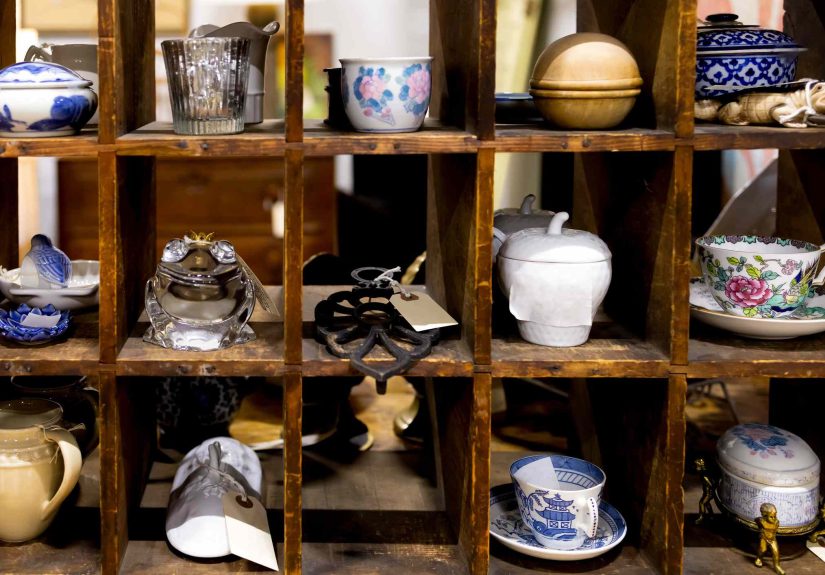
Before we start roasting my past purchases, let’s be clear: thrifting is not the problem. Secondhand decorating can be a brilliant way to build a home with personality. Vintage mirrors, solid wood tables, ceramic vases, framed art, baskets, books, and small decorative objects can make a room feel collected instead of copied from a showroom.
Thrifted decor also supports a more sustainable home. Buying used keeps items out of landfills and reduces demand for newly manufactured goods. A well-made vintage dresser, for example, can outlast plenty of modern flat-pack furniture. A thrifted stoneware bowl can look better on a coffee table than something mass-produced and aggressively beige.
The trick is knowing the difference between a smart secondhand score and a future regret wearing a cute price tag. My biggest lesson? A low price does not automatically mean a good deal. A $20 item that costs $300 to fix, clean, or replace is not a bargain. It is a financial jump scare.
Regret #1: The Upholstered Chair That Looked Chic but Smelled Like a Basement
The first piece of home decor I regret thrifting was an upholstered accent chair. It had the perfect shape: curved back, tapered legs, just enough vintage flair to whisper, “I read design magazines.” In the store, I gave it a quick once-over and decided it was meant to be. The fabric looked decent under fluorescent lighting, which, as we all know, is where judgment goes to take a nap.
Once I got it home, the problems appeared. First came the smell. Not a dramatic smell, but a quiet, stubborn mustiness that settled into the room like an unwanted roommate. Then I noticed faint stains near the seams. Then I started worrying about what could be hiding inside the upholstery: dust mites, allergens, mold, pests, old spills, and the emotional weight of someone’s forgotten den.
Why Used Upholstered Furniture Can Be Risky
Upholstered furniture is tricky because the outside rarely tells the whole story. Fabric, foam, padding, seams, and cushion interiors can hide odors, moisture damage, pet stains, and pests. A wood coffee table can usually be cleaned, sanded, or refinished. A used chair with mystery padding is a different beast.
Bed bugs are one of the biggest concerns with secondhand sofas, chairs, and headboards. They can hide in seams, crevices, cushion folds, screw holes, and dark corners. Even if you do not see live insects, signs like tiny black spots, shed skins, or rust-colored stains can be red flags. Mold is another issue. If a piece has been stored in a damp basement, garage, or storage unit, that musty smell may not disappear with a cute throw pillow.
Reupholstering can solve some problems, but it is often more expensive than people expect. By the time you pay for fabric, labor, foam, repairs, and pickup or delivery, your thrifted chair may cost more than a new one. Unless the frame is exceptional, the shape is rare, or you already planned for professional restoration, used upholstery can become a budget trap.
What I Learned Before Buying Upholstered Decor Again
Now I inspect upholstered furniture like I am solving a tiny crime. I check seams, cushion zippers, the underside, legs, corners, and the back panel. I smell it. Yes, right there in the store. Dignity is nice, but not as nice as a fresh-smelling living room. I also press on the cushions to see if the foam has life left in it, sit on the piece for more than two seconds, and look for sagging, wobbling, stains, or crunchy fabric.
My new rule is simple: I only thrift upholstered furniture if it is small, easy to clean, structurally solid, and worth the cost of professional cleaning or reupholstery. A small footstool? Maybe. A giant sectional with a suspicious scent and a “final sale” sign? Absolutely not. I have grown as a person.
Regret #2: The Vintage Lamp With Dangerous Wiring
The second thrifted decor mistake was a vintage lamp. It was tall, sculptural, and wonderfully dramatic. I imagined it glowing beside a reading chair, making the room look layered and expensive. In reality, it flickered, buzzed, and had a cord that looked like it had survived three decades and one minor haunting.
At first, I told myself it probably just needed a new bulb. This is what optimism sounds like before it meets electrical reality. When I looked closer, the plug was old, the cord felt brittle, and the socket seemed loose. Suddenly, my stylish lamp looked less like decor and more like a fire hazard with a lampshade.
Why Thrifted Lighting Needs Extra Caution
Vintage lighting can be beautiful, but lamps and light fixtures are not just decorative objects. They are electrical products. Old cords, outdated plugs, damaged sockets, missing safety labels, and altered wiring can create shock or fire risks. Some older lighting may also have parts that do not meet current safety expectations.
Floor lamps, especially older halogen torchiere styles, have been associated with safety concerns when missing protective guards or when used with improper bulbs. Hardwired vintage fixtures can be even more complicated because installation may require an electrician. A chandelier that costs $40 at a thrift store may need rewiring, mounting hardware, replacement sockets, and professional installation. Suddenly, that “steal” is wearing a tuxedo and asking for a contractor.
Another common decorating mistake is hiding lamp cords under rugs or furniture. It may look neat, but covered cords can overheat or become damaged where you cannot see them. Style should never require pretending electrical safety is optional.
What I Learned Before Buying Thrifted Lamps Again
Now I only buy secondhand lamps if I can inspect them thoroughly. I check the cord for cracks, fraying, stiffness, exposed wire, tape, discoloration, or loose connections. I look for a safety certification label when available. I test the switch if the store allows it. I check that the lamp sits securely and does not wobble like it has secrets.
If a lamp is truly special, I factor rewiring into the price before buying it. A beautiful vintage lamp can absolutely be worth saving, but I treat rewiring as part of the cost, not an annoying surprise. For hardwired fixtures, I do not buy unless I am prepared to consult a qualified electrician. The new motto: no glow-up is worth a meltdown.
Regret #3: The Area Rug That Was the Wrong Size, Wrong Smell, and Wrong Everything
The third thrifted home decor item I regret buying was an area rug. I found it rolled up in a corner, saw a pattern I liked, and made the classic beginner mistake: I guessed the size. Guessing rug size is like guessing jeans size under pressure. Sometimes it works, but usually it ends with regret and furniture pushed into strange positions.
When I unrolled the rug at home, it was too small for the room, slightly warped at the edges, and carrying a faint odor that had not introduced itself in the store. I tried vacuuming. I tried airing it out. I tried pretending it was charming. Eventually, I admitted it made the room look unfinished and smelled like a dog had once considered it a long-term relationship.
Why Secondhand Rugs Can Be a Decorating Gamble
Rugs are one of the most powerful pieces in a room. The right rug anchors furniture, adds warmth, improves acoustics, and makes a space feel intentional. The wrong rug makes everything look like it is floating away from each other at a family reunion.
Secondhand rugs can be difficult because they absorb life. Pets, spills, smoke, moisture, dust, allergens, and old cleaning products can settle into fibers. Some stains are invisible in store lighting and appear later under natural light. Some odors wake up only after the rug has been unrolled in your warm living room, because apparently rugs enjoy suspense.
Cleaning can also be expensive. Professional rug cleaning may cost more than the rug itself, especially for large, delicate, wool, silk, or vintage pieces. And if the rug is made from a material that does not clean well, stains may never fully disappear.
What I Learned Before Buying Secondhand Rugs Again
My first rule now is measurement. I measure the room, the seating area, the bed, or the dining table before shopping. I keep those dimensions in my phone because I do not trust my brain in the presence of a bargain. For living rooms, I usually want at least the front legs of major furniture pieces on the rug. For dining rooms, the rug needs enough room for chairs to slide out without catching the edge.
My second rule is the sniff test. If a rug smells musty, smoky, sour, or pet-like in the store, I leave it. No amount of wishful thinking will turn “wet basement chic” into “quiet luxury.” I also check the backing, edges, fringe, pile, and corners for damage, shedding, stains, moth activity, or uneven wear.
My third rule is to only buy a secondhand rug if it is either easy to clean or special enough to justify professional cleaning. A high-quality vintage wool rug in good condition might be worth the effort. A cheap machine-made rug with stains and curled corners is not a rescue mission. It is homework.
How to Avoid Thrifted Home Decor Mistakes
After these three regrettable purchases, I changed how I shop. I still love thrifting, but I no longer walk into a store with “maybe this will work” energy. I go in with measurements, a flexible list, and the emotional strength to leave empty-handed.
Bring Measurements and Photos
Before shopping for thrifted home decor, measure your walls, floor space, tabletops, windows, shelves, and doorways. Take photos of the room you are decorating. A mirror that looks medium-sized in a thrift store may look comically tiny over your sofa. A chair that seems compact may not fit through your hallway. A rug that appears large while rolled up may actually be the size of a bath mat with ambition.
Calculate the Real Cost
The sticker price is only the beginning. Add cleaning, repair, paint, hardware, rewiring, reupholstery, delivery, pest treatment, or professional installation. If the final cost still makes sense, great. If not, admire the piece, whisper “not today,” and move along.
Inspect Like a Professional
Look under, inside, behind, and around every piece. Open drawers. Test hinges. Wiggle legs. Check cords. Smell fabric. Look for water marks, cracks, chips, missing parts, rust, mold, loose joints, and signs of pests. Thrifting rewards patience. Rushing rewards regret.
Avoid Project Pieces Unless You Actually Enjoy Projects
Some people love sanding, painting, stripping, sewing, rewiring, and restoring. Others like the idea of being that person. Know which one you are. There is no shame in buying decor that is already ready to use. Your home is not required to become a craft warehouse.
What I Still Love Buying Secondhand
Even with my regrets, I still believe thrift stores, estate sales, consignment shops, architectural salvage stores, and online marketplaces can be gold mines. I just focus on safer, easier, lower-risk categories.
Solid wood furniture is one of my favorite secondhand buys, especially dressers, side tables, nightstands, benches, and shelves. Wood can often be cleaned, repaired, refinished, or painted. I also love mirrors, ceramic vases, brass candlesticks, baskets, trays, picture frames, coffee table books, stoneware bowls, and small art pieces. These items add texture and character without requiring me to gamble on hidden foam, questionable wiring, or rug odors with a complicated past.
The best thrifted pieces usually have good bones, useful proportions, and materials that can be cleaned. They also fit your actual home, not the fantasy home you apparently own when standing in aisle four.
Extra Experience: What My Thrifting Mistakes Taught Me About Decorating With Confidence
The biggest experience I gained from regretting thrifted decor is that decorating confidence does not mean buying everything that catches your eye. It means knowing when to say no. That was hard for me at first. Thrift stores create urgency. You see one interesting piece, and suddenly your brain shouts, “Buy it now or someone else will own your destiny!” But decorating under pressure rarely leads to a better home.
I learned to pause. If I find something tempting, I ask three questions: Where will it go? What problem does it solve? What will it cost after cleaning or repairs? If I cannot answer quickly, I take a photo and walk around the store. Most of the time, the spell breaks somewhere between the mug aisle and the framed motivational quotes.
I also learned that style is not built by collecting random “cool” objects. A home needs rhythm. It needs scale, function, comfort, and breathing room. A thrifted chair may be beautiful, but if it blocks a walkway, smells odd, and needs expensive fabric, it is not helping the room. A lamp may be sculptural, but if the cord is unsafe, it belongs at a repair shop, not beside your sofa. A rug may have a great pattern, but if it is too small, the whole room can feel off balance.
Another lesson: secondhand shopping works best when you know your personal style. When I was unsure, I bought pieces because they were cheap, trendy, or “kind of interesting.” That is how clutter sneaks in wearing vintage earrings. Now I keep a simple note on my phone with colors, materials, and shapes I love. Warm wood, aged brass, simple ceramics, natural fibers, black frames, classic silhouettes. This little list keeps me focused when the thrift store starts throwing novelty lamps and oddly shaped baskets at my decision-making skills.
I also stopped treating every flaw as charming. Some imperfections add character: a little patina on brass, a small scratch on wood, gentle wear on a vintage frame. Other flaws are warnings: deep smells, water damage, unstable legs, frayed wiring, cracked glass, active rust, peeling unknown paint, or sticky residue that suggests a previous life in a very enthusiastic kitchen. Charm should not require disinfecting your personality.
Finally, I learned that leaving a thrift store empty-handed is not failure. It is strategy. The best secondhand shoppers are patient. They visit often, know what they need, check quality carefully, and do not confuse scarcity with suitability. The goal is not to own the most thrifted decor. The goal is to create a home that feels layered, comfortable, safe, and genuinely yours.
So yes, I regret the chair, the lamp, and the rug. But I do not regret the lessons. They made me a better shopper and a better decorator. Now my home has fewer “what was I thinking?” pieces and more items that earn their place. And when I do find a true thrift-store treasure, I enjoy it even more because I know it passed the test: it fits, it functions, it is safe, and it does not smell like a basement with unresolved issues.
Conclusion: Thrift Smarter, Not Harder
Thrifting home decor is still one of the most enjoyable ways to decorate with personality, save money, and reduce waste. But the best finds are not always the flashiest ones. Upholstered furniture, vintage lighting, and secondhand rugs can be wonderful in the right circumstances, but they require careful inspection, realistic budgeting, and a willingness to walk away.
My regrets taught me that every thrifted piece should pass three tests: safety, cleanliness, and fit. If it cannot be cleaned, repaired, used safely, or placed beautifully in your home, it is not a bargain. It is a future donation with a receipt.
The good news? Once you learn what to avoid, thrifting becomes even more fun. You shop with sharper eyes, better instincts, and fewer accidental science experiments in your living room. The perfect secondhand find is out there. Just bring a tape measure, trust your nose, inspect the wiring, and never let a cute price tag bully you into bad decor decisions.