Table of Contents >> Show >> Hide
- Lay the Foundation for a Light-Filled Room
- Make the Space Comfortable Enough to Actually Use
- Decorate with Texture, Personality, and a Bit of Charm
- Create Zones That Make the Room More Useful
- Use Design Tricks That Help the Room Feel Bigger and Better
- Why These Sunroom Decorating Ideas Work So Well
- Real-Life Experiences: What It Feels Like to Have a Bright, Relaxing Sunroom
- Conclusion
A sunroom is one of those magical spaces that somehow makes coffee taste better, books feel smarter, and rainy afternoons seem downright cinematic. It sits in that sweet spot between indoors and outdoors, which means the best sunroom decorating ideas do more than make the room look pretty. They help the space feel calm, useful, welcoming, and easy to enjoy from morning to night.
The trick is not stuffing the room with trendy decor and hoping the sunlight forgives you. A well-designed sunroom balances natural light, comfort, texture, and function. Whether you have a tiny enclosed porch, a polished four-season room, or a casual Florida room with a slightly chaotic collection of plants and one suspiciously dramatic wicker chair, these ideas can help you shape a bright, relaxing retreat that actually works for everyday life.
Below, you’ll find 30 smart, stylish, and realistic ways to decorate a sunroom, plus a deeper look at what it feels like to live with one when the design is done right.
Lay the Foundation for a Light-Filled Room
1. Let the view be the main event
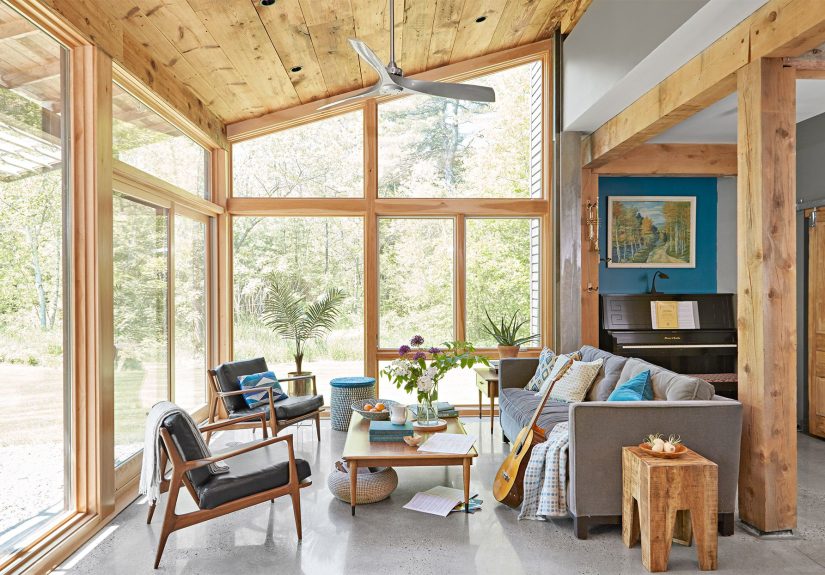
In a sunroom, the outdoors is already doing a lot of heavy lifting, so don’t fight it. Arrange furniture to face the windows, garden, lake, or backyard instead of turning every seat toward a television. When the layout honors the view, the room instantly feels calmer and more intentional.
2. Choose a light, easygoing color palette
Soft whites, warm beige, pale green, sandy taupe, muted blue, and sun-washed terracotta all work beautifully in a sunroom. These shades reflect daylight and keep the room airy. If you want more personality, add it through accents instead of coating the whole room in a color that feels like it’s yelling.
3. Use natural materials everywhere you can
Rattan, wicker, jute, linen, cotton, wood, stone, and cane instantly help a sunroom feel grounded. Since the room already connects to the outdoors, these materials strengthen that indoor-outdoor flow. They also layer beautifully, which matters in a space that can look flat if everything is too smooth or too matched.
4. Keep large furniture visually light
Bulky pieces can make a sunroom feel crowded fast, especially when there’s lots of glass and not much wall space. Opt for furniture with open legs, slim frames, or woven textures that let light move around the room. A room full of sunshine should not feel like it’s wearing hiking boots.
5. Pay attention to the ceiling
The ceiling is often the most overlooked design surface in a sunroom. Paint it a soft color, add wood planks, expose beams, or install a statement pendant. A beautiful ceiling draws the eye up and gives the room architecture, even if the footprint is simple.
6. Add window treatments that soften, not smother
Sunrooms need light, but they also need comfort. Sheer curtains, bamboo shades, Roman shades, or light-filtering drapery give you privacy and glare control without turning the room into a cave. Skip anything too heavy unless you’re deliberately going for cozy winter lounge energy.
Make the Space Comfortable Enough to Actually Use
7. Build a seating plan around how you relax
Before buying anything, decide what this room is for. Morning coffee? Reading? Casual entertaining? Afternoon naps that start as “just resting my eyes”? A pair of lounge chairs may be perfect for conversation, while a sofa and ottoman might better suit a room built for long, lazy weekends.
8. Add at least one truly comfortable chair
Every relaxing sunroom needs one seat that makes people say, “Oh no, I live here now.” That might be an oversized armchair, a deep-cushioned wicker lounger, or a daybed tucked by the windows. Style matters, but comfort is what makes the room feel lived in instead of staged.
9. Include a small table within arm’s reach
A sunroom without side tables looks great until someone has a drink, a candle, a book, a phone, or a plate of snacks. Add one next to every main seat when possible. Even a slim pedestal table can make the room more useful and much more welcoming.
10. Layer rugs for warmth and texture
Rugs help define the space, soften hard flooring, and make a sunroom feel more like a real room instead of an in-between zone. A large natural fiber rug topped with a smaller patterned rug is a classic formula. It adds depth without feeling fussy.
11. Use performance fabrics when the room gets a lot of sun
Sunrooms are bright by design, which is wonderful for mood and terrible for delicate upholstery. Choose fade-resistant fabrics, washable slipcovers, or indoor-outdoor textiles if the room gets strong direct light. This is one of those practical choices that saves you from future heartbreak and oddly patchy cushions.
12. Bring in a ceiling fan or portable fan
A relaxing space should not feel like a greenhouse in July. A ceiling fan keeps air moving and makes the room more comfortable across seasons. Bonus: many fans now look polished enough to contribute to the decor instead of screaming “builder-grade compromise.”
Decorate with Texture, Personality, and a Bit of Charm
13. Mix patterns in a controlled way
Sunrooms can handle pattern well because natural light keeps things feeling lively. Combine stripes, florals, botanicals, checks, or subtle geometrics, but keep them in a related color family. The goal is collected and relaxed, not “the fabric store exploded.”
14. Add throw pillows, but edit them
Pillows are a quick way to introduce color and comfort, especially in wicker or wood-framed seating. Use a mix of sizes and textures, then stop before the sofa becomes unusable. Decorative pillows should support your back, not launch a negotiation every time you sit down.
15. Style with plants that suit the light
A sunroom and greenery go together like lemonade and summer. Try pothos, snake plants, fiddle-leaf figs, palms, herbs, or flowering plants depending on the exposure. Just match the plant to the sunlight you actually have, not the sunlight you emotionally wish you had.
16. Use mirrors to bounce daylight around
A well-placed mirror can reflect garden views, amplify natural light, and make a small sunroom feel larger. Lean a mirror on a wall, hang one above a console, or use mirrored accessories sparingly. It is one of the easiest ways to make the room sparkle without adding clutter.
17. Add a statement light fixture
Even the brightest sunroom needs lighting after sunset. A woven pendant, antique chandelier, sculptural lantern, or pair of sconces can bring character and warmth. Good sunroom decor should look lovely during the day and still feel inviting once the sun clocks out.
18. Decorate with a few meaningful objects
Sunrooms shine when they feel personal rather than over-styled. A vintage tray, ceramic planter, stack of favorite books, framed botanical prints, or a treasured woven basket gives the space soul. Choose pieces that tell a small story instead of filling every surface just because it’s empty.
Create Zones That Make the Room More Useful
19. Turn one corner into a reading nook
If your sunroom has even a sliver of extra space, claim it for reading. Add a chair, lamp, small stool, and cozy throw. Suddenly the room has a destination, not just a general vibe. A dedicated nook also helps smaller sunrooms feel purposeful and complete.
20. Add a breakfast table for everyday charm
A small round table and two to four chairs can transform a sunroom into the happiest place to eat toast. This setup works especially well in homes without a large breakfast area. It also makes the room more versatile for card games, working from home, or pretending you’re on vacation on a Tuesday.
21. Include a bench with hidden storage
Storage is a quiet hero in any well-decorated room. A window bench, storage ottoman, or lidded trunk can hold throws, gardening supplies, games, or seasonal decor while adding seating. In small sunroom ideas, multifunctional furniture is not optional; it’s the whole strategy.
22. Use a console table as a flexible anchor
A narrow console gives you a place for lamps, plants, trays, and decor without taking over the room. It also helps define the edge of a seating area in open-plan spaces. Think of it as the polite overachiever of sunroom furniture.
23. Carve out a mini indoor garden station
If you love houseplants, dedicate one shelf, tiered stand, or corner to them instead of scattering pots everywhere. Grouping greenery looks cleaner and makes watering easier. It also gives the room a lush focal point that feels intentional rather than accidental.
24. Set up a simple entertaining zone
A bar cart, tray table, or cabinet stocked with glasses and a pitcher makes a sunroom instantly more guest-friendly. You do not need a full cocktail lounge. You just need a spot that says, “Yes, you may absolutely stay for another iced tea.”
Use Design Tricks That Help the Room Feel Bigger and Better
25. Float furniture instead of pushing everything to the walls
It seems logical to line the perimeter with furniture, but that can make a sunroom feel stiff and awkward. Floating a sofa or pair of chairs around a rug often creates a more balanced layout. Leave enough space for traffic flow and let the arrangement breathe.
26. Choose fewer, better pieces
Because sunrooms often have smaller footprints and lots of visual openness, clutter shows up fast. Instead of filling every corner, invest in a handful of strong pieces that earn their place. A calm room usually feels more luxurious than a crowded one, even on a budget.
27. Repeat one or two colors throughout the room
Color repetition creates harmony. Maybe it’s green through plants, pillows, and artwork, or blue through trim, ceramics, and textiles. Repeating shades gives the room rhythm and polish without making everything match like a furniture showroom from 2007.
28. Blend indoor and outdoor furniture thoughtfully
Many of the best sunroom decorating ideas borrow from both worlds. Indoor lamps and art make the room feel finished, while outdoor-friendly chairs or tables add practicality. Mixing the two creates a space that feels relaxed, resilient, and ready for real life.
29. Embrace seasonal styling
One of the joys of a sunroom is that it changes with the year. In spring, load it with fresh greens and floral accents. In summer, go breezy and simple. In fall, add warm throws and earthy colors. In winter, introduce candlelight, heavier textiles, and cozy layers. The room should evolve, not sit frozen in one mood forever.
30. Make relaxation the design goal
Above all, a sunroom should feel easy. Not perfect. Not precious. Easy. If every choice supports comfort, light, and a sense of escape, the room will work. The best bright relaxing space is the one people naturally drift toward without being told to admire it first.
Why These Sunroom Decorating Ideas Work So Well
What makes a great sunroom different from a regular sitting area is emotional function. It is not just another room with chairs in it. It is the place where the day slows down a little. Good sunroom decor uses daylight as a design element, then supports it with soft materials, comfortable seating, greenery, and practical layers that make the room usable beyond one perfect hour in the afternoon.
That balance matters. Too many decorative objects can make a sunroom feel busy. Too little warmth can make it feel unfinished. But when you mix airy color, thoughtful furniture placement, flexible lighting, and natural texture, the result is a room that feels restorative. It becomes a place to read, talk, nap, work, snack, stare dramatically at the rain, and generally behave like someone in a home magazine without having to clean for the photographer.
Real-Life Experiences: What It Feels Like to Have a Bright, Relaxing Sunroom
Living with a well-designed sunroom changes the rhythm of a home in ways that are surprisingly practical. In the morning, it often becomes the quietest place to start the day. The light comes in softly, the house still feels calm, and even a basic mug of coffee feels slightly upgraded when you’re drinking it next to a wall of windows. It becomes a ritual space without trying too hard.
By late morning, the room can shift into a work zone. A small table, comfortable chair, and decent cushion are often enough to make the space feel productive without the heaviness of a formal office. People tend to focus better in rooms with natural light, and a sunroom has a way of making ordinary tasks feel less like punishment. Answering emails near a plant and a breeze is still answering emails, but at least the setting is trying to help.
Afternoons are where the room really earns its keep. Kids drift in with books or games. Pets claim the sunny patch on the floor like they pay the mortgage. Someone reads, someone scrolls, someone waters plants, and nobody feels crowded because the room naturally encourages lighter, quieter activity. The best sunrooms don’t demand attention. They just keep gently inviting people back.
Rainy weather might be the most underrated sunroom experience of all. When the space is decorated with layered rugs, soft throws, warm lighting, and comfortable seating, a rainy day becomes an event. You hear the weather, you watch the sky shift, and you still feel protected. It is the cozy drama of being near the outdoors without committing to wet socks.
Even hosting changes in a sunroom. Guests tend to linger there longer than expected because the room feels informal and bright. It is easier to talk, easier to relax, and easier to move between indoor comfort and outdoor views. A tray of drinks, a few good chairs, and one lamp glowing in the corner can make the whole room feel effortlessly hospitable.
Over time, a decorated sunroom also teaches restraint. You notice which plants truly thrive, which chair everyone fights over, which rug can survive real life, and which decorative accents were never more than optimistic clutter. The room gets better as it becomes more edited and more personal. That is part of its charm. A sunroom should not feel frozen in a showroom moment. It should feel like your home got a little brighter and a lot easier to enjoy.
Conclusion
The best sunroom decorating ideas are not about following a single style. They are about building a room that feels full of light, easy to use, and pleasantly connected to the outdoors. Start with comfort, add natural texture, protect the openness of the space, and let the room evolve with the seasons. Do that well, and your sunroom will become less of a bonus room and more of a daily retreat.