Table of Contents >> Show >> Hide
- Understanding Diarrhea in Lovebirds Before You Treat It
- Common Causes of Diarrhea in Lovebirds
- Way 1: Stabilize Your Lovebird With Warmth, Hydration, and Careful Monitoring
- Way 2: Correct Diet, Cleanliness, and Stress Triggers
- Way 3: Get an Avian Vet Diagnosis and Use the Right Treatment
- How to Tell If Your Lovebird Is Improving
- What Not to Do When a Lovebird Has Diarrhea
- Practical Home Checklist for Diarrhea in Lovebirds
- Experience-Based Tips for Caring for a Lovebird With Diarrhea
- Conclusion
Lovebirds are tiny, dramatic, and deeply committed to acting perfectly fine even when something is wrong. One minute they are chirping like feathered opera stars; the next, you notice watery droppings on the cage paper and suddenly your peaceful morning has become a full investigative documentary called What Happened in the Bird Cage?
Diarrhea in lovebirds is not something to ignore. Because birds are small and fast-metabolizing, dehydration, infection, stress, diet problems, and digestive disease can become serious quickly. The good news is that many cases can be managed successfully when you respond early, keep your bird warm and hydrated, clean up the environment, and get help from an avian veterinarian when symptoms do not improve.
This guide explains three practical ways to treat diarrhea in lovebirds: stabilizing your bird at home, correcting diet and cage conditions, and working with an avian vet for proper diagnosis and treatment. It is written for careful bird parents who want useful, realistic advicenot panic, not guesswork, and definitely not “just toss some mystery medicine in the water and hope for the best.”
Understanding Diarrhea in Lovebirds Before You Treat It
Before treating diarrhea in lovebirds, it helps to understand what normal bird droppings look like. A healthy lovebird dropping usually has three parts: the feces, which are the formed greenish or brownish portion; the urates, which are the white or cream-colored waste from the kidneys; and the urine, which is the clear liquid around the dropping. A little variation is normal, especially after eating juicy fruits or vegetables.
True diarrhea means the fecal part of the dropping becomes loose, unformed, slimy, unusually smelly, or mixed with excess fluid. This is different from polyuria, where the feces may still be formed but surrounded by more liquid urine. Lovebirds can have wetter droppings after eating watery foods such as cucumber, melon, or leafy greens. That can look alarming, but it is not always digestive diarrhea.
However, if your lovebird has repeated watery droppings, a dirty vent, fluffed feathers, reduced appetite, weight loss, vomiting, weakness, blood in the droppings, or unusual silence, treat the situation seriously. Birds naturally hide illness, so by the time symptoms are obvious, your tiny roommate may already be feeling quite unwell.
Common Causes of Diarrhea in Lovebirds
Diarrhea is a symptom, not a diagnosis. In lovebirds, it may be caused by simple changes or more serious medical problems. Common causes include sudden diet changes, spoiled food, contaminated water, stress, bacterial infection, yeast overgrowth, parasites, liver or kidney disease, toxins, viral illness, and reproductive problems such as egg-related stress in females.
A lovebird that recently ate too much fruit may simply have watery droppings for a short time. A bird that is fluffed up, losing weight, or passing undigested seed may have a deeper digestive problem. A bird with a dirty cage, old water, or food dishes that have turned into tiny science experiments may be reacting to bacteria or mold. In other words, the dropping tells you there is a problem, but it does not always tell you the exact villain.
Way 1: Stabilize Your Lovebird With Warmth, Hydration, and Careful Monitoring
The first way to treat diarrhea in lovebirds is to stabilize the bird. This does not mean playing veterinarian at home. It means giving your lovebird the best possible conditions while you observe symptoms and arrange professional help if needed.
Keep Your Lovebird Warm and Calm
A sick lovebird uses extra energy to stay warm. When diarrhea is present, the bird may lose fluids and become chilled more easily. Move the cage to a quiet, draft-free room. Avoid loud music, barking dogs, curious cats, and household chaos. Your bird does not need a wellness retreat with cucumber water and spa music, but it does need peace.
Keep the environment comfortably warm, but do not overheat the cage. Covering part of the cage can help reduce stress and retain warmth while still allowing airflow. Make sure your lovebird can move away from any heat source. A bird that is panting, holding wings away from the body, or acting restless may be too warm.
Encourage Safe Hydration
Diarrhea can dehydrate small birds quickly. Make fresh, clean water available at all times. Wash and refill the water dish frequently, especially if your lovebird tends to dunk food into it like a tiny soup chef. If your bird is not drinking, looks weak, or has sunken-looking eyes, seek veterinary care immediately. Dehydration in birds may require professional fluid therapy.
Do not force water into your lovebird’s beak unless a veterinarian has shown you how. Accidentally pushing liquid into the airway can cause aspiration, which can be dangerous or fatal. Instead, offer water in a familiar dish, use a clean water bottle if your bird already knows how to use one, and provide moisture-rich but gentle foods only if your bird is still eating normally.
Track Droppings Like a Detective
Place plain white paper towels or clean white paper on the cage floor. This makes it easier to see the color, amount, and consistency of droppings. Avoid using bedding, wood shavings, or dark paper while monitoring diarrhea because they hide important clues.
Note how often your lovebird is passing droppings, whether the fecal portion is formed, whether there is blood, whether the urates are white or discolored, and whether undigested seed appears. Also watch appetite, water intake, body posture, vocalization, and energy. A lovebird that is still bright, eating, and active is in a different category from one sitting fluffed on the bottom of the cage.
Know the Emergency Signs
Contact an avian veterinarian promptly if diarrhea lasts more than 24 hours, or sooner if your lovebird shows any warning signs. Emergency signs include refusing food, sitting at the bottom of the cage, fluffed feathers for long periods, vomiting or regurgitation, labored breathing, blood in droppings, weight loss, seizures, weakness, a swollen abdomen, or a dirty vent with repeated watery stool.
Baby lovebirds, elderly birds, birds with known illness, and egg-laying females need extra caution. Their bodies have less room for error. With birds, waiting several days to “see how it goes” can turn a manageable problem into a crisis.
Way 2: Correct Diet, Cleanliness, and Stress Triggers
The second way to treat diarrhea in lovebirds is to remove common triggers. Diet and environment play a huge role in bird digestive health. Many lovebird stomach problems start with sudden menu changes, dirty dishes, spoiled produce, poor hygiene, or stress.
Pause New Foods and Return to a Stable Diet
If diarrhea begins after introducing a new food, pause that food and return to your bird’s usual safe diet. Do not suddenly overhaul everything at once. Rapid diet changes can upset the digestive tract even more.
A balanced lovebird diet usually includes high-quality pellets, a measured amount of seed, and bird-safe vegetables. Fresh foods should be washed well and removed before they spoil. Fruits can be offered in small amounts, but too much fruit can increase watery droppings because of its sugar and moisture content.
Avoid avocado, chocolate, alcohol, caffeine, onion, garlic, salty snacks, greasy foods, and anything moldy. Lovebirds are charming, but they are not built to share your nachos, coffee, or “just one little bite” of questionable leftovers.
Check for Spoiled Food and Contaminated Water
Food and water dishes should be cleaned daily. Seed hulls can hide old food underneath, making a dish look full when it is actually full of disappointment. Wet pellets, fruit pieces, and vegetable scraps can spoil quickly, especially in warm rooms.
Wash dishes with hot water and bird-safe cleaning methods. Rinse thoroughly so no soap residue remains. Replace water at least once daily, and more often if food, droppings, or feathers get into it. Clean perches and cage bars if droppings are sticking to them. Good hygiene is not glamorous, but neither is a diarrhea-covered perch.
Reduce Stress in the Cage and Household
Stress can affect a lovebird’s digestion. Recent changes such as moving the cage, adding a new pet, changing routine, loud remodeling, travel, new birds, or lack of sleep may trigger digestive upset. Lovebirds are small, but emotionally they can be the size of a Broadway diva.
Give your bird a predictable routine, 10 to 12 hours of quiet sleep, safe enrichment, and a calm environment. Keep the cage away from kitchen fumes, aerosols, cigarette smoke, scented candles, and nonstick cookware fumes. Toxic exposure can cause serious illness, and diarrhea may be only one symptom.
Separate Sick Birds From Other Birds
If you have more than one bird, separate the lovebird with diarrhea in a clean hospital-style cage if possible. This helps you monitor droppings and food intake accurately. It also reduces the risk of spreading an infectious condition to other birds.
Wash your hands between handling birds, clean shared surfaces, and avoid sharing food bowls, toys, or baths until you know what is causing the diarrhea. If a contagious illness is involved, good separation and sanitation can protect the rest of your flock.
Way 3: Get an Avian Vet Diagnosis and Use the Right Treatment
The third and most important way to treat diarrhea in lovebirds is to involve an avian veterinarian when symptoms are persistent, severe, or unexplained. Home care can support your bird, but it cannot identify bacteria, yeast, parasites, organ disease, or viral infections with certainty.
Why Guessing Is Risky
Many bird owners are tempted to reach for antibiotics, probiotics, apple cider vinegar, charcoal, or human anti-diarrhea medicine. This is risky. The wrong treatment can delay care, worsen dehydration, upset the gut, or mask symptoms. Human diarrhea medications are not safe for lovebirds unless specifically prescribed by an avian veterinarian.
Antibiotics are especially tricky. Diarrhea may be caused by bacteria, but it may also be caused by yeast, parasites, diet, toxins, stress, or organ disease. Using antibiotics without testing can make yeast problems worse and may contribute to resistance. In bird medicine, “close enough” is not close enough.
What the Vet May Check
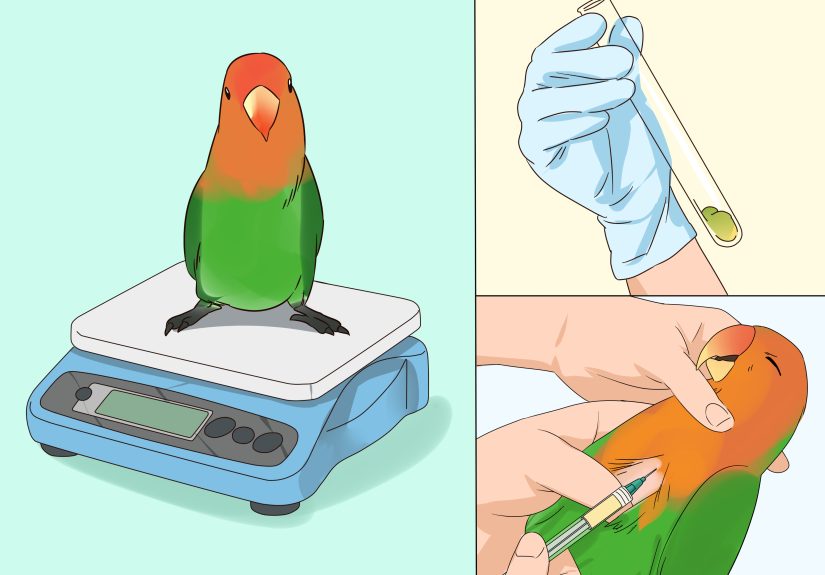
An avian vet may examine your lovebird’s weight, hydration, crop, abdomen, vent, breathing, feathers, and overall body condition. They may request a fresh dropping sample for fecal testing. Depending on symptoms, they may run a fecal smear, gram stain, culture, parasite test, blood work, X-rays, or other diagnostics.
These tests help determine whether the problem is bacterial, fungal, parasitic, nutritional, toxic, reproductive, or related to another body system. For example, avian gastric yeast can cause weight loss, lethargy, diarrhea, and undigested food in droppings. Parasites may cause loose stool, poor feather condition, itching, or weight loss. Liver or kidney problems can change urine and urate appearance. The right diagnosis points to the right treatment.
Veterinary Treatments for Lovebird Diarrhea
Treatment depends on the cause. A veterinarian may prescribe fluids for dehydration, antibiotics for confirmed bacterial infection, antifungal medication for yeast, antiparasitic medication for parasites, nutritional support, probiotics designed for birds, or hospital care for severe cases. If toxins are suspected, treatment may include supportive care and steps to limit further exposure.
Always follow the exact dose and schedule your vet provides. Lovebirds are tiny, and medication amounts are calculated carefully by body weight. Never split random tablets, use leftover medication from another pet, or assume that “a little bit” is safe. In small birds, a little bit can be a lot.
How to Tell If Your Lovebird Is Improving
Improvement usually means more than one thing is getting better. Droppings should become more formed, the vent should stay cleaner, appetite should return, energy should improve, and your lovebird should behave more like its usual opinionated self. A bird that starts chirping, preening, climbing, and complaining about your service quality may be moving in the right direction.
Still, continue monitoring for several days. Some digestive problems seem to improve and then return. Finish all prescribed medications unless your vet tells you otherwise. Keep the cage clean, avoid sudden diet changes, and schedule follow-up testing if recommended.
What Not to Do When a Lovebird Has Diarrhea
Do not give human anti-diarrhea medications. Do not use random antibiotics from pet stores or online sources. Do not force-feed unless your veterinarian instructs you. Do not ignore diarrhea because your bird “still looks cute.” Lovebirds look cute while plotting, bathing, screaming at a toy, and sometimes while very sick.
Do not assume all watery droppings are harmless. Fresh produce can increase urine output, but repeated unformed feces, odor, blood, weight loss, lethargy, or a dirty vent are warning signs. Do not wait too long to call a vet if your bird is small, young, old, laying eggs, or already medically fragile.
Practical Home Checklist for Diarrhea in Lovebirds
First Hour
Move your lovebird to a quiet, warm, draft-free area. Replace the cage liner with white paper. Offer fresh water. Remove spoiled food and pause any newly introduced treats. Watch breathing, posture, appetite, and droppings.
First 24 Hours
Keep the diet simple and familiar. Clean dishes thoroughly. Remove uneaten fresh foods quickly. Take photos of droppings if they look unusual. Weigh your bird on a gram scale if you can do so safely. Contact an avian vet if diarrhea continues, worsens, or appears with any other symptom.
When Calling the Vet
Be ready to describe when diarrhea started, what your bird ate recently, whether the feces or urine changed, whether your bird is eating, whether there are other birds at home, and whether there has been exposure to fumes, new toys, plants, cleaners, or possible toxins. Bring a fresh dropping sample if your vet requests one.
Experience-Based Tips for Caring for a Lovebird With Diarrhea
Caring for a lovebird with diarrhea is one of those pet-owner experiences that teaches humility very quickly. You may begin the day thinking you are a responsible adult with a schedule, a coffee, and clean floors. Then your lovebird produces one suspicious dropping and suddenly you are crouched beside the cage like a wildlife biologist studying rare evidence in the jungle.
One helpful habit is to learn your bird’s normal pattern before illness happens. Some lovebirds naturally have slightly wetter droppings in the morning. Others produce larger droppings after sleep. Some have color changes after eating greens, carrots, or berries. When you know what is normal for your bird, abnormal changes become easier to spot. This is why plain cage paper is underrated. It is not fancy, but it tells the truth.
Another useful experience is keeping a small “bird care kit” at home. This does not mean a medicine cabinet full of random treatments. It means practical tools: a digital gram scale, clean paper towels, spare food and water dishes, a travel carrier, your avian vet’s phone number, and a simple notebook for tracking symptoms. When a lovebird gets sick, you do not want to be searching for a carrier while your bird looks at you like you have failed basic management training.
Many bird owners also learn that diet changes should happen slowly. Lovebirds can be enthusiastic eaters, suspicious eaters, or tiny feathered food critics. If you introduce new vegetables, pellets, or treats, do it gradually. Offer small amounts and monitor droppings. A sudden buffet of fruit may seem generous, but the cage liner may file a complaint later.
Cleanliness matters more than most people realize. A water dish can become dirty in a few hours if a lovebird drops pellets into it, bathes in it, or uses it as a toy-storage facility. Food bowls can hide old seed hulls, damp crumbs, and bits of produce. Daily cleaning helps prevent digestive problems before they begin. It also gives you a daily chance to notice changes in appetite.
Stress is another lesson bird owners learn the hard way. Lovebirds may react to new cages, new birds, new people, loud noises, rearranged rooms, or even a change in your schedule. A stable routine helps digestion, sleep, and behavior. When diarrhea appears after a stressful event, supportive care and calm surroundings may help, but continued symptoms still deserve a vet call.
The biggest experience-based tip is this: do not let the internet turn you into a pharmacist. Forums and social posts often recommend quick fixes, but lovebirds are delicate. What helped one bird may harm another. A gram-sized dosing mistake can be serious. When in doubt, supportive care plus professional advice is safer than kitchen chemistry.
Finally, remember that quick action is not overreacting. With birds, early care is smart care. If your lovebird’s droppings look wrong and your bird is also quiet, fluffed, weak, not eating, or losing weight, call an avian vet. The goal is not to panic; the goal is to move faster than the illness. Your lovebird may be small, but the care you give can make a very big difference.
Conclusion
Treating diarrhea in lovebirds starts with observation, warmth, hydration, clean surroundings, and a stable diet. Mild, short-lived watery droppings after fresh produce may not be true diarrhea, but repeated loose feces or diarrhea with illness signs should be taken seriously. Because lovebirds can become dehydrated quickly and hide sickness well, persistent diarrhea deserves help from an avian veterinarian.
The three best ways to treat diarrhea in lovebirds are simple but powerful: stabilize your bird, correct diet and hygiene triggers, and get a proper diagnosis when symptoms continue. Skip guesswork, avoid human medicines, and let your bird’s behavior, appetite, and droppings guide your next step. A clean cage, a calm room, and a good avian vet are worth more than any miracle cure in a bottle.
Note: This article is for educational purposes only and does not replace diagnosis or treatment from a licensed avian veterinarian.