Table of Contents >> Show >> Hide
Some kitchen wisdom comes from cookbooks. Some comes from grandmothers. And some comes from that one friend who casually says, “Oh, I just keep a damp towel under the cutting board,” and suddenly your whole culinary life splits into before towel and after towel. That is the spirit of this article.
If you spend enough time cooking, baking, reheating, scrubbing, and muttering at onions, you start to collect little kitchen truths that make everything smoother. The best kitchen tips and tricks are usually not flashy. They do not require a torch, a lab coat, or a six-part video series titled The Secret Geometry of Toast. They are simple, practical, and a little magical in the way they save time, reduce mess, improve flavor, and help you avoid turning dinner into a cautionary tale.
Below are 40 kitchen tips home cooks tend to learn the old-fashioned way: by doing, by failing, by cleaning up, and by trying again. Some are about food safety. Some are about prep. Some are about storage. All of them make life easier. Think of this as a greatest-hits album of kitchen advice, only with fewer guitars and more parchment paper.
40 Kitchen Tips And Tricks Worth Stealing Immediately
Prep Smarter, Not Harder
- Put a damp towel under your cutting board. A slipping board is chaos in hardwood form. A simple damp towel underneath keeps it steady and makes chopping safer and less annoying.
- Read the whole recipe before you start. This sounds obvious until you discover the words “chill overnight” halfway through dessert prep. A full read-through saves time, ingredients, and emotional damage.
- Practice mise en place. Measure, chop, and organize first. It makes cooking faster, prevents forgotten ingredients, and keeps you from panic-searching for cumin while garlic burns in the pan.
- Keep a trash bowl on the counter. Scraps, wrappers, stems, peels, and onion skins all go in one place. It keeps the workspace clean and saves a hundred tiny trips to the trash can.
- Keep your knives sharp. Dull knives crush food and force you to push harder. Sharp knives are more precise, more efficient, and, contrary to popular fear, usually safer.
- Use the right knife for the job. A chef’s knife can do a lot, but not everything. Stop treating every ingredient like it owes you money.
- Crack eggs into a small bowl first. This catches shell fragments and protects the rest of your batter if one egg is bad. It is the kitchen version of “trust, but verify.”
- Dry produce after washing. Extra moisture can make herbs and greens spoil faster. A quick dry with towels helps them last longer and behave better in salads.
- Keep frequently used tools near the stove. Tongs, spatulas, a wooden spoon, and a small strainer should live where the action happens. Make your kitchen work like a cockpit, not a scavenger hunt.
- Clean as you go. Waiting until after dinner to face a mountain of dishes is a bold strategy. Better to wash tools during downtime and keep the counter under control.
Small Cooking Habits That Make A Big Difference
- Preheat the pan, not just your hopes. Food browns better and cooks more evenly when the pan is actually hot before ingredients go in.
- Do not crowd the pan. If you pile in too much food, it steams instead of browns. Give ingredients some personal space.
- Pat meat and vegetables dry before searing. Surface moisture is the enemy of a good crust. If you want color and caramelization, start dry.
- Salt in layers. Seasoning only at the end is like trying to decorate a cake after someone ate half of it. A little seasoning throughout cooking builds better flavor.
- Taste as you cook. Soup, sauce, grains, dressings, roasted vegetablestaste them. Your tongue is not optional equipment.
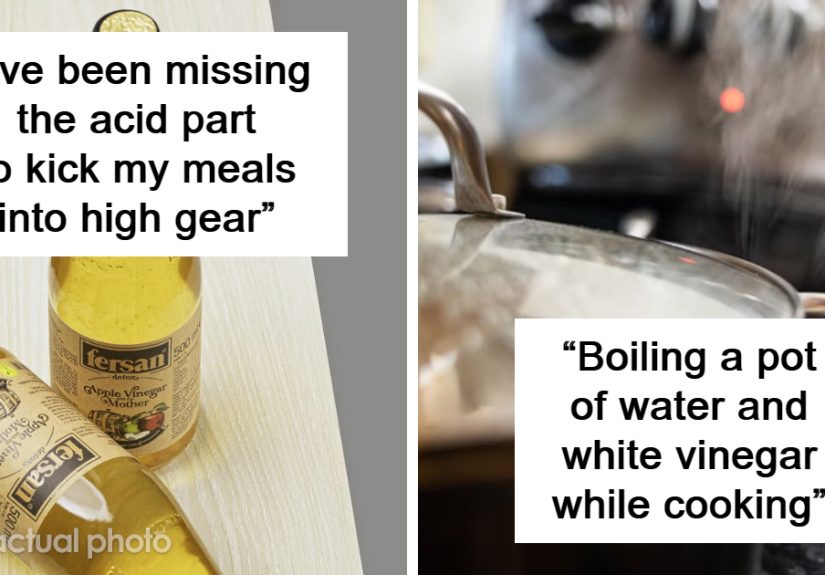
- Use acid to wake up a flat dish. A squeeze of lemon juice or a splash of vinegar can rescue food that tastes heavy or dull.
- Let cooked meat rest. Cutting too early sends juices running across the board instead of staying in the food. Patience makes dinner juicier.
- Save pasta water. Starchy pasta water helps sauces cling and smooth out. It is liquid gold, only cheaper and less weird to keep in a mug.
- Toast spices and nuts when appropriate. A little heat deepens flavor fast. Your kitchen will smell like you know exactly what you are doing.
- Use a thermometer. Guessing doneness works until it does not. A thermometer helps with meat, casseroles, bread, and anything else that should not depend on vibes alone.
Baking Tricks People Wish They Learned Earlier
- Measure flour correctly. Better yet, weigh it. Too much flour can turn baked goods dense and dry, and nobody dreams of making a heroic brick.
- Pay attention to ingredient temperature. Room-temperature eggs and butter often mix more smoothly and help batters emulsify properly.
- Cut butter into pieces to soften it faster. It is much quicker than staring at a whole stick and willing it to become cooperative.
- Line pans with parchment paper. Cakes release better, cookies lift more easily, and cleanup becomes dramatically less tragic.
- Do not overmix once flour goes in. For many baked goods, extra mixing leads to tougher texture. Stir until just combined, then walk away like a professional.
- Bring cold eggs to room temperature in warm water. A short soak can make them easier to incorporate in batters and sponge-style cakes.
- Use a kitchen scale when baking regularly. Volume measurements are useful, but weight is more consistent and helps you repeat success instead of repeating confusion.
- Check your leaveners. Baking powder and baking soda do not last forever. Expired ingredients can quietly sabotage the whole project.
- Rotate pans when needed, but not obsessively. A quick turn helps with uneven ovens, but opening the door every minute invites heat loss and drama.
- Let baked goods cool as directed. Some things need a few minutes in the pan before moving. Pulling too soon is how beautiful cakes become abstract sculpture.
Food Safety And Storage Tips You Should Never Ignore
- Keep raw meat separate from ready-to-eat foods. Use separate boards, plates, or careful cleaning habits to avoid cross-contamination.
- Wash your hands often. Before cooking, after handling raw meat or eggs, after touching the trash, and anytime your hands become suspicious.
- Do not wash raw chicken. It can spread bacteria around the sink and nearby surfaces. Cooking to a safe temperature is what matters.
- Refrigerate leftovers promptly. The general rule is within 2 hours, or within 1 hour if the environment is very hot.
- Store leftovers in shallow containers. They cool faster and more safely than a giant deep container of soup pretending it is fine.
- Eat leftovers within a few days. Three to four days is a useful rule of thumb. The back of the fridge is not a witness protection program for old pasta.
- Keep the refrigerator cold enough. Aim for 40°F or below. A fridge thermometer is a cheap little hero.
- Thaw food safely. Use the refrigerator, cold water, or the microwavenot the countertop marathon method.
- Marinate in the refrigerator. Not on the counter. Not “just for a little while.” The fridge exists for a reason.
- Store foods where they belong. Eggs are best kept in their carton, refrigerated foods should stay covered, and produce does better when organized so it does not disappear into the cold abyss.
Why These Kitchen Tips Keep Getting Passed Down
The best kitchen tips and tricks survive because they solve ordinary problems. They make prep faster, cooking tastier, cleanup easier, and food safer. That is why so many cooks swear by simple habits like organizing ingredients before starting, drying produce, sharpening knives, and labeling leftovers. None of these moves are glamorous, but they quietly improve everything.
Another reason these tips stick around is that they reduce friction. In real life, home cooking is rarely a peaceful slow-motion montage with a violin soundtrack. It is Tuesday. You are hungry. The dishwasher is full. Someone wants a snack right now. Good kitchen habits cut down on decision fatigue and repetitive mistakes. When your tools are handy, your fridge is organized, and your leftovers are in shallow containers instead of mystery vats, your future self wins.
And perhaps most importantly, kitchen wisdom often comes from repetition. You learn the value of a sharp knife after fighting a tomato with a dull one. You learn to save pasta water after making one too many dry sauces. You learn to read the full recipe after discovering that your “quick” bread requires an hour of chilling. Experience is an excellent teacher, though occasionally a smug one.
Kitchen Experience: The Stuff People Only Learn After Years Of Cooking
Here is the funny thing about kitchen experience: at first, you think cooking is mostly about recipes. Later, you realize it is mostly about rhythm. The recipe tells you what to do, but experience teaches you how to move through the kitchen without making it look like a raccoon hosted a dinner party.
Over time, people learn that the real secret to better cooking is not perfection. It is awareness. You start noticing what slows you down. Maybe you always hunt for the can opener. Maybe you buy herbs with good intentions and then discover them as green confetti three days later. Maybe your leftovers enter the fridge and never return. After enough repetition, you begin setting up your kitchen to support the way you actually cook, not the way a glossy magazine assumes you cook while wearing a linen apron and zero stress.
Experienced home cooks also learn that confidence often comes from tiny systems. A bowl for scraps. A container for prepped onions. A shelf in the fridge for ready-to-eat ingredients. A habit of washing the knife right after using it. These are not dramatic tricks, but together they create flow. They make weeknight cooking feel less like a challenge and more like a manageable ritual.
Then there is the emotional side of kitchen wisdom. People who have cooked for years usually become less obsessed with doing everything the “official” way and more focused on doing things the smart way. They know when to use pre-peeled garlic, when parchment paper is worth every penny, and when one-pan meals are not laziness but survival. They stop treating shortcuts like cheating. They start treating them like good judgment.
Another lesson that arrives with experience is respect for food safety. At first, terms like cross-contamination and cooling times can sound fussy. Later, they sound practical. You realize that using separate plates for raw and cooked meat is not overkill; it is basic sanity. You realize that shallow leftover containers are not a neat freak invention; they are part of keeping food safe and usable. Experience turns rules into habits, and habits into second nature.
Seasoned cooks also become much better at preventing waste. They know how to revive a meal with acid, how to repurpose roasted vegetables, how to organize a fridge so produce is visible, and how to stop buying duplicate spices because no one could find the paprika. They understand that a tidy kitchen is not just aesthetically pleasing. It protects your budget, your time, and your patience.
And maybe the biggest lesson of all is this: the kitchen gets easier when you stop trying to be impressive and start trying to be effective. The people who seem effortlessly good at cooking are usually the ones who have learned dozens of small tricks through trial, error, repetition, and the occasional burned garlic incident. Their meals are better not because they are magical, but because they have built habits that support good results.
So yes, it is amazing when people share the kitchen tips and tricks they have learned throughout the years. Not because each tip is revolutionary on its own, but because together they form something bigger: a smarter, calmer, more enjoyable way to cook. And if one damp towel, one sharper knife, and one properly stored leftover can make your kitchen life smoother, that is a pretty excellent return on investment.
Conclusion
The most useful kitchen tips are usually the ones that sound almost too simple to matter. Then you try them, and suddenly chopping feels safer, sauces taste better, greens last longer, and cleanup stops looking like a personal betrayal. That is the beauty of kitchen experience: little lessons become lasting habits.
Whether you are a beginner cook or someone who has already survived years of weeknight dinners, holiday cooking, rushed breakfasts, and rogue casserole dishes, these kitchen tips and tricks can make your routine more efficient, more flavorful, and far less messy. Borrow the ones that fit your life, skip the ones that do not, and keep building your own collection of kitchen wisdom. That is how great cooks are madeone small trick at a time.