Table of Contents >> Show >> Hide
- How Vampirism Works in Oblivion
- Way 1: Cure Porphyric Hemophilia Before It Becomes Full Vampirism
- Way 2: Use the Font of Renewal in Deepscorn Hollow
- Way 3: Complete the Vampire Cure Quest
- Which Cure Method Is Best?
- Common Mistakes to Avoid
- PC-Only Emergency Option
- What It Actually Feels Like to Cure Vampirism in Oblivion
- Final Thoughts
Getting vampirism in The Elder Scrolls IV: Oblivion can feel cool for about five minutes. Then the sun starts roasting you like a sweetroll left too close to a campfire, townsfolk begin acting weird, and your carefully planned daytime errands turn into a dramatic sprint between shadows. In other words: being a vampire is fun until it absolutely is not.
If you are trying to figure out how to cure vampirism in Oblivion, the good news is that you do have options. The bad news? One of them is quick only if you catch the disease early, one depends on specific content, and one sends you on a gloriously old-school RPG fetch quest that feels like the game whispering, “You should have checked your status effects sooner.”
This guide breaks down the three best ways to cure vampirism in Oblivion, including the fastest method, the classic quest-based cure, and the easiest fix for players who have access to Deepscorn Hollow. Along the way, we will also cover how vampirism works, what mistakes to avoid, and which cure is best for different play styles.
How Vampirism Works in Oblivion
Before you can cure vampirism, it helps to know what the game is actually doing behind the curtain. In Oblivion, you do not always become a full vampire the instant a vampire enemy scratches you. First, you contract Porphyric Hemophilia, the disease that eventually turns into true vampirism if you leave it untreated.
That detail matters a lot. Why? Because if you catch the disease early enough, curing it is incredibly simple. Once it advances into full vampirism, the cure becomes much more involved. At that point, the game stops being a helpful fantasy RPG and starts behaving like a stern medieval life coach.
Once full vampirism sets in, your condition worsens in stages if you do not feed. The longer you go without feeding on sleeping NPCs, the stronger your bonuses and penalties become. You gain powerful buffs, yes, but you also get increasing weakness to fire, harsher sun damage, and more trouble dealing with regular NPC interactions. So while vampirism can be powerful for stealthy or night-focused characters, it is also a logistical headache wrapped in a cape.
Way 1: Cure Porphyric Hemophilia Before It Becomes Full Vampirism
This is the fastest and easiest way to “cure vampirism” in Oblivion, though technically you are curing the disease before full vampirism takes hold. If you have been fighting vampires, check your active effects as soon as possible. If you see Porphyric Hemophilia, you still have a window to fix the problem before it becomes a full-blown undead lifestyle choice.
How to do it
You can remove the disease with any standard Cure Disease effect. That usually means one of the following:
Drink a Cure Disease potion. Cast a Cure Disease spell. Pray at a chapel altar or wayshrine. In some versions and guides, food or ingredients with a Cure Disease effect can also do the job. The point is simple: do something quickly.
The key is timing. You have roughly three in-game days before the disease matures, and once that window closes, these ordinary cures stop working. If you sleep after the disease has advanced, congratulations: you are now officially a vampire, and your easy fix has expired like milk in the summer sun.
Why this method is so good
Because it saves you hours. No long quest. No ingredient scavenger hunt. No suspicious witch errands. No underwater hideout. No awkward conversations with NPCs who now look at you like you just licked the city gate.
If your goal is pure efficiency, this is the best route. Veteran players often keep Cure Disease potions on hand specifically because Oblivion has a habit of turning one random dungeon trip into a bloodsucker side story.
Best for
Players who just got infected, people doing regular dungeon runs, and anyone who wants the whole vampirism problem solved in under two minutes.
Way 2: Use the Font of Renewal in Deepscorn Hollow
If you are already a full vampire and you want the quickest in-game cure, Deepscorn Hollow is usually the answer. This method is dramatically faster than the classic cure quest, which is great news for players who do not want to spend their weekend collecting ingredients like a very stressed-out alchemist intern.
Where to go
Head to Deepscorn Hollow, also known as the Vile Lair content. It is located in the southeastern part of the map, near Leyawiin. The entrance is easy to miss because it is tucked away in a hollow underwater log. Very on-brand for a vampire hideout, honestly. If an evil real-estate agent sold this place, the listing would read: “Private, waterfront, moody, excellent for nocturnal professionals.”
How the cure works
Inside Deepscorn Hollow, find the Font of Renewal. Nearby, you will see formations that provide Purgeblood Salts. Take the salts, enter the pool, activate the Font of Renewal, and choose to purge your vampirism. Done. No dramatic monologue required.
This method is popular because it cuts through the usual hassle. It feels almost suspiciously convenient compared with the standard cure quest, which is probably why players who discover it tend to react like they have found a secret fast-pass lane at a fantasy DMV.
Pros and cons
Pros: It is quick, straightforward, and ideal for players who accidentally let their condition progress too far.
Cons: It depends on having access to Deepscorn Hollow content. Also, many longtime players treat it as the “shortcut cure,” which means it lacks the story and weird RPG charm of the traditional quest.
Best for
Players who are already full vampires, want the fastest legitimate in-game cure, and have access to the appropriate content.
Way 3: Complete the Vampire Cure Quest
This is the classic Oblivion cure. It is the most story-driven method, the most famous method, and definitely the most “2006 RPG” method. In other words, it is memorable, a little clunky, strangely charming, and just inconvenient enough to make you regret your life choices. That is part of the magic.
How to start the quest
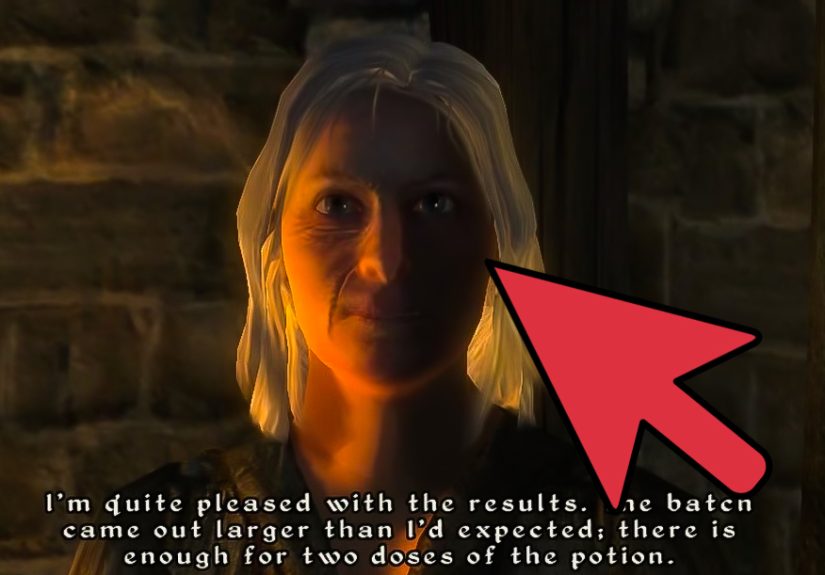
Once you are a full vampire, you can begin the process by asking for help and eventually getting pointed toward Raminus Polus at the Arcane University. From there, the trail leads to Count Janus Hassildor in Skingrad, and then to the witch Melisande in Drakelowe.
Melisande does not simply hand over a cure because that would be convenient, and convenience is not the dominant religion in Oblivion. First, she asks for five empty Grand Soul Gems. After that, she wants a bundle of ingredients, including garlic, nightshade, bloodgrass, the blood of an Argonian, and the ashes or dust of the powerful vampire Hindaril.
What makes this route harder
The quest is not impossible, but it can be annoying if you are underprepared. Some ingredients are easy enough. Others send you wandering across Cyrodiil and beyond, trying to remember whether you sold that alchemy stuff three hours ago for pocket change. Even worse, being a high-stage vampire can make normal shopping and conversations more irritating, which turns basic errands into social survival missions.
The Argonian blood step is especially memorable because Melisande gives you a special dagger and tells you, in effect, to go stab an Argonian. Not kill one necessarily, just collect the blood. It is the sort of quest objective that reminds you Oblivion was never afraid to be gloriously weird.
Then there is Hindaril, the powerful vampire you must track down and defeat. By this point, the cure has become less of a medical solution and more of a supernatural scavenger hunt with homicide. Typical Tuesday in Cyrodiil.
Why players still choose it
Because it is satisfying. The quest feels like a proper adventure rather than a menu fix. It also ties into the Count of Skingrad, one of the game’s more interesting vampire-adjacent storylines. If you like Oblivion for its world-building and role-playing flavor, this is the cure route that feels the most meaningful.
Best for
Players who want the full role-playing experience, enjoy side quests, or do not mind a longer cure process with multiple objectives.
Which Cure Method Is Best?
If you catch the disease early, Way 1 is the best by a mile. It is quick, easy, and saves you from a much bigger headache.
If you are already a vampire and want the fastest real cure, Way 2 with the Font of Renewal is the winner.
If you want the most immersive and story-heavy option, Way 3 is the one to choose.
So the real answer depends on your situation. This is not one of those guides where everything magically has the same value. In Oblivion, timing matters. Content access matters. Your tolerance for medieval errands also matters.
Common Mistakes to Avoid
Ignoring your active effects
This is the big one. Many players become vampires simply because they do not notice the disease in time. After fighting vampires, check your status immediately.
Sleeping at the wrong time
If the infection window has passed, sleeping can be the moment the problem fully locks in. That innocent little nap can become a life-altering goth transformation.
Starting the quest unprepared
If you know you want to do the classic cure quest, stock up on useful items and be ready for travel. It helps to have money, supplies, and some patience. A backup save is also a smart idea because this is Oblivion, and sometimes the game expresses itself through chaos.
PC-Only Emergency Option
For PC players, longtime community references also mention a console-command workaround using the Cure for Vampirism potion. That is obviously not the immersive route, but it can be a practical fallback if you are dealing with bugs, a broken quest state, or simply cannot be bothered to turn your evening into an ingredient safari.
If you are writing for a general audience, though, the three main methods above are the ones most players actually care about: cure the disease early, use the Font of Renewal, or complete the Vampire Cure quest.
What It Actually Feels Like to Cure Vampirism in Oblivion
One of the reasons this topic still gets searched so often is that curing vampirism in Oblivion is not just a mechanical problem. It becomes a player story. Almost everyone who has dealt with it remembers the moment it happened. Maybe you were clearing a cave, looting everything not nailed down, and feeling invincible. Maybe you saw a weird status effect later and shrugged. Then you rested, woke up to unsettling dreams, stepped into daylight, and suddenly realized the sun had become your personal enemy.
That is classic Oblivion. The game has a strange talent for turning a small mistake into a full adventure. What starts as “Oops, I got hit by a vampire” becomes a full-on saga involving emergency chapel visits, panic-googling in 2026, underwater hideouts, witch errands, and an uncomfortable amount of garlic. It is both inconvenient and weirdly brilliant.
The experience also changes depending on your character. If you are playing a thief, assassin, or night-focused mage, vampirism can feel almost tempting at first. The bonuses are real, and sneaking through the dark feels appropriately dramatic. For warriors, paladins, and day-traveling quest junkies, though, it can feel like the game has placed a curse directly on your schedule. Need to shop? Better feed first. Need to cross the map at noon? Enjoy sizzling like bacon in armor.
That is why the cure process feels so memorable. You are not just removing a debuff. You are reclaiming your normal play style. The cure becomes a reset button for your routine. Suddenly you can travel in daylight again, talk to people without managing your vampire stage, and stop treating every sunrise like an assassination attempt.
There is also a funny emotional split among players. Half of them want the fastest solution possible because they accidentally became vampires and hate it immediately. The other half secretly admire how over-the-top the whole system is. Even when players complain about the quest or the hassle, they often remember it fondly. That is because Oblivion at its best is messy, unpredictable, and full of systems that collide in hilarious ways.
In that sense, curing vampirism is almost a perfect Oblivion experience. It involves risk, role-playing, inconvenience, atmosphere, and a little bit of nonsense. It can be frustrating, but it is rarely forgettable. Years later, people still talk about the disease window, the dreams, Melisande, Deepscorn Hollow, and that sudden realization that their heroic fantasy adventure has become a nocturnal crisis-management simulator.
So yes, curing vampirism matters because it solves a gameplay problem. But it also matters because it creates one of those stories only Oblivion seems able to produce: part horror, part comedy, part accidental self-own. And honestly, that is a big reason people still love this game.
Final Thoughts
If you are wondering how to cure vampirism in Oblivion, the answer comes down to timing and preference. Catch the disease early and remove it with a standard cure. Miss the window and use Deepscorn Hollow if you want speed. Prefer a more story-driven fix? Take the long road through Melisande’s Vampire Cure quest.
No matter which route you choose, the most important lesson is simple: after fighting vampires, always check your active effects. Because in Oblivion, one careless dungeon run can turn you from proud hero of Cyrodiil into a sleep-deprived, sun-fearing, garlic-aware chaos goblin.