Table of Contents >> Show >> Hide
- Why homesickness hits harder at night
- Way #1: Pack a “comfort plan” (not just a bag)
- Way #2: Do a “three-step reset” when the homesick wave hits
- Way #3: Connect on purpose (homesickness hates company)
- Extra tips that make sleepovers easier (without being weird about it)
- Putting it all together: your sleepover game plan
- 500+ Words of Experiences: What homesickness at a sleepover can feel like (and how it plays out)
- Experience #1: “I was fine… until everyone got quiet.”
- Experience #2: “I didn’t want to ruin it, so I pretended I was okay.”
- Experience #3: “I called my parent, and it made me miss home MORE.”
- Experience #4: “I went homeand the next time went better.”
- Experience #5: “I learned my triggers, and it got easier.”
- Conclusion
Sleepovers are supposed to be all popcorn, inside jokes, and “we are definitely staying up all night” energy.
Thenbamyour brain remembers you have a bed at home, a familiar ceiling fan, and possibly a pet who thinks you’ve been
kidnapped. Homesickness at a sleepover is incredibly common (and very annoying), especially if it’s your first time away
from home overnightor your first time in a while.
The good news: homesickness isn’t a sign you’re “bad at sleepovers.” It’s just your comfort system doing its job a little
too enthusiastically. The even better news: you can calm it down without ruining the nightor making it A Big Drama.
Below are three practical, low-awkward ways to handle homesickness at a sleepover, plus examples you can actually use in
the moment (instead of memorizing a motivational poster).
Why homesickness hits harder at night
Homesickness is basically a mix of missing what’s familiar and feeling unsure about what’s new. Sleepovers crank that up
because nighttime is when your brain stops being distracted by school, sports, and scrolling. Suddenly, you’re lying in a
strange room with different sounds (hello, mysterious house creaks) and different routines (why does everyone brush their
teeth in a group like it’s a team sport?).
If you’ve ever felt a stomach drop, a lump in your throat, or a weird “I want to go home” wave, that’s your nervous system
reacting to change. It can feel intense, but it’s not dangerousand it usually eases once you feel more in control.
Way #1: Pack a “comfort plan” (not just a bag)
A backpack full of snacks is nice. A backpack full of calm is nicer.
The trick is to pack for the moment you might get homesick, not just for the fun parts.
Build a tiny “comfort kit”
You don’t need a suitcase labeled “EMOTIONS.” You just want a few items that signal “home” to your brain.
- One familiar item: a hoodie you wear a lot, a small stuffed animal, a sleep mask, or a pillowcase from home.
- One soothing sensory thing: lip balm, hand lotion, a mint, or a comforting scent (something subtle and allowed).
- One bedtime helper: earbuds for white noise, a short playlist, or a downloaded calm audio (no internet needed).
- One “reset” snack: something simple like crackers, granola, or a protein snack if you tend to feel queasy when anxious.
Make an exit plan that doesn’t feel like defeat
An exit plan doesn’t mean you’re planning to bail. It means you’re lowering the pressurewhich often keeps you from leaving.
Decide ahead of time:
- Who you’ll tell if you feel overwhelmed (the host parent, your friend, or texting your parent).
- What “help” looks like (a quick check-in call, a ride home, or staying but moving to a quieter space).
- A “try first” window (for example: “I’ll try a reset for 15 minutes before deciding.”)
Knowing you have choices is a powerful homesickness cure. It tells your brain you’re not trappedso it stops acting like you are.
Use a low-key script
If you’re worried about sounding dramatic, borrow a simple sentence:
- “I’m having a little homesick momentcan I grab some water and chill for a minute?”
- “My stomach feels weird. I think I just need a breather.”
- “Can I text my parent quick? I’ll be finejust need a reset.”
You’re not requesting a parade. You’re requesting a pause.
Way #2: Do a “three-step reset” when the homesick wave hits
Homesickness tends to show up like a pop quiz: sudden, rude, and poorly timed.
When it hits, your goal is not to “think positive.” Your goal is to calm your body first, then your thoughts follow.
Step 1: Name it (quietly, like a secret agent)
Try: “This is homesickness.” Not “This is my personality now.”
Naming the feeling helps your brain move from panic mode to problem-solving mode.
Step 2: Regulate your body in under 2 minutes
Pick one quick technique that works even on a living room floor surrounded by sleeping bags:
- Box breathing: Inhale 4 seconds → hold 4 → exhale 4 → hold 4. Repeat 3–4 rounds.
- 5-4-3-2-1 grounding: Notice 5 things you see, 4 you feel, 3 you hear, 2 you smell, 1 you taste.
- Muscle “unclench” scan: Relax jaw, drop shoulders, unclench hands, soften belly. (Your body loves holding stress like it’s a collectible.)
- Water + slow sip: It’s simple, but it gives your body a steady rhythm and a “caretaking” signal.
If you can, avoid the sneaky anxiety accelerators: too much sugar right before bed, caffeinated soda/energy drinks, or doom-scrolling alone in the dark.
(Your brain does not need a horror trailer at midnight.)
Step 3: Give your brain a believable thought
When you’re homesick, “I LOVE THIS!” might feel fake. Use a thought that’s true and calming:
- “This feeling is uncomfortable, but it will pass.”
- “I can miss home and still be okay here.”
- “I’ve handled hard feelings before. I can handle this.”
- “I don’t have to decide anything right now. I’m just resetting.”
The secret sauce is believability. Your brain relaxes faster when it trusts what you’re saying.
Specific example: The 15-minute rule
Let’s say you feel the “I want to go home” wave at 11:45 p.m. Instead of deciding instantly, try this:
- Tell someone: “I’m a little offjust need a minute.”
- Do a 2-minute body reset (breathing or grounding).
- Set a silent timer for 15 minutes.
- During the 15 minutes, do something soothing: sip water, listen to a calm track, or talk quietly with the host/friend.
- Re-check: “Is it easing?” If yes, keep going. If no, use your exit plan.
This keeps one intense moment from becoming a forever decision.
Way #3: Connect on purpose (homesickness hates company)
Homesickness often gets worse when you feel aloneeven if you’re literally surrounded by people.
Connection doesn’t have to be deep and emotional. It just has to make you feel included and safe.
Anchor yourself to one “safe person”
If you’re going with a friend, quietly pick an anchor: the person you can sit by, ask a question, or whisper “I’m nervous”
without being laughed at. If you’re at a new friend’s house, the anchor might be the host parent or older sibling.
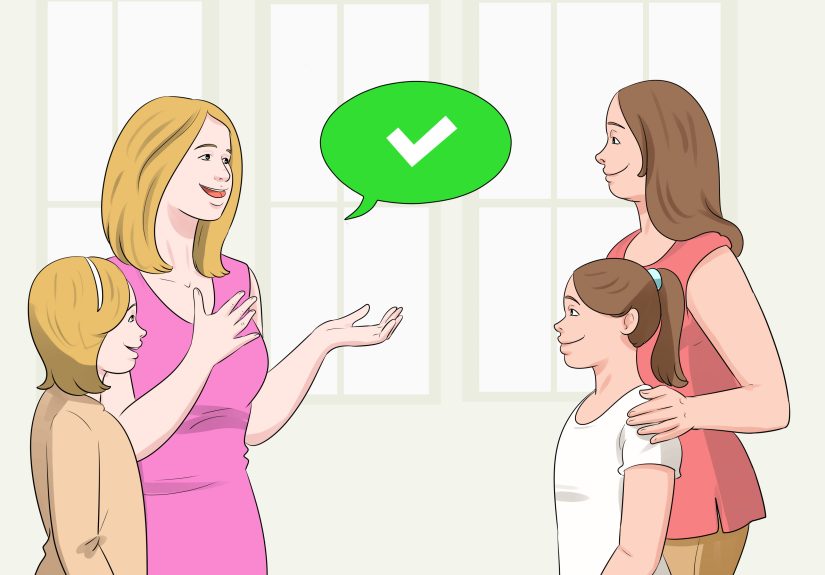
A simple line works: “Hey, if I get a little overwhelmed later, can I hang near you for a minute?” Most people are kinder than
your anxious brain predicts.
Join something small instead of everything
If you’re homesick, trying to be the funniest, loudest, most energetic version of yourself is exhausting.
Instead, choose a low-pressure role:
- Help set up the movie or snacks
- Be the “playlist person”
- Play a simple group game that doesn’t put you on the spot
- Sit next to someone and comment quietly (yes, this counts as socializing)
Small participation builds comfort without draining your battery.
Do a strategic check-in with home (without making it worse)
Sometimes calling home helps. Sometimes it makes you miss home more. The difference is how you check in.
If you want to contact a parent/guardian, try:
- Keep it short: “Hi, I miss you. I’m okay. I just needed to hear your voice.”
- Ask for coaching: “Can you remind me what I do when I get anxious?”
- Avoid spirals: If the call makes you cry harder, switch to texting or ask for a calming message instead.
Pro move: ask your parent for a “sleepover pep talk” text before you go. Then you can reread it anytime without waking anyone up.
What to do if you decide to go home
Leaving a sleepover is not a moral failure. It’s a choice. If you decide to go home, do it kindly:
- Thank the host: “Thanks so muchI’m not feeling great tonight, but I appreciate you having me.”
- Don’t over-explain. You don’t owe anyone a thesis.
- Try again another time with a shorter plan (like a “late night hangout” instead of an overnight).
Confidence comes from practice. And practice sometimes includes a few early exits.
Extra tips that make sleepovers easier (without being weird about it)
Before the sleepover
- Eat a normal dinner and stay hydrated. Being hungry or dehydrated can mimic anxiety symptoms.
- Get details ahead of time: who’s there, sleeping arrangements, and if there’s a quiet spot.
- Bring what helps you sleep (within reason): comfy clothes, socks, a familiar routine.
- Practice one calming skill earlier in the day so it doesn’t feel brand-new at midnight.
During the sleepover
- Limit scary stuff if it makes you anxious (horror movies + homesickness = bold choice).
- Move your body briefly if you’re restless: stretch, walk to the bathroom, help clean up snacks.
- Quiet is allowed. You don’t have to talk nonstop to “earn” your spot.
For parents and hosts (quick support guide)
If you’re the adult in the room, the most helpful energy is calm and non-judgmental. Offer simple choices:
“Do you want water, a quiet seat, or a quick call home?” Avoid teasing (“Aww, are you a baby?”) even if you think it’s playful.
Homesick kids aren’t trying to be difficultthey’re trying to feel safe.
Putting it all together: your sleepover game plan
If you only remember one thing, make it this: homesickness is a wave. It rises, peaks, and falls.
Your job is to ride it with a plan.
- Comfort plan: pack a small comfort kit + decide an exit plan.
- Three-step reset: name it → calm your body → choose a believable thought.
- Connect on purpose: anchor to one safe person + join in small ways + do a strategic check-in if needed.
Sleepovers aren’t just about staying somewhere else. They’re about learning you can handle new placeseven when your brain
tries to convince you the only safe location is your own bedroom.
500+ Words of Experiences: What homesickness at a sleepover can feel like (and how it plays out)
Below are a few realistic, true-to-life scenarios (composite examples) that show how homesickness at a sleepover often shows
upand how the three strategies above can actually work in the moment. If you recognize yourself in any of these, congratulations:
you are officially a human with a nervous system.
Experience #1: “I was fine… until everyone got quiet.”
One kid is laughing through pizza, playing games, taking selfiestotally fine. Then the lights go off. The room gets quiet.
Someone’s whispering in the dark. The house makes a random creak that sounds like a door opening in a movie. Suddenly the kid’s
throat feels tight and they think, “I don’t like this. I want my bed.”
What helps here is the three-step reset. Naming it (“This is homesickness”) stops the mind from inventing ten new
problems. Then they do box breathing under their blanket (no one even notices). They put in one earbud with quiet white noise and
hold their familiar hoodie sleeve like it’s a stress ball. Fifteen minutes later, the intensity drops from “emergency” to “uncomfortable.”
And that’s a win.
Experience #2: “I didn’t want to ruin it, so I pretended I was okay.”
Another kid feels homesick but tries to power through. They keep smiling and joking, but inside they’re counting minutes. This usually
backfires because the nervous system doesn’t calm down when it’s forced to perform. Eventually, they feel like they might cryand they
panic about crying in front of friends.
The turning point is using a low-key script and asking for a small break: “My stomach feels weird. I’m going to grab water.”
In the kitchen, the host parent is still awake and casually says, “Sleepovers can feel big. Want to sit for a second?” No big speech, no spotlight.
The kid sends a quick text home: “Feeling a little homesick, but I’m okay.” Their parent replies with a calm message they can reread.
The kid goes back feeling steadierand learns that asking for a minute doesn’t “ruin” anything.
Experience #3: “I called my parent, and it made me miss home MORE.”
Some kids call home and immediately get flooded with feelings. If the call turns into a long, emotional conversation, it can pull the brain
deeper into “home mode,” making it harder to settle back in. This doesn’t mean calling is badit means the style of check-in matters.
In this scenario, the kid switches tactics: instead of calling, they ask for a short pep-talk text. The parent sends something like,
“You can do hard things. Try breathing for two minutes and then decide.” The kid rereads it, does grounding (5-4-3-2-1), and chooses a small
connection activitysitting next to their friend and watching a familiar comedy. The homesick feeling softens enough to stay.
Experience #4: “I went homeand the next time went better.”
Sometimes the bravest choice is leaving. One kid tries everything and still feels miserable. They decide to go home, thank the host, and leave
politely. The next day, instead of feeling ashamed, they make a smarter plan: next time they’ll do a “late-night hangout” and get picked up at
11 p.m. They pack a comfort kit anyway. Two weeks later, they stay lateruntil midnight. A month later, they try overnight again and succeed.
That’s how confidence often works: not one heroic leap, but a bunch of small reps. Homesickness didn’t mean they weren’t “sleepover material.”
It meant they were learning how to handle new situationslike literally everyone does.
Experience #5: “I learned my triggers, and it got easier.”
After a few sleepovers, another kid notices patterns: they get more anxious when they’re hungry, when they watch scary movies, or when they’re
stuck in loud chaos with no quiet break. So they start planning around it. They eat a real dinner, skip the horror movie (no shame), bring earbuds,
and let the host know they might read for ten minutes before sleeping. Their homesickness doesn’t vanish forever, but it becomes manageablelike a
speed bump instead of a wall.
If you take anything from these experiences, let it be this: homesickness is common, fixable, and not a character flaw. With a comfort plan,
a quick reset skill, and intentional connection, you can handle a sleepovereven if your brain tries to convince you that your house is the only
safe building on Earth.
Conclusion
Sleepovers can be a blastand also a little intense. If homesickness shows up, it doesn’t mean you failed. It means your brain wants comfort,
and you can give it comfort in smart ways: pack a comfort plan, use a three-step reset when the wave hits, and connect on purpose so you don’t
feel alone in a crowded room. And if you choose to go home, you can still count it as progressbecause learning what you need is part of growing up.