Table of Contents >> Show >> Hide
- What Gives a Plant Year-Round Interest?
- 18 Native Plants for Four-Season Beauty
- 1. Serviceberry (Amelanchier spp.)
- 2. Eastern Redbud (Cercis canadensis)
- 3. Wild Columbine (Aquilegia canadensis)
- 4. Bluestar (Amsonia spp.)
- 5. Butterfly Weed (Asclepias tuberosa)
- 6. Purple Coneflower (Echinacea purpurea)
- 7. Joe-Pye Weed (Eutrochium spp.)
- 8. Aromatic Aster (Symphyotrichum oblongifolium)
- 9. Switchgrass (Panicum virgatum)
- 10. Little Bluestem (Schizachyrium scoparium)
- 11. Oakleaf Hydrangea (Hydrangea quercifolia)
- 12. Inkberry Holly (Ilex glabra)
- 13. Winterberry Holly (Ilex verticillata)
- 14. Virginia Sweetspire (Itea virginica)
- 15. Red Osier Dogwood (Cornus sericea)
- 16. Witch Hazel (Hamamelis virginiana)
- 17. Coral Honeysuckle (Lonicera sempervirens)
- 18. Christmas Fern (Polystichum acrostichoides)
- How to Design a Garden That Looks Good in Every Season
- Extra Notes from the Garden: What Year-Round Interest Really Feels Like
- Conclusion
If your garden tends to look like a superstar in May and a forgotten sandwich by January, native plants can fix that. The secret is not chasing one glorious week of bloom and then hoping nobody looks outside again until spring. A truly beautiful landscape earns its keep in every season, with flowers in spring, lush texture in summer, blazing color in fall, and enough berries, bark, seed heads, and evergreen structure to keep winter from feeling like the garden’s off-season.
This is where native plants shine. They are often better adapted to local conditions, they support pollinators and birds, and many of them bring more than one trick to the party. Some bloom beautifully, then follow up with seed heads that look great under frost. Others start with glossy foliage, then finish with fiery fall color or bright berries. A few work all year long like overachievers who somehow never need coffee.
One important note before you load your cart like a person who just discovered a nursery gift card: native status is regional. A plant native to the eastern United States may not be native in Arizona or California. Use this list as a strong starting point, then confirm local native status with your state extension office, native plant society, or a reputable native nursery in your area.
What Gives a Plant Year-Round Interest?
Year-round interest comes from stacking seasonal strengths. The best native garden plants do at least two of these things well: bloom in a standout way, hold handsome foliage, produce berries or seed heads, develop great fall color, keep strong winter structure, or offer evergreen presence. When you layer plants with different peak moments, your garden never feels empty.
Think of it like casting a movie. You need spring scene-stealers, summer character actors, fall drama queens, and winter supporting stars with excellent bone structure. In garden terms, that means flowers, grasses, shrubs, vines, and ferns all working together.
18 Native Plants for Four-Season Beauty
1. Serviceberry (Amelanchier spp.)
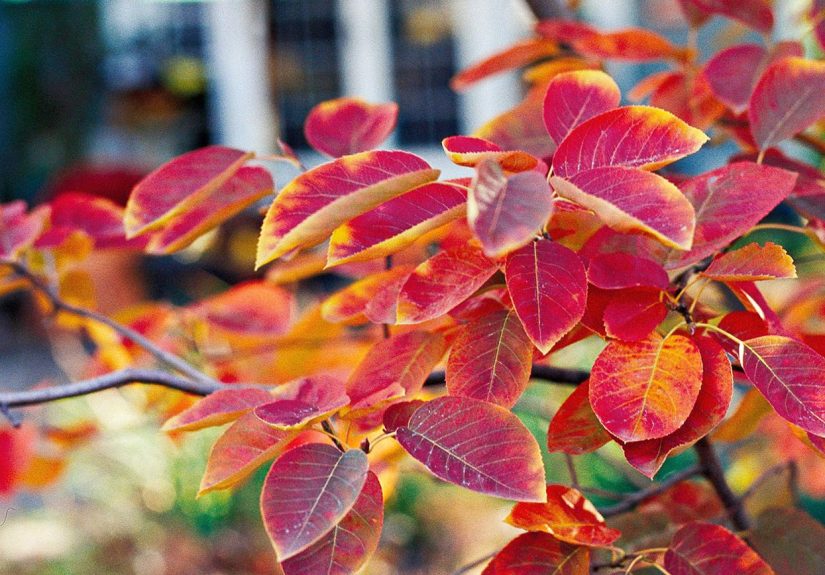
Serviceberry is one of the best small native trees or large shrubs for a four-season landscape. In early spring, it covers itself in delicate white flowers before or just as the leaves emerge. Summer brings edible berries that birds adore, and fall often delivers warm orange to red foliage. In winter, the fine branching pattern keeps the plant attractive even when bare. It is elegant without being fussy, which is a rare and beautiful personality trait.
2. Eastern Redbud (Cercis canadensis)
Redbud makes spring feel like a celebration. Its pink to rosy-purple flowers appear on bare branches, creating one of the most memorable sights in the garden. Heart-shaped leaves follow, sometimes with yellow fall color depending on conditions. Even in winter, the branching habit adds charm. Use it near a path, patio, or window where you can enjoy that early-season magic up close instead of vaguely appreciating it while taking out the trash.
3. Wild Columbine (Aquilegia canadensis)
Wild columbine brings airy grace to spring and early summer with nodding red-and-yellow flowers that hummingbirds love. Its delicate form makes it perfect for the front of borders, woodland edges, or spots that need softness. While it is not a massive winter spectacle, it earns its place by bridging the gap between early spring bulbs and summer perennials. It also self-sows politely in good conditions, which feels less like a problem and more like good manners.
4. Bluestar (Amsonia spp.)
Bluestar is one of those plants gardeners fall for slowly and then recommend to everyone. In spring, it produces clusters of soft blue flowers. Summer foliage stays neat and refined, giving the garden texture long after bloom time. Then fall arrives, and the foliage turns a clear golden yellow that can light up a border. Even the post-season stems help maintain structure. If your garden needs a reliable team player instead of a diva, bluestar is a smart choice.
5. Butterfly Weed (Asclepias tuberosa)
Butterfly weed is a summer knockout with bright orange blooms that practically announce themselves from across the yard. It supports pollinators, especially butterflies, and handles heat and dry conditions once established. After flowering, the seed pods add another layer of interest, especially if left standing into fall. Pair it with grasses or purple-flowering companions for a classic meadow look that says “intentional garden design” instead of “the lawn mower lost this round.”
6. Purple Coneflower (Echinacea purpurea)
Purple coneflower is popular for good reason. Its daisy-like flowers are cheerful, long-lasting, and easy to combine with almost anything. Summer bloom is only part of the appeal, though. The seed heads persist beautifully into fall and winter, adding texture and feeding birds. Even after the petals fade, the plant keeps contributing. In a year-round garden, that kind of staying power matters more than perfection.
7. Joe-Pye Weed (Eutrochium spp.)
Joe-Pye weed offers height, drama, and late-summer color when the garden can start to look tired. Its mauve-pink flower clusters are magnets for butterflies, and the sturdy stems give the back of the border a strong vertical accent. In winter, those tall stalks and spent flower heads still provide structure, especially when rimed with frost. If you have room and decent moisture, this plant brings the kind of presence that makes a border feel grown-up.
8. Aromatic Aster (Symphyotrichum oblongifolium)
When many summer flowers are winding down, aromatic aster decides it is finally showtime. This compact native perennial erupts in masses of purple-blue flowers in fall, giving late-season pollinators an important nectar source and gardeners a desperately needed morale boost. Its mound-like form stays useful beyond bloom, and it pairs beautifully with grasses, goldenrods, and shrubs with fall color. Every autumn border needs at least one plant that refuses to go quietly, and this is it.
9. Switchgrass (Panicum virgatum)
Switchgrass is a backbone plant for four-season design. In summer, it forms upright fountains of foliage that move beautifully in the breeze. By late summer and fall, airy seed heads create a soft, luminous effect, and the foliage often shifts to warm gold tones. Winter is when switchgrass really proves itself, holding vertical form long after most perennials collapse. It is one of the best ways to keep a garden looking intentional when everything else has gone dormant.
10. Little Bluestem (Schizachyrium scoparium)
Little bluestem may be the native grass equivalent of an excellent haircut: it improves almost every composition. Blue-green summer blades turn coppery, bronze, and russet in fall, then continue looking handsome through winter. The fine texture contrasts beautifully with bold perennials and shrubs. It works in meadow gardens, modern borders, and small urban spaces alike. If your planting feels flat, a few clumps of little bluestem can give it motion, structure, and attitude.
11. Oakleaf Hydrangea (Hydrangea quercifolia)
Oakleaf hydrangea is an all-star native shrub with season-spanning appeal. Large white flower panicles brighten early summer, the bold leaves provide dramatic texture through the growing season, and fall often brings rich burgundy to mahogany color. In winter, the exfoliating bark and sturdy branch framework keep it visually interesting. It looks lush without being sloppy, substantial without being heavy, and handsome even when the flowers are long gone.
12. Inkberry Holly (Ilex glabra)
Inkberry is the quiet hero of many native landscapes. This broadleaf evergreen keeps its dark green foliage through winter, providing structure when deciduous plants have dropped out of the cast. It works as a foundation plant, low hedge, or mass planting, and it blends more naturally into native designs than many clipped evergreens. While not flashy, it is dependable, adaptable, and valuable for keeping a garden from looking vacant in January.
13. Winterberry Holly (Ilex verticillata)
Winterberry is one of the best shrubs for cold-season drama. It flowers modestly, but the real show begins when the leaves drop and bright red berries remain on the stems. The effect in late fall and winter is spectacular, especially against snow, stone, or evergreen foliage. Plant a male pollinator nearby if you want heavy fruit set. This is the shrub that proves a garden can be absolutely beautiful even when it has no leaves at all.
14. Virginia Sweetspire (Itea virginica)
Virginia sweetspire pulls off a rare trick: it looks good in almost every season without acting like it knows it. Spring and early summer bring fragrant white flower spikes, summer foliage stays clean, and fall color can range from orange to scarlet to deep wine red. In milder climates, some foliage may linger late into the season. Use it along paths, in rain gardens, or in mixed borders where you want a shrub that contributes more than once.
15. Red Osier Dogwood (Cornus sericea)
If winter feels visually dull in your yard, red osier dogwood is a direct and excellent rebuttal. It offers white flowers in spring, berries for birds in summer, and then fiery red stems that become the star of the winter garden. Plant it where low sun can catch those stems in the cold months. It is especially effective near evergreens, fences, or dark mulch where the color really pops.
16. Witch Hazel (Hamamelis virginiana)
Witch hazel is delightfully unconventional because it flowers in fall, when many other plants are busy calling it a season. Its ribbon-like yellow blooms appear late in the year, adding surprise and subtle fragrance to the landscape. The shrub also offers useful structure and soft yellow fall color. In a year-round garden, timing matters, and witch hazel earns its place by showing up precisely when most of the floral cast has left the stage.
17. Coral Honeysuckle (Lonicera sempervirens)
Coral honeysuckle adds vertical interest without the garden drama associated with more aggressive vines. Its tubular red to coral flowers draw hummingbirds, and in many areas the vine keeps a semi-evergreen presence. Red fruits can follow bloom, extending seasonal interest. Train it on a trellis, arbor, or fence where it can soften hard lines. It is proof that native vines can be useful, attractive, and not secretly plotting to eat the entire property.
18. Christmas Fern (Polystichum acrostichoides)
Christmas fern is a valuable evergreen native for shade, especially in woodland gardens and under trees. While flashy is not really its brand, steady beauty absolutely is. The arching fronds remain attractive through winter, adding texture when shade beds often look empty or muddy. Use it to anchor spring ephemerals, edge paths, or weave a sense of continuity through a planting. Every four-season garden needs some plants that keep showing up, and this one always does.
How to Design a Garden That Looks Good in Every Season
Start with structure first. Choose a few shrubs, a small tree, evergreen elements, and grasses before you worry about flower color. That way, your garden still has shape in winter and during the in-between weeks when not much is blooming. Then layer in perennials that peak at different times: columbine and bluestar for spring, butterfly weed and coneflower for summer, aromatic aster for fall, and grasses or berrying shrubs for winter.
It also helps to repeat plants instead of collecting one of everything. Three clumps of little bluestem read as design. One lonely clump reads as an accident. Repetition creates rhythm, while contrast creates excitement. Try bold foliage against fine grasses, red berries against evergreen shrubs, or airy flowers against broad-leaved shrubs.
Finally, do not cut everything down in fall. Persistent stems and seed heads add winter beauty and provide habitat value. A garden does not need to be shaved into submission to look maintained. Sometimes the prettiest winter scene is a little snow on dried coneflowers, a stand of tawny switchgrass, and a holly blazing with berries like it knows exactly how photogenic it is.
Extra Notes from the Garden: What Year-Round Interest Really Feels Like
The biggest shift in my thinking about native plants happened when I stopped judging the garden only by flowers. That sounds obvious now, but for a long time I treated bloom time like the whole point of gardening. If a plant was not covered in petals, I was weirdly disappointed in it, as if the poor thing had failed an exam. Then I started paying attention to what the garden looked like in February, in August heat, in windy October, and during the plain old Tuesdays of the year. That is when year-round interest started making sense.
A serviceberry taught me that early spring can feel magical before the border even wakes up. Little bluestem taught me that dried color can be every bit as beautiful as fresh green. Winterberry taught me that a bare shrub can still steal the whole show. And Christmas fern reminded me that winter does not need fireworks. Sometimes it just needs a calm patch of green that says, “Yes, I’m still here, and I look pretty good considering the weather.”
I also learned that native plants make a garden feel more alive, not just more beautiful. A patch of butterfly weed is not only orange and cheerful. It becomes a place where the garden visibly hums. Aromatic aster in fall is not merely purple. It is busy, animated, and full of last-call pollinators. Joe-Pye weed turns the back of a border into something that feels slightly wild in the best way, like the landscape remembers it was once part of a meadow and is pleased you finally caught up.
There are practical lessons, too. First, the plants that look best year-round are often the ones that are allowed to keep their natural shape. Grasses need room to sway. Shrubs need space to mature. Perennials need partners. A native garden usually looks better when you stop trying to make every plant behave like a clipped hedge or a formal bedding annual. Second, repetition matters more than novelty. One red osier dogwood is nice. A drift of them against evergreens in winter looks intentional and unforgettable.
And then there is patience, the least glamorous but most useful garden skill. Native plants do not always arrive looking like magazine covers. Some settle in quietly, spend a season building roots, and only later reveal why experienced gardeners love them. Bluestar is a perfect example. You may first plant it for spring bloom, then fall in love with the gold fall color, and only later appreciate how beautifully the stems hold the border together. It is a long-game plant, and honestly, so is good gardening.
If I had to give one piece of advice to anyone building a continuously beautiful native garden, it would be this: plant for the whole year, not just for the weekend when everything is blooming and your relatives happen to visit. Think about what you want to see from the kitchen window in winter. Think about what carries the border in late summer. Think about who is feeding birds, supporting pollinators, glowing in autumn light, or holding a line of green through cold weather. When you do that, the garden becomes less of a performance and more of a living landscape. And that is when it starts looking beautiful almost all the time.
Conclusion
A continuously beautiful garden is not built from one-season wonders. It comes from thoughtful layers of native trees, shrubs, grasses, vines, ferns, and perennials that each bring something to a different moment of the year. With plants like serviceberry, oakleaf hydrangea, winterberry, little bluestem, aromatic aster, and Christmas fern, you can create a landscape that feels lively in spring, lush in summer, colorful in fall, and structured in winter. In other words, your yard can finally stop ghosting you for half the year.