Table of Contents >> Show >> Hide
- Introduction: Your Knee Has Questions, and So Do You
- 1. What Is Knee Replacement Surgery?
- 2. How Do I Know If I Need a Knee Replacement?
- 3. Is Knee Replacement Surgery Painful?
- 4. How Long Does Knee Replacement Surgery Take?
- 5. What Happens During Recovery?
- 6. How Long Does a Knee Replacement Last?
- 7. What Are the Main Risks of Knee Replacement Surgery?
- 8. Will My New Knee Feel Normal?
- 9. What Activities Can I Do After Knee Replacement?
- 10. How Should I Prepare My Home Before Surgery?
- 11. What Questions Should I Ask My Surgeon Before Knee Replacement?
- Practical Recovery Tips Patients Often Wish They Knew Earlier
- Patient-Style Experiences: What Knee Replacement Recovery Often Feels Like
- Conclusion: Better Questions Lead to Better Knee Replacement Decisions
Medical note: This article is for general education only and does not replace advice from an orthopedic surgeon, primary care doctor, physical therapist, or other licensed healthcare professional. Knee replacement decisions should always be personalized based on your health, imaging, pain level, mobility, medications, and recovery goals.
Introduction: Your Knee Has Questions, and So Do You
Knee replacement surgery sounds like a big deal because, well, it is. It is not quite like swapping batteries in a remote control, although many patients secretly wish it were that simple. A knee replacement, also called knee arthroplasty, is a surgical procedure that replaces damaged parts of the knee joint with artificial components designed to reduce pain and improve movement.
Most people consider knee replacement after arthritis, injury, or long-term joint wear makes daily life difficult. Walking to the mailbox feels like a heroic expedition. Stairs become a personal enemy. Grocery shopping requires strategy, courage, and possibly a motivational soundtrack. When medication, injections, weight management, activity modification, and physical therapy no longer provide enough relief, surgery may enter the conversation.
This guide answers 11 common knee replacement surgery questions in clear, practical language. You will learn when surgery may be appropriate, what recovery is really like, how long implants last, what risks to understand, and how patients can prepare for a smoother experience. The goal is simple: help you walk into your next doctor visit with better questions, calmer nerves, and fewer mystery internet rabbit holes.
1. What Is Knee Replacement Surgery?
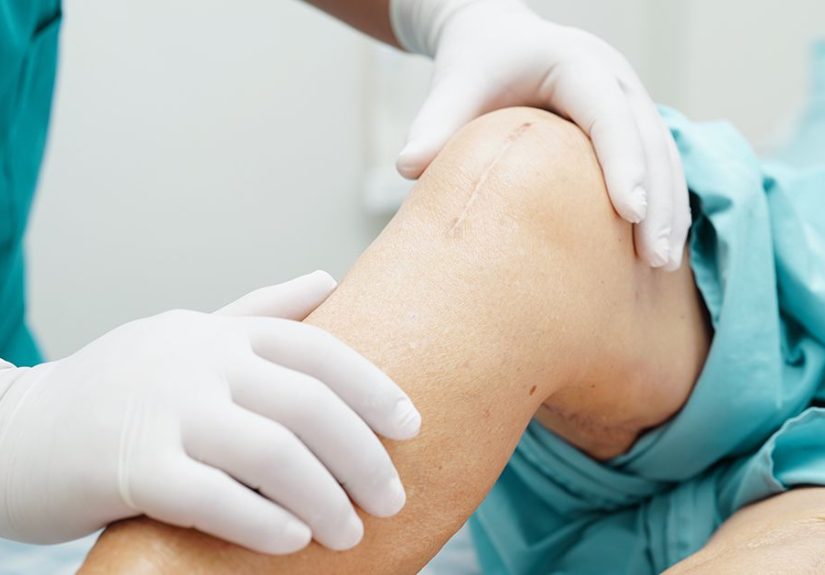
Knee replacement surgery is a procedure in which a surgeon removes damaged bone and cartilage from the knee joint and replaces those surfaces with artificial parts, usually made from metal alloys, medical-grade plastic, or other durable materials. The purpose is not to replace the entire leg or give you a superhero knee, although getting back to walking with less pain can feel pretty heroic.
There are different types of knee replacement surgery. A total knee replacement replaces the damaged surfaces of the thigh bone, shin bone, and sometimes the kneecap. A partial knee replacement replaces only one damaged compartment of the knee, which may be an option when arthritis is limited to one area. A revision knee replacement is a second surgery used to repair or replace an old implant that has worn out, loosened, become infected, or caused other problems.
The most common reason for knee replacement is osteoarthritis, a wear-and-tear condition that breaks down cartilage. Other causes include rheumatoid arthritis, post-traumatic arthritis after injury, deformity, or severe joint damage. The main goal is pain relief, followed by improved function, better alignment, and a more active life.
2. How Do I Know If I Need a Knee Replacement?
You may be a candidate for knee replacement if knee pain limits your daily life despite nonsurgical treatment. Doctors usually look at several factors together: your symptoms, physical exam, X-rays or other imaging, knee stability, range of motion, overall health, and how much the pain affects your quality of life.
Common signs include severe pain while walking, climbing stairs, standing from a chair, or getting in and out of a car. Some people also have pain at rest or at night. Others notice swelling, stiffness, bowing of the leg, grinding sensations, or the feeling that the knee may give way. If your world is shrinking because your knee keeps saying “absolutely not,” it may be time for a serious orthopedic discussion.
However, surgery is usually not the first step. Many patients try physical therapy, anti-inflammatory medications if safe, cortisone injections, gel injections, bracing, assistive devices, weight loss, and low-impact exercise before choosing surgery. Knee replacement is typically considered when those options no longer provide meaningful relief.
3. Is Knee Replacement Surgery Painful?
Yes, there is pain after knee replacement surgery, but modern pain control has improved significantly. Most patients receive a combination of treatments, which may include regional anesthesia, nerve blocks, oral medications, anti-inflammatory strategies, ice, elevation, and early movement. The aim is not to make recovery completely painless; it is to make pain manageable enough that you can walk, sleep, and do physical therapy.
Many patients describe the first few days as the hardest. The knee may feel swollen, warm, tight, heavy, or deeply sore. This is normal after major surgery. Pain usually improves gradually, though progress can feel uneven. One day you may feel like a champion; the next day your knee may act like it has filed a complaint with management.
The important point is that controlled movement helps recovery. Avoiding all activity because of pain can increase stiffness and slow progress. On the other hand, doing too much too soon can worsen swelling. Good recovery is a balancing act: move regularly, follow your therapy plan, take medications as prescribed, and communicate with your care team if pain feels uncontrolled or suddenly worsens.
4. How Long Does Knee Replacement Surgery Take?
The surgical procedure itself often takes about one to two hours, although the full hospital experience takes longer because of preparation, anesthesia, recovery room monitoring, and discharge planning. Complex cases, revision surgery, severe deformity, or other medical issues can extend the timeline.
Before surgery, you may have blood tests, medication reviews, imaging, infection screening, and anesthesia evaluation. Your surgeon may ask you to stop certain medications, improve blood sugar control, quit smoking, or strengthen your body before the operation. Think of this as training camp for your new knee. The better prepared your body is, the better chance you have for a smoother recovery.
After surgery, some patients go home the same day, while others stay in the hospital for one or more nights. The decision depends on your health, mobility, pain control, home support, and surgeon’s protocol. Same-day joint replacement has become more common for carefully selected patients, but it is not right for everyone.
5. What Happens During Recovery?
Knee replacement recovery begins almost immediately. Many patients are encouraged to stand and walk with assistance on the day of surgery or the next day. Early movement helps circulation, reduces the risk of blood clots, and starts the process of restoring range of motion.
At first, you will likely use a walker or crutches, then transition to a cane, and eventually walk independently. Physical therapy focuses on bending and straightening the knee, strengthening the thigh and hip muscles, improving balance, and retraining your walking pattern. The knee may be swollen for weeks or months, and stiffness is common, especially in the morning or after sitting.
Many people resume light daily activities within several weeks. Desk work may be possible in a few weeks for some patients, while physically demanding jobs take longer. Driving may resume when you are off narcotic pain medication, can react quickly, and can safely control the vehicle. Right knee surgery often requires more caution because that leg controls the brake and accelerator.
Most patients see major improvement by three months, but full recovery can take six months to a year. That does not mean you will be miserable for a year. It means strength, flexibility, confidence, and comfort continue improving long after the incision heals.
6. How Long Does a Knee Replacement Last?
Modern knee replacement implants are designed to be durable. Many last 15 to 20 years or longer, and a large number of patients keep their original implant for decades. However, no artificial joint lasts forever. Wear, loosening, infection, injury, bone quality, body weight, activity level, and implant design can all affect longevity.
Younger, highly active patients may face a higher lifetime chance of needing revision surgery because they place more years of use on the implant. This does not mean younger patients should automatically avoid surgery. It means the decision should include a careful discussion about timing, expectations, and long-term planning.
Warning signs of implant problems may include increasing pain after a period of good function, swelling, instability, reduced motion, new deformity, or difficulty walking. Regular follow-up with your orthopedic surgeon helps detect issues before they become bigger problems. Your new knee may not need constant attention, but it should not be treated like a forgotten appliance in the garage either.
7. What Are the Main Risks of Knee Replacement Surgery?
Knee replacement is generally successful for many patients, but it is still major surgery. Possible risks include infection, blood clots, bleeding, stiffness, persistent pain, nerve or blood vessel injury, wound healing problems, implant loosening, fracture, allergic reaction to implant materials, anesthesia complications, heart or lung problems, and the need for another surgery.
Serious complications are uncommon, but they matter. Infection is one of the most concerning risks because bacteria can attach to an artificial joint. Treatment may require antibiotics, additional surgery, or implant removal in severe cases. Blood clots are another important concern after lower-limb surgery. Doctors often use early walking, compression devices, stockings, and blood-thinning medication to lower risk.
Patients with diabetes, obesity, smoking history, poor circulation, immune problems, kidney disease, heart disease, or previous infections may have higher complication risks. This is why preoperative optimization matters. Getting blood sugar controlled, improving nutrition, stopping nicotine, treating dental or skin infections, and following medication instructions can all help reduce risk.
8. Will My New Knee Feel Normal?
A successful knee replacement can feel dramatically better than an arthritic knee, but it may not feel exactly like the knee you had at age 18. Some patients notice clicking, mild warmth, numbness around the incision, stiffness after sitting, or awareness that the joint is artificial. These sensations often become less noticeable over time.
The goal of surgery is not to create a perfectly natural knee; it is to create a more comfortable, functional knee. Most patients can walk, climb stairs, shop, travel, garden, swim, cycle, and enjoy many everyday activities with less pain. Some kneeling may remain uncomfortable. High-impact sports may be discouraged because they can increase stress on the implant.
It helps to set realistic expectations. A knee replacement is excellent at relieving arthritis pain, but it does not turn back the entire body clock. If hip weakness, back problems, balance issues, or low fitness were present before surgery, they may still need attention afterward. The new knee is a tool, not a magic wand. A very useful tool, but still not magic.
9. What Activities Can I Do After Knee Replacement?
Most surgeons encourage low-impact activities after recovery. Walking, swimming, stationary cycling, golf, light hiking, doubles tennis, gentle dancing, and strength training are commonly recommended when cleared by your care team. Movement keeps muscles strong, supports balance, helps weight control, and protects overall health.
High-impact activities are usually limited or discouraged. Running, jumping, high-impact aerobics, aggressive singles tennis, heavy repetitive lifting, and contact sports may increase wear or injury risk. Some patients return to more demanding activities based on fitness, surgical outcome, and surgeon approval, but this should be discussed individually.
One of the best long-term habits is strengthening the muscles around the knee. Strong quadriceps, hamstrings, glutes, and calves help support the joint. Flexibility also matters. A stiff knee can make stairs, chairs, and cars more difficult. Your physical therapist can design a plan that safely builds strength without turning your recovery into an Olympic event.
10. How Should I Prepare My Home Before Surgery?
Preparing your home before knee replacement can make the first few weeks much easier. Remove loose rugs, electrical cords, clutter, and anything that could cause a trip. Place commonly used items at waist level so you do not need to bend, climb, or perform kitchen gymnastics. Make sure pathways are wide enough for a walker.
Useful items may include a raised toilet seat, shower chair, nonslip bath mat, grab bars, ice packs, comfortable shoes, a firm chair with arms, and a small bag or basket to carry items while using a walker. If your bedroom is upstairs, discuss stair safety before surgery. Some patients temporarily set up a sleeping area on the main floor.
Plan for help with meals, transportation, pets, laundry, groceries, and medication pickup. Pets are wonderful, but a joyful dog sprinting toward your fresh surgical knee is not part of the official rehab protocol. Arrange support early so you can focus on healing instead of negotiating with a laundry basket.
11. What Questions Should I Ask My Surgeon Before Knee Replacement?
Good questions lead to better decisions. Before surgery, ask your surgeon why knee replacement is recommended, whether partial or total replacement is best, what implant type may be used, how many similar procedures they perform, and what results you can reasonably expect.
Also ask about your personal risk factors. For example: How do my weight, diabetes, heart health, medications, smoking history, or previous surgeries affect my risk? What should I do before surgery to improve my outcome? Should I see my primary care doctor, cardiologist, dentist, or another specialist first?
Recovery questions are just as important. Ask when you will start walking, how long you may need a walker or cane, what physical therapy schedule is expected, when you can shower, drive, return to work, climb stairs, travel, and sleep comfortably. Ask which warning signs require immediate medical attention, including fever, increasing redness, drainage, calf pain, chest pain, shortness of breath, or sudden severe swelling.
Finally, ask what success means in your specific case. For one person, success may mean walking two miles. For another, it may mean shopping without a cart for support. For someone else, it may mean sleeping through the night without knee pain. Clear goals help everyone aim at the same target.
Practical Recovery Tips Patients Often Wish They Knew Earlier
Stay Ahead of Swelling
Swelling is one of the biggest reasons patients feel stiff and discouraged. Ice, elevation, ankle pumps, short walks, and following your medication plan can help. Elevate the leg properly, usually with support under the calf and ankle rather than a pillow directly behind the knee unless your care team says otherwise. Keeping the knee slightly bent all day may feel comfortable in the moment but can make it harder to regain full extension.
Take Physical Therapy Seriously
Physical therapy is not punishment for getting surgery. It is the bridge between having a new joint and using it well. The exercises may look simple, but they build motion, strength, circulation, and confidence. Do them as instructed, not as a dramatic personal challenge. More is not always better; consistent and correct usually wins.
Respect Pain, But Do Not Fear Movement
Some discomfort during rehab is expected. Sharp, worsening, or unusual pain should be reported. Many patients learn the difference between “working discomfort” and “something is wrong.” When in doubt, call your care team. You are not bothering them; that is part of postoperative care.
Protect Sleep
Sleep can be frustrating after knee replacement. The knee may throb at night, and finding a comfortable position can take creativity. Use medications only as prescribed, ice before bed if recommended, and avoid overdoing activity late in the day. Poor sleep makes pain feel louder, so treat rest as part of recovery, not a luxury.
Patient-Style Experiences: What Knee Replacement Recovery Often Feels Like
Many people describe knee replacement recovery as a journey with chapters. The first chapter is the “what did I just do?” phase. The knee is swollen, the leg feels heavy, and every movement requires thought. Getting to the bathroom can feel like a scheduled expedition. During this stage, small victories matter. Standing safely, walking to the hallway, bending the knee a little farther, or getting into bed without inventing new words can all count as progress.
The second chapter is the routine-building phase. Patients learn when to take medication, when to ice, when to do exercises, and when to rest. This is where expectations can get tricky. Some people assume recovery should improve in a perfectly straight line. In real life, it often looks more like a stock market chart: generally upward, but with dips that make you question everything. A busy day, poor sleep, extra swelling, or an ambitious walk can temporarily make the knee feel worse. That does not always mean something is wrong; it may simply mean the knee is asking for smarter pacing.
The third chapter is confidence. Around this point, many patients notice they are thinking less about every step. They may walk around the house without staring at the floor. Stairs become less intimidating. The walker disappears, then maybe the cane. The first successful grocery trip can feel like a parade, even if nobody in the cereal aisle applauds.
Emotionally, recovery can surprise people. It is common to feel impatient, bored, grateful, nervous, or even temporarily regretful during the hardest days. That does not mean the surgery failed. It means recovery is demanding. Having a support person, writing down progress, asking questions, and celebrating small improvements can help. A useful habit is comparing yourself to last week, not to someone online who claims they were hiking mountains on day nine. The internet has many things; realistic knee recovery timelines are not always one of them.
By several months, many patients realize their old arthritis pain is gone or greatly reduced. Surgical soreness may still appear after activity, but it is different from the grinding, deep joint pain they had before. They may walk farther, travel more comfortably, return to hobbies, or simply enjoy ordinary tasks again. Often, the biggest success is not dramatic. It is quiet: walking across a parking lot without planning every step, sleeping better, standing in the kitchen without leaning on the counter, or saying yes to an outing without first checking how many stairs are involved.
The most helpful mindset is patient persistence. A knee replacement is not finished when the operating room lights turn off. It becomes successful through healing, therapy, safe movement, follow-up care, and realistic expectations. The new knee gives you an opportunity. What you do with that opportunity matters.
Conclusion: Better Questions Lead to Better Knee Replacement Decisions
Knee replacement surgery can be life-changing for people with severe knee pain, stiffness, and loss of mobility. It can reduce arthritis pain, improve function, and help patients return to daily activities that once felt out of reach. Still, it is major surgery, and the best outcomes usually come from informed decisions, careful preparation, realistic expectations, and active participation in recovery.
If you are considering knee replacement, do not focus only on the surgery date. Think about the whole process: your health before surgery, your home setup, your support system, your physical therapy plan, your pain control strategy, and your long-term activity goals. Ask your surgeon specific questions. Learn the warning signs. Follow the recovery instructions. And most importantly, remember that progress is progress, even when it arrives wearing compression socks and moving at walker speed.