Table of Contents >> Show >> Hide
- Why Ceramic Wine Cups Are Suddenly Everywhere
- What Makes a Good Ceramic Wine Cup?
- 10 Easy Pieces: Ceramic Wine Cup Styles to Know
- 1. The Minimalist Porcelain Wine Cup
- 2. The Speckled Stoneware Tumbler
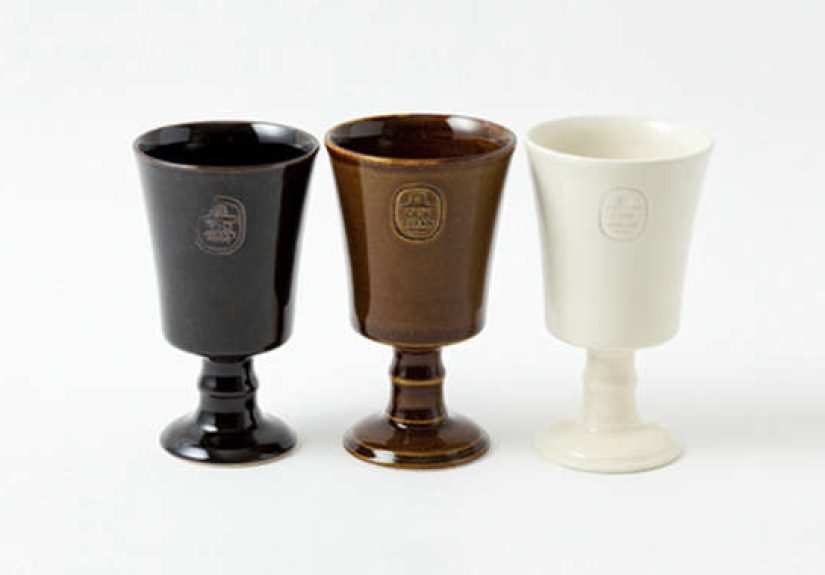
- 3. The Footed Ceramic Goblet
- 4. The Wide-Bellied Ceramic Cup for Reds
- 5. The Narrow Cup for Whites and Rosé
- 6. The Yunomi-Inspired Wine Cup
- 7. The Matte Black Ceramic Wine Cup
- 8. The Handmade Wedding or Gift Pair
- 9. The Outdoor-Friendly Ceramic Tumbler
- 10. The Mixed Set
- Ceramic Wine Cup vs. Traditional Wine Glass
- How to Choose the Right Ceramic Wine Cup
- Best Wines to Serve in Ceramic Cups
- Styling Ceramic Wine Cups on the Table
- Common Mistakes to Avoid
- Experience Notes: Living With Ceramic Wine Cups
- Conclusion
Once upon a dinner party, wine had a dress code. It wanted a long stem, a delicate bowl, and a high probability of being knocked over by someone reaching for the olives. Then came the new ceramic wine cup: grounded, tactile, relaxed, and just a little rebellious. It says, “Yes, this is a nice Pinot Noir,” while also saying, “No, we are not polishing twelve crystal stems after dessert.”
The ceramic wine cup is not trying to replace every piece of traditional stemware. A thin crystal glass still has its place, especially for serious tastings where aroma, rim thickness, and bowl shape matter. But for casual entertaining, outdoor dinners, weeknight pours, natural wine nights, and homes that prefer warmth over formality, ceramic cups bring something glass often cannot: texture, character, and a handmade feeling that turns a simple sip into a small ritual.
Design editors, artisan potters, modern tableware brands, and everyday hosts have all helped push ceramic wine cups into the spotlight. They appear as stoneware tumblers, porcelain cups, footed goblets, speckled clay vessels, and sculptural mini chalices. Some feel rustic and earthy; others look sleek enough to sit beside linen napkins and very expensive cheese. The best ones are beautiful, food-safe, comfortable to hold, and sized for a sensible pour rather than a dramatic “I live in a vineyard now” gesture.
Why Ceramic Wine Cups Are Suddenly Everywhere
The rise of ceramic wine cups fits into a larger shift in home design: people want objects that feel personal. After years of ultra-perfect minimalism, the table has loosened up. Handmade mugs, uneven plates, linen tablecloths, and small-batch ceramics make meals feel human. A ceramic wine cup belongs naturally in that world. It has weight. It has glaze variation. It may even have a tiny wobble, which in design language means “charming,” not “defective.”
Ceramic cups also match the way people actually drink wine at home. Not every bottle is opened for a formal tasting. Sometimes the wine is served with pizza, roast chicken, a salad eaten from a mixing bowl, or a board of snacks that started as “just a few things” and became dinner. In those moments, a ceramic wine tumbler feels more inviting than a fragile stem. It says the evening is stylish, but nobody needs to whisper.
What Makes a Good Ceramic Wine Cup?
A good ceramic wine cup balances beauty and function. It should feel comfortable in the hand, hold a modest pour with enough room to swirl, and have a rim that does not feel thick or clumsy. Wine is aromatic, so the shape still matters. A slightly rounded bowl can help aromas gather, while a gently tapered opening keeps the drinking experience focused. A very straight-sided cup may look modern, but it can make wine feel flatter if there is no room for aroma to build.
Material matters, too. Stoneware is durable and satisfying, often with a grounded, earthy feel. Porcelain can be thinner, lighter, and more refined. Earthenware may be beautiful but should be chosen carefully for wine because wine is acidic and can interact with poorly finished or unsafe glazes. For drinking vessels, look for cups clearly labeled food-safe, lead-free, and intended for beverages. If a cup is decorative only, let it admire the wine from a respectful distance.
10 Easy Pieces: Ceramic Wine Cup Styles to Know
1. The Minimalist Porcelain Wine Cup
The minimalist porcelain wine cup is the little black dress of this trend, even when it is white, cream, or pale gray. It has a clean silhouette, a smooth glaze, and enough elegance to work with modern dinnerware. Porcelain is especially appealing for wine because it can be made thinner than heavier stoneware, giving the rim a more refined feel. Choose this style for crisp whites, rosé, chilled reds, and quiet dinners where the table is simple but intentional.
2. The Speckled Stoneware Tumbler
Speckled stoneware is the friendly extrovert of ceramic drinkware. It looks handmade without trying too hard and pairs beautifully with wooden boards, linen runners, grilled vegetables, and the kind of dinner where everyone ends up in the kitchen anyway. A stoneware wine tumbler usually feels heavier in the hand, which can be comforting. The key is proportion: avoid anything too mug-like. A wine cup should feel like a vessel for sipping, not like it is waiting for black coffee and office gossip.
3. The Footed Ceramic Goblet
The footed ceramic goblet keeps a nod to traditional stemware while trading glass fragility for clay personality. It may have a short pedestal, a sculptural base, or a handmade stem. This style is ideal when you want the drama of a goblet without the anxiety of crystal. It works well for festive meals, winter dinners, and tables where candles are doing half the decorating. Look for balance: a goblet should not feel top-heavy, especially after the second pour.
4. The Wide-Bellied Ceramic Cup for Reds
Red wines often benefit from room to breathe, so a wider ceramic cup can be a smart choice for Pinot Noir, Grenache, lighter Syrah, or casual red blends. The bowl does not need to be huge, but it should give the wine some surface area. This style is best for relaxed drinking rather than technical tasting. If you are opening a rare bottle that deserves microscopic analysis, reach for crystal. If you are pouring a juicy red with pasta, the ceramic cup is ready for duty.
5. The Narrow Cup for Whites and Rosé
White wines and rosés often shine in smaller, narrower vessels because cooler temperatures and delicate aromatics matter. A slim ceramic cup helps keep the pour modest and the experience fresh. It is especially good for Sauvignon Blanc, Albariño, Pinot Grigio, dry Riesling, and pale rosé. The cup should still leave space at the top, because filling any wine vessel to the brim is not generosity; it is a splash-risk strategy with consequences.
6. The Yunomi-Inspired Wine Cup
Inspired by Japanese tea cups, the yunomi-style ceramic wine cup is handleless, cylindrical, and wonderfully tactile. It has a quiet elegance that suits natural wines, orange wines, sake, and small pours of dessert wine. The straight shape makes it less aroma-focused than a tulip bowl, but the hand feel can be exceptional. This is the cup for people who like their tableware calm, useful, and slightly poetic.
7. The Matte Black Ceramic Wine Cup
A matte black wine cup brings instant mood. It looks striking against pale plates, brass flatware, and richly colored food. It also makes even a Tuesday night wine pour feel like it has a soundtrack. The caution: matte glazes can vary in durability, and some may mark or stain more easily than glossy interiors. For wine, the safest choice is often a matte exterior with a smooth, glossy, food-safe liner inside.
8. The Handmade Wedding or Gift Pair
Two handmade ceramic wine cups make a thoughtful wedding, anniversary, or housewarming gift. Unlike generic glassware, a matched-but-not-identical pair feels personal. Many artisans offer subtle variations in glaze, shape, and size, which makes the set feel collected rather than manufactured by a robot with a clipboard. For gifting, choose neutral colors unless you know the recipient’s table style. Not everyone wants neon orange wine cups, even if they are “fun at parties.”
9. The Outdoor-Friendly Ceramic Tumbler
For patios, picnics, and backyard dinners, ceramic wine cups are more stable than tall stemware. They are not unbreakable, of course. Ceramic dropped on stone still has a dramatic ending. But a low, weighted tumbler is less likely to tip over in a breeze or during an enthusiastic toast. Choose thicker stoneware for outdoor use, and avoid bringing your most precious handmade cup to a barbecue where paper plates are already involved.
10. The Mixed Set
A mixed set may be the most modern approach of all. Instead of buying six identical cups, collect complementary pieces in related colors: ivory, clay, charcoal, moss, blue-gray, or warm brown. This creates a table that feels layered and personal. The trick is to keep one element consistent, such as size, glaze family, or general silhouette. Otherwise the table can shift from “effortless design” to “I raided three thrift stores during a thunderstorm.”
Ceramic Wine Cup vs. Traditional Wine Glass
The biggest difference between ceramic and glass is sensory clarity. Clear glass allows you to see color, legs, bubbles, and clarity. It also often has a thinner rim, which can make wine feel more precise. Traditional wine glasses are designed to shape aroma and direct wine across the palate. For serious tasting, that engineering matters.
Ceramic cups offer a different pleasure. They are tactile, informal, visually warm, and less fussy. They make the drinking experience feel grounded. You may lose some visual analysis, but you gain atmosphere. For everyday wines, that trade-off can be delightful. Most people do not need to inspect the robe of a weekday Merlot like they are judging a royal textile.
How to Choose the Right Ceramic Wine Cup
Check the Rim
The rim should feel smooth and comfortable. A thick rim can make wine feel dull, while a thinner rim gives a cleaner sip. Handmade does not have to mean chunky. The best ceramic wine cups are sturdy but still elegant at the lip.
Look for Food-Safe Glazes
Because wine is acidic, glaze safety is essential. Choose cups from makers or brands that clearly state their ceramics are food-safe and suitable for beverages. Lead-free and cadmium-safe claims are especially important for drinkware. Avoid using antique, cracked, chipped, or decorative pottery for wine unless you know it is safe for food use.
Consider Capacity
A useful ceramic wine cup usually holds more than the pour itself. A standard serving is much smaller than the full capacity of most cups, and that extra room helps prevent spills and allows gentle swirling. For most homes, a cup in the 8- to 12-ounce range is practical, though smaller cups can be lovely for aperitifs, dessert wines, and tasting flights.
Match the Shape to the Wine
Use wider cups for reds that enjoy air, narrower cups for whites and rosés, and smaller cups for fortified or dessert wines. If you want one all-purpose option, choose a softly rounded tumbler with a slight taper at the rim. It will not do everything perfectly, but it will do most things pleasantly, which is also a respectable life philosophy.
Think About Care
Many modern ceramic cups are dishwasher safe, but handmade pieces may prefer hand washing. Metallic lusters, delicate glazes, and unglazed foot rings may need extra care. If you entertain often, choose cups that can survive real life. Beauty is wonderful, but so is not spending your evening hand-washing tiny goblets while everyone else eats the last tart.
Best Wines to Serve in Ceramic Cups
Ceramic wine cups are especially good for casual, expressive wines: chilled reds, pét-nat, orange wine, rosé, young natural wines, rustic Italian reds, Spanish garnacha, and easygoing white blends. They are also excellent for mulled wine because ceramic holds warmth beautifully. For sparkling wines, a ceramic cup can be fun and informal, though it will not preserve bubbles as well as a flute or tulip glass.
For expensive aged wines, highly aromatic whites, or serious blind tasting, traditional glassware still wins. Ceramic is not about maximum technical performance. It is about mood, comfort, and everyday pleasure. In other words, use the crystal when you are studying the wine; use the ceramic cup when you are enjoying the evening.
Styling Ceramic Wine Cups on the Table
Ceramic wine cups look best when they feel connected to the rest of the table. Pair earthy stoneware with linen napkins, matte plates, taper candles, and food served family-style. Use porcelain cups with clean white dinnerware, stainless flatware, and simple florals. Let darker cups anchor a dramatic table with roasted meats, mushrooms, winter greens, and deep red wine.
For a relaxed summer table, mix pale ceramic cups with glass carafes, chilled rosé, grilled seafood, and a bowl of lemons. For fall, try speckled brown or ash-gray cups with roasted squash, sourdough, and a lighter red. For the holidays, footed ceramic goblets can make the table feel special without looking like you borrowed glassware from a museum.
Common Mistakes to Avoid
The first mistake is choosing form over function. A cup can be beautiful and still awkward to drink from. If the rim is too thick, the base is unstable, or the interior is rough, keep shopping. The second mistake is ignoring safety. Decorative pottery is not automatically safe for wine. The third mistake is overfilling. Ceramic cups can hide how much wine is inside, so pour thoughtfully. Your tablecloth will thank you.
Another mistake is expecting ceramic to behave exactly like glass. It will not show color in the same way, and it may slightly soften the tasting experience. That is not failure; it is the point. Ceramic wine cups are about a different kind of enjoyment, one that values touch and atmosphere as much as precision.
Experience Notes: Living With Ceramic Wine Cups
The first time you use a ceramic wine cup, the difference is immediate. Instead of lifting a fragile stem by the fingertips, you wrap your hand around something with substance. The cup has temperature, weight, and texture. A glossy interior catches the light; a matte exterior feels soft against the palm. Before the wine even reaches your nose, the object has already changed the mood of the drink.
At a casual dinner, ceramic cups tend to relax the room. Guests do not hover nervously over delicate stemware or worry about setting a glass too close to the edge of the table. The cups sit low and steady. They feel at home beside a bowl of olives, a loaf of bread, and a slightly chaotic cheese board. Conversation becomes easier because the table feels less staged. Nobody is performing “formal dinner.” Everyone is simply having one.
Ceramic wine cups are also excellent at making inexpensive wine feel more intentional. This does not mean they magically transform a bargain bottle into a grand cru. They are cups, not wizards. But presentation matters. A simple red served in a handmade stoneware tumbler can feel cozy and generous. A chilled white in a pale porcelain cup can feel clean and refreshing. Even a half-glass of leftover rosé becomes more appealing when it is poured into something that looks chosen rather than grabbed.
They work especially well for outdoor meals. On a patio, a low ceramic tumbler feels far more practical than a tall stemmed glass. It is easier to pass, easier to set down, and less likely to topple when someone reaches across the table for grilled corn. The cup also pairs naturally with the textures of outdoor dining: wood, stone, linen, clay pots, herbs, and firelight. It makes wine feel like part of the meal rather than a separate ceremony.
There are, however, a few lessons you learn quickly. First, not every ceramic cup is right for every wine. A very heavy cup can make delicate whites feel clumsy. A narrow tumbler may mute a fragrant red. A dark interior can make it impossible to admire the color of the wine. Second, hand feel is personal. Some people love a substantial cup; others prefer something lighter and thinner. If possible, buy one or two before committing to a full set.
Cleaning habits matter, too. Dishwasher-safe cups are wonderfully convenient, but handmade pieces often deserve gentler treatment. A quick hand wash with mild soap keeps glazes looking their best. Avoid letting wine sit overnight in cups with delicate or matte interiors. Yes, the dinner was fun. No, the cup does not want to marinate in Cabernet until breakfast.
The most enjoyable way to use ceramic wine cups is to build small rituals around them. Keep two favorites for weeknight dinners. Bring out the footed goblets for birthdays. Use the speckled tumblers for pizza night. Serve chilled red in wide cups during summer and mulled wine in thicker cups during winter. Over time, the cups become associated with meals, people, and moments. That is the quiet power of handmade tableware: it collects memory without making a speech about it.
In the end, the new ceramic wine cup is less about replacing tradition and more about expanding it. Wine does not always need a crystal stage. Sometimes it needs clay, candlelight, a good meal, and a table where people feel comfortable enough to stay a little longer. That is where ceramic cups shine: not as perfect instruments, but as generous companions.
Conclusion
The new ceramic wine cup has earned its place on the modern table because it combines usefulness, beauty, and personality. It is durable enough for casual meals, stylish enough for thoughtful entertaining, and tactile in a way glass rarely is. While traditional stemware remains the best choice for formal tastings and highly nuanced wines, ceramic cups offer a warmer, more relaxed experience for everyday drinking.
Choose pieces with food-safe glazes, comfortable rims, balanced shapes, and sizes that leave room for aroma. Start with a pair, experiment with different wines, and notice how the vessel changes the mood of the meal. Whether you prefer porcelain minimalism, speckled stoneware, or a dramatic footed goblet, ceramic wine cups prove that good design does not have to be fragile. Sometimes the most elegant glass of wine is not in a glass at all.