Table of Contents >> Show >> Hide
- Why Look for Alternatives to Refined Sugar?
- 1. Fresh Fruit
- 2. Unsweetened Applesauce
- 3. Mashed Banana
- 4. Date Paste or Date Sugar
- 5. Pure Maple Syrup
- 6. Honey
- 7. Blackstrap Molasses
- 8. Coconut Sugar
- 9. Monk Fruit Sweetener
- 10. Stevia
- How to Choose the Best Alternative
- Common Mistakes to Avoid
- Conclusion
- Real-Life Experiences People Often Have When Switching Away From Refined Sugar
- SEO Tags
Refined sugar has a talent for showing up everywhere. It sneaks into coffee, camps out in cereal, and practically throws a party in baked goods. The problem is not that sweetness is evil or that dessert must now wear a tiny black mourning veil. The real issue is that many people eat far more added sugar than they realize, which can crowd out more nourishing foods and turn “just a little sweet” into a daily habit.
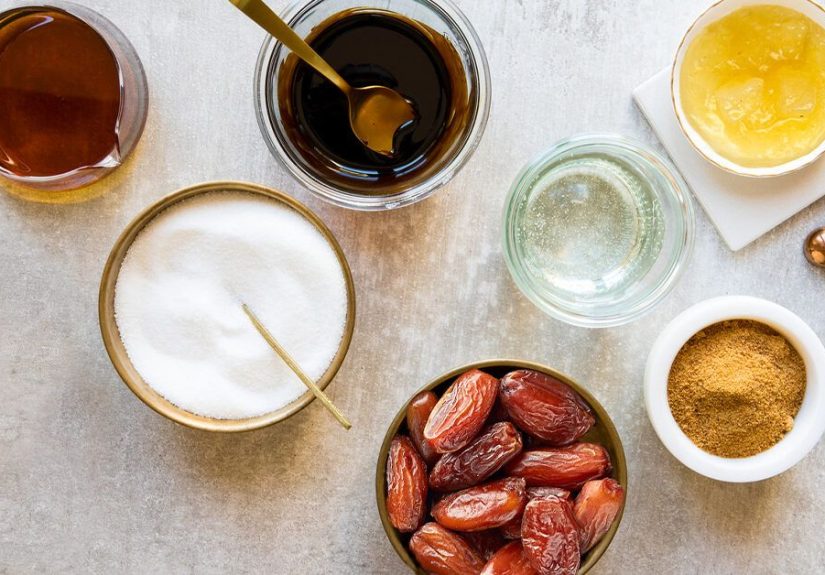
The good news is that cutting back does not mean condemning your taste buds to a life of sadness and plain oatmeal. There are plenty of alternatives to refined sugar, and they are not all the same. Some are whole-food options that bring fiber or nutrients to the table. Some are less processed sweeteners with deeper flavor. Others are low- or no-calorie choices that can help when you want sweetness without a full sugar hit. The trick is knowing what each one does well, where it works best, and when “healthier” is just clever marketing wearing a halo.
This guide breaks down 10 smart alternatives to refined sugar, plus how to use them in real life without turning your muffins into doorstops or your tea into a science project.
Why Look for Alternatives to Refined Sugar?
Before we start handing out medals to maple syrup and mashed bananas, let’s clear something up: an alternative to refined sugar is not always a free pass. Honey is still sugar. Maple syrup is still sugar. Coconut sugar is still, in a shocking twist, sugar. But some alternatives offer advantages such as better flavor, less processing, easier portion control, or extra nutrients. Others help reduce overall added sugar because they let you sweeten with fruit, spice, or a concentrated no-calorie option instead.
In other words, the goal is not to find a magical unicorn sweetener that somehow transforms cookies into kale. The goal is to make smarter swaps that better fit your health goals, recipes, and everyday habits.
1. Fresh Fruit
Best for: Snacks, breakfast bowls, yogurt, oatmeal, smoothies, and desserts
Fresh fruit is one of the best alternatives to refined sugar because it does more than make food sweet. It also brings fiber, water, vitamins, minerals, and natural flavor. Berries add brightness to plain yogurt. Sliced bananas can rescue unsweetened oatmeal from tasting like punishment. Mango, peaches, and apples can make desserts feel indulgent without requiring a sugar avalanche.
Fruit also helps retrain your palate. When you get used to real-food sweetness, heavily sweetened foods can start tasting cartoonishly sugary. That is a nice plot twist for anyone trying to reset their eating habits.
How to use it: Top cereal with berries, blend frozen fruit into smoothies, or finish dinner with apple slices and peanut butter instead of candy. It is simple, effective, and does not require a chemistry degree.
2. Unsweetened Applesauce
Best for: Muffins, quick breads, snack cakes, pancakes, and oatmeal
Unsweetened applesauce is the overachiever of sugar swaps. It adds sweetness, moisture, and a soft texture, which makes it especially handy in baking. It works well in recipes where you want tenderness more than crispness. That means muffins say yes, while crunchy sugar cookies may give you a skeptical look.
One reason applesauce is so popular is that it can help you reduce refined sugar without making baked goods dry. It is also easy to find, affordable, and beginner-friendly. Basically, it is the friend who shows up on time, brings snacks, and never makes things weird.
How to use it: Replace some or all of the sugar in softer baked goods, or stir it into oatmeal instead of brown sugar. Choose unsweetened applesauce so you are not accidentally swapping one sweetener for another in a fake mustache.
3. Mashed Banana
Best for: Banana bread, pancakes, waffles, oatmeal, smoothies, and snack bites
Mashed banana is sweet, affordable, and almost suspiciously useful. The riper the banana, the sweeter it tastes, which makes it excellent for replacing part of the refined sugar in breakfast foods and baked goods. It also adds moisture and body, so it can do double duty in recipes.
The obvious catch is flavor. Banana has a personality. It is not subtle. If you do not want your recipe tasting even a little like banana, this may not be your hero ingredient. But in the right recipe, it works beautifully and gives food a naturally sweet, cozy feel.
How to use it: Mash ripe bananas into pancake batter, oatmeal, or homemade energy bites. In baking, start by replacing part of the sugar rather than all of it, especially if you are testing a recipe for the first time.
4. Date Paste or Date Sugar
Best for: Smoothies, brownies, bars, oatmeal, sauces, and dense baked goods
Dates are nature’s caramel impersonator, and they do a convincing job. Date paste is made by blending softened dates into a thick puree, while date sugar is made from ground dehydrated dates. Both can add rich sweetness and a deeper flavor than plain white sugar.
Date-based sweeteners are popular with people who prefer more whole-food ingredients. They can work especially well in recipes that already lean hearty or fudgy, such as snack bars, energy balls, brownies, and blended sauces. They are less ideal when you want a crystal-clear texture or a super-light cake.
How to use it: Blend pitted dates with warm water to make a paste, then use it in smoothies, oatmeal, or homemade desserts. Date sugar can replace white or brown sugar in some recipes, though the texture may change slightly because it does not dissolve the same way refined sugar does.
5. Pure Maple Syrup
Best for: Oatmeal, granola, yogurt, marinades, salad dressings, and baking
Pure maple syrup is a solid alternative when you want sweetness plus flavor. Unlike refined sugar, which mostly tastes sweet and little else, maple syrup brings a warm, caramel-like depth that can make a recipe feel more complex. A small amount can go a long way because you notice the flavor, not just the sweetness.
Still, maple syrup is not a health loophole. It is an added sugar and should be used with intention. The advantage is mainly that it is less processed than white sugar and may contain small amounts of minerals and antioxidants. The disadvantage is that it is easy to pour with a generous hand and accidentally create a pancake flood situation.
How to use it: Drizzle a little over oatmeal, whisk it into vinaigrettes, or swap it into baking recipes while reducing some of the liquid. Go for pure maple syrup, not maple-flavored pancake syrup, which is basically a costume party.
6. Honey
Best for: Tea, yogurt, sauces, dressings, marinades, and soft baked goods
Honey has been sweetening food for ages, and it remains popular because it is flavorful, versatile, and easy to use. Different varieties can taste floral, earthy, light, or bold, which makes honey useful when you want a sweetener that adds character rather than just sugar rush energy.
Like maple syrup, honey is still sugar. It may contain trace antioxidants and small amounts of nutrients, but it should not be treated like wellness glitter. Think of it as a flavorful sweetener, not a miracle tonic. Used wisely, though, it can help you enjoy less sweetness overall because the flavor feels more satisfying.
How to use it: Stir a little into plain Greek yogurt, use it in homemade sauces, or add it to tea. In baking, reduce other liquids slightly and expect a softer texture.
7. Blackstrap Molasses
Best for: Gingerbread, baked beans, barbecue sauce, granola, and robust baked goods
Blackstrap molasses is the moody artist of the sweetener world. It is dark, strong, slightly bitter, and absolutely not here to be ignored. That means it is not for every recipe, but when used well, it adds remarkable depth and complexity.
It also stands out because it contains more minerals than many other sweeteners, including iron, calcium, potassium, and magnesium. That does not make it a green smoothie, but it does give it a small nutritional edge over plain white sugar.
How to use it: Use a spoonful in spice cookies, barbecue sauce, baked beans, or homemade granola. Start small, because blackstrap molasses does not whisper. It enters the room and announces itself.
8. Coconut Sugar
Best for: Baking, coffee, tea, and recipes that need a brown-sugar vibe
Coconut sugar is often marketed like it is the enlightened cousin of white sugar. The truth is more modest. It may contain trace minerals and it can taste pleasantly caramel-like, but nutritionally it is not a dramatic upgrade. It is still added sugar and should be treated that way.
That said, coconut sugar can be useful because it behaves more like regular granulated sugar than liquid sweeteners do. That makes it a convenient option for bakers who want an easy one-for-one style swap and a slightly richer flavor.
How to use it: Try it in cookies, coffee, crumbles, and homemade granola. Use it when texture matters and you want something closer to brown sugar than syrup.
9. Monk Fruit Sweetener
Best for: Beverages, yogurt, sauces, and lower-sugar desserts
Monk fruit sweetener is a plant-derived, high-intensity sweetener that can provide sweetness with little or no calories, depending on the product. This makes it appealing for people who want to lower sugar intake without sacrificing sweetness altogether.
The main challenge is taste and formulation. Some monk fruit products are blended with other sweeteners or bulking agents, and some people notice an aftertaste. It can work beautifully in coffee or yogurt, but baking with it may require a recipe designed specifically for it. Tossing it into Grandma’s pound cake recipe and hoping for the best is a brave but risky choice.
How to use it: Use monk fruit in drinks, sauces, or recipes written for monk fruit blends. Check labels, because products vary a lot.
10. Stevia
Best for: Coffee, tea, lemonade, smoothies, and some lower-sugar recipes
Stevia is another plant-derived sweetener that can sweeten foods and drinks without the calories of refined sugar. It is especially useful in beverages, where a small amount can make a big difference. For people who want to reduce added sugar but still enjoy sweet drinks, stevia is often one of the easiest places to start.
As with monk fruit, the biggest downside is taste. Some people love it. Others swear it leaves a slightly bitter or licorice-like note. This is less of a moral failing and more of a personal preference issue. Your taste buds are allowed to have opinions.
How to use it: Add small amounts to tea, coffee, smoothies, or homemade lemonade. Start light. Stevia is very sweet, and there is a fine line between “pleasantly sweet” and “why does this taste like my water is yelling?”
How to Choose the Best Alternative
The best alternative to refined sugar depends on what you care about most.
If you want more nutrition
Start with whole fruit, mashed banana, unsweetened applesauce, or date paste. These options do more than sweeten. They add fiber, moisture, and other nutrients that refined sugar simply does not bring.
If you want baking convenience
Coconut sugar, maple syrup, and honey are usually easier to work with than stevia or monk fruit because they behave more like traditional sweeteners. They still count as sugar, but they are practical and flavorful.
If you want less sugar overall
Try monk fruit or stevia for drinks and simple recipes, and rely more on fruit, spices, and vanilla in everyday meals. Cinnamon, cocoa, nutmeg, almond extract, and ripe fruit can make food taste sweeter without actually dumping in extra sugar.
If you want the simplest strategy
Use less. Seriously. One of the smartest moves is not always replacing sugar gram for gram. Sometimes reducing the sugar in a recipe by 25% and boosting flavor with vanilla or cinnamon works just fine. Your taste buds adjust, and nobody files a formal complaint.
Common Mistakes to Avoid
- Assuming “natural” means unlimited. Honey, maple syrup, and coconut sugar are still added sugars.
- Ignoring texture. Liquid sweeteners change moisture, while fruit purees can make baked goods softer and denser.
- Buying sweetened versions by accident. Unsweetened applesauce means unsweetened. The label matters.
- Expecting every swap to work everywhere. A sweetener that shines in tea may flop in cookies.
- Forgetting the palate reset. Foods may taste less sweet at first, but that usually improves as your taste buds adjust.
Conclusion
There is no single best alternative to refined sugar for every person or every recipe. Whole-fruit options like berries, bananas, applesauce, and dates are excellent when you want sweetness plus real-food benefits. Maple syrup, honey, molasses, and coconut sugar can add rich flavor and work well in cooking or baking, but they still count as sugar. Monk fruit and stevia can help cut back more dramatically when you want sweetness without the same calorie load.
The smartest approach is not perfection. It is flexibility. Use fruit when you can, use flavorful sweeteners in modest amounts when they fit, and let your taste buds get used to food that does not need to taste like a carnival prize. Sweetness can still be part of a healthy way of eating. It just does not have to run the whole show.
Real-Life Experiences People Often Have When Switching Away From Refined Sugar
One of the most common experiences people report when they start using alternatives to refined sugar is that the first week feels oddly dramatic. Coffee tastes too serious. Yogurt tastes like it has opinions. Oatmeal seems to ask, “Are we really doing this?” That adjustment period is normal. Many people are so used to high levels of sweetness that normal foods seem bland at first. Then something surprising happens: after a couple of weeks, fruit starts tasting sweeter, flavored coffee drinks start tasting almost absurdly sugary, and dessert portions that once seemed “reasonable” suddenly look like they were designed by a toddler with unlimited frosting access.
Another common experience is learning that not every sugar swap belongs in every recipe. Someone tries honey in a cookie recipe and gets a soft, sticky result instead of the crisp edges they wanted. Someone else uses mashed banana in pancakes and discovers that breakfast now tastes like banana bread’s cheerful cousin. This is not failure. It is just kitchen reality. Refined sugar is predictable, so when you replace it, texture and flavor change too. People who do best usually stop chasing perfect clones and start choosing swaps based on what the recipe needs. For drinks, stevia or monk fruit may be easy. For baking, maple syrup or coconut sugar may behave better. For snacks, fruit does the job with the least drama.
Many people also notice that cravings shift rather than disappear overnight. At first, the brain may loudly campaign for cookies, soda, or that one cereal that is basically dessert with a mascot. But when meals include enough protein, fiber, and satisfying foods, cravings often become less intense and less bossy. A bowl of plain Greek yogurt with berries and a little honey can feel more satisfying than expected. Peanut butter with apple slices starts to seem like a real snack instead of a consolation prize. Tiny wins like that matter.
There is also the social side. Cutting back on refined sugar sounds noble until someone brings donuts to work or a relative insists that refusing a third slice of cake is a personal attack. People often find it easier when they do not make it an all-or-nothing rule. Instead of saying, “I never eat sugar,” they choose where sweetness is worth it. Maybe homemade pie at a holiday dinner earns a yes, but random vending-machine cookies do not. That mindset feels less restrictive and tends to last longer.
Perhaps the most encouraging experience is realizing that the goal is not to become a person who fears dessert. It is to become someone who actually enjoys sweetness more intentionally. When refined sugar stops being automatic, sweet foods often become more satisfying, not less. A square of dark chocolate tastes richer. Fresh peaches feel luxurious. A muffin sweetened with banana and dates can feel like an actual treat instead of a compromise. And that is usually the turning point: when people stop thinking, “I gave something up,” and start thinking, “I found a better balance.”