Table of Contents >> Show >> Hide
- What Is a Lifestyle Pyramid for Rheumatoid Arthritis?
- Why the Pyramid Works Better Than Random Lifestyle Advice
- The Foundation: Medical Care Still Comes First
- Movement: The Layer That Many People Fear but Often Need
- Food: Build an Anti-Inflammatory Plate, Not a Food Prison
- Weight, Smoking, and Cardiovascular Health
- Sleep and Fatigue: The Quiet Power Layer
- Stress Management: Not “Calm Down,” but “Build a System”
- Joint Protection and Daily Ergonomics
- How to Use the Rheumatoid Arthritis Lifestyle Pyramid in Real Life
- Common Mistakes to Avoid
- Experience-Based Reflections: Living With a Lifestyle Pyramid for Rheumatoid Arthritis
- Conclusion
- SEO Tags
Rheumatoid arthritis can feel like an unpredictable roommate: one day it is quiet, the next day it rearranges your morning plans, steals your grip strength, and makes your knees file a formal complaint. The good news is that managing rheumatoid arthritis is not only about reacting to flares. It is also about building a steady daily structure that supports your joints, energy, mood, sleep, and long-term health.
That is where the lifestyle pyramid for rheumatoid arthritis comes in. Think of it as a practical, layered model for daily RA management. At the bottom are the habits that matter most and happen most often: medical care, movement, nutritious food, sleep, stress management, joint protection, and sustainable routines. At the top are optional extras, experiments, and fine-tuning strategies. The pyramid helps people avoid the classic wellness trap: obsessing over one trendy supplement while skipping sleep, movement, or medication follow-ups. In other words, it keeps the glitter away from the steering wheel.
A lifestyle pyramid does not replace disease-modifying antirheumatic drugs, biologics, physical therapy, or advice from a rheumatologist. Instead, it supports the whole treatment plan. Rheumatoid arthritis is an autoimmune inflammatory disease, and while lifestyle cannot “cure” it, smart daily habits can help reduce strain on the body, improve function, support cardiovascular health, and make flare management less chaotic.
What Is a Lifestyle Pyramid for Rheumatoid Arthritis?
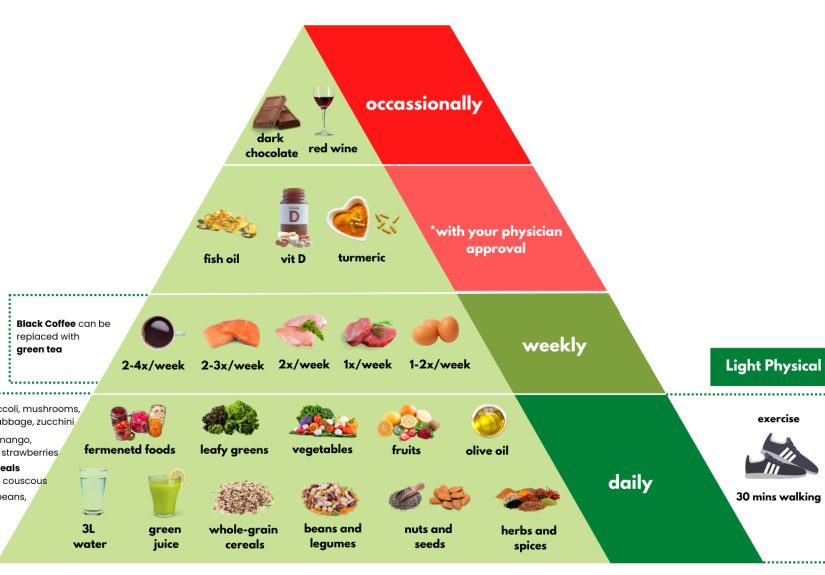
A lifestyle pyramid is a simple visual framework that ranks daily habits by importance and consistency. The base contains essential habits that should be practiced most regularly. The middle includes supportive routines that improve quality of life. The top includes optional tools that may help some people but should not distract from the basics.
For rheumatoid arthritis, the pyramid might look like this:
Base Layer: Medical Partnership and Consistent Self-Care
The foundation is a strong relationship with your rheumatology team, taking medications as prescribed, monitoring symptoms, keeping appointments, and understanding your disease activity. This layer also includes not smoking, maintaining a healthy weight, and being physically active in ways your joints tolerate.
Second Layer: Movement, Strength, and Flexibility
Regular physical activity helps keep muscles strong, joints supported, stiffness lower, and energy more stable. For many people with RA, movement is not the enemy. The real villain is inactivity dressed up as “resting forever.” Rest matters during flares, but long-term immobility can worsen weakness, stiffness, mood, and function.
Third Layer: Anti-Inflammatory Eating Patterns
A rheumatoid arthritis diet does not need to be dramatic. No one needs to announce a breakup with bread on social media. The goal is to emphasize whole foods, vegetables, fruits, beans, nuts, fish, whole grains, olive oil, and other foods commonly found in a Mediterranean-style diet, while limiting highly processed foods, excess sugar, and saturated fat.
Fourth Layer: Sleep, Stress, Mental Health, and Energy Pacing
RA fatigue is not ordinary tiredness. It can feel like your battery was replaced with a potato. Sleep hygiene, rest periods, relaxation, pacing, and emotional support are essential parts of the pyramid because pain, stress, and poor sleep can feed each other in a very annoying circle.
Top Layer: Supplements, Special Diets, Gadgets, and Experiments
The top of the pyramid includes optional tools: ergonomic devices, apps, meal tracking, heat and cold therapy, compression gloves, yoga classes, tai chi, or specific nutrition experiments. These can be useful, but they should never replace proven medical treatment or the foundation habits below them.
Why the Pyramid Works Better Than Random Lifestyle Advice
People with rheumatoid arthritis often receive scattered advice: “Eat turmeric,” “Try swimming,” “Sleep more,” “Stop stressing,” “Avoid nightshades,” “Buy this miracle cream,” and suddenly your health plan looks like a junk drawer. A lifestyle pyramid organizes the noise.
The pyramid works because it helps you ask better questions. Instead of “What is the one magic thing I should do?” you ask, “Which layer needs support right now?” If your sleep is terrible, your meals are skipped, and your hands hurt because your kitchen tools require the grip strength of a medieval blacksmith, the answer may not be a fancy supplement. It may be better pacing, adaptive tools, a medication review, and a realistic movement plan.
The Foundation: Medical Care Still Comes First
Rheumatoid arthritis is not just “achy joints.” It is an immune-driven inflammatory condition that can damage joints and affect other body systems. That is why medical treatment matters. A lifestyle pyramid should always begin with professional care, including diagnosis, disease monitoring, and medication management.
Disease-modifying medications help control inflammation and slow progression. Lifestyle habits support that treatment by improving strength, resilience, cardiovascular health, weight management, and daily function. This is teamwork: medication tackles disease activity, while lifestyle helps the body handle life with fewer unnecessary obstacles.
Practical examples include keeping a symptom journal before appointments, noting morning stiffness duration, tracking fatigue, asking about medication side effects, and telling your doctor when daily tasks become harder. The goal is not to be a “perfect patient.” The goal is to bring useful information to the visit so your care team can make better decisions.
Movement: The Layer That Many People Fear but Often Need
It is understandable that people with RA fear exercise. When joints hurt, movement can sound like a terrible invitation. “Come do squats,” says the fitness video, while your knees whisper, “Absolutely not.” But appropriate exercise is one of the most valuable lifestyle tools for rheumatoid arthritis.
Regular movement can improve strength, flexibility, balance, mood, sleep, and stamina. Stronger muscles help support joints. Gentle flexibility work can reduce stiffness. Aerobic activity supports the heart and lungs, which is especially important because rheumatoid arthritis is associated with higher cardiovascular risk.
Best Types of Exercise for Rheumatoid Arthritis
Low-impact exercise is often a good starting point. Walking, swimming, water aerobics, cycling, elliptical training, gentle yoga, tai chi, resistance bands, and light strength training can all be considered depending on symptoms, fitness level, and medical advice.
A balanced weekly plan may include three categories: aerobic exercise for heart health, strengthening exercises for joint support, and range-of-motion exercises for flexibility. During flares, the plan may shift toward gentler mobility and rest. During calmer periods, the plan can gradually build endurance and strength.
A Simple Movement Example
Someone with morning stiffness might start with five minutes of warm hand openings, shoulder rolls, ankle circles, and gentle marching in place. Later in the day, they might walk for ten minutes after lunch and do light resistance band rows twice a week. This may not look dramatic on Instagram, but joints do not need drama. They need consistency.
Food: Build an Anti-Inflammatory Plate, Not a Food Prison
There is no single rheumatoid arthritis diet that cures RA. However, eating patterns can influence inflammation, weight, energy, heart health, and gut health. A lifestyle pyramid encourages an anti-inflammatory pattern without turning meals into a courtroom drama where every snack must testify.
A Mediterranean-style eating pattern is one of the most commonly recommended approaches for people interested in anti-inflammatory nutrition. It emphasizes vegetables, fruits, beans, lentils, whole grains, nuts, seeds, fish, olive oil, herbs, and moderate portions of lean protein. It limits highly processed foods, sugary drinks, processed meats, and excessive saturated fat.
What to Put on the Plate
A joint-friendly plate might include salmon or sardines for omega-3 fats, leafy greens for antioxidants, beans for fiber, berries for colorful plant compounds, extra virgin olive oil for healthy fats, and whole grains for steady energy. Add herbs and spices like garlic, ginger, turmeric, parsley, basil, or rosemary for flavor. The food should taste good. If your “healthy meal” makes you sad, it is not a long-term strategy; it is a punishment with lettuce.
What to Limit
Highly processed snacks, sugary drinks, deep-fried foods, and large amounts of processed meat may worsen inflammation for some people and can make weight, blood sugar, and cholesterol harder to manage. This does not mean one cookie ruins everything. It means your usual pattern matters more than your occasional dessert.
Weight, Smoking, and Cardiovascular Health
Rheumatoid arthritis management is also about protecting the whole body. RA is linked with increased risk of heart disease, and chronic inflammation can affect more than joints. That makes cardiovascular health a major layer of the lifestyle pyramid.
Maintaining a healthy weight may reduce stress on weight-bearing joints and support mobility. For people who smoke, quitting is one of the most powerful lifestyle changes. Smoking is associated with increased RA risk and can make arthritis worse. It can also make physical activity harder, which then affects the movement layer of the pyramid.
Heart-friendly habits overlap beautifully with RA-friendly habits: regular movement, nutritious food, adequate sleep, not smoking, blood pressure control, cholesterol awareness, and routine medical care. Conveniently, the body likes it when your habits work together instead of arguing in the group chat.
Sleep and Fatigue: The Quiet Power Layer
Sleep deserves a major place in the rheumatoid arthritis lifestyle pyramid because poor sleep can intensify pain, worsen fatigue, lower mood, and reduce motivation to move. RA fatigue can be frustrating because it may not improve with one normal night of sleep. Still, sleep routines can help create a more stable baseline.
Helpful sleep habits include keeping a consistent bedtime, limiting late caffeine, reducing screen stimulation before bed, using pillows for joint support, and creating a cool, dark, comfortable sleep environment. If pain wakes you often, discuss it with your clinician. If snoring, breathing pauses, or restless legs are present, ask about sleep disorders. Sometimes the problem is not “discipline.” Sometimes it is biology asking for professional help.
Stress Management: Not “Calm Down,” but “Build a System”
People with rheumatoid arthritis do not need another person telling them to “just relax.” That phrase has probably never relaxed anyone in the history of human shoulders. A better goal is to build a stress management system.
Stress management may include breathing exercises, meditation, gentle yoga, tai chi, counseling, support groups, journaling, time outdoors, creative hobbies, prayer, music, or simply scheduling rest before exhaustion hits. The right method is the one you can actually repeat.
Stress can make pain feel harder to handle, and RA flares can create more stress. A pyramid approach breaks the cycle by making emotional care part of the plan, not an afterthought. Mental health support is especially important when RA affects work, family roles, independence, or body image.
Joint Protection and Daily Ergonomics
Joint protection is where small tools can create big relief. The goal is to reduce unnecessary strain while preserving independence. Adaptive devices are not “giving up.” They are engineering. Nobody accuses a dishwasher of lacking character because it does not scrub plates by hand.
Examples include jar openers, electric can openers, lightweight cookware, ergonomic pens, zipper pulls, button hooks, cushioned handles, voice-to-text tools, supportive shoes, and backpacks instead of one-sided bags. In the kitchen, pre-chopped vegetables or frozen produce can make healthy eating easier on painful hands. At work, wrist supports, adjustable chairs, speech software, and scheduled stretch breaks can protect joints from repetitive strain.
How to Use the Rheumatoid Arthritis Lifestyle Pyramid in Real Life
The pyramid is most useful when it becomes a weekly decision tool. You do not need to rebuild your entire life by Monday morning. Start with one layer.
Step 1: Check the Base
Are you taking medication as prescribed? Do you have a follow-up appointment scheduled? Are symptoms changing? Are you smoking or struggling with weight, pain, or fatigue? The foundation comes first because everything else rests on it.
Step 2: Choose One Movement Goal
Pick something realistic. For example: “I will walk for ten minutes after breakfast three days this week,” or “I will do hand range-of-motion exercises while the coffee brews.” Tiny habits count. Joints are not impressed by motivational speeches; they respond to repeated support.
Step 3: Upgrade One Meal Pattern
Add before subtracting. Add berries to breakfast, beans to soup, greens to dinner, or olive oil and herbs to vegetables. When healthy food tastes good, consistency becomes much easier.
Step 4: Protect One Energy Block
Choose a daily rest period before exhaustion. Pacing is not laziness. It is energy budgeting. Nobody spends their entire paycheck by noon and calls it financial courage.
Step 5: Review and Adjust
At the end of the week, ask: What helped? What hurt? What was unrealistic? What should be repeated? A lifestyle pyramid is not a rigid law. It is a flexible map.
Common Mistakes to Avoid
Mistake 1: Chasing Cures
Be cautious with any product, diet, or influencer claiming to cure rheumatoid arthritis. RA is complex, and miracle claims often oversimplify the disease. Supportive lifestyle habits are powerful, but they are not magic wands.
Mistake 2: Going Too Hard on Good Days
When symptoms improve, it is tempting to clean the whole house, run errands, cook six meals, reorganize the garage, and personally challenge the laws of physics. Then comes the crash. Pacing helps preserve progress.
Mistake 3: Resting Too Much During Stable Periods
Rest is essential during flares, but long-term inactivity can weaken muscles and increase stiffness. The pyramid helps balance rest and movement rather than choosing one forever.
Mistake 4: Ignoring Mental Health
RA affects daily life, relationships, work, and identity. Anxiety, frustration, grief, and depression are not personal failures. They are human responses to a demanding condition. Support matters.
Experience-Based Reflections: Living With a Lifestyle Pyramid for Rheumatoid Arthritis
Imagine a person named Karen, a 46-year-old office manager with rheumatoid arthritis in her hands, wrists, and feet. Before using a lifestyle pyramid, Karen tried to manage RA by reacting to whatever hurt the most that day. If her hands were stiff, she searched hand exercises. If she felt tired, she bought vitamins. If her knees hurt, she stopped walking for two weeks. Her approach was understandable, but scattered. She was doing many things, yet none of them formed a system.
When Karen adopted a lifestyle pyramid, she started with the foundation. She scheduled a rheumatology follow-up, brought a simple symptom log, and admitted she was skipping medication when she felt better. Her doctor helped her understand why consistency mattered. That one conversation reduced confusion and gave her a clearer plan.
Next, she worked on movement. Instead of promising herself a heroic 45-minute workout, she began with eight minutes of walking after lunch. On flare days, she switched to gentle stretching and hand mobility exercises. The point was not perfection; it was staying connected to movement without bullying her joints.
Food came next. Karen did not throw away everything in her pantry or begin a dramatic “new life” involving twelve kinds of seeds she could not pronounce. She made three changes: oatmeal with berries for breakfast, salmon or beans twice a week, and a large container of washed greens ready for quick meals. She still ate pizza sometimes. The difference was that pizza became part of life, not the entire food group.
Her biggest surprise was the sleep and pacing layer. Karen used to save all chores for Saturday, then wonder why Sunday felt like being hit by a polite truck. She began spreading tasks across the week: laundry on Tuesday, grocery pickup on Thursday, light cleaning on Saturday morning. She also added a 20-minute rest after work before cooking dinner. That rest period felt awkward at first, but soon it became the difference between “I can handle the evening” and “Why is the spatula so heavy?”
Joint protection changed her attitude toward tools. She bought a jar opener, switched to lighter pans, used a rolling laundry cart, and added foam grips to pens. At first, she worried these tools made her look older. Then she realized they made her less exhausted. Independence is not measured by how much pain you tolerate. It is measured by how well you can keep doing what matters.
After several months, Karen still had RA. The pyramid did not erase the diagnosis, and it did not prevent every flare. But it changed the pattern of her life. She had fewer “all-or-nothing” weeks. She understood which habits supported her baseline. She could explain symptoms more clearly to her doctor. She felt less guilty about rest and less afraid of movement.
That is the real value of a lifestyle pyramid for rheumatoid arthritis. It turns a confusing list of health advice into a practical structure. It says: start with the base, build one layer at a time, keep what works, adjust what does not, and do not let perfect become the enemy of better. RA may still be the uninvited roommate, but with the right pyramid, it no longer gets to run the whole house.
Conclusion
Adopting a lifestyle pyramid for rheumatoid arthritis helps organize daily choices into a clear, realistic, and medically sensible system. The foundation is professional care and consistent treatment. Above that come movement, anti-inflammatory eating, sleep, stress management, joint protection, pacing, and optional supportive tools. This structure helps people focus on what matters most instead of chasing every trend that appears online wearing a lab coat and holding a smoothie.
Rheumatoid arthritis requires medical attention, but daily habits can strongly influence comfort, function, energy, and confidence. A lifestyle pyramid makes those habits easier to prioritize. It is not about perfection. It is about building a life that supports your joints, protects your energy, and gives you more control over the everyday decisions that shape living with RA.