Table of Contents >> Show >> Hide
- What Is the Penguin Lounge Chair?
- The Designer: Ib Kofod-Larsen and the Danish Modern Spirit
- Why Is It Called the Penguin Chair?
- Design Features That Make the Penguin Lounge Chair Special
- How the Penguin Lounge Chair Fits Modern Interiors
- Comfort: Is the Penguin Lounge Chair Actually Nice to Sit In?
- Original Design vs. Modern Reissue
- How to Style the Penguin Lounge Chair
- Who Should Consider Buying the Penguin Lounge Chair?
- Care and Maintenance Tips
- Why the Penguin Lounge Chair Still Matters
- Real-Life Experiences With the Penguin Lounge Chair
- Conclusion
- SEO Tags
Note: This article is written for web publication in standard American English and synthesizes real design, product, and furniture-history information without inserting source links, as requested.
The Penguin Lounge Chair is one of those rare furniture pieces that looks simple at first glance, then quietly starts showing off. A curved wooden back. A low, angled seat. A slim steel frame. A silhouette that seems to wink at Danish Modernism while sitting comfortably in a 21st-century living room. It is elegant without acting precious, playful without becoming a novelty item, and comfortable enough to make “I’ll sit for just five minutes” one of the least believable sentences in the house.
Designed in 1953 by Danish architect and furniture designer Ib Kofod-Larsen, the Penguin Chair family became closely associated with the postwar Danish design boom. The lounge version, now produced by Audo Copenhagen, carries the same essential DNA: organic curves, visual lightness, clever ergonomics, and a profile inspired by the soft, wing-like form of a penguin. It is a chair with personality, but not the kind that interrupts the room. Think of it as the stylish guest who dresses beautifully, tells one excellent joke, and never overstays.
What Is the Penguin Lounge Chair?
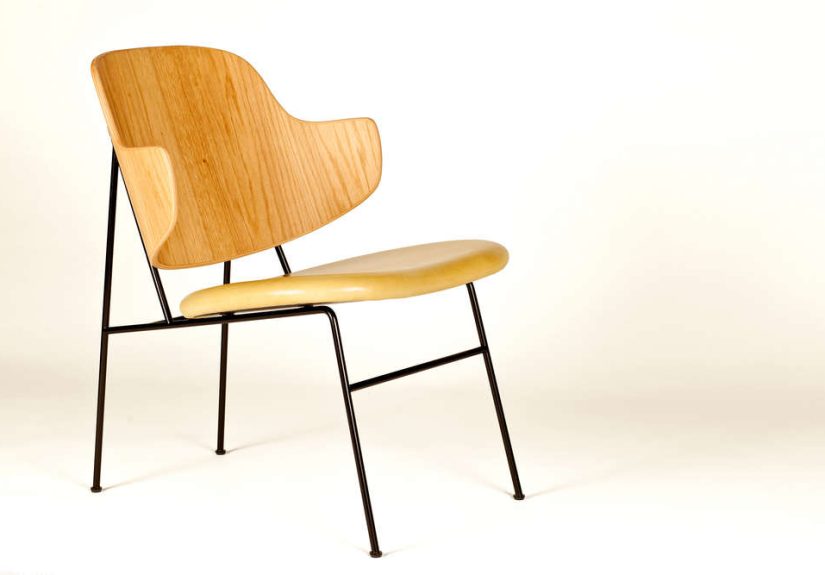
The Penguin Lounge Chair is a mid-century modern lounge chair recognized for its curved plywood backrest, slightly reclined posture, low-slung comfort, and slender metal base. It belongs to a broader Penguin Chair collection that includes dining, lounge, rocking, upholstered, and fully upholstered versions. The lounge model is especially popular because it balances sculptural beauty with everyday usability.
Unlike oversized recliners that dominate a room like furniture with a gym membership, the Penguin Lounge Chair has compact proportions. Its typical measurements are approximately 22 inches wide, 25 inches deep, and 29 inches high, with a seat height around 16.5 inches. That makes it suitable for living rooms, reading corners, bedrooms, offices, and smaller apartments where every square foot must earn its rent.
The chair is commonly offered with a natural oak or walnut veneer back, a powder-coated steel frame, and upholstery options ranging from fabric to leather. Some versions keep the wood back visible, while fully upholstered models create a softer, more cocoon-like look. Either way, the design remains recognizable: a gently oversized back that seems to wrap around the sitter like a pair of minimalist flippers.
The Designer: Ib Kofod-Larsen and the Danish Modern Spirit
Ib Kofod-Larsen was born in Denmark in 1921 and became one of the notable names of Danish Modern furniture during the 1950s and 1960s. Trained as both a cabinetmaker and architect, he approached furniture with a rare combination of technical discipline and sculptural intuition. His work often featured organic lines, honest materials, slender frames, and a strong interest in how people actually sit, rest, read, talk, and live.
Kofod-Larsen’s designs are sometimes quieter than those of more widely publicized mid-century icons, but that is part of their charm. He did not chase drama for drama’s sake. Instead, he specialized in proportion, restraint, and subtle comfort. The Penguin Chair, the Seal Chair, the Elizabeth Chair, and the Knitting Chair all show his talent for creating furniture that feels human, not mechanical.
The Penguin Chair was introduced in the United States in the 1950s and gained strong recognition during a period when American homeowners were falling in love with Scandinavian design. Its clean profile and practical comfort made it a natural fit for the modern interior: lighter than traditional upholstered club chairs, warmer than purely industrial seating, and more relaxed than formal parlor furniture.
Why Is It Called the Penguin Chair?
The name comes from the chair’s distinctive backrest. The sides extend outward in a way that resembles a penguin’s flippers, giving the design a charming visual identity without turning it into a literal animal chair. There are no cartoon beaks, no novelty feet, and thankfully no commitment to black-and-white upholstery unless that happens to be your thing.
The best product names are often the ones that help people remember the form. “Penguin” works because it captures both the shape and the mood. The chair feels calm, rounded, and slightly playful. It has a sense of balance, almost as if it could waddle into a room, choose the best corner, and immediately become everyone’s favorite seat.
Design Features That Make the Penguin Lounge Chair Special
1. A Curved Plywood Back That Embraces the Body
The curved plywood back is the star of the design. It is wide enough to feel supportive but thin enough to remain visually light. In oak or walnut veneer, the back brings warmth and texture to the chair, making it easy to pair with wood floors, neutral rugs, stone fireplaces, or contemporary side tables.
The shape also has a functional purpose. The wing-like backrest supports the sitter’s upper body and creates a subtle feeling of enclosure. It does not swallow you like a giant armchair, but it does provide a gentle sense of being held in place. That is one reason the Penguin Lounge Chair works well for reading, slow coffee, evening conversations, or the sacred weekend ritual known as “pretending to read while actually napping.”
2. A Low, Angled Seat Built for Relaxation
The lounge version of the Penguin Chair has a lower, more reclined posture than the dining version. This gives it a relaxed personality. It is not a task chair, a dining chair, or a “sit up straight and discuss quarterly reports” chair. It is a lounge chair in the truest sense: designed for comfort, conversation, and lingering.
The angled seat helps distribute weight comfortably and encourages a natural recline. The experience is supportive rather than squishy. This is important because many mid-century modern lounge chairs look beautiful but can feel like sitting on a polite wooden suggestion. The Penguin Lounge Chair aims for something better: sculptural clarity with real comfort.
3. A Slim Steel Frame With Visual Lightness
The steel frame gives the chair stability while keeping the structure visually minimal. The thin black legs contrast nicely with the organic wood shell, creating a balance between softness and precision. This contrast is one of the reasons the chair feels so modern even though the design dates back to 1953.
In a room, the chair does not appear bulky. It lets light pass around and beneath it, which helps small spaces feel less crowded. If your living room is already negotiating with a sofa, a coffee table, a plant collection, and one mysterious basket full of cables, the Penguin Lounge Chair’s open base is a gift.
4. Material Options for Different Interior Styles
The Penguin Lounge Chair can look crisp, cozy, bold, or understated depending on the chosen finish. A natural oak back feels airy, Scandinavian, and casual. Walnut introduces richness and a slightly more formal mood. Fabric upholstery can make the chair softer and more approachable, while leather adds polish and durability.
Fully upholstered versions lean more luxurious and tactile, especially in textured wool blends or refined leather. Meanwhile, versions with exposed veneer highlight the original architectural character of the piece. Both interpretations are valid; the right choice depends on whether you want the chair to whisper “warm minimalism” or murmur “design collector with excellent coffee.”
How the Penguin Lounge Chair Fits Modern Interiors
One reason the Penguin Lounge Chair remains relevant is its flexibility. It can sit comfortably in a mid-century modern room, but it does not need a time machine to make sense. Its clean lines allow it to work in contemporary, Japandi, Scandinavian, transitional, and even eclectic spaces.
In a minimalist living room, it adds warmth and shape without clutter. In a traditional home, it creates a fresh contrast against heavier antiques or classic molding. In a small apartment, it offers lounge comfort without the bulk of a recliner. In a home office, it becomes the perfect “thinking chair,” which sounds more productive than “chair where I stare out the window and wait for ideas to land.”
Best Rooms for the Penguin Lounge Chair
The living room is the obvious choice, especially when the chair is paired with a compact side table and reading lamp. It also works beautifully in a bedroom corner, where it can serve as a refined alternative to the chair that usually collects laundry. In an entry area, the Penguin Lounge Chair can create a stylish seating moment, though its lounge posture is better suited to relaxing than quickly tying shoes.
Designers often use chairs like this to soften architectural interiors. A room with straight walls, square windows, and rectangular tables benefits from the Penguin’s curves. The backrest introduces movement, and the slim base keeps the whole arrangement from feeling heavy.
Comfort: Is the Penguin Lounge Chair Actually Nice to Sit In?
Yes, the Penguin Lounge Chair is designed to be genuinely comfortable, especially for a compact lounge chair. Its comfort comes from proportion rather than overstuffing. The angled seat, curved back, and supportive upholstery work together to create a relaxed sitting position.
That said, comfort is personal. People who love deep, cloud-like seating may find the Penguin more structured. People who prefer supportive lounge chairs with good posture will likely appreciate it. The chair is ideal for reading, casual conversation, and short-to-medium lounging sessions. It is not intended to replace a sectional sofa, a recliner, or a bed, although your cat may strongly disagree and claim it as all three.
Original Design vs. Modern Reissue
Modern reissues of classic furniture occupy an interesting space. They must respect the original design while adapting to contemporary manufacturing, safety expectations, upholstery preferences, and consumer lifestyles. The Penguin Lounge Chair by Audo Copenhagen keeps the key elements of Kofod-Larsen’s 1953 design intact: the wing-like back, angled seat, slender frame, and organic silhouette.
The current versions expand the chair’s usability through updated upholstery options and refined finishes. The fully upholstered models, for example, give the chair a more plush and interior-friendly presence while preserving the recognizable Penguin form. This makes the chair appealing not only to collectors of Danish Modern design but also to homeowners who simply want a beautiful, comfortable lounge chair with a good backstory.
How to Style the Penguin Lounge Chair
Pair It With a Small Side Table
Because the Penguin Lounge Chair has compact proportions, it pairs best with a side table that does not overpower it. A round wood, stone, or metal table works well. Keep the table low enough to feel natural from a seated position. Add a small stack of books, a ceramic cup, or a lamp, and suddenly you have a reading corner that looks intentional instead of improvised during a furniture sale panic.
Use Texture to Create Warmth
If you choose a wood-back version, balance its clean form with tactile accessories. A wool rug, linen curtains, bouclé pillow, or woven throw can make the setting feel warmer. The chair already has strong lines, so the surrounding textures can soften the look without hiding the design.
Let the Chair Breathe
The Penguin Lounge Chair is sculptural enough to deserve space around it. Avoid crowding it between bulky furniture pieces. It looks best when the back and side profile are visible. If possible, angle it slightly rather than pushing it flat against a wall. This allows the curved backrest and slim frame to do their quiet little design performance.
Who Should Consider Buying the Penguin Lounge Chair?
The Penguin Lounge Chair is a strong choice for anyone who appreciates Danish Modern furniture, compact lounge seating, and pieces with both visual charm and historical significance. It is especially suitable for design-conscious homeowners who want a chair that feels distinctive without being loud.
It may not be the best fit for someone seeking an oversized recliner, a heavily padded TV chair, or a budget accent chair. The Penguin is a premium design piece, and its value lies in craftsmanship, heritage, materials, and longevity. It is the kind of chair you buy because you want to live with it for years, not because you need something to fill a corner until the next trend arrives wearing a new shade of beige.
Care and Maintenance Tips
For wood veneer versions, regular dusting with a soft cloth helps maintain the finish. Avoid harsh cleaners, excess moisture, and direct heat. If the chair sits near a sunny window, consider rotating it occasionally or using window treatments to reduce uneven fading.
For fabric upholstery, vacuum gently with an upholstery attachment and address spills quickly according to the manufacturer’s care instructions. Leather versions may need periodic conditioning, depending on the leather type. The powder-coated steel frame can typically be wiped clean with a dry or slightly damp cloth.
As with most quality furniture, prevention is easier than rescue. Keep sharp objects, pet claws, and mysterious snack-based accidents at a respectful distance. A Penguin Lounge Chair can handle real life, but it should not have to survive nacho cheese as a lifestyle.
Why the Penguin Lounge Chair Still Matters
The enduring appeal of the Penguin Lounge Chair comes from its rare balance of personality, comfort, and restraint. It is not merely a nostalgic mid-century object. It feels current because the principles behind it still matter: human-centered design, honest materials, compact living, visual lightness, and furniture that improves a room without shouting over it.
In an era of disposable decor and algorithm-driven trends, the Penguin Lounge Chair offers a different kind of value. It invites slower appreciation. The curve of the back, the angle of the seat, the slim steel legs, the tactile upholsteryeach detail is modest on its own, but together they create a chair with lasting character.
Real-Life Experiences With the Penguin Lounge Chair
Living with the Penguin Lounge Chair is less about owning a museum piece and more about discovering how good design quietly changes daily routines. In a living room, it often becomes the seat people notice first and claim second. Guests may not know the name Ib Kofod-Larsen, but they usually understand the chair’s appeal immediately. It looks inviting without looking lazy, polished without looking stiff, and unusual without requiring a design degree to explain.
One of the best experiences is using the chair as a reading spot. Place it near a window with a small table and a warm floor lamp, and it becomes a miniature retreat. The low angle encourages relaxation, while the curved back gives enough support to stay comfortable with a book, magazine, or tablet. It is not the chair for aggressively typing a spreadsheet, but it is excellent for reading one chapter that somehow becomes five.
In smaller apartments, the Penguin Lounge Chair can solve a common design problem: how to add a comfortable accent chair without making the room feel crowded. Many lounge chairs are visually heavy, with thick arms and deep cushions. The Penguin’s open steel frame keeps the floor visible, which makes the space feel lighter. A pair of Penguin chairs across from a sofa can create a conversation area that feels balanced rather than cramped.
The chair also performs well as a design bridge. For example, imagine a room with a contemporary sofa, a vintage wood cabinet, and a simple wool rug. The Penguin Lounge Chair can connect those elements because it contains both modern clarity and vintage warmth. The steel frame speaks to contemporary interiors, while the curved veneer back nods to classic craftsmanship. It does not demand that every other piece in the room become Danish Modern. It simply gets along with others, which is more than can be said for some statement furniture.
Another everyday pleasure is how the chair looks from multiple angles. Some chairs have a “good side” and should never be viewed from behind, like a badly wrapped gift. The Penguin Lounge Chair is different. Its back is one of its most attractive features, which makes it useful in open-plan spaces where furniture is visible from all directions. It can float near a bookshelf, beside a fireplace, or between living and dining zones without looking unfinished.
There are practical considerations, of course. Taller users may want to test the chair when possible, because the compact proportions and low seat may feel different depending on body type. Families with pets or young children should think carefully about upholstery choice. Textured wool can be beautiful, but leather or darker fabrics may be more forgiving in busy homes. Still, the chair’s structure is not fragile in spirit. It was designed for use, not for being admired from behind a velvet rope.
The most memorable experience with the Penguin Lounge Chair may be its ability to make a quiet corner feel complete. Add a plant, a lamp, and a small table, and suddenly the room has a destination. It becomes the place for morning coffee, late-night music, a phone call with an old friend, or simply sitting still for a moment. That is the real success of the chair. It is not just good-looking furniture; it creates better pauses in the day.
Conclusion
The Penguin Lounge Chair remains a standout example of Danish Modern design because it combines beauty, comfort, history, and livability in one graceful package. Designed by Ib Kofod-Larsen in 1953 and reintroduced for contemporary homes, it proves that timeless furniture does not need to be boring. Its wing-like backrest, low angled seat, slim steel frame, and warm material options make it both practical and poetic.
For homeowners, designers, and collectors who want a lounge chair with genuine character, the Penguin Lounge Chair is more than a stylish accent. It is a reminder that great design can be friendly, functional, and a little bit funny-looking in the best possible way. Like its namesake, it has charm, balance, and an unmistakable silhouette. Unlike an actual penguin, however, it fits beautifully in your living room and does not require fish.