Table of Contents >> Show >> Hide
- What Is Tekla Percale Bedding?
- Why Percale Matters: The Feel Behind the Fabric
- Tekla’s Design Language: Calm, Colorful, and Very Intentional
- Who Should Choose Tekla Percale Bedding?
- Tekla Percale vs. Sateen: Which One Is Better?
- How to Style Tekla Percale Bedding
- Care Tips for Tekla Percale Bedding
- Is Tekla Percale Bedding Worth It?
- Potential Downsides to Consider
- How Tekla Percale Bedding Fits Into Modern Bedroom Design
- Buying Advice: What to Look For Before Choosing Tekla Percale Bedding
- Experience Notes: Living With Tekla Percale Bedding
- Conclusion
Some bedding whispers, “Sleep well.” Tekla percale bedding walks into the room wearing a perfectly oversized linen shirt, opens the windows, places a ceramic mug on the bedside table, and says, “Let’s make bedtime look intentional.” That is the charm of Tekla: simple, tactile, slightly artistic, and quietly confident without shouting luxury from the headboard.
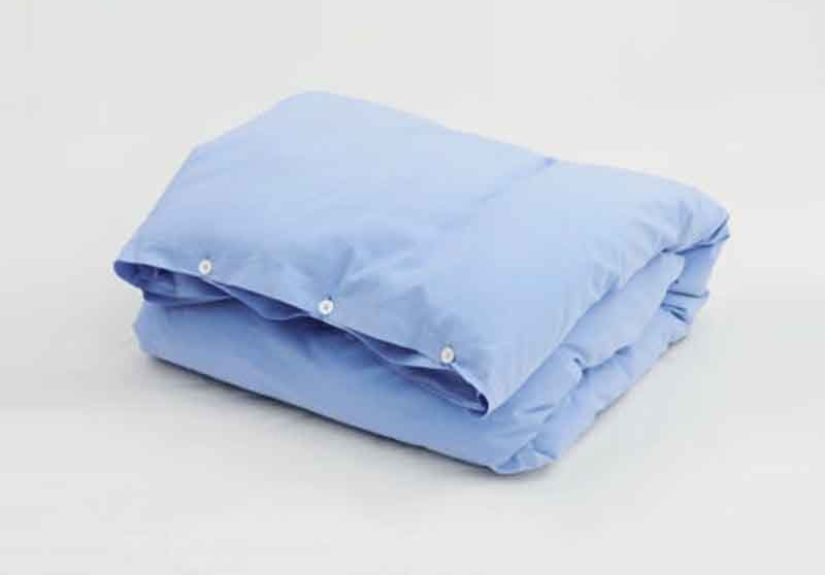
Tekla percale bedding has become a favorite among design-minded sleepers because it combines crisp cotton comfort with Scandinavian restraint. The brand’s percale bedding is made from 100% organic cotton in a lightweight weave, stonewashed for a freshly washed feel, and designed in a palette that makes even an unmade bed look like it has a creative director. Think French Blue, Powder Green, Douglas Checks, subtle stripes, and calm solids that feel more “gallery apartment in Copenhagen” than “random sheet set panic-bought at midnight.”
But good bedding is not just about looking photogenic in morning light. It has to breathe, wash well, feel good against the skin, and survive actual life: night sweats, Sunday naps, pets who believe they own the duvet, and the occasional snack crumb situation. This guide explores what Tekla percale bedding is, how it feels, who it is best for, how to style it, and whether it deserves a spot in your bedroom.
What Is Tekla Percale Bedding?
Tekla percale bedding refers to Tekla’s collection of duvet covers, pillow shams, sheets, and related bed textiles made with a crisp percale weave. Percale is not a fiber by itself; it is a weave. In simple terms, percale uses a classic one-over, one-under construction that creates a cool, matte, and breathable fabric. If sateen is the silky extrovert at the dinner party, percale is the fresh white shirt: clean, structured, relaxed, and never trying too hard.
Tekla’s version leans into that crisp, clean personality. The bedding is made from organic cotton and stonewashed, which gives it a softer, lived-in feel compared with stiff, brand-new percale sheets that can sometimes feel like office paper with ambition. The result is bedding that feels fresh but not rigid, polished but not fussy.
Key Features at a Glance
- Material: 100% organic cotton
- Weave: Lightweight cotton percale
- Finish: Stonewashed for a freshly washed feel
- Production: Made in Portugal
- Certifications: Tekla highlights GOTS-certified quality and organic cotton in its product information
- Design style: Scandinavian minimalism with refined colors, stripes, checks, and solids
- Best for: Hot sleepers, design lovers, minimalists, and anyone who likes crisp bedding with a relaxed finish
Why Percale Matters: The Feel Behind the Fabric
The biggest reason people choose percale bedding is temperature comfort. Percale is typically lightweight, breathable, and cool to the touch. Because the weave is simple and structured, air can move through the fabric more easily than through heavier, denser weaves. That makes cotton percale a smart choice for warm sleepers, humid climates, and anyone who flips the pillow six times a night looking for “the cold side,” also known as nature’s free luxury feature.
Percale also has a matte finish rather than a shiny one. This gives Tekla bedding its understated look. It does not sparkle or gleam; it sits calmly on the bed like it has read a few architecture magazines and knows exactly where the natural light hits best.
Another benefit is durability. Quality cotton percale can hold up well because the weave is tight, balanced, and practical. Tekla adds another layer of appeal by using extra-long yarns in its percale duvet covers, which the brand says helps prevent pilling and maintain color over time. That matters because luxury bedding should not feel like a short-term romance. It should be the kind of relationship where the sheets still look good after many washes, many naps, and many “I’ll fold laundry later” moments.
Tekla’s Design Language: Calm, Colorful, and Very Intentional
Tekla’s bedding is not loud, but it is not boring either. This is where the brand does something especially well. Many minimalist bedding brands stay in the safe zone: white, ivory, beige, gray, maybe a navy if someone in the meeting had coffee. Tekla offers those calm foundations, but it also brings in artful colors and patterns that feel mature rather than trendy.
For example, French Blue has a soft dusty quality that feels restful without becoming dull. Powder Green brings a gentle botanical mood to the room, especially when paired with warm wood furniture or a simple paper lamp. Douglas Checks adds personality without turning the bed into a picnic blanket. Tekla’s stripe options are also a strong part of its identity, giving a bedroom that relaxed, collected-over-time look.
The magic is in the mix. A solid duvet cover with striped pillow shams can look casual and styled at the same time. A checked duvet with plain sheets can feel playful but still grown-up. Tekla bedding invites you to build a bed in layers rather than buying a perfectly matched set that looks like it came sealed in plastic with the phrase “coordinated elegance” printed on the package.
Who Should Choose Tekla Percale Bedding?
Hot Sleepers
If you sleep warm, percale should be on your radar. Tekla percale bedding offers the crisp, breathable feel associated with the weave, making it a strong option for people who dislike heavy, clingy sheets. It will not turn your bedroom into a walk-in freezer, but it can help create a cooler, fresher sleep surface than many heavier fabrics.
Minimalists With Taste
Tekla is ideal for people who love simplicity but still want texture, color, and personality. The bedding does not rely on ornate embroidery or flashy prints. Instead, it uses careful color selection, clean construction, and a relaxed finish to create visual interest.
Design-Conscious Apartment Dwellers
If your bed is also your sofa, reading lounge, snack zone, laptop desk, and emotional support platform, the bedding needs to work hard visually. Tekla’s colors and patterns make the bed feel intentionally styled, even in a small apartment where the bed is visible from nearly every angle.
People Who Like a Fresh, Hotel-Like Feel
Percale is often compared to hotel sheets because of its crisp hand and cool touch. Tekla softens that hotel feeling with stonewashing, so the result is less “formal guest suite” and more “effortless boutique stay.” It feels fresh, but it does not feel precious.
Tekla Percale vs. Sateen: Which One Is Better?
The better choice depends on how you sleep and what kind of texture you like. Percale has a crisp, matte, breathable feel. Sateen is generally smoother, silkier, and slightly warmer, with a subtle sheen. If you want sheets that feel cool and structured, choose percale. If you want something drapier, softer, and more buttery from the first touch, sateen may be more your style.
Tekla percale bedding is especially appealing for people who do not want bedding that feels slippery or overly polished. It has grip, texture, and freshness. You notice the fabric in a pleasant way, like the feeling of putting on a clean cotton shirt after a shower. That sensation is exactly why percale loyalists become, frankly, a little intense. They are not just buying sheets. They are joining the crisp-bed society.
How to Style Tekla Percale Bedding
1. Mix Solids and Patterns
One of the easiest ways to style Tekla bedding is to avoid making everything match. Pair a solid French Blue duvet cover with striped pillow shams. Use a Powder Green sheet with a white or cream duvet. Add a checked pillowcase to a solid bed for just enough visual rhythm. The result feels curated rather than over-decorated.
2. Keep the Rest of the Room Simple
Tekla bedding looks best when it has breathing room. Natural wood, white walls, vintage lamps, chrome accents, linen curtains, and simple rugs all work beautifully. You do not need a dramatic bedroom makeover. In fact, Tekla’s quiet color palette often looks best when paired with everyday materials: oak, steel, ceramic, cotton, paper, and glass.
3. Layer Texture, Not Clutter
A percale duvet cover, crisp pillow shams, and a folded throw at the end of the bed can be enough. The goal is not to build a mountain range of decorative pillows. Unless you enjoy removing nine cushions before sleep every night, keep it practical. Two sleeping pillows, two shams, and one throw can look finished without becoming a nightly obstacle course.
4. Use Color Like a Mood Setter
Cool blue shades create a clean and calming bedroom. Greens feel natural and grounded. Checks add charm. Stripes bring movement. White and off-white keep the room classic. Tekla’s strength is that its colors are interesting but livable, which means you can change the mood of your room without making it feel like a full redesign project.
Care Tips for Tekla Percale Bedding
Good bedding becomes better when cared for correctly. Cotton percale is generally machine washable, but always follow the care label on the specific Tekla product you own. A gentle or normal wash cycle, mild detergent, and avoiding excessive heat are smart habits for preserving color, texture, and fabric strength.
One of the realities of percale is wrinkling. It is part of the fabric’s personality. Percale wrinkles more easily than sateen because it does not have the same smooth, glossy drape. But with Tekla, the stonewashed finish makes wrinkles look relaxed rather than messy. Think “casual European apartment,” not “forgotten laundry basket.”
If you want a cleaner look, remove bedding from the dryer while slightly damp and smooth it onto the bed. If you prefer the lived-in look, embrace the wrinkles. Your bed does not need to look like a showroom to be beautiful. Sometimes the best bedding looks like someone actually sleeps there, which is convenient because that is literally the point.
Is Tekla Percale Bedding Worth It?
Tekla percale bedding sits in the premium category. It is not the cheapest option, and it is not trying to be. The value comes from the combination of organic cotton, considered production, strong design identity, and tactile quality. For shoppers who only want basic sheets at the lowest possible price, Tekla may feel excessive. But for people who care about the look and feel of daily objects, it can be a satisfying investment.
The bedding is especially worth considering if you want your bedroom to feel calmer, cooler, and more intentional. Unlike trend-heavy bedding that looks dated after one season, Tekla’s colors and patterns have staying power. A blue striped pillow sham or a green percale duvet can work through changing furniture, apartments, and personal style phases. Even if your nightstand evolves from “stack of books and three chargers” to “tasteful lamp and one candle,” the bedding still fits.
Potential Downsides to Consider
No bedding is perfect, not even bedding that looks like it belongs in a very stylish person’s weekend house. Tekla percale bedding may not be ideal for everyone.
It May Feel Too Crisp for Some Sleepers
If you prefer ultra-soft, silky, or fuzzy bedding, percale may feel too structured. Tekla’s stonewashed finish helps soften the fabric, but the core personality is still crisp cotton. This is not brushed flannel, jersey knit, or slippery sateen.
It Will Wrinkle
Percale wrinkles. Cotton wrinkles. Life wrinkles. Tekla’s relaxed styling makes this less of a problem, but if you want a perfectly smooth bed with no creases, you may need to steam, iron, or choose a different weave.
The Price Is Premium
Tekla is a design-led bedding brand, and the pricing reflects that. You are paying for materials, production, color development, branding, and overall experience. If budget is the top priority, there are more affordable percale options available.
How Tekla Percale Bedding Fits Into Modern Bedroom Design
Modern bedroom design has moved away from stiff, overly coordinated bedding. Today, the most appealing beds often look layered, personal, and easy to live with. Tekla fits this shift perfectly. Its bedding does not require a formal bed skirt, ten-piece comforter set, or dramatic tufted headboard. It works with platform beds, vintage frames, floor mattresses, minimalist apartments, and rooms that combine old and new pieces.
The brand also suits the growing interest in fewer, better things. Instead of owning five mediocre sheet sets, many shoppers are choosing one or two high-quality sets that feel good every night and look good every morning. Tekla percale bedding supports that mindset. It is practical enough for regular use but refined enough to make the bedroom feel special.
Buying Advice: What to Look For Before Choosing Tekla Percale Bedding
Before buying, decide which pieces matter most. A duvet cover makes the biggest visual impact, while pillow shams are an easier way to add color or pattern. If you are building slowly, start with a duvet cover in a versatile shade, then add pillowcases or sheets in complementary tones later.
Also consider your climate. In warm areas, percale is a strong year-round choice. In colder seasons, you can layer it with a quilt, wool blanket, or heavier duvet insert. The beauty of percale is that it works as a breathable base layer. It does not trap you in heat, but it can still feel cozy when layered properly.
Finally, think about your tolerance for texture. If you love crisp shirts, fresh hotel beds, and cotton that feels clean rather than silky, Tekla percale bedding is likely a good match. If you want slippery softness from day one, look at sateen or brushed cotton instead.
Experience Notes: Living With Tekla Percale Bedding
The first thing you notice about Tekla percale bedding is not just how it feels, but how it changes the mood of the room. A bed dressed in Tekla looks calm without looking staged. It has that rare quality of seeming both designed and effortless, like someone stylish made the bed in three minutes and somehow it still looks better than your carefully arranged guest room. The colors do a lot of the work. A soft blue duvet can make a small bedroom feel airier. A checked pattern can add personality without overwhelming the space. A green pillow sham can make plain white sheets look intentional instead of unfinished.
In daily use, the crispness is the main event. Sliding into cotton percale after a long day feels refreshing, especially if you dislike bedding that clings or traps heat. The fabric has a dry, clean hand rather than a slick one. It does not slide around like sateen, and it does not feel heavy like flannel. That makes it especially pleasant during warmer months, after evening showers, or in apartments where temperature control is less “smart home” and more “open a window and hope for mercy.”
The stonewashed finish gives Tekla an advantage over very stiff percale. Some new percale sheets require several washes before they feel comfortable. Tekla’s bedding feels more relaxed from the beginning, though it still keeps that structured cotton character. After washing, the fabric develops a casual rumple that looks good rather than careless. This is important because most people do not want to iron a duvet cover. If you do, congratulations on your discipline and possibly your extra closet space. For everyone else, the natural wrinkles fit the Tekla look.
Another noticeable experience is how easy it is to style. With some bedding, the bed only looks good when everything is perfectly aligned. Tekla is more forgiving. A folded-back duvet, slightly mismatched pillows, and a textured throw can look charming. The bedding rewards imperfection, which is excellent news for real humans. It also photographs well, but not in a sterile way. The matte surface catches light softly, making the room feel warmer and more lived-in.
There are a few practical observations worth mentioning. Percale can sound slightly crisp when you move, especially compared with sateen or jersey. Some people love that fresh cotton rustle; others may prefer quieter, softer bedding. The fabric also wrinkles after washing, so buyers expecting a hotel-perfect surface may need to adjust expectations. But for many users, those wrinkles are part of the appeal. They make the bed look relaxed, tactile, and natural.
Tekla percale bedding is best experienced as an everyday luxury rather than a decorative item saved for guests. It is made to be used, washed, layered, and lived with. The more convincing way to judge it is not by how it looks in a product photo, but by how it feels on a normal Tuesday night when you are tired, the room is finally quiet, and your bed looks inviting without trying too hard. That is where Tekla makes the strongest case for itself.
Conclusion
Tekla percale bedding brings together crisp comfort, organic cotton, thoughtful color, and understated Scandinavian design. It is breathable enough for warm sleepers, stylish enough for design lovers, and relaxed enough for real homes where beds are not always perfectly made. The percale weave gives it a fresh, matte, hotel-like quality, while the stonewashed finish keeps it from feeling stiff or overly formal.
It is not the cheapest bedding on the market, and it may not satisfy sleepers who want silky softness or wrinkle-free perfection. But if your ideal bed feels cool, clean, tactile, and quietly beautiful, Tekla percale bedding is easy to love. It turns the everyday act of going to sleep into something a little more considered. And honestly, if you can make bedtime feel like a design decision and a comfort upgrade at the same time, that is a pretty good use of cotton.