Table of Contents >> Show >> Hide
- What Is a Sprained Thumb?
- Common Causes of a Sprained Thumb
- Sprained Thumb Symptoms to Watch For
- Grades of a Thumb Sprain
- Sprained Thumb vs. Broken Thumb vs. Strained Thumb
- How a Sprained Thumb Is Diagnosed
- When to See a Doctor for a Sprained Thumb
- Sprained Thumb Treatment
- Sprained Thumb Recovery Time
- What Recovery Actually Feels Like
- Complications of an Untreated Sprained Thumb
- How to Prevent a Thumb Sprain
- Common Experiences People Have With a Sprained Thumb
- Final Thoughts
Your thumb may be small, but it has the confidence of a much larger body part. It helps you grip a coffee mug, zip a jacket, open a jar, text way too fast, and pretend you are definitely not struggling with that childproof medicine cap. So when you sprain it, life gets inconvenient in a hurry.
A sprained thumb happens when one of the ligaments in the thumb stretches too far or tears. In many cases, the injured ligament is the ulnar collateral ligament, or UCL, which sits near the base of the thumb at the metacarpophalangeal (MCP) joint. That is the joint where the thumb meets the hand. If you have ever heard the terms skier’s thumb or gamekeeper’s thumb, you have already met this injury’s more dramatic nicknames.
The good news is that many thumb sprains heal well with early care, proper immobilization, and a little patience. The less fun news is that ignoring a serious sprain can lead to long-term instability, weaker pinch strength, chronic pain, and arthritis. In other words, your thumb is not being “dramatic.” It is filing a valid complaint.
This guide covers sprained thumb symptoms, treatment options, recovery time, red flags, and what daily life can feel like while you heal.
What Is a Sprained Thumb?
A sprain is a stretched or torn ligament. Ligaments connect bone to bone and help keep joints stable. In a thumb sprain, the tissue is injured after the thumb is bent too far backward, sideways, or in another awkward direction. Sometimes the ligament is only overstretched. Sometimes it is partially torn. In more severe cases, it can tear completely or pull away from the bone along with a small bone fragment called an avulsion fracture.
Most sprained thumbs involve the UCL on the inside of the thumb near the base. This ligament is a big deal for pinch and grip strength. Without it, simple tasks start to feel absurdly difficult. Think opening snack bags, holding a pen, turning a key, or using scissors without making a face.
Common Causes of a Sprained Thumb
A thumb sprain usually happens because of a sudden force, not because the thumb woke up and chose chaos. Common causes include:
Falls on an outstretched hand
This is one of the classic mechanisms. You fall, your hand hits the ground, and the thumb gets pushed backward or away from the palm.
Sports injuries
Basketball, volleyball, football, baseball, and skiing are frequent culprits. Skiing gets special branding because a pole can trap the thumb during a fall and force the joint into a bad position.
Jamming the thumb
Catching a ball wrong, hitting the thumb on a hard surface, or getting it bent during contact can strain or tear the ligament.
Repetitive stress
Not every thumb sprain is a one-time disaster. Repetitive grasping, twisting, or chronic strain can gradually injure the ligament. This chronic pattern is often called gamekeeper’s thumb.
Sprained Thumb Symptoms to Watch For
Symptoms vary depending on how severe the injury is. Some people feel immediate pain. Others are surprised that the thumb hurts more after the adrenaline wears off. Common symptoms include:
- Pain at the base of the thumb
- Swelling around the joint
- Bruising or discoloration
- Tenderness when touching the area
- Weak pinch strength
- Difficulty gripping or grasping objects
- A feeling that the thumb is loose or unstable
- Limited range of motion
With a complete tear, some people notice a lump on the inside of the thumb. That can happen when the torn end of the ligament shifts out of place. If your thumb feels wobbly or you cannot hold something firmly between your thumb and index finger, do not shrug it off as “just jammed.”
Grades of a Thumb Sprain
Healthcare professionals often classify thumb sprains by grade. This helps guide treatment and recovery.
Grade 1: Mild
A grade 1 sprain means the ligament is overstretched but not torn. You may have pain, swelling, and tenderness, but the joint is still stable. This is the version of the injury that says, “I object,” but not “I am moving out.”
Grade 2: Moderate
A grade 2 sprain involves a partial tear. Symptoms are usually more obvious, with pain, bruising, swelling, and reduced thumb function. You may notice that gripping feels weak or uncomfortable.
Grade 3: Severe
A grade 3 sprain is a complete tear or separation from the bone. The joint may feel loose, unstable, or weak. Pinching, gripping, and even basic hand tasks can become difficult. These injuries often need medical care quickly and may require surgery.
Sprained Thumb vs. Broken Thumb vs. Strained Thumb
These injuries can look annoyingly similar at first. A thumb sprain affects a ligament. A strain affects a muscle or tendon. A broken thumb involves bone. All three can cause pain and swelling, which is why self-diagnosis is not always reliable.
If the thumb looks deformed, feels unstable, is extremely painful, becomes numb or cold, or you cannot use it normally, it is smart to get it checked. Imaging such as X-rays, ultrasound, or MRI may be used to sort out what is actually going on.
How a Sprained Thumb Is Diagnosed
A clinician will usually start with a history and physical exam. They will ask how the injury happened, where it hurts, and whether the thumb feels weak or loose. Then they will test tenderness, motion, and joint stability.
Physical exam
The provider may gently move the thumb in different positions to see whether the MCP joint is stable. If the joint opens too much or feels loose, that raises concern for a more serious tear.
Imaging tests
An X-ray may be used to rule out a fracture or identify an avulsion fracture, where the ligament pulls off a piece of bone. In some cases, a stress X-ray can help show whether the joint is unstable. MRI or musculoskeletal ultrasound may be ordered when the diagnosis is unclear, when a complete tear is suspected, or when treatment decisions depend on seeing the soft tissue more clearly.
When to See a Doctor for a Sprained Thumb
Not every sore thumb is an emergency, but some signs deserve prompt medical attention. Call a healthcare professional sooner rather than later if:
- Pain and swelling are still significant after 48 hours of home care
- Your thumb feels unstable or loose
- You have weak pinch strength or trouble grasping objects
- You notice a lump at the base of the thumb
- Your thumb looks deformed
- Your fingers are numb, cold, or pale
- You suspect a fracture or dislocation
Getting care early matters. A severe sprain that is not treated properly can heal badly and create chronic problems that are much harder to fix later.
Sprained Thumb Treatment
Treatment depends on the severity of the injury. The goal is to reduce pain and swelling, protect the ligament while it heals, restore stability, and rebuild motion and strength safely.
1. Start with PRICE or RICE
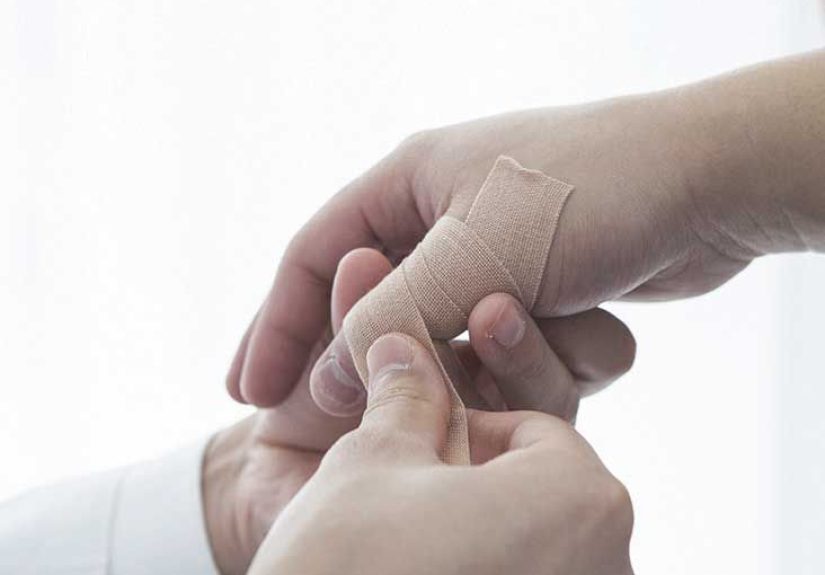
For mild injuries, early home care often includes protection, rest, ice, compression, and elevation. That means avoiding painful activity, using ice in short sessions, wrapping or supporting the thumb if advised, and keeping the hand elevated above heart level when possible.
A practical approach is to rest the hand for at least the first 48 hours, use cold packs for about 15 to 20 minutes at a time, and avoid putting ice directly on bare skin. Over-the-counter pain relievers may help, though it is wise to follow the label and check with a clinician if you have other medical conditions.
2. Use a splint or thumb spica brace
Mild sprains may only need a short period of support. Moderate sprains often need a thumb spica splint or cast for a longer period to keep the joint from moving while the ligament heals. In plain English, this is the phase where your thumb gets grounded.
Do not rush to “test it out” every hour. Repeatedly stressing the joint too early can delay healing.
3. Rehab and exercises
Once the ligament has had time to settle down, your provider may recommend gentle stretching and strengthening exercises. This part is important because stiffness can develop after immobilization. You want the thumb to heal, but you also want it to remember how to be a thumb.
Depending on the injury, rehab may begin in a few weeks or later. A hand therapist or physical therapist can help guide recovery in more serious cases.
4. Surgery for severe tears
A complete tear, an unstable joint, or a displaced injury may require surgery. Surgical repair can involve reattaching the ligament to the bone or fixing an avulsion fracture with anchors, pins, or screws. After surgery, a cast or splint is usually worn for several weeks, followed by rehabilitation.
Newer surgical techniques may speed early motion in some athletes, but the broader point is simple: severe tears often need specialist care, not just wishful thinking and a drugstore wrap.
Sprained Thumb Recovery Time
One of the most common questions is, “How long will this take?” The honest answer is: it depends on how badly the ligament was injured and how well you protect it during healing.
Mild sprain recovery
A mild sprained thumb often improves within about four to six weeks, especially if you use a splint as advised and avoid irritating activities.
Moderate sprain recovery
A partial tear may take longer and often requires several weeks of immobilization followed by a gradual return to activity.
Severe sprain recovery
A grade 3 injury can take several months to fully recover, particularly if surgery is needed. Recovery is not just about pain going away. It also includes regaining stability, grip, range of motion, and confidence using the hand again.
Trying to return to sports, lifting, or repetitive hand use too early can set you back. Healing is not a competition, and your thumb does not care about your calendar.
What Recovery Actually Feels Like
Recovery from a sprained thumb is rarely a straight line. The first few days are usually all about swelling, tenderness, and discovering that almost every daily task involves your thumb. Then comes the immobilization phase, when the pain may improve but stiffness can show up. Later, during rehab, the thumb often feels better overall but still complains during pinching, twisting, or gripping.
Many people assume they are healed because the bruising is gone. Not so fast. Ligaments can still be vulnerable even when the thumb looks more normal. That is why it is important to follow the plan, especially when increasing activity.
Complications of an Untreated Sprained Thumb
Ignoring a serious sprain can lead to more than a few annoying weeks. Possible complications include:
- Chronic thumb pain
- Joint instability
- Reduced pinch strength
- Decreased range of motion
- Early arthritis in the thumb joint
If you use your hands for sports, childcare, typing, tools, art, cooking, or work that depends on grip, these issues can become a long-term nuisance. The earlier an unstable injury is recognized, the better the chances of a smoother recovery.
How to Prevent a Thumb Sprain
You cannot bubble-wrap your hands forever, but you can lower your risk.
- Warm up your hands and fingers before sports or repetitive activity
- Use proper technique in sports that involve catching, throwing, or falling
- Wear appropriate protective gear
- Use footwear with solid traction to reduce falls
- Let go of ski poles if you fall instead of hanging onto them
- Build activity gradually instead of jumping into weekend-warrior mode at full speed
Common Experiences People Have With a Sprained Thumb
The experiences below are illustrative of common real-world situations people describe when dealing with a sprained thumb.
“I thought it was just jammed.”
A lot of people injure their thumb during sports and assume it is no big deal because they can still move it. Maybe it is swollen, maybe it is bruised, but they can kind of grip a water bottle, so they keep playing. Then the next morning arrives with a rude surprise. The thumb is stiff, sore, and suddenly every tiny motion feels personal. Buttoning a shirt becomes a strategy problem. Twisting a doorknob becomes an event. This is one of the most common stories with a moderate sprain. The person was functional enough to underestimate it, but not healed enough to ignore it.
“The pain wasn’t terrible, but the weakness was weird.”
Another common experience is noticing weakness before major pain. Someone falls, catches themselves with their hand, and later realizes they cannot pinch or grip the way they normally do. A key slips in the lock. A pen feels unstable. Opening a snack bag turns into a two-minute negotiation. This can be especially noticeable with UCL injuries because the thumb’s stability matters so much for pinch strength. People are often more alarmed by the awkward weakness than the initial pain. It is the moment they realize this is not just soreness. The thumb is mechanically unhappy.
“I had no idea recovery would affect so many normal tasks.”
Even when the injury is mild, daily life can get unexpectedly annoying. People often mention struggling with typing, cooking, washing their hair, carrying grocery bags, fastening a seat belt, or holding a phone comfortably. Parents talk about lifting children differently. Office workers notice that trackpads and long typing sessions make the thumb ache. Gym-goers suddenly miss how much the thumb does during gripping, pulling, and pressing exercises. The recovery lesson here is simple: the thumb is a supporting actor with main-character responsibilities. You do not fully appreciate it until it is on strike.
“I felt better too soon and did too much.”
One of the most relatable recovery mistakes is the false victory lap. Swelling improves, bruising fades, and the thumb seems “basically fine,” so the person returns to workouts, sports, yard work, or a weekend project. Then the pain flares up again. This does not always mean the healing failed, but it often means the ligament was stressed before it was ready. Many people learn that recovery is not only about waiting for pain to calm down. It is about gradually rebuilding motion, strength, and tolerance. In other words, feeling better is not always the same as being fully healed.
Final Thoughts
A sprained thumb may sound minor, but it can seriously interfere with everyday life if the ligament is badly injured or poorly treated. The key is recognizing the symptoms early, protecting the joint, and getting medical attention when the thumb feels unstable, weak, or unusually painful. Mild sprains often heal well with rest, ice, splinting, and time. More serious injuries may need imaging, casting, therapy, or surgery.
If your thumb is still swollen, painful, weak, or wobbly after a couple of days, do not just power through it. Your future grip strength would like a word.