Table of Contents >> Show >> Hide
- Why ‘Caradonna’ Stands Out
- What It Looks Like in the Garden
- How to Grow Salvia nemorosa ‘Caradonna’
- Blooming, Deadheading, and Seasonal Pruning
- Best Landscape Uses
- Pollinators, Deer, and Everyday Garden Value
- Common Problems and How to Avoid Them
- Why Gardeners Keep Coming Back to It
- Garden Experiences With Salvia nemorosa ‘Caradonna’
- Conclusion
Note: This HTML body is ready for web publishing and unnecessary citation artifacts have been removed.
If your garden needs a plant that looks polished without acting precious, Salvia nemorosa ‘Caradonna’ is a strong contender. This hardy perennial has become a favorite in American gardens for good reason: it delivers rich violet-blue flower spikes, dark purple stems, a tidy upright habit, and the kind of easygoing personality that makes gardeners look more talented than they may actually be before coffee. In other words, it is the botanical version of a friend who shows up on time, brings snacks, and somehow still looks fabulous in every photo.
‘Caradonna’ is often celebrated for the dramatic contrast between its dusky stems and saturated blooms. It gives borders a vertical accent without turning into a hulking giant, and it pairs beautifully with roses, catmint, yarrow, ornamental grasses, and other sunny-border classics. Beyond looks, it also earns points for being relatively drought tolerant once established, attractive to pollinators, and capable of reblooming when deadheaded. That combination of beauty, structure, and practicality explains why this salvia keeps turning up in perennial beds, pollinator gardens, cottage-style designs, and front-yard plantings where curb appeal matters.
Why ‘Caradonna’ Stands Out
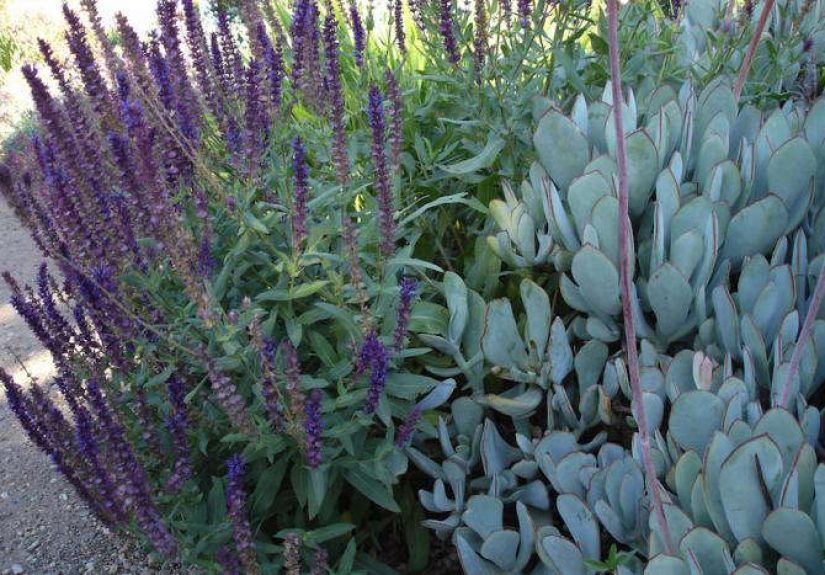
There are many hardy salvias on the market, but ‘Caradonna’ has a signature look that is easy to spot. The most distinctive feature is its dark purple to near-black stems, which make the blue-violet flowers appear even more intense. Instead of blending into the garden like a nice-but-forgettable background singer, this cultivar steps up to the mic and delivers a solo.
The plant typically forms a clump of aromatic foliage near the base, then sends upright flower spikes above the mound. That tidy architecture is part of its charm. It does not flop around the border like it missed a nap, and it tends to keep a vertical shape that works especially well when repeated in groups. Gardeners often use it to create rhythm in a planting, spacing several clumps along a walkway or across the front of a sunny bed for a crisp, intentional look.
Another reason it remains popular is timing. ‘Caradonna’ usually begins blooming from late spring into early summer, and with prompt cleanup it can continue in waves through summer and sometimes into fall. That repeat performance gives it more staying power than many perennials that bloom once, take a bow, and disappear into foliage anonymity.
What It Looks Like in the Garden
In most gardens, ‘Caradonna’ matures to roughly 1 to 2 feet tall, though flower spikes can push the display a bit higher depending on site conditions. The foliage mound stays comparatively neat, making it suitable for the front or middle of the border. Leaves are generally green to gray-green, slightly textured, and pleasantly aromatic when brushed or crushed. That fragrance is one reason salvias are often described as less appealing to deer and rabbits than many other flowering perennials.
The flowers are carried in dense, narrow spikes, and their color lands in that sweet spot between true blue and purple. In cooler morning light, the flowers can look almost jewel-toned. In bright afternoon sun, the deep stems become more noticeable and add a graphic quality that helps the plant hold its own next to bolder companions. Even after the petals fade, the dark stems and calyces can keep the plant looking attractive for a while, which is a small but welcome bonus in a garden where everything cannot be at peak perfection every single day.
How to Grow Salvia nemorosa ‘Caradonna’
Light
Full sun is the gold standard for this plant. In most regions, that means at least six hours of direct sun, and more is often better for sturdy stems and abundant flowers. In especially hot climates, a touch of afternoon shade can be helpful, but too much shade usually reduces flowering and loosens the habit. If you want ‘Caradonna’ to look upright and bloom generously, sun is not optional; it is part of the job description.
Soil
Well-drained soil is essential. This is the part where ‘Caradonna’ becomes politely firm. It is not especially fussy about soil texture, and it can handle average garden soils quite well, but it does not enjoy wet feet. Heavy, soggy ground can lead to root and crown problems, especially over winter. If your soil stays wet for long stretches, amend it to improve drainage or consider planting in a raised bed. This salvia prefers life on the drier side of comfortable.
Water
After planting, water regularly until the roots settle in. Once established, ‘Caradonna’ becomes fairly drought tolerant, though it typically flowers better with occasional deep watering during dry periods. The key is balance. Starve it of water for too long and the display may shrink; keep it wet all the time and the plant may sulk, rot, or invite disease. Think of it as a plant that likes a drink, not a swamp vacation.
Fertilizer
This is not a heavy feeder. In reasonably good soil, a light spring application of compost is often enough. Too much fertilizer, especially high-nitrogen feeding, can encourage leafy growth at the expense of flowers and may also contribute to floppier stems or disease pressure. In other words, don’t try to “help” it too much. Overenthusiastic generosity is how people end up with salad instead of flowers.
Hardiness
‘Caradonna’ is generally grown as a perennial in USDA Zones 4 through 8, which makes it useful across a large part of the United States. In colder areas, good drainage is especially important during winter. In warmer regions, it may appreciate a site with air circulation and soil that does not stay muggy and wet.
Blooming, Deadheading, and Seasonal Pruning
One of the best things about ‘Caradonna’ is that it rewards a little maintenance with more flowers. After the first flush fades, remove spent flower spikes to encourage additional bloom. This simple step often keeps the plant productive through summer and sometimes into fall. If the plant starts looking lanky or tired in midsummer, a deeper trim can help refresh the foliage and trigger another round of flowers.
At the end of the season or in early spring, the plant can be cut back hard, depending on your climate. In colder areas, many gardeners wait until spring so the old growth offers some winter protection. In milder places, late-fall cleanup may work just fine. The trick is to remove old flower stems while preserving the basal rosette if it is still healthy. This is one of those gardening moments where “dramatic haircut” is acceptable, but “accidental scalping” is not the goal.
Best Landscape Uses
‘Caradonna’ is versatile enough to work in several garden styles. In a formal border, its upright stems add clean vertical lines. In a cottage garden, it softens beautifully among roses, peonies, lady’s mantle, and nepeta. In a pollinator planting, it offers nectar-rich blooms in a color range that bees and butterflies seem very happy to visit. In modern designs, repeating several clumps of ‘Caradonna’ can create a rhythm that feels structured without becoming stiff.
It also shines in mixed perennial combinations. Pair it with yellow or gold flowers for high contrast, such as coreopsis or yarrow, and the blue-violet blooms seem even richer. Combine it with silver foliage plants like artemisia or lamb’s ear for a cool-toned palette. Plant it with ornamental grasses for a breezy, layered look that keeps the border interesting even after peak bloom. It can even work in larger containers if drainage is excellent, though it is usually happiest in the ground where roots can stretch naturally.
Pollinators, Deer, and Everyday Garden Value
Gardeners who want a prettier yard and a busier pollinator scene often appreciate ‘Caradonna’ for both reasons. Like many salvias, it is attractive to bees, butterflies, and hummingbirds. The flower spikes are not just decorative; they are functional, bringing movement and life to the garden in a way static foliage alone cannot. A planting of ‘Caradonna’ in bloom often becomes a small airport for beneficial visitors, minus the delays and overpriced snacks.
It is also commonly described as deer resistant, though no plant is entirely deer proof when the buffet is limited and the local deer have lowered their standards. Still, the aromatic foliage and texture make it less likely to be demolished than more tender, juicy favorites. That practical advantage matters a lot in suburban and rural gardens where browsing can turn a carefully planned border into a very depressing salad bar.
Common Problems and How to Avoid Them
For such a stylish plant, ‘Caradonna’ is refreshingly low drama. Still, a few issues can appear. Poor drainage is the big one. Wet soil can lead to root or crown rot, especially in winter. Crowded conditions and overhead watering may also encourage fungal problems such as botrytis or leaf issues in humid weather. Good spacing and air movement help prevent that.
Aphids and mites can occasionally show up, but they are usually manageable and rarely a reason to give up on the plant. If blooms become sparse, the culprit is often not a mysterious pest but something simpler: too much shade, spent flowers left in place too long, or overly rich feeding that pushed foliage instead of flowers. ‘Caradonna’ usually tells you what it wants. More sun. Better drainage. Less fussing. It is surprisingly honest for a garden plant.
Why Gardeners Keep Coming Back to It
Some perennials are easy. Some are beautiful. Some are useful to pollinators. ‘Caradonna’ manages to hit all three categories at once, which is why it has stayed relevant instead of disappearing into the endless parade of one-season plant hype. It gives structure without stiffness, color without chaos, and performance without a long list of demands. That is a rare combination.
It also photographs extremely well, which may not be a formal horticultural category, but let’s be honest: it matters. Whether you are building a front-yard border, a pollinator patch, or a perennial bed you’d like to admire with coffee in hand, ‘Caradonna’ brings a sense of purpose to the design. It looks intentional. It looks refined. It looks like you know what you are doing, even if last week you were googling whether pruning shears are supposed to squeak.
Garden Experiences With Salvia nemorosa ‘Caradonna’
One of the most common experiences gardeners describe with ‘Caradonna’ is how quickly it becomes a “repeat plant.” You buy one because the nursery bench looked convincing, plant it in a sunny corner, and then spend the next season wondering why you did not buy three. In spring, the basal mound emerges neatly and gives no hint of how dramatic the flower stalks will become. Then, almost overnight, dark stems rise up and the blooms arrive in that rich blue-violet shade that seems to calm the whole border while also making everything around it look better dressed.
Another memorable experience is how useful the plant is in mixed beds. Gardeners often notice that ‘Caradonna’ acts like a visual organizer. It threads through more billowy plants and gives them a backbone. Roses look more refined beside it. Yellow daisies look brighter. Soft pink flowers seem more romantic. Even ornamental grasses appear more intentional when this salvia repeats nearby. It is the kind of plant that quietly improves the behavior of its neighbors, which is more than most people can say about actual neighbors.
Many growers also remember the first time they deadhead it properly and realize the plant is not done performing. After the first flush fades, the garden can look like the show is over. Then the spent spikes are clipped, the plant is watered during a dry week, and fresh stems start appearing. That second round of bloom feels oddly generous, like getting an encore you did not pay for. For busy gardeners, this is an especially satisfying experience because the maintenance is simple and the reward is obvious.
There is also the pollinator effect. A clump of ‘Caradonna’ in bloom rarely stays lonely. Bees work the spikes methodically, butterflies pause for nectar, and hummingbirds may investigate when the rest of the garden is active. Even gardeners who originally bought the plant for color often end up loving it for movement. The border stops being a static arrangement of shapes and starts feeling alive. That experience can change how a gardener plans future beds, with more attention to bloom succession and wildlife value rather than color alone.
In smaller gardens, ‘Caradonna’ often becomes a lesson in restraint. Because it has such strong color and vertical form, a little goes a long way. One plant in the right place can anchor an entry border. Three can define a path. Five or seven can create a rhythm that feels professionally designed. Gardeners sometimes learn through trial and error that this cultivar is at its best when repeated instead of scattered randomly. Once that pattern clicks, the whole space starts to feel calmer and more cohesive.
Of course, not every experience is glamorous. Some gardeners plant it in rich, damp soil and discover that ‘Caradonna’ is not charmed by kindness delivered in excess. Too much water, too much fertilizer, or too much shade can lead to weak performance. But even those less-than-perfect outcomes are useful because the plant teaches a valuable lesson: good gardening is often about matching a plant to the right place, not trying to sweet-talk it into thriving where it clearly does not want to be.
Perhaps the best experience of all is seasonal familiarity. After living with ‘Caradonna’ for a few years, gardeners begin to anticipate its timing. They notice the early clump, the darkening stems, the first buds, the first bees, the midsummer trim, and the late-season return. It becomes part of the garden’s rhythm. And that is when a plant stops being just a purchase and becomes part of a place. ‘Caradonna’ earns that role with style, stamina, and just enough attitude to stay interesting.
Conclusion
Salvia nemorosa ‘Caradonna’ earns its reputation the old-fashioned way: by performing beautifully in real gardens. It offers striking purple-black stems, saturated blue-violet flowers, strong pollinator appeal, and a dependable rebloom cycle when deadheaded. Give it full sun, well-drained soil, and a sensible watering routine, and it will reward you with months of structure and color. For gardeners who want a perennial that looks elegant without acting impossible, ‘Caradonna’ remains one of the smartest choices in the sunny border.