Table of Contents >> Show >> Hide
- Quick Comparison: Our Top 4 Picks
- How We Chose These 4 Picks
- Pellet Stove Basics (Plain English, No Fluff)
- Our 4 Best Pellet Stove Picks (2025)
- Buying Checklist: What to Confirm Before You Click “Buy”
- Costs and Ownership: The Stuff That Actually Impacts Your Budget
- Maintenance Cheatsheet (So Your Stove Doesn’t Turn Into a Drama Queen)
- FAQ
- Real-World Pellet Stove Experiences (Extra You’ll Be Glad You Read)
- Conclusion
- SEO Tags
Pellet stoves are like the practical friend who shows up early, brings snacks, and quietly saves the dayexcept the snacks are
neatly bagged wood pellets and the saving is your heating bill. They’re cleaner and more “set-it-and-forget-it” than traditional
wood stoves, but they still deliver that real-flame coziness (the kind that makes you want to narrate your life like a cabin-core
movie trailer).
In this 2025 guide, we’re picking four pellet stoves that cover the most common real-life situations: premium reliability, big-space
heating, fireplace-insert convenience, and off-grid/power-outage resilience. You’ll also get a no-nonsense buying checklist, sizing tips,
and a brutally honest “what it’s like to live with one” sectionbecause the brochure never mentions ash in your socks.
Quick Comparison: Our Top 4 Picks
| Pick | Best For | Why It Made the List | Watch-Out |
|---|---|---|---|
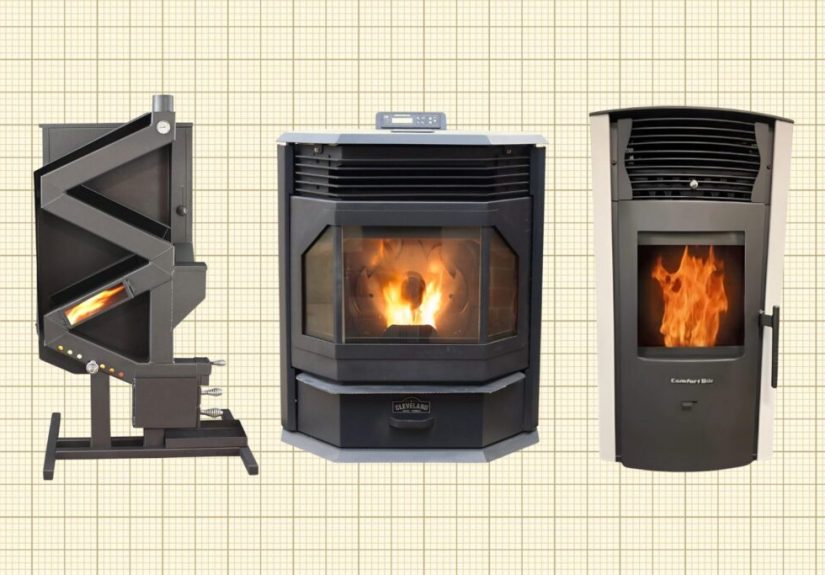
| Harman P43 | Best overall (premium reliability + smart, steady heat) | Strong performance, high build quality, excellent “steady comfort” control | Higher upfront cost; dealer network matters |
| Quadra-Fire Classic Bay 1200 | Best for large spaces + fewer refills | Big hopper, strong coverage, built for long burn stretches | Still needs consistent cleaning for peak airflow |
| ComfortBilt HP22i (Insert) | Best insert (upgrade an existing fireplace) | Serious heat from a fireplace footprint; great “renovation-friendly” option | Insert fit and venting plan are everything |
| US Stove Wiseway (Non-Electric) | Best for outages/off-grid | No electricity requiredrare and genuinely useful | Different learning curve than standard pellet stoves |
How We Chose These 4 Picks
Pellet stoves aren’t one-size-fits-all. The “best” stove depends on your home, your tolerance for maintenance, and whether your
idea of fun is adjusting settings… or never thinking about settings again. Here’s what we prioritized:
- Real-world usability: thermostat control, consistent heat output, easy access for routine cleaning
- Practical capacity: hopper size and burn time that match how you actually live (not how you wish you lived)
- Emissions + compliance: modern EPA-certified designs and sensible venting requirements
- Support ecosystem: parts availability, dealer/service accessibility, and a track record of owners sticking with the brand
- Category coverage: premium, large-space, insert, and non-electric so most homes have a strong match
Pellet Stove Basics (Plain English, No Fluff)
How pellet stoves work
You pour pellets into a hopper. The stove feeds pellets into a burn pot at a controlled rate, lights them, and uses fans to move heat
into the room. Translation: you get the vibe of a flame with the predictability of an appliance.
The “tiny catch”: most pellet stoves need electricity
Standard pellet stoves use electricity for the controller, auger (pellet feeder), and blowers. The monthly electricity use is usually
modest, but it’s not zeroand during an outage, most units stop unless you have backup power.
Pellet quality matters more than you think
Pellets aren’t all created equal. Lower-quality pellets can mean more ash, clinkers (hard, glassy junk in the burn pot), and more frequent
cleaning. Look for pellets that follow recognized quality standards (often indicated on the bag). This is the difference between “easy winter
warmth” and “why is my stove coughing?”
Maintenance is normalplan for it
Pellet stoves are efficient, but they’re not magical. You’ll do light, routine cleaning (especially the burn pot and ash areas) and schedule
a deeper clean and inspection periodically. If you treat maintenance like dental flossimportant, but easy to ignoreyou’ll feel it later.
Sizing: don’t buy based on the biggest square-foot number
Heating “up to X square feet” depends on climate, insulation, ceiling height, layout, and how many open doorways your house has to the
“cold hallway dimension.” A slightly smaller stove that runs steadily often feels better than a huge stove that short-cycles and blasts.
Our 4 Best Pellet Stove Picks (2025)
1) Harman P43 Best Overall (Premium Reliability + Steady Comfort)
If you want a pellet stove that feels less like a hobby and more like a dependable appliance, this is the lane. The Harman P43 is widely
known for strong build quality and consistent heat control. It’s the kind of stove people buy when they’re tired of “pretty good” and want
“just works” energy.
Why we like it:
- Balanced heating range: great for many typical homes and open living areas
- Consistent temperature control: better “even comfort” vs. big hot/cold swings
- Solid construction: built to be used hard, not just admired on a showroom floor
Good fit if: you plan to use the stove often (or as a primary heat source) and you value reliability over saving a few hundred dollars upfront.
Watch-out: premium stoves shine brightest when installed and supported by a strong dealer/service networkso choose your installer like you’re hiring a babysitter: carefully.
2) Quadra-Fire Classic Bay 1200 Best for Large Spaces + Long Burn Stretches
Big space? Big expectations? The Classic Bay 1200 is built for higher heat demand and longer run time, thanks in part to a larger hopper.
That means fewer “oh right, pellets” momentsespecially helpful during cold snaps when your stove is basically the MVP of the household.
Why we like it:
- Large hopper: fewer refills, more uninterrupted heating
- Strong coverage: a solid option for larger, open layouts
- Owner-friendly design touches: features aimed at smoother operation and cleaning
Good fit if: you’re heating a larger home (or a big open main level) and want longer burns between refills.
Watch-out: bigger stoves still need regular ash management and airflow carehigh output is awesome until the stove can’t breathe.
3) ComfortBilt HP22i (Insert) Best Insert for Upgrading an Existing Fireplace
Want pellet heat without giving up your fireplace footprint? An insert is often the cleanest path. The HP22i is a popular choice because it
aims to deliver serious heat while living inside an existing masonry fireplace openingmeaning you get a more built-in look and keep floor space.
Why we like it:
- Space-smart: turns an existing fireplace into a real heat source
- Convenient controls: pellet stoves typically offer programmable/thermostat-style operation
- Great “renovation math”: you’re upgrading something you already have instead of redesigning the room
Good fit if: you have a fireplace you’d love to make functional for heating (not just vibes).
Watch-out: inserts are not “universal fit.” Measure carefully, plan venting properly, and work with a qualified installer to avoid expensive surprises.
4) US Stove Wiseway (Non-Electric) Best for Power Outages and Off-Grid Use
Most pellet stoves depend on electricity. The Wiseway is the oddball in the best way: it’s designed to operate without electricity, using a
gravity-fed system. If you live somewhere with frequent outagesor you’re heating a cabin, workshop, or off-grid spacethis can be a game-changer.
Why we like it:
- No electricity needed: heat even when the grid taps out
- Quiet operation: fewer powered components means less “fan soundtrack”
- Longer run potential: designed for extended burn stretches with a generous hopper
Good fit if: resilience mattersoutages, cabins, rural properties, or anyone who’s ever said, “I can’t believe the power is out again.”
Watch-out: non-electric pellet stoves can feel different to operate than standard models. Read the manual, follow safety guidelines, and don’t freestyle.
Buying Checklist: What to Confirm Before You Click “Buy”
- Installation type: freestanding vs. insert vs. wall-mounted (your room layout decides more than your wish list)
- Venting plan: route, clearances, termination location, and local code requirements
- Heating strategy: primary heat source or “main-room booster”
- Hopper size: how often you want to refill (daily-ish vs. every couple of days)
- Controls: thermostat, programmable schedules, remote/app control (nice, not mandatory)
- Noise tolerance: fans are normal; some units are quieter than others
- Service access: where will you get parts and maintenance?
- Warranty reality: what’s covered, and whether installation by a pro is required
Costs and Ownership: The Stuff That Actually Impacts Your Budget
The purchase price is only the beginning. Pellet stoves involve:
- Pellets: pricing varies a lot by region and seasonbuying early and storing dry can help
- Electricity (most models): generally modest use, but it exists
- Venting + installation: can be a big chunk of the total cost (and it’s not optional if you want safe, code-compliant operation)
- Maintenance: routine cleaning supplies + periodic professional inspection/cleaning
The good news: pellet stoves can be efficient zone heaters. If you spend most of your time in a few rooms, heating those spaces well while
letting the rest of the house coast a bit can be a smart strategy.
Maintenance Cheatsheet (So Your Stove Doesn’t Turn Into a Drama Queen)
Weekly-ish
- Scrape the burn pot (prevents airflow problems and ignition hiccups)
- Empty ash as needed (frequency depends on pellet quality and how hard you run it)
- Wipe the glass if your stove’s air-wash can’t keep up
Monthly-ish (or every ton burned, depending on use)
- Vacuum ash traps/hidden compartments (fine ash loves sneaking into places)
- Check door gaskets and seals
- Inspect intake/exhaust areas for buildup
Seasonally
- Schedule a professional inspection/cleaning if you’re a heavy user
- Do a deeper internal clean before peak winter or at season’s end
FAQ
Are pellet stoves safer than wood stoves?
They can be, largely because fuel is fed in a controlled way and the flame is contained behind a sealed door. But “safer” still depends on
correct installation, venting, clearances, and good maintenance. Add a carbon monoxide detector either way.
How do I choose the right size?
Start with the area you actually want to heat, not the biggest square footage on the product page. Open layouts, tall ceilings, older homes,
and cold climates all increase heat demand. When in doubt, talk through sizing with a qualified dealer/installer.
Do pellet stoves qualify for tax credits?
Some biomass appliances may qualify if they meet specific efficiency requirements. The key word is “some.” Always verify the unit’s documentation
and eligibility rules before you buy.
Do I need a professional installer?
Strongly recommended. Pellet stoves involve combustion, venting, and code requirements. A correct install protects your home, your warranty, and your
peace of mind.
What pellets should I buy?
Look for pellets that meet recognized quality standards and store them somewhere dry. Better pellets generally mean less ash, steadier performance,
and less cleaning.
What’s the biggest mistake buyers make?
Buying based on maximum square footage alone. The second biggest is underestimating maintenance. A pellet stove is an appliance that wants a little
attention so it can give you a lot of comfort.
Real-World Pellet Stove Experiences (Extra You’ll Be Glad You Read)
Let’s talk about what living with a pellet stove is actually likebecause the internet is packed with two extremes: “This changed my life!”
and “This ruined my weekends!” The truth is calmer (and much more useful).
First, the heat feels different from a central furnace. It’s more like a warm “anchor” in the part of the house where the stove lives. If your
main living area is open and you spend most of your time there, you’ll love it. If you expect one stove in the den to make an upstairs bedroom feel
like Florida in January, you’ll be disappointed unless your layout and air movement cooperate. Owners who get the best results usually use one or two
simple tricks: keep interior doors open when you want heat to travel, and use a small, quiet fan to nudge warm air where it needs to go. (Not a wind tunnel.
Just a gentle assist.)
Second, pellet quality is the hidden MVP. The “cheap bag” can become expensive fast if it creates extra ash and clinkers. When pellets are dusty or
inconsistent, you’ll notice slower startups, lazier flames, and more time with a scraper in your hand. Many experienced owners eventually develop a
personal ranking systemlike wine tasting, but with more vacuuming. “This batch burns hot and clean,” they’ll say, like they’re judging a talent show.
Third, you’ll hear your stove. Fans, augers, and airflow are part of pellet-stove life (unless you chose a non-electric design). Most people acclimate
quickly, but if your stove is near a TV room, the “white noise” factor matters. If silence is sacred in your home, prioritize quieter operation and
smart temperature control that avoids constant ramping up and down. Consistent, steady running tends to feel both quieter and more comfortable.
Fourth, maintenance is less “hard” and more “regular.” Think of it like owning a coffee machine that makes amazing espressoif you ignore it, it will
punish you with bitterness. But if you spend a few minutes on routine cleaning, it performs beautifully. A quick weekly clean often prevents the dramatic
mid-winter “why is it acting weird?” moment.
Finally, the best pellet-stove owners don’t chase perfectionthey chase consistency. They keep pellets dry, clean on a schedule, and run the stove in
a steady range instead of blasting it like a jet engine for 30 minutes and then turning it off. The payoff is a home that feels genuinely comfortable,
not just “warm near the stove.” And yes, you will catch yourself staring at the flame like it’s a campfire. Completely normal. Welcome to the club.
Conclusion
The right pellet stove can be a smart, comfortable way to heat the spaces you actually live inwithout the daily mess and unpredictability of traditional
wood burning. If you want premium “set it and trust it” performance, the Harman P43 is hard to beat. If you need bigger coverage and fewer refills, the
Quadra-Fire Classic Bay 1200 is built for the job. If you want to upgrade an existing fireplace into a real heat source, the ComfortBilt HP22i insert is a
practical winner. And if you live where power outages are a seasonal sport, the US Stove Wiseway brings rare off-grid-friendly peace of mind.