Table of Contents >> Show >> Hide
Some lamp shades are content to sit quietly in a room and do their job. The Kayan 3D printed lamp shade from Formaliz3d is not one of those lamp shades. This is the kind of design that walks into a room, clears its throat politely, and somehow manages to feel both futuristic and warm at the same time. It is sculptural without being fussy, experimental without being weird-for-the-sake-of-weird, and modern without looking like it came straight out of a spaceship cafeteria.
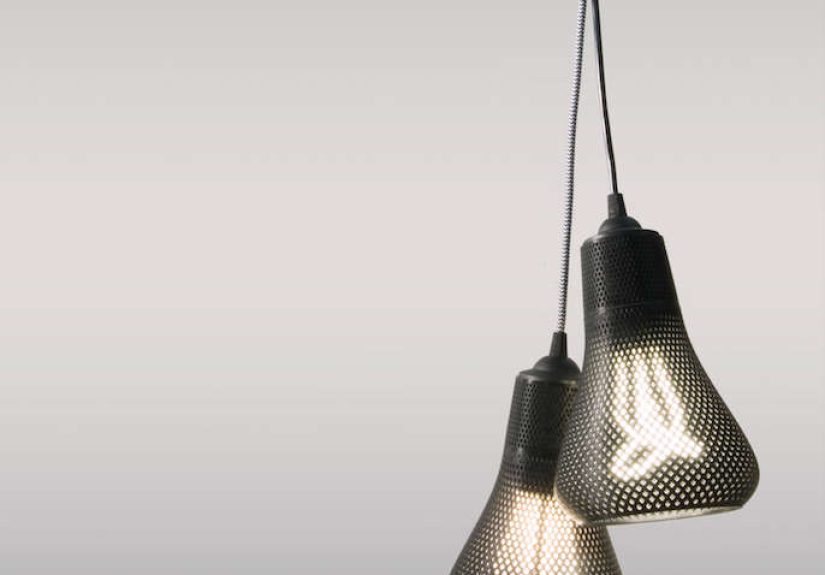
That balance is exactly what makes the Kayan so interesting. At a glance, it reads like decor. Turn it on, and it becomes an experience. Its soft, sloping form frames the bulb rather than hiding it, while the punctured sides let light slip through in a way that creates atmosphere instead of harsh glare. In other words, it does what great lighting should do: it makes a room feel better, not just brighter.
For anyone interested in modern home decor, 3D printed lighting, sculptural pendant lamps, or statement shades that still feel livable, the Kayan is worth a closer look. It sits at the intersection of industrial design, interior styling, and additive manufacturing, which is a delightfully nerdy sentence that basically means this lamp shade is both smart and good-looking. And honestly, more products should aim for that combo.
What Is the Kayan 3D Printed Lamp Shade?
The Kayan was created through a collaboration between lighting brand Plumen and Italian design studio Formaliz3d. Rather than producing a generic shade that could fit almost anything, the idea was to develop a form specifically shaped to complement the smaller Plumen bulbs. That tailored approach is a huge part of the design’s appeal. The shade was not treated like an afterthought. It was designed as a visual partner to the bulb itself.
Published product details described the Kayan as an ABS plastic shade measuring 220 mm by 150 mm by 150 mm, paired with a fabric cable measuring 1.20 meters. It was offered with either the Baby Plumen 001 or the Original Plumen 002, two bulbs known for their sculptural, curving silhouettes. The Baby Plumen 001 was listed at 9 watts, 505 lumens, and 2700K, while the Original Plumen 002 was listed at 6 watts, 245 lumens, and 2500K. Both were described as non-dimmable.
That may sound like a pile of product specs, but those details matter. The dimensions tell you the Kayan is compact enough to feel elegant instead of bulky. The warm color temperatures suggest a cozy, intimate glow rather than a cold, clinical wash of light. And the choice to pair it with unusual bulb shapes reinforces the main concept: this is lighting meant to be seen, not hidden.
Why the Design Still Feels Fresh
The most memorable thing about the Kayan is its shape. Formaliz3d gave it soft, sinuous sides that echo the curves of the Plumen bulbs rather than competing with them. That design move sounds simple, but it is surprisingly smart. Too many statement fixtures try to win the room by yelling louder than everything else. The Kayan takes a more confident route. It frames the bulb, softens the silhouette, and turns the whole fixture into one coherent object.
Then there are the perforations. These openings are not just decoration sprinkled on top to make the lamp look “techy.” They actively change the way the light behaves. Some light escapes through the sides, giving the bulb’s shape a visible presence and casting intricate shadows. The rest is pushed downward, which helps the shade stay functional as a pendant rather than turning into a glowing blob with commitment issues.
This is where the Kayan gets especially interesting from a decorating standpoint. Good lamp shades diffuse light, shape mood, and contribute to the identity of a room. Great pendant lights do even more: they define zones, create focal points, and bring personality overhead. The Kayan succeeds because it works on both levels. It is a shade, yes, but it also acts like a small piece of hanging architecture.
That idea lines up beautifully with current lighting wisdom. Designers consistently emphasize warm, layered light over a single harsh overhead source. Warm lighting around the 2700K to 3000K range is especially effective for residential spaces because it feels inviting and relaxed. In that context, the Kayan looks less like a 2015 novelty and more like an early example of a direction interiors have continued to embrace: softer light, stronger form, and fixtures with actual personality.
Why 3D Printing Was the Right Tool for the Job
The phrase 3D printed lamp shade can still make some people think of hobby projects, desktop printers, and somebody on the internet proudly showing off an octopus. But the Kayan demonstrates why additive manufacturing belongs in serious design conversations. Its form is not random. It is the sort of geometry that benefits from digital modeling, fast prototyping, and precise production.
3D printing allowed Formaliz3d to create a shade tailored to the exact proportions and curves of the Plumen bulbs. That level of customization is difficult, slower, or more expensive with conventional manufacturing, especially for smaller design-driven runs. Additive manufacturing also makes it easier to test variations, refine surfaces, and produce shapes that would be clumsy to fabricate with more traditional methods.
That flexibility helps explain why 3D printing has become so attractive in decor and product design. It opens the door to limited-run pieces, personalized accessories, and forms that feel more sculpted than stamped. In the Kayan’s case, the process was not just a trendy manufacturing choice. It was part of the design logic. The technology made the tailored relationship between bulb and shade possible.
There is also a subtle emotional benefit to 3D printed decor: it often feels more intentional. Even when a design is produced in multiples, it still carries the aura of something considered, prototyped, and solved. That is a big reason why the Kayan still appeals to people who care about contemporary interiors. It has the polish of a finished product, but it also preserves the spirit of experimentation.
How the Kayan Works in Real Interiors
If you dropped the Kayan into a room with no context, it would still look good. But where it really shines is in spaces that benefit from mood, texture, and a touch of visual drama. Think dining nooks, reading corners, bedside pendant setups, compact entryways, or a breakfast area that needs a focal point that is lighter than a chandelier but more expressive than a plain dome shade.
In a minimalist interior, the Kayan adds form without clutter. Because the shape is clean and the palette was originally restrained before expanding into brighter color options, it can sit comfortably among wood, plaster, linen, and matte finishes. In a more eclectic room, it becomes a bridge between art object and functional lighting. It does not need to match everything perfectly because its strength is character, not invisibility.
There is also a practical styling advantage to the shade’s structure. Openings in a pendant often help a room feel lighter and airier than a fully opaque form. That matters in smaller homes, apartments, or any space where a heavy fixture can make the ceiling feel lower. The Kayan avoids that problem. It has presence, but it does not feel visually overweight.
And yes, it photographs beautifully. That is not the most important thing in life, but let us not pretend it is irrelevant in the age of design blogs, rental listings, and house-proud group chats. The Kayan has the kind of silhouette that catches the eye even when the light is off, which is exactly what you want from statement lighting.
Best Room Ideas for a Kayan-Inspired Look
A single Kayan-style pendant over a round dining table can create a cozy little island of light. Hang two above a kitchen counter or long console and the effect becomes more graphic. In a bedroom, a pendant like this works especially well beside the bed because it frees up nightstand space while adding softness and personality. In a hallway or entry, it can turn a forgotten transition zone into an intentional design moment.
If you are borrowing the idea rather than buying the exact original piece, keep the same principles in mind: sculptural shape, warm bulb, filtered light, and a scale that feels elegant rather than oversized. That combination is the secret sauce.
What Buyers and Design Lovers Should Know
The Kayan is a strong reminder that not every lighting purchase should be based on brightness alone. Sometimes the right question is not “How much light does it make?” but “What kind of room does it help create?” That shift in mindset separates functional lighting from memorable lighting.
For modern buyers, there is also a useful lesson in how the Kayan relates to newer lighting choices. Today, many consumers lean toward efficient LED solutions, and for good reason: modern LEDs are dramatically more energy efficient than old incandescent bulbs, run with far less wasted heat, and last much longer. That makes efficient light sources a sensible match for design-forward shades in contemporary homes. If you are building a Kayan-inspired setup today, warm, efficient bulbs remain the smartest route.
Safety and product quality matter too. When a fixture combines decorative design with electrical components, it is worth paying attention to compatibility, bulb recommendations, and recognized testing standards. Beautiful lighting should not require crossed fingers and a tiny prayer every time you hit the switch.
Another notable detail from the Kayan story is that the range did not stay frozen in a single version. It expanded into additional colorways and modular combinations, which reinforced the main strength of 3D-printed design: adaptability. That evolution helped transform the Kayan from an interesting launch into a broader visual system. In plain English, it gave people more ways to play, and design is often better when it leaves some room for play.
Extended Experience: Living With a Lamp Shade Like Kayan
Now for the part that product descriptions usually forget: what a piece like this actually feels like in daily life. Because while specs are useful, nobody has ever whispered, “Wow, that 1.20-meter cable really changed my evening.” What people remember is the atmosphere.
A Kayan-style lamp shade changes the mood of a room in a gradual, sneaky way. The first thing you notice is not brightness. It is softness. When the lamp is off, it reads as sculpture. When the lamp is on, it starts editing the room. Corners look calmer. Surfaces feel warmer. The whole space suddenly seems like it has better manners.
In the morning, the effect is subtle. If natural light is already filling the room, the shade mostly behaves like a decorative object with a little extra depth. But in the late afternoon, when daylight starts thinning out and everything in the room risks looking a little tired, that is when a sculptural pendant earns its rent. Flip it on, and the atmosphere shifts from “unfinished day” to “intentional evening.” It does not scream for attention. It simply makes everything else look more considered.
There is also something oddly satisfying about the way light leaks through openings in a patterned or perforated shade. It keeps the bulb visible enough to feel alive, but controlled enough to avoid the harsh, exposed-bulb glare that can make a room feel like an interrogation scene. The shadow play adds movement too. Not dramatic disco-ball movement, thankfully, but gentle texture across walls, tabletops, and nearby objects. It makes the room feel designed rather than merely furnished.
Guests tend to notice this kind of fixture almost immediately. Not always in a loud way. Often it is more like, “Wait, where did you get that light?” That is the magic of distinctive overhead lighting. A sofa gets compliments when people sit down. A pendant gets compliments before anyone has even taken off their coat.
From a lifestyle perspective, a lamp shade like Kayan works especially well for people who want their homes to feel modern without becoming cold. It brings in contemporary manufacturing and sculptural form, but the end result is still warm and human. That is a rare combination. Plenty of trendy fixtures look clever online and slightly miserable in real life. This kind of shade has the opposite advantage: it tends to feel better in person because atmosphere cannot be fully captured in a product thumbnail.
There is a practical pleasure in it too. A visually interesting pendant pulls some of the design weight upward, which means the room does not need to rely on endless tabletop accessories to feel finished. One good overhead piece can do the work of several smaller decorative objects. That is great news for minimalists, renters, and anyone who is tired of dusting tiny decorative nonsense on open shelves.
Over time, the experience becomes less about novelty and more about rhythm. You start associating the light with certain rituals: dinner, reading, winding down, late-night conversations, that one cup of tea you swore would make you productive but mostly made you stare thoughtfully out the window. A strong fixture becomes part of how the room lives. And that is the real compliment. Not that it looked stylish on day one, but that it still feels right on day three hundred.
Final Thoughts
The Kayan 3D printed lamp shade by Formaliz3d is a compelling example of what happens when lighting design takes both technology and atmosphere seriously. It is not just a decorative shell wrapped around a bulb. It is a carefully shaped object that uses form, material, and perforation to control how light looks, where it falls, and how a room feels.
Its collaboration-driven origin, custom-fit geometry, and sculptural presence helped it stand out when it launched, but its real strength is that the idea still makes sense now. Warm light still matters. Layered lighting still matters. Statement pendants still matter. And 3D printing still offers one of the most exciting paths for creating customized decor that feels fresh without feeling gimmicky.
If your taste leans toward lighting that does more than merely exist, the Kayan deserves attention. It is elegant, clever, and just dramatic enough to keep life interesting. Which, frankly, is more than can be said for most ceiling fixtures.
Note: This HTML includes only the <body> content, removes stray publishing artifacts, and is ready for web publishing.