Table of Contents >> Show >> Hide
- What Is a G Chromatic Scale on Trumpet?
- How to Prepare Before You Play
- How to Play a G Chromatic Scale on Trumpet: 12 Steps
- Step 1: Start on low G with 1-3
- Step 2: Move up to G-sharp or A-flat with 2-3
- Step 3: Play A with 1-2
- Step 4: Play B-flat with 1
- Step 5: Play B natural with 2
- Step 6: Play C open
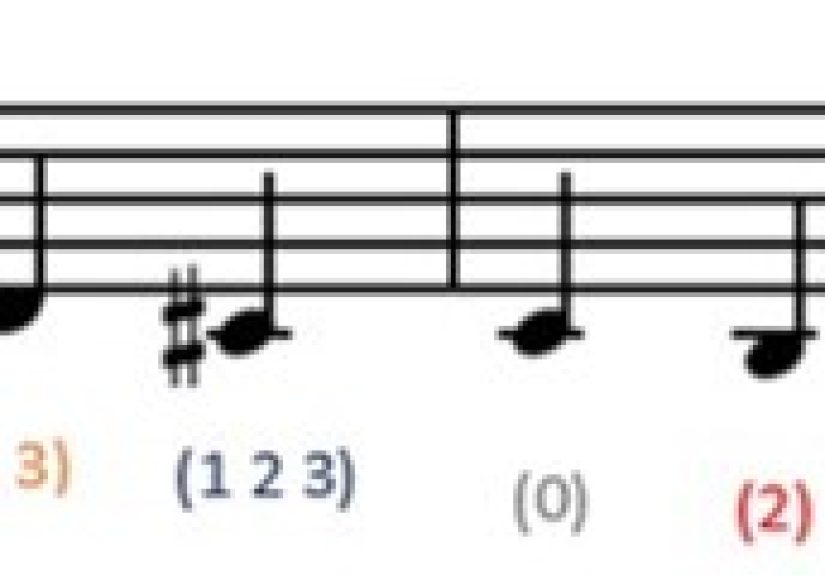
- Step 7: Play C-sharp or D-flat with 1-2-3
- Step 8: Play D with 1-3
- Step 9: Play E-flat or D-sharp with 2-3
- Step 10: Play E with 1-2
- Step 11: Play F with 1
- Step 12: Play F-sharp with 2
- Finish on high G open
- Practice Pattern for Better Results
- Common Mistakes When Learning the G Chromatic Scale
- Why This Scale Matters
- Practice Room Experiences: What Players Usually Notice as They Learn This Scale
- Conclusion
- SEO Tags
If you have ever opened a band method book, stared at a chromatic scale, and thought, “Ah yes, a ladder made of tiny musical banana peels,” welcome. The good news is that a G chromatic scale on trumpet is absolutely learnable. The even better news is that once you understand the fingering pattern, air support, and how not to wrestle your face into a pretzel, the scale starts to feel logical.
This guide breaks the process into 12 simple steps, using standard trumpet fingerings for a one-octave written G chromatic scale, starting on low G and ending on the next G above it. On a B-flat trumpet, that written G sounds as concert F, which matters if you are checking yourself with a piano, tuner, or a band director who enjoys saying, “You’re in the wrong key” with theatrical sorrow.
Before we climb the scale one half step at a time, let’s set up the basics. Sit or stand tall. Keep your shoulders relaxed. Take a full breath. Center the mouthpiece comfortably on your lips. Use steady air, not panic air. Your fingers should hover over the valves, curved and ready, not flapping around like they just got bad news. This scale is not only about the right notes. It is also about clean sound, stable rhythm, and smooth movement between pitches.
What Is a G Chromatic Scale on Trumpet?
A chromatic scale moves entirely by half steps. That means you play every note between the starting G and the ending G. On trumpet, that gives you a wonderful little obstacle course of valves, air control, and embouchure balance. It is one of the best tools for building accuracy because it trains your fingers and ears at the same time.
In this article, we are using the most common beginner-friendly one-octave version:
G – G# / Ab – A – Bb – B – C – C# / Db – D – Eb – E – F – F# / Gb – G
The fingering sequence for this version is:
1-3, 2-3, 1-2, 1, 2, open, 1-2-3, 1-3, 2-3, 1-2, 1, 2, open
How to Prepare Before You Play
Start with posture
Posture matters because poor posture steals air, and air is basically the fuel tank of trumpet playing. Sit near the front of the chair or stand evenly on both feet. Keep your chest open and neck relaxed. Do not collapse your upper body like a folding lawn chair halfway through summer.
Set your embouchure
Your embouchure should feel centered and comfortable. Avoid pinching the lips. The goal is a clear, resonant buzz, not a survival whistle. Think firm corners, relaxed center, and steady air. If you force the sound, the scale will feel harder than it needs to.
Warm up first
Play a few long tones in the middle register before attacking the chromatic scale. Slur a few easy notes. Buzz lightly on the mouthpiece if that helps you focus. A cold start on trumpet often sounds like your instrument is filing a complaint.
How to Play a G Chromatic Scale on Trumpet: 12 Steps
These 12 steps move from low G up to F-sharp, then you resolve to the final G. Use a tuner and a metronome if possible. Play slowly at first. Beautifully slow beats recklessly fast every single time.
Step 1: Start on low G with 1-3
Begin on written low G below the staff. Press the first and third valves. Take a full breath and aim for a centered, steady tone. Do not slam the tongue into the note. A light “too” syllable works well. Hold the pitch long enough to hear whether it is stable. If the note splats, that is your trumpet’s polite way of asking for better air support.
Step 2: Move up to G-sharp or A-flat with 2-3
Now release valve 1 and press 2-3. This half-step move should feel small and smooth. Keep the air moving forward. A common mistake is to treat every note like a separate emergency. Instead, think of the line continuing upward.
Step 3: Play A with 1-2
Switch to 1-2. Keep your fingers close to the valve tops so the change stays neat. This is where many beginners realize their fingers have been doing interpretive dance instead of efficient motion. Tighten up the movement, not your face.
Step 4: Play B-flat with 1
Lift the second valve and leave only valve 1 down. Listen carefully here. B-flat often feels easier, so players sometimes relax too much and let the pitch sag. Keep the tone supported and connected.
Step 5: Play B natural with 2
Move to valve 2 alone. This is a great checkpoint note because it helps you hear whether the scale is rising evenly. Keep the sound full. The goal is not just to “hit” the note, but to make it sound like it belongs in the same musical sentence as everything around it.
Step 6: Play C open
Now release all valves. Open notes can fool players into thinking less effort is needed. Actually, open notes still need focused air and a stable embouchure. The horn may be doing less mechanical work, but your body still has a job.
Step 7: Play C-sharp or D-flat with 1-2-3
This is the low C-sharp below the staff, and it uses all three valves in the standard fingering pattern for this scale. It can feel stuffier than the notes around it, so keep the air moving and avoid backing off. Think warm, steady air rather than brute force.
Step 8: Play D with 1-3
Lift the second valve and stay with 1-3. This note often responds more cleanly if your fingers move decisively and your air stays consistent. If the tone gets fuzzy, slow down and repeat the transition from C-sharp to D a few times.
Step 9: Play E-flat or D-sharp with 2-3
Now switch to 2-3. You are probably noticing that the fingering patterns begin to repeat in a way that actually makes sense. Trumpet fingerings are not random chaos. They are more like organized chaos with brass tubing.
Step 10: Play E with 1-2
Move to 1-2. This note should feel familiar because it mirrors the fingering from Step 3, just in a higher part of the scale. Keep the corners of the embouchure steady and let the pitch rise through faster air, not extra mouthpiece pressure.
Step 11: Play F with 1
Lift valve 2 and leave valve 1 down. At this point, players sometimes get excited and rush because the finish line is visible. Resist the urge. Rushing the second half of a scale is one of the trumpet world’s oldest traditions, and it is not one worth preserving.
Step 12: Play F-sharp with 2
Now use valve 2. Make this note as stable as the others. Do not treat it like a speed bump on the way to the final G. It matters just as much as every other pitch in the scale.
Finish on high G open
Release all valves and land on the next G above. This is your resolution note. Let it ring. If the final G feels tight, do not clamp harder. Usually the better fix is stronger, faster, steadier air and a more efficient embouchure.
Practice Pattern for Better Results
1. Play it slowly first
Use a metronome and give each note two or four beats. Focus on tone quality, not speed. Once the fingering pattern is secure, shorten the note values.
2. Slur it before tonguing it
If the scale feels choppy, slur the notes first. This helps you connect the airflow and hear the half-step motion more clearly. After that, add light articulation.
3. Practice in chunks
Try G to C first. Then C-sharp to G. Then combine both halves. Breaking the scale into smaller sections helps you catch weak transitions without turning the whole exercise into a guessing game.
4. Use long tones on problem notes
If low C-sharp, D, or the final G feel unstable, isolate them. Hold each one for several seconds. Listen for pitch center, clarity, and consistency.
5. Watch for unnecessary tension
Tension in the jaw, shoulders, hands, or throat makes trumpet playing harder. The instrument already comes with tubing. It does not need emotional baggage too.
Common Mistakes When Learning the G Chromatic Scale
Rushing the finger changes
Fast fingers are helpful. Wild fingers are not. Keep them close to the valves and move only as much as necessary.
Using pressure instead of air
If you jam the mouthpiece into your lips to reach the upper notes, the sound will thin out and endurance will disappear. Air and coordination do the real work.
Ignoring intonation
Chromatic scales are fantastic for ear training. Use a tuner, but also listen. Some notes may feel naturally more open or more resistant. Learn how each one centers on your instrument.
Playing every note with the same shape
Even though the valve combinations change, the air and oral shape should remain coordinated. Think smooth, connected movement, not twelve unrelated attacks.
Why This Scale Matters
The G chromatic scale helps with more than one exercise in a book. It improves valve coordination, pitch awareness, articulation, endurance, and confidence in the lower-to-middle register. It also shows up everywhere: warm-ups, method books, auditions, jazz patterns, concert band music, and those sneaky technical passages that seem innocent until rehearsal starts.
Once this scale becomes comfortable, other chromatic scales feel far less scary. You begin to understand how the trumpet is organized, how finger patterns repeat, and how air drives everything. That is a big deal. Learning trumpet gets much easier once the instrument stops feeling like a shiny riddle.
Practice Room Experiences: What Players Usually Notice as They Learn This Scale
The first experience many players have with the G chromatic scale is confusion followed by suspicion. The confusion comes from the note names. The suspicion comes from realizing the fingerings repeat in patterns and wondering why nobody said that sooner. Once a student notices that G, D, and other notes can share familiar valve relationships in different parts of the horn, the chromatic scale becomes less like memorizing a phone book and more like solving a puzzle with decent clues.
Another common experience is that the low part of the scale feels heavier than expected. Low G, G-sharp, and A can seem slow to speak at first, especially for players who take shallow breaths or back away from the air on notes with more valves down. Many students are surprised to learn that the answer is usually not “try harder with your lips,” but “use steadier air and better timing.” That realization can change everything.
Then comes the awkward middle phase, where the player technically knows the notes but still sounds like they are stepping on Lego bricks in the dark. The fingers hesitate. The sound bumps between notes. The rhythm wanders. This is normal. It is the stage where slow practice wins. A few careful repetitions with a metronome usually do more good than twenty fast, messy run-throughs that sound like a trumpet trying to escape a backpack.
Players also tend to discover that open notes are not automatically easy. C and the top G may look friendly because there are no valves involved, but they still require focus. In fact, many students crack the last G precisely because they relax too soon. The horn senses overconfidence. The horn remembers. The horn humbles.
There is also the encouraging moment when the scale finally starts to feel musical instead of mechanical. The player stops thinking only about valves and begins to hear direction: rising tension, clean half steps, and a clear arrival on the final G. This is often when tone improves too, because the mind shifts from “survive the notes” to “shape the line.”
Over time, the G chromatic scale becomes a diagnostic tool. A rough low C-sharp may reveal weak airflow. A pinched F-sharp may point to excess tension. A late valve change between B and C may expose inefficient finger motion. Instead of being just another requirement, the scale becomes a tiny teacher that reports exactly what needs work.
Experienced players often remember this as one of the first scales that made the trumpet feel understandable. Not easy, exactly. Trumpet rarely signs that agreement. But understandable, yes. And that feeling matters. When a player realizes the instrument responds to smart practice, consistent air, relaxed strength, and patient repetition, motivation grows. Suddenly the scale is no longer a chore. It is proof that progress is real, measurable, and repeatable. That is the kind of victory worth celebrating, preferably before tackling the next scale that looks innocent and absolutely is not.
Conclusion
Learning how to play a G chromatic scale on trumpet comes down to three things: correct fingerings, steady air, and calm repetition. The 12-step process gives you a simple path from low G to high G without turning the exercise into a guessing contest. Practice it slowly, listen carefully, and aim for a connected sound from beginning to end. Do that consistently, and this scale will stop feeling like a technical hurdle and start feeling like part of your everyday trumpet vocabulary.