Table of Contents >> Show >> Hide
- What Is a Circular Letter?
- Easy Ways to Write a Circular Letter: 12 Steps
- 1. Know the exact purpose of the letter
- 2. Identify the audience
- 3. Write a strong subject or opening line
- 4. Use a professional business letter format
- 5. Start with the main point first
- 6. Keep the tone clear, polite, and human
- 7. Organize the body into logical sections
- 8. Include only relevant details
- 9. Add a clear call to action
- 10. Personalize when possible
- 11. Proofread like your reputation depends on it
- 12. Review the reader experience before sending
- Simple Example of a Circular Letter
- Common Mistakes to Avoid
- Why These 12 Steps Work
- Practical Experiences and Lessons From Writing Circular Letters
- Conclusion
Writing one letter is easy. Writing one letter that has to work for dozens, hundreds, or even thousands of readers? That is where things get spicy. A circular letter is a message sent to a group of people who all need the same information, whether you are announcing a new store opening, sharing a policy update, introducing a product, or inviting customers to an event. The trick is making it feel clear, useful, and professional without sounding like it was written by a robot wearing a necktie.
The good news is that writing a circular letter does not require magic, a fancy degree, or a dramatic stare out the office window. It requires structure, clarity, and a little empathy. When you know exactly what the audience needs and what action you want them to take, the whole thing becomes much easier to write. In this guide, you will learn how to write a circular letter in 12 simple steps, plus a few practical examples and real-world lessons that make the process smoother.
What Is a Circular Letter?
A circular letter is a formal or semi-formal message sent to multiple recipients at the same time. Businesses, schools, nonprofits, service providers, and community organizations use circular letters when the same announcement applies to a wide audience. Think of it as the diplomatic cousin of the group text. It is more polished, more organized, and much less likely to begin with “Hey everyone!!!”
Common uses for a circular letter include:
- Announcing a new branch, office, or service
- Sharing changes in policies, hours, or pricing
- Promoting a sale, launch, or event
- Notifying customers about operational updates
- Sending seasonal greetings or goodwill messages
The best circular letters are clear, brief, relevant, and easy to act on. Readers should understand the point fast and know what to do next without rereading the letter three times and asking a coworker, “Wait, what are they saying?”
Easy Ways to Write a Circular Letter: 12 Steps
1. Know the exact purpose of the letter
Before you write a single sentence, define the purpose in one line. Are you informing, requesting, inviting, apologizing, announcing, or persuading? A circular letter without a clear purpose turns into a wandering speech in business-casual clothing.
Try this formula: This letter is to inform recipients about ______ and encourage them to ______. Once you can finish that sentence, your writing becomes easier because every paragraph now has a job.
Example: “This letter is to inform customers about our new weekend hours and encourage them to visit during the updated schedule.”
2. Identify the audience
Not every circular letter goes to the same kind of reader. Customers, parents, employees, donors, vendors, and students all read differently and care about different details. A smart writer adjusts tone, vocabulary, and emphasis based on the audience.
If you are writing to customers, focus on benefits and convenience. If you are writing to employees, focus on expectations and process. If you are writing to partners or vendors, focus on logistics, timelines, and responsibilities. The message may be shared widely, but it still needs to feel relevant.
3. Write a strong subject or opening line
The opening should do two things quickly: explain the topic and show why the recipient should care. Do not hide the point behind a long, ceremonial introduction. Nobody wants to dig through five fluffy lines just to find out that the parking lot will be closed on Friday.
Weak opening: “We hope this letter finds you in the best of health and spirits and enjoying the season.”
Better opening: “We are writing to let you know that our downtown office will move to a new location on June 1.”
That second version gets to the point fast, which is exactly what a good circular letter should do.
4. Use a professional business letter format
A circular letter should look organized before it is even read. Clean formatting makes the message easier to trust and easier to scan. In most cases, that means using a standard business letter structure with a date, greeting, body, closing, and contact details if needed.
Keep the layout simple. Use readable fonts, normal spacing, and short paragraphs. If your organization uses letterhead, great. If not, a plain, neat format still works perfectly well. A messy letter suggests a messy message, and that is rarely the brand identity anyone wants.
5. Start with the main point first
In a circular letter, the most important information should come early. Readers are busy, distracted, and sometimes reading your letter while standing near a microwave waiting for leftovers. Put the main point in the first paragraph so the message lands immediately.
Think like this:
- What happened?
- When does it happen?
- Who does it affect?
- What should the reader do?
Answer those questions early, then use the rest of the letter to explain helpful details.
6. Keep the tone clear, polite, and human
A circular letter should sound professional, but not cold. You want a tone that feels respectful and confident without becoming stiff or overly dramatic. In other words, aim for “helpful professional” rather than “ancient scroll from the accounting kingdom.”
Use plain English. Avoid unnecessary jargon, inflated phrases, or corporate word salad. Instead of saying, “We are endeavoring to facilitate enhanced customer convenience,” say, “We are extending our hours to make visits easier for customers.” Same meaning. Fewer headaches.
7. Organize the body into logical sections
The body of the letter should flow in a natural order. A simple structure usually works best:
- Main announcement
- Important details
- Benefits or reasons
- Action steps
This order helps readers understand the situation before you ask them to respond. If the letter contains dates, policy changes, or instructions, present them clearly. You can use short paragraphs or even a small list if it improves readability.
Example: If you are announcing a new service, explain what it is, when it starts, who can use it, and how to access it. Do not bury the signup steps at the bottom like a secret side quest.
8. Include only relevant details
One of the easiest mistakes in circular letter writing is adding too much information. The writer knows the whole story, so the writer tries to tell the whole story. The reader, meanwhile, only wants the part that matters.
Include essential facts, but cut anything that does not help the recipient understand or act. If more explanation is needed, mention where readers can get it, such as a website, phone number, or office contact. A circular letter should open the door, not drag the entire filing cabinet into the room.
9. Add a clear call to action
Every circular letter should answer the question: What should the reader do now? Even informational letters usually require some kind of response, whether that means updating records, attending an event, reviewing a change, visiting a store, or contacting support.
Your call to action should be specific and easy to follow.
Examples:
- “Please update your billing records before May 15.”
- “Visit our website to register for the event.”
- “Contact our office if you have questions about the new policy.”
- “We invite you to stop by our new branch starting Monday.”
Vague endings create confusion. Clear endings create action.
10. Personalize when possible
Yes, a circular letter goes to many people. No, that does not mean it has to sound mass-produced. Even small touches can make the message feel more personal. Use names when possible, tailor examples to the audience, and avoid language that feels generic or distant.
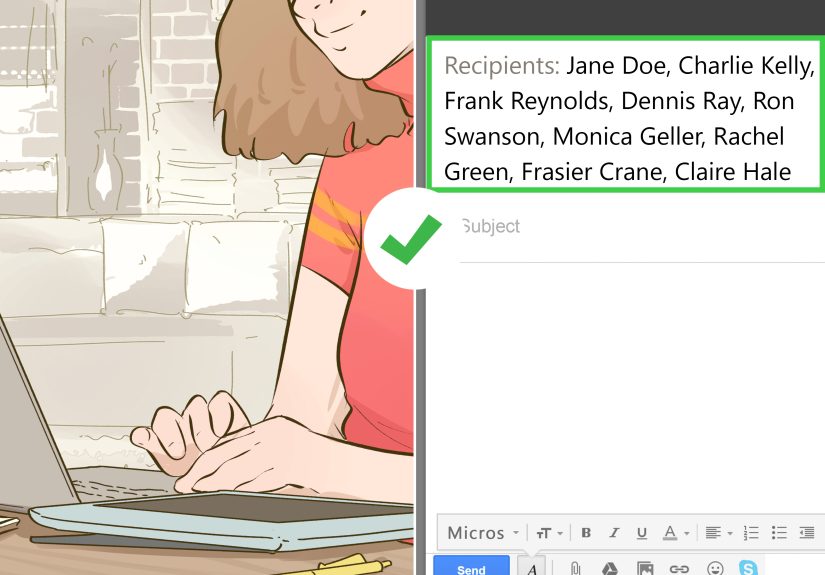
If you are sending the letter digitally or printing a large batch, tools like mail merge can help insert names, departments, customer numbers, or locations automatically. That small detail can boost attention and make the reader feel like the message was meant for a person, not a pile of envelopes.
11. Proofread like your reputation depends on it
Because sometimes it does. A circular letter often goes to many people at once, which means one typo can reproduce faster than office gossip. Proofreading matters for spelling, grammar, dates, names, addresses, links, and consistency.
Read the letter once for clarity, once for accuracy, and once aloud for tone. Reading aloud helps catch awkward phrasing that your eyes may forgive. It is also an excellent way to discover that your “brief and polished announcement” somehow became three paragraphs of formal oatmeal.
12. Review the reader experience before sending
Before you hit print or send, step back and read the letter like a recipient. Ask yourself:
- Is the purpose obvious right away?
- Are the key details easy to find?
- Does the tone fit the audience?
- Is the next step clear?
- Would I understand this quickly if I knew nothing about the issue?
This final check is where good circular letters become great ones. Writing is important, but usability is what makes communication effective.
Simple Example of a Circular Letter
Here is a short example of how the final message might sound:
Dear Customers,
We are pleased to announce that our Elm Street store will reopen on August 10 after a full renovation. The updated location includes expanded weekend hours, faster checkout counters, and a larger home office section.
Beginning August 10, the store will be open Monday through Saturday from 9:00 a.m. to 8:00 p.m. and Sunday from 10:00 a.m. to 6:00 p.m. We invite you to visit during reopening week to enjoy special in-store discounts.
Thank you for your continued support. If you have questions, please contact our customer service team at the number listed on our website.
Sincerely,
Store Manager
It is clear, brief, relevant, and action-oriented. No drama. No fluff. No sentence that sounds like it was assembled in a boardroom thunderstorm.
Common Mistakes to Avoid
- Being too vague: If readers cannot tell what changed, the letter fails.
- Using overly formal language: Professional does not mean robotic.
- Writing huge paragraphs: Walls of text make readers disappear emotionally.
- Forgetting the call to action: The message should lead somewhere.
- Ignoring audience needs: Different readers need different emphasis.
- Skipping proofreading: Tiny errors look much bigger in mass communication.
Why These 12 Steps Work
These steps work because they match how people actually read business communication. Most readers want clarity, speed, and relevance. They want to know what is happening, why it matters, and what they should do next. A well-written circular letter respects that reality.
It also protects your brand. Whether you are a company, school, clinic, nonprofit, or local shop, your written communication shapes how people see you. A strong circular letter makes you look organized, thoughtful, and trustworthy. A weak one makes you look like your printer is running the business.
Practical Experiences and Lessons From Writing Circular Letters
One of the biggest lessons people learn when writing circular letters is that the writer usually knows too much. That may sound strange, but it happens all the time. The person drafting the letter understands the background, the meetings, the emails, the reasons, and the timeline. The reader knows almost none of that. Because of this gap, many circular letters accidentally skip the basics and jump straight into details. In practice, the best results happen when writers pretend the reader is hearing the news for the first time. That mindset forces the message to become clearer and more useful.
Another common experience is discovering that tone matters more than expected. A price increase letter, for example, can sound respectful and honest, or it can sound cold and dismissive. A school update can feel reassuring, or it can feel confusing and tense. In real situations, readers often react not only to the information itself, but also to the way it is presented. Writers who acknowledge the reader’s perspective usually get better responses. Even a simple line such as “We understand this change may require planning on your part” can make a letter feel far more thoughtful.
Writers also learn quickly that shorter is usually better, but only if the important details remain intact. Many people try to keep a circular letter brief by removing context, dates, or instructions. That creates a new problem: the letter becomes short but unhelpful. The real skill is not just making the message shorter. It is making the message tighter. That means removing repetition, filler, and unnecessary background while keeping the facts readers actually need.
In business settings, personalization often makes a bigger difference than people assume. Even when the core message is the same, adding a customer name, department name, or local office detail can increase attention. Recipients are more likely to read a letter carefully when it feels directly relevant to them. This is especially true for announcements involving billing, appointments, service changes, or invitations.
Finally, experienced writers almost always talk about proofreading horror stories. The wrong date, the wrong branch address, a broken link, or one missing word can create confusion for hundreds of recipients at once. That is why strong writers slow down at the end. They double-check names, timing, formatting, and calls to action. It may not feel glamorous, but it saves embarrassment and follow-up chaos later. In the real world, the best circular letters are rarely the fanciest. They are the clearest, kindest, and most reliable ones.
Conclusion
If you want to write a circular letter that actually works, focus on clarity, structure, audience, and action. Start with the purpose, lead with the main point, keep the tone professional and human, and end with a clear next step. That formula works whether you are announcing a new office, updating a policy, inviting customers to an event, or sending a goodwill message.
In short, a circular letter is not just a mass message. It is a trust-building tool. When it is written well, it saves time, reduces confusion, and helps your audience respond with confidence. And honestly, that is a lot more impressive than writing three paragraphs that sound like they escaped from a dusty filing cabinet.