Table of Contents >> Show >> Hide
- Why This Dish Became “The” Classic
- Classic Green Bean Casserole Ingredients
- Step-by-Step: How to Make Classic Green Bean Casserole
- Flavor and Texture Secrets (So It Tastes Like the Best Version of Itself)
- Classic Variations (Without Starting a Family Debate)
- Make-Ahead, Storage, and Reheating
- Serving Ideas
- Troubleshooting: Quick Fixes for Common Casserole Problems
- of Classic Green Bean Casserole Experiences
- Conclusion
- SEO Tags
There are two kinds of holiday people: the ones who plan… and the ones who show up with a casserole dish and
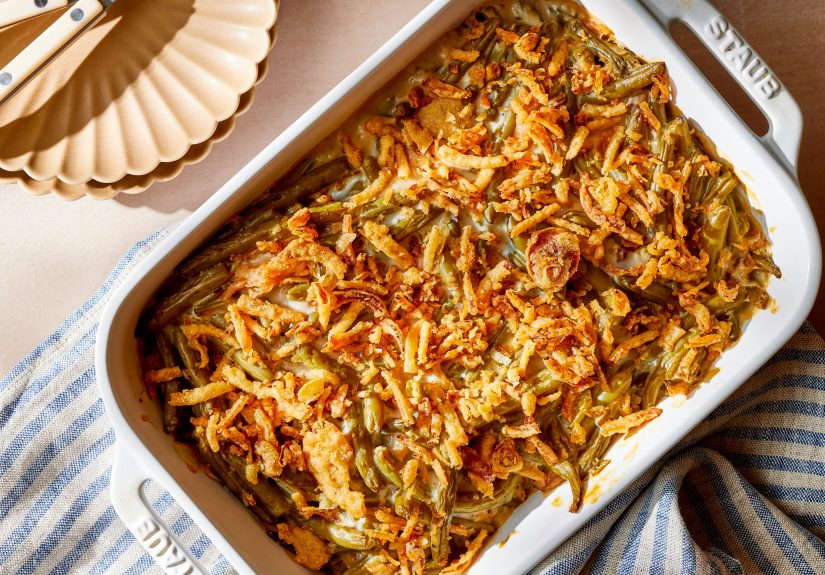
a smile that says, “I brought the tradition.” This classic green bean casserole is that traditioncreamy, savory,
a little salty, and crowned with a crispy onion topping that somehow disappears faster than the dinner rolls.
This recipe is a practical, real-kitchen synthesis of the best tips from well-known U.S. test kitchens and food
editorsthink the original classic method plus smart tweaks for better texture, better flavor, and fewer
“why is it watery?” moments.
Why This Dish Became “The” Classic
Green bean casserole is iconic because it’s built on pantry math: tender green beans + creamy mushroom sauce +
crunchy onions = comfort. It’s also forgiving. Forgot to preheat? It forgives. Cousin brings a “new twist” that
involves raisins? This dish politely distracts everyone.
The flavor profile is simple but satisfying: mushrooms bring earthiness, dairy smooths the edges, and that little
hit of umami (hello, soy sauce) makes it taste like you worked harder than you did. Which is the true meaning of
holiday magic.
Classic Green Bean Casserole Ingredients
This is the traditional, old-school versionfast, nostalgic, and designed for real life. Below you’ll see a few
“choose-your-own-adventure” options so you can keep it classic and make it taste like you meant to do that.
What you’ll need (serves 6–8)
- Green beans: 4 cups cooked cut green beans or 2 cans (14.5–15 oz each) cut green beans, well-drained
- Cream of mushroom soup: 1 can (10.5 oz) condensed cream of mushroom soup
- Milk: 1/2 cup (any milk works; whole milk = richer)
- Soy sauce: 1 teaspoon (small amount, big flavor)
- Black pepper: 1/8 to 1/4 teaspoon, to taste
- Crispy fried onions: 1 1/3 cups, divided (about one standard small can)
Optional but honestly excellent
- Worcestershire sauce: 1–2 teaspoons (adds depth)
- Cheddar cheese: 1/2 cup shredded (for a mild, cozy “cheesy casserole” vibe)
- Slivered almonds: 2–3 tablespoons (extra crunch and a retro nod)
Which green beans should you use?
Canned: Most “classic” and fastest. Drain them really well to avoid a soupy casserole.
Frozen: Great middle ground. Thaw, drain, and pat dryfrozen beans can carry extra water.
Fresh: Best snap and brightest flavor. Blanch first (quick boil), then cool and dry. More work,
but still very doableand it tastes like you have your life together.
Step-by-Step: How to Make Classic Green Bean Casserole
1) Prep your oven and dish
Preheat your oven to 350°F. Lightly grease a 1.5- to 2-quart casserole dish (or any
similarly sized baking dish).
2) Mix the creamy base
In a large bowl, stir together the condensed cream of mushroom soup, milk, soy sauce, and black pepper until smooth.
If you’re using Worcestershire sauce and/or cheese, add them here.
3) Add the beans and some onions
Fold in the green beans until everything is evenly coated. Stir in about 2/3 cup of the crispy fried
onions (this seasons the casserole from the inside).
4) Bake until bubbly
Spoon the mixture into your prepared dish. Bake for 25 minutes, or until it’s hot and bubbling at
the edges. (If your dish is deeper or your casserole was chilled, it may take a little longer.)
5) Top and finish
Remove from the oven, give the center a quick stir (optional but helps even heat), then sprinkle the remaining crispy
fried onions over the top. If using slivered almonds, add them now too.
Bake for 5–10 minutes more, just until the topping is golden and crisp. Watch closelycrispy onions
can go from “perfect” to “campfire story” faster than you’d think.
Flavor and Texture Secrets (So It Tastes Like the Best Version of Itself)
Drain like you mean it
The #1 reason casseroles get watery is excess moisture. Drain canned beans thoroughly. For frozen beans, thaw, drain,
and pat dry. For fresh beans, blanch briefly and dry well.
Put the crispy topping on at the end
If you bake the onions the whole time, they’ll soften and lose their crunch. Adding them at the end keeps that
satisfying crispy top layerthe part everyone “accidentally” takes extra of.
Umami = the quiet hero
That teaspoon of soy sauce is tiny but powerful: it rounds out the mushroom flavor and makes the casserole taste
more “savory” than “just creamy.” Worcestershire sauce does a similar job with a slightly tangier profile.
Season carefully
Condensed soups vary in saltiness. Taste the sauce base before mixing in beans. Often, pepper is enough; salt may not
be needed at all (especially if your beans are salted).
Classic Variations (Without Starting a Family Debate)
“A little fancier” classic
Sauté sliced mushrooms in butter until they release moisture and brown, then stir them into the sauce. You get deeper
mushroom flavor without turning this into a three-hour culinary project.
Cheesy green bean casserole
Add 1/2 cup shredded cheddar (or a mix of cheddar and Monterey Jack). Keep it modestthis is green bean casserole, not
queso dip (though that does sound emotionally supportive).
Fresh-bean upgrade (still recognizable)
Use fresh blanched green beans and add a pinch of nutmeg to the sauce. It stays “classic,” just brighter and a bit more
special-occasion.
Gluten-aware swaps
Choose a gluten-free condensed soup and gluten-free crispy onion topping. Texture stays classic; stress level stays low.
Make-Ahead, Storage, and Reheating
Make-ahead strategy (best for crunch)
Assemble the casserole without the final crispy onion topping. Cover and refrigerate up to 24 hours.
Bake as directed, then add the onions at the end so they stay crisp.
Leftovers
Refrigerate leftovers in an airtight container for 3–4 days. Reheat in the oven at 350°F until warmed through.
If you can, sprinkle a fresh handful of crispy onions on top right before servinginstant texture revival.
Freezing (possible, but not perfect)
You can freeze the casserole base (without the onion topping). Texture may soften after thawing, especially if you used
canned beans. For best results, use fresh or frozen beans and add the topping only after baking.
Serving Ideas
- Holiday classic: Serve alongside roast turkey, ham, or roast chicken.
- Weeknight comfort: Pair with rotisserie chicken and mashed potatoes.
- Potluck win: Bring extra crispy onions in a bag and top it right before serving (people will think you’re a wizard).
Troubleshooting: Quick Fixes for Common Casserole Problems
“It’s watery.”
Next time: drain beans more thoroughly and avoid adding extra liquid. For now: bake a bit longer uncovered to let
moisture evaporate, then rest 10 minutes before serving so it thickens slightly.
“The top isn’t crispy.”
Add a fresh layer of crispy onions and bake 3–5 minutes more. If you have a broiler, use it briefly and watch
like a hawk.
“It tastes flat.”
Add a pinch more black pepper, a tiny splash of soy sauce or Worcestershire, or fold in sautéed mushrooms. A little
savoriness wakes up the whole dish.
of Classic Green Bean Casserole Experiences
Every family has that one dish that shows up like it owns the place. In a lot of American kitchens, green bean casserole
is the reliable friend who arrives early, helps set the table, and somehow still gets the best seat. It’s not flashy.
It doesn’t ask for applause. It just sits there bubbling gently, wearing a crunchy onion crown, quietly confident that
at least three people are going back for seconds.
The funny thing is how personal a “simple” casserole can get. Some households treat the original version like a sacred
text: canned beans only, one specific brand of condensed mushroom soup, and the onions must be sprinkled with the
precision of a jeweler setting stones. Other households “customize” it every yearextra cheese, extra mushrooms,
water chestnuts for crunch, almonds for nostalgia, bacon for obvious reasons. And somehow, everyone claims their version
is the only correct one, even though the dish was basically invented to be quick, easy, and flexible.
The best green bean casserole moments often happen in the margins. Like when someone sneaks into the kitchen “to get a
glass of water” and returns suspiciously satisfied, crumbs of crispy onions giving them away. Or when the cook pulls
the casserole out of the oven and the top is just the right shade of golden, and for a brief second the entire room
agrees on something. Even the picky eater who avoids vegetables will suddenly treat green beans like they’re a vehicle
for creamy mushroom saucewhich, to be fair, they absolutely are.
There’s also a specific kind of holiday relief baked into this recipe. When the main course is complicated and the
schedule is tight, green bean casserole is the low-drama side dish that refuses to panic. It doesn’t need fancy
equipment. It doesn’t demand precision timing. It just needs heat, a dish, and a few pantry staples that most grocery
stores stack like it’s a seasonal sport. You can make it early, reheat it later, and it still comes out tasting like
the holidayscozy, familiar, and a little indulgent.
And maybe that’s why it sticks around. Not because it’s trendy, but because it’s dependable. It tastes like potlucks,
family tables, “grab a plate,” and “don’t forget to eat.” It tastes like the moment when everyone finally sits down.
If you’ve ever watched a roomful of people relax after the first biteforks clinking, conversations restarting, someone
asking who made thisyou already know. Green bean casserole isn’t just a recipe. It’s a little edible tradition
that says, “You’re home.”
Conclusion
The best classic green bean casserole is creamy, savory, and topped with real crunchnot soggy onions and regret.
Drain your beans, keep the topping for the end, and don’t be afraid to add a small flavor booster like soy sauce or
Worcestershire. Whether you’re keeping it traditional or adding a gentle upgrade, this dish earns its spot on the table
because it’s easy, comforting, and reliably crowd-pleasing.