Table of Contents >> Show >> Hide
- The Short Answer: Dietitians Usually Recommend Lentils First
- Lentils vs. Chickpeas: Nutrition at a Glance
- Why Lentils Usually Get the Nod
- Where Chickpeas Absolutely Shine
- Which Is Better for Specific Health Goals?
- So Why Do Dietitians Still Say “Eat Both”?
- How to Eat More Lentils and Chickpeas Without Getting Bored
- A Few Things to Keep in Mind
- Real-Life Experiences: What This Choice Looks Like on an Actual Plate
- The Final Verdict
- SEO Tags
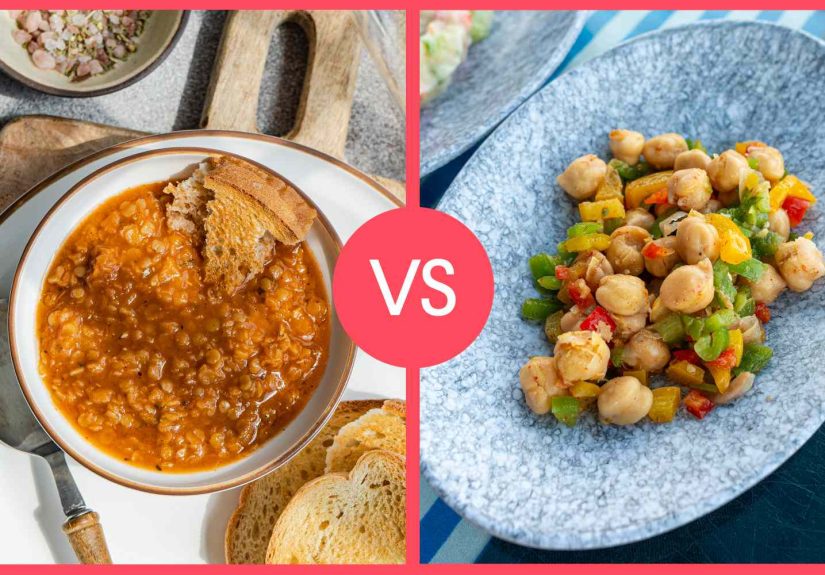
If lentils and chickpeas were competing in a nutrition decathlon, the final score would be hilariously close. Both are affordable, filling, fiber-rich, and worlds better than pretending a handful of crackers counts as lunch. But if you force dietitians to pick a winner, most would give lentils the slight edge.
That does not mean chickpeas are the runner-up in some tragic bean beauty pageant. They are still packed with plant protein, fiber, vitamins, and minerals. They make glorious hummus, crisp up beautifully in the oven, and can turn a salad from “side dish” to “actual meal” in seconds. Still, lentils often come out ahead because they usually deliver more protein and fiber for fewer calories, while also bringing strong amounts of iron and folate to the table.
So, which one should you eat? The honest answer is both. But if your goal is to choose the one dietitians recommend most often for everyday nutrition, satiety, and nutrient density, lentils usually win by a nose. Think of it as a photo finish, not a knockout.
The Short Answer: Dietitians Usually Recommend Lentils First
When nutrition experts compare lentils vs. chickpeas, they usually land on the same conclusion: both belong in a healthy diet, but lentils tend to pull ahead nutritionally. Per cooked cup, lentils generally offer more protein and more fiber than chickpeas, with fewer calories and less fat. That combination makes them especially attractive for people trying to eat more plant-based protein, feel full longer, support heart health, and keep blood sugar on steadier ground.
Chickpeas, however, are still a smart choice. They are satisfying, sturdy, and easy to use in everything from grain bowls to pasta dishes to crunchy snacks. If lentils are the practical overachiever, chickpeas are the charming all-rounder with a great social life.
Lentils vs. Chickpeas: Nutrition at a Glance
Nutrition numbers can vary a bit by brand, color, cooking method, and whether you are using canned or dried legumes. But in general, here is the big-picture comparison for 1 cooked cup:
| Nutrient | Lentils | Chickpeas |
|---|---|---|
| Calories | About 230 | About 269 |
| Protein | About 18 g | About 14.5 g |
| Fiber | About 15.5–16 g | About 12.5 g |
| Fat | Less than 1 g | About 4 g |
| Carbohydrates | About 40 g | About 45 g |
| Folate | Typically higher | High, but usually lower than lentils |
| Iron | Usually higher | Strong source, but typically a bit lower |
That is why the nutrition conversation often bends toward lentils. More protein. More fiber. Fewer calories. It is a very dietitian-looking résumé.
Why Lentils Usually Get the Nod
1. They pack more protein per calorie
If you are trying to eat more plant-based protein without adding a lot of extra calories, lentils are hard to beat. They give you a strong protein boost for soups, salads, grain bowls, and veggie patties, and they do it without much fat. That makes them especially useful for people focused on fullness, muscle support, or simply building meals that do not leave them raiding the pantry an hour later.
2. They are fiber superstars
Lentils are one of those rare foods that make dietitians light up like they just found a parking spot right in front of the store. Why? Fiber. A cooked cup of lentils can deliver roughly half of the daily fiber target for many adults. Fiber supports digestion, helps keep you full, and can play a role in healthier cholesterol and blood sugar levels. Chickpeas are also rich in fiber, but lentils usually offer more.
3. They are lower in calories and fat
Chickpeas are not “high-fat” by any stretch, and the fat they contain is mostly unsaturated. Still, lentils are leaner. For someone comparing two nutritious foods and looking for the one with the best protein-and-fiber-to-calorie ratio, lentils often come out ahead.
4. They often edge out chickpeas in folate and iron
Lentils are especially well known for folate, a B vitamin that matters for cell function and is particularly important during pregnancy. They also provide iron, which helps move oxygen through the body. Plant-based iron is not absorbed as easily as the iron in meat, but pairing lentils with vitamin C-rich foods like tomatoes, bell peppers, lemon juice, or citrus can help your body absorb more of it.
5. They are fast and easy to cook
Here is a practical reason dietitians love lentils: they do not require the level of planning usually associated with adulthood. Many lentils cook faster than dried chickpeas and often do not need soaking. Red lentils can be weeknight heroes. Brown and green lentils hold their shape nicely in salads and soups. Black lentils bring a firmer bite and a dramatic flair. Very versatile. Very little drama.
Where Chickpeas Absolutely Shine
They are wildly versatile
Chickpeas can do it all. Toss them into salads, mash them into sandwiches, blend them into hummus, roast them until crunchy, stir them into soups, or add them to curry. Their nutty flavor and firmer texture make them easy to love, especially for people who are not thrilled by softer legumes.
They are satisfying in a different way
Chickpeas have a bit more fat and a denser texture, which can make them feel especially satisfying in meals. If lentils are the efficient overachiever, chickpeas are the friend who somehow makes healthy eating feel relaxed and delicious.
They still bring serious nutrition
Chickpeas offer plenty of fiber, a good amount of protein, and helpful minerals like iron, magnesium, and potassium. They also fit beautifully into Mediterranean-style and plant-forward eating patterns. In other words, losing to lentils in a close race is not exactly a nutritional tragedy.
Which Is Better for Specific Health Goals?
For weight management
Lentils usually have the edge because of their lower calorie count and higher protein-and-fiber combo. That can help with satiety, which is a fancy nutrition word for “I ate lunch and did not immediately start thinking about cookies.”
For blood sugar support
Both are smart choices because they contain fiber and slow-digesting carbohydrates. Lentils may have a slight advantage thanks to their resistant starch and fiber profile, but chickpeas are also considered a low-glycemic, blood-sugar-friendly legume when eaten in sensible portions.
For heart health
This one is basically a tie. Both lentils and chickpeas can support heart health as part of an overall healthy eating pattern. Their fiber content may help with cholesterol management, and replacing some red or processed meat with legumes is a classic dietitian move.
For gut health
Again, both deserve applause. Fiber and resistant starch can help nourish beneficial gut bacteria. If your digestive system is not used to high-fiber foods, start with smaller portions and increase gradually. Your gut likes surprises far less than food writers do.
For pregnancy-friendly nutrition
Lentils often stand out because they are especially rich in folate. Chickpeas still contribute, but lentils are often the more celebrated choice in this category.
So Why Do Dietitians Still Say “Eat Both”?
Because nutrition is not a game where one food has to wear a crown and the other gets escorted off the stage. Dietitians care about patterns, not just point totals. A healthy diet works better when it is realistic, affordable, enjoyable, and varied. If you love chickpeas and tolerate them well, they belong on your plate. If lentils are easier to cook and fit better into your budget, fantastic. If you enjoy both, congratulations: you have solved lunch.
Variety matters for practical reasons, too. Different legumes offer slightly different nutrient profiles, textures, and uses. Lentils might star in soup on Monday, while chickpeas carry Wednesday’s grain bowl and Friday’s hummus snack board. Everybody wins, especially your grocery budget.
How to Eat More Lentils and Chickpeas Without Getting Bored
Easy ways to use lentils
- Stir cooked lentils into soup for extra body and protein.
- Use them as a taco filling with onions, cumin, and salsa.
- Add them to salads with feta, herbs, and lemon vinaigrette.
- Swap some ground meat in pasta sauce or chili for lentils.
- Blend red lentils into curry or dal for a cozy, high-fiber dinner.
Easy ways to use chickpeas
- Roast them with olive oil and spices for a crunchy snack.
- Blend them into hummus or spread them onto toast with herbs.
- Toss them into salads, grain bowls, or sheet pan dinners.
- Add them to soups and stews for texture.
- Mash them with avocado, lemon, and salt for a quick sandwich filling.
Pro tip: canned versions are convenient and still nutritious. Rinse them well to wash off some of the excess sodium and starchy liquid. Dried versions are often cheaper, but canned legumes are a lifesaver on nights when your motivation has left the building.
A Few Things to Keep in Mind
If you are new to legumes, jumping from “almost none” to “three giant bowls a day” may lead to some digestive pushback. Increase fiber gradually, drink enough water, and let your gut adapt. It usually gets better with time.
People with certain digestive conditions, kidney disease, or special nutrition needs may need more personalized guidance. And if iron is a concern, remember that plant iron is absorbed better when paired with vitamin C-rich foods. A squeeze of lemon over lentils or chickpeas is not just delicious; it is a smart move.
Real-Life Experiences: What This Choice Looks Like on an Actual Plate
In real life, the lentils-versus-chickpeas question usually has less to do with a lab chart and more to do with a Tuesday night. Someone gets home hungry, opens the pantry, and asks the eternal question: “What can I make that is healthy, filling, cheap, and does not require a motivational speech?” That is where lentils often become the dietitian favorite. They cook quickly, they bulk up soups and stews, and they make a meal feel complete without much effort. People who start adding lentils to lunch often notice the same thing: they stay full longer, snack less mindlessly, and stop treating 3 p.m. like a personal challenge from the vending machine.
Chickpeas, though, tend to win the popularity contest at first bite. They are easy to toss into a salad without changing the whole meal. They can be roasted for crunch, blended into hummus, or stirred into pasta with almost no fuss. For many people, chickpeas are the gateway legume. They feel familiar, approachable, and less “I am trying to be healthy” than lentils sometimes do. Someone who would never voluntarily meal-prep a pot of lentils might happily eat chickpeas three times a week without even thinking about it. That matters, because the healthiest food is often the one you will actually eat on purpose.
Then there is the budget angle, and legumes are basically financial advisors in edible form. Families trying to stretch groceries often find that lentils are one of the cheapest ways to add protein and fiber to meals. A bag can turn into several dinners, and a small amount goes a long way. Chickpeas are also budget-friendly, especially canned, but lentils tend to feel more efficient if your goal is maximum nutrition per dollar. For students, busy parents, and anyone who has recently stared at grocery prices with the intensity of a detective, that efficiency is no small thing.
Texture plays a bigger role than nutrition charts like to admit. Some people genuinely love the soft, earthy quality of lentils in soups or curries. Others think lentils look like they are trying a little too hard to be practical. Chickpeas, on the other hand, have that sturdy bite people enjoy in salads and grain bowls. This is why plenty of dietitians recommend using both strategically. Lentils are great when you want comfort, softness, and speed. Chickpeas are great when you want structure, chew, and versatility. It is less a rivalry and more a tag team.
The most interesting experience people report is how quickly these foods shift from “healthy ingredient” to “normal pantry staple.” At first, someone buys lentils because they read they are high in fiber. A month later, they are tossing them into soup without consulting the internet. Same with chickpeas: one tub of homemade hummus turns into roasted chickpeas, then chickpea salad, then a habit. That is really the point. Dietitians may recommend lentils most for the slightly stronger nutrition profile, but long-term success usually comes from building a routine you enjoy. If lentils are the star player and chickpeas are the fan favorite, your healthiest move is to make room for both and let them take turns saving dinner.
The Final Verdict
Both lentils and chickpeas are healthy. Both are nutrient-dense legumes with protein, fiber, and plenty of everyday benefits. But if you are asking which one dietitians usually recommend most, the answer is usually lentils.
The reason is simple: lentils typically provide more protein and fiber with fewer calories, while also delivering standout amounts of folate and iron. Chickpeas are still a fantastic choice, especially if you love their taste and texture or want a legume that can go from salad topper to hummus hero without breaking a sweat.
So the smart takeaway is this: choose lentils when you want the slightly stronger nutritional profile, choose chickpeas when they fit the meal better, and keep both in your kitchen if you want healthy eating to be affordable, filling, and a whole lot less boring.