


Table of Contents >> Show >> Hide
If your knees suddenly sound like a bowl of breakfast cereal snap, crackle, and pop right around the time your periods start spacing out, you’re not imagining things. Joint pain during menopause is very real, very common, and very annoying. The good news? It’s usually manageable once you understand what’s going on and which treatments actually help.
Menopause joint pain isn’t just “getting old” or “being out of shape.” Hormonal changes, especially falling estrogen levels, can affect cartilage, ligaments, muscles, and even how your brain processes pain. On top of that, conditions like osteoarthritis, autoimmune disease, or fibromyalgia can show up or worsen around midlife, making it hard to tell what’s “just menopause” and what needs deeper investigation.
This guide walks you through common causes of menopause joint pain, how to tell when it’s something more serious, and the full menu of treatment options from lifestyle changes and over-the-counter medications to hormone therapy and physical therapy. We’ll also share real-world experiences to help you feel less alone while your joints negotiate their new normal.
What is menopause joint pain?
Menopause is officially defined as going 12 months without a period, but the joint pain often starts earlier, during perimenopause, when hormones are fluctuating wildly. Many women describe new or worsening aches in the:
- Knees and hips
- Hands and fingers (especially in the morning)
- Neck and shoulders
- Lower back and feet
The pain can feel stiff, achy, or “rusty,” often worse after sitting for a while or first thing in the morning. Some women feel generalized body aches rather than one specific painful joint.
How common is joint pain during menopause?
Musculoskeletal pain is reported by more than half of women around the time of menopause, with many first noticing symptoms between ages 45 and 55. Joint pain often gets lumped together with “I’m just tired and getting older,” so it’s under-reported. But research suggests that joint aches are one of the more frequent and under-discussed menopause symptoms.
Health organizations like major menopause societies and large medical centers recognize joint aches, stiffness, and muscle pain as part of the broader symptom cluster that can show up with hot flashes, sleep changes, mood shifts, and more.
What does menopause joint pain feel like?
While every body is different, women commonly describe:
- Stiffness on waking that eases once you “get moving.”
- Achy joints after inactivity, like a long car ride or desk day.
- Mild swelling or tenderness, but often without dramatic redness or warmth.
- Symmetrical pain in both sides of the body (for example, both knees or both hands).
The pain can be mild and annoying, or strong enough to interfere with exercise, household tasks, or sleep. If you already have osteoarthritis, you might notice a definite “bump” in pain intensity as you transition through menopause.
Why does menopause cause joint pain?
Menopause doesn’t come with a single villain, but estrogen does play a leading role. The drop in estrogen affects joint tissue, inflammation, muscle mass, and bone health, all of which influence how your joints feel.
Estrogen’s role in joint health
Estrogen receptors are found throughout the body, including in cartilage, ligaments, and the lining of joints. Estrogen has anti-inflammatory effects and may help maintain the smooth, cushioned surfaces that let joints move comfortably. When estrogen levels fall during perimenopause and menopause, several things can happen:
- Inflammatory processes may increase, making joints more sensitive and stiff.
- Cartilage may break down faster, especially in weight-bearing joints like hips and knees.
- Bone density declines, raising the risk of osteoporosis and fractures over time.
Researchers have found that postmenopausal women have higher rates of osteoarthritis and faster cartilage loss compared with premenopausal women, suggesting that sex hormones are important in maintaining joint health over the long term.
Other contributors: It’s not just hormones
Menopause happens at the same time as several other life changes that can affect joint pain:
- Aging and wear-and-tear: Years of using your joints walking, lifting kids, climbing stairs, doing your job add up. Menopause often coincides with the stage of life when osteoarthritis naturally shows up.
- Weight changes: Some women gain weight in midlife, and every extra pound can put additional pressure on weight-bearing joints.
- Muscle loss (sarcopenia): Lower estrogen makes it harder to build and maintain muscle, which normally supports and stabilizes joints.
- Sleep and mood changes: Poor sleep and anxiety or depression can lower your pain tolerance and make aches feel worse.
- Underlying conditions: Rheumatoid arthritis, fibromyalgia, or autoimmune disorders can emerge or flare in midlife and sometimes get mistaken for “just menopause.”
- Surgical menopause: When the ovaries are removed (oophorectomy), hormones drop suddenly, and joint pain can come on more abruptly and intensely.
Because so many factors overlap, it’s important not to assume all joint pain is “normal menopause.” A proper evaluation helps rule out treatable joint diseases and guides the best treatment plan.
When to see a doctor about menopause joint pain
Mild, occasional stiffness that improves with gentle movement may be safe to tackle with self-care at first. But you should see a healthcare professional if you notice:
- Joint pain that is severe, persistent, or getting worse over weeks or months.
- Significant swelling, warmth, or redness in one or more joints.
- Joint deformity or visible changes in joint shape.
- Sudden pain after an injury or fall.
- Morning stiffness that lasts longer than about an hour.
- Associated symptoms like fevers, unexplained weight loss, rash, or extreme fatigue.
These may signal inflammatory arthritis, infection, or another serious condition that needs more than lifestyle tweaks or over-the-counter pain relievers. A doctor can order imaging or blood tests to clarify what’s going on.
Treatment options for menopause-related joint pain
The best treatment plan usually combines several strategies rather than relying on one “magic” therapy. Think of it as building your own toolkit some tools you’ll use daily, others only when pain flares.
Lifestyle changes: The non-negotiable foundation
Lifestyle adjustments won’t cure every ache, but they can meaningfully reduce pain and keep you functioning at your best.
1. Move regularly (even when you don’t feel like it)
Exercise is one of the most effective treatments for menopause joint pain. It strengthens the muscles that support your joints, improves lubrication inside the joint, and helps manage weight and mood.
- Low-impact cardio: Walking, cycling, swimming, or using an elliptical a few days a week.
- Strength training: Light weights or resistance bands 2–3 times per week to build muscle around key joints.
- Flexibility and balance: Yoga, Pilates, or tai chi to keep joints mobile and reduce fall risk.
The key is consistency, not perfection. Even 10- to 15-minute movement “snacks” spread through the day can help.
2. Eat an anti-inflammatory pattern
While no single food cures joint pain, eating a pattern rich in fruits, vegetables, whole grains, healthy fats (like olive oil and fatty fish), and lean protein may help calm inflammation and support muscle and bone health.
Many women find that limiting ultra-processed foods, sugary drinks, and excess alcohol makes them feel better overall and your joints usually appreciate anything that supports a healthy weight and less systemic inflammation.
3. Prioritize sleep and stress management
Pain feels worse when you’re exhausted or stressed. Perimenopause can disrupt sleep with night sweats and insomnia, making joint pain feel more intense. Relaxation techniques, cognitive behavioral strategies for insomnia, and, when appropriate, treatment for hot flashes can all indirectly improve joint pain by improving sleep and coping.
Over-the-counter and prescription medications
Medications don’t fix the underlying hormonal shift, but they can make pain more tolerable so you can keep moving and functioning.
- Acetaminophen (Tylenol): Often used for mild to moderate pain, especially if anti-inflammatory drugs aren’t a good fit. Always stay within recommended daily limits to protect the liver.
- Nonsteroidal anti-inflammatory drugs (NSAIDs): Ibuprofen or naproxen can help with inflammation-related pain but can irritate the stomach and affect kidneys or blood pressure if used frequently or in high doses.
- Topical NSAIDs and creams: Gels or creams applied directly to sore joints can provide relief with less systemic exposure.
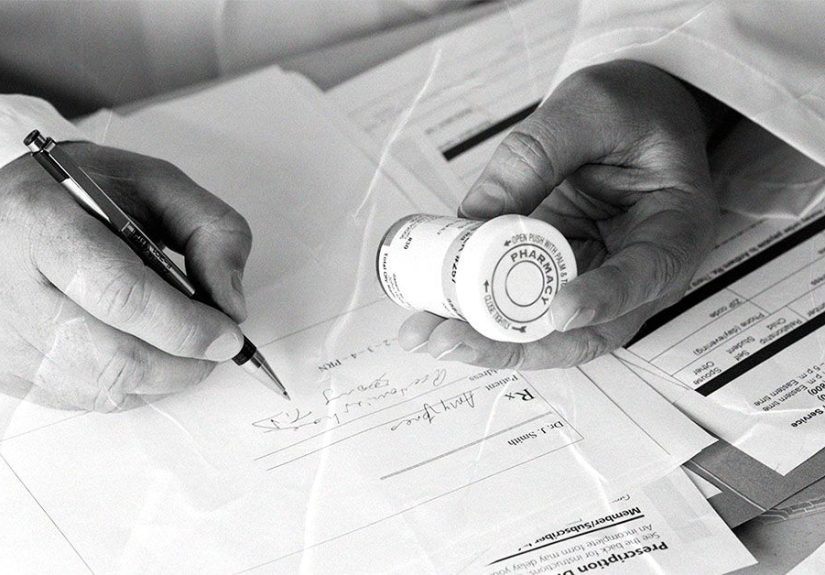
- Short-term prescription medications: In some cases, a provider may use prescription-strength NSAIDs, muscle relaxants, or medications used for nerve-related or chronic pain.
Always check in with a healthcare professional before using NSAIDs regularly, especially if you have heart, kidney, or gastrointestinal issues.
Hormone therapy for menopause joint pain
Menopausal hormone therapy (also called hormone replacement therapy or HRT) may help some women with joint aches, especially when pain is part of a larger cluster of menopause symptoms like hot flashes, night sweats, and sleep disturbance.
Evidence suggests estrogen therapy can:
- Reduce inflammation and joint stiffness in some women.
- Support bone density, lowering fracture risk later in life.
- Improve overall quality of life when bothersome menopausal symptoms are present.
Current expert statements emphasize that, for healthy women younger than 60 or within about 10 years of menopause onset, the benefits of systemic hormone therapy often outweigh the risks when used for significant symptoms.
However, hormone therapy is not right for everyone. Risks can include blood clots, stroke, and breast cancer, and they vary depending on age, type of hormone, dose, and whether you’ve had a uterus removed. Recent regulatory changes have updated how these risks are communicated on product labels, but professional groups still stress individualized decision-making rather than one-size-fits-all answers.
If you’re curious whether hormone therapy could help your joint pain, talk with a clinician familiar with up-to-date menopause guidelines. They’ll review your personal and family history to help you weigh pros and cons.
Non-hormonal prescription options
For women who cannot or do not want to use hormone therapy, other treatments may help:
- Certain antidepressants (such as SNRIs) that can reduce some types of chronic pain and also help with mood.
- Medications used for nerve or centralized pain (for example, for fibromyalgia) when diffuse body pain is a major issue.
- Medications specifically targeting inflammatory arthritis or autoimmune disease if those conditions are diagnosed.
These drugs are usually prescribed by primary care clinicians, rheumatologists, pain specialists, or neurologists, depending on the underlying diagnosis.
Physical therapy and other supportive therapies
Physical therapy can be a game-changer. A physical therapist can:
- Assess your posture, gait, and muscle imbalances.
- Teach joint-friendly strengthening and stretching routines.
- Offer strategies to protect joints during daily activities.
Many women also find relief with:
- Heat or cold packs
- Warm baths or pool therapy
- Massage or myofascial release
- Gentle yoga or tai chi classes tailored for midlife bodies
While evidence for some complementary options (like acupuncture or herbal supplements) is mixed, reasonable, supervised use alongside conventional treatment can be part of a holistic plan if your clinician agrees.
Self-care strategies you can start today
While you’re waiting for appointments or lab results, there are practical steps you can take right now:
- Set reminders to stand up and stretch every 45–60 minutes if you sit a lot.
- Do gentle range-of-motion exercises for sore joints in the morning and evening.
- Use supportive shoes with good cushioning for walking and daily tasks.
- Try a warm shower or heating pad on stiff joints, followed by light movement.
- Keep a simple symptom journal to notice patterns: which joints hurt, what you did that day, how you slept.
This kind of tracking helps you and your clinician see whether treatments are working and whether there might be triggers you can modify.
Questions to ask your healthcare provider
To make the most of your visit, consider bringing this list (and your symptom journal):
- Could my joint pain be related to menopause, or should we look for another cause?
- Do I need imaging or blood tests to rule out arthritis or autoimmune disease?
- What lifestyle changes would you prioritize for my situation?
- Are over-the-counter medications safe for me, and how should I use them?
- Am I a candidate for hormone therapy? If so, what type, dose, and duration do you recommend?
- Should I see a physical therapist, rheumatologist, or pain specialist?
A collaborative conversation helps you feel more in control of your treatment plan, rather than just “living with it.”
Real-world experiences with menopause joint pain
Research and guidelines are essential, but lived experience often tells the story in a way charts never can. While everyone’s journey is different, many women go through similar phases as they figure out what works for their joints during menopause.
One common theme is confusion at the beginning. A woman might notice that her hands ache when she opens jars, her knees feel stiff going down stairs, or her hips protest after sitting through a movie. At first, it’s easy to blame a new workout, a long drive, or “sleeping funny.” Only when these aches become a daily background noise does the connection with perimenopause start to click.
Another frequent pattern is the “activity rollercoaster.” On good days, you might try to make up for lost time long walks, big house projects, intense exercise classes. Then your joints revolt the next day, leaving you limping, frustrated, and tempted to give up movement altogether. Finding a sustainable middle ground consistent but moderate activity becomes a turning point for many women.
Some women describe a “lightbulb moment” after talking with a clinician who understands menopause. Having someone say, “Yes, joint pain is a recognized menopause symptom, and no, you’re not crazy,” can be incredibly validating. It shifts the story from “my body is falling apart” to “my body is changing, and I can work with it.”
Hormone therapy is another area where experiences vary widely. One woman might notice a clear decrease in morning stiffness a few months after starting estrogen under medical guidance. Someone else might feel no difference in their joints but better sleep and fewer hot flashes, which still indirectly improves pain. A third might decide, after reviewing personal risk factors, that hormone therapy isn’t the right fit and instead focus on physical therapy, strength training, and weight management. The “right” choice is highly individual, and it often evolves over time as symptoms change.
Social support also matters. Sharing what you’re going through with friends, a support group, or an online community can help you pick up practical tips like favorite low-impact workouts, joint-friendly shoes, or pain-management routines that fit into a busy life. It also reminds you that menopause is a stage, not a failure of willpower or toughness.
Many women ultimately report a new kind of body awareness. They learn which movements their joints love (like walking, swimming, or yoga) and which ones are more trouble than they’re worth. They get better at pacing breaking chores into chunks, alternating sitting and standing, using tools like rolling carts or ergonomic kitchen gear. They might invest in better mattresses or chairs, or say “no” to activities that consistently lead to flares.
It’s also common to discover that addressing joint pain opens the door to better overall health habits. Strength training for knee pain doubles as prevention for osteoporosis. Stretching for back stiffness becomes a mini mindfulness practice. Choosing anti-inflammatory meals for joint comfort leads to more energy and better blood sugar control. In this way, menopause joint pain, while frustrating, can become a catalyst for healthier routines that support you well into your 60s, 70s, and beyond.
Most importantly, you’re not required to “just deal with it.” Persistent pain is a signal, not a moral test. With a mix of medical guidance, movement, self-care, and sometimes medication or hormone therapy, many women find that their joints can stay mobile, strong, and surprisingly cooperative through menopause and the years that follow.
Menopause may change the way your joints feel, but it doesn’t have to steal the activities you love. With the right support and strategies, this stage can be less about creaking and more about recalibrating giving your body what it needs now, instead of what worked 20 years ago.