


Table of Contents >> Show >> Hide
- Before You Start: Safety and a 60-Second Shade Check
- The 10-Minute Routine: Dusting (The Best Cleaning You Can Do)
- How to Clean Fabric Lampshades (Cotton, Linen, Polyester Blends)
- How to Clean Pleated, Silk, or “Don’t Touch Me” Delicate Shades
- How to Clean Paper Lampshades (No Water, No Tears)
- How to Clean Glass and Plastic Lampshades (The “Yes, You Can Wash This” Category)
- Rattan, Wicker, Bamboo, and Textured Shades
- Troubleshooting: Common Lampshade Problems (and What Actually Helps)
- How Often Should You Clean Lampshades?
- Real-World Experiences: What People Learn When Cleaning Lampshades (500+ Words)
- Conclusion
Lampshades are the unsung heroes of your home. They soften harsh bulbs, make your room look expensive (even when it’s not),
andunfortunatelycollect dust like it’s their side hustle. If your lamp is starting to glow more “sad attic” than “cozy vibe,”
it’s probably time to clean the shade.
The trick is this: lampshade cleaning isn’t one-size-fits-all. A glass shade can handle a proper wash. A paper shade will disintegrate
if you look at it funny with a wet cloth. And fabric shades? They’re the middle childtougher than paper, pickier than glass.
Below is a practical, safe, and actually-doable guide to cleaning lampshades without warping them, staining them, or turning them into modern art.
Before You Start: Safety and a 60-Second Shade Check
- Unplug the lamp (or switch it off at the outlet) and let the bulb cool completely.
- Remove the shade if possible. Cleaning is easier when you’re not hugging a lamp base like a koala.
- Look for a care label or manufacturer notes (often on the inside rim). If it says “dry clean only,” believe it.
- Check construction: Is the fabric glued to the frame? Is there trim, fringe, or delicate pleating? If yes, avoid soaking.
- Do a spot test on an inconspicuous area before using any moisture or cleaner. Color transfer = stop and switch to dry methods.
The 10-Minute Routine: Dusting (The Best Cleaning You Can Do)
Most lampshade “grossness” is just dust, hair, and airborne particles clinging to the surface. Regular dusting prevents the kind of buildup
that turns “quick clean” into “why does this feel like a weekend project.”
Choose one of these gentle dusting methods
- Microfiber cloth or microfiber duster: Wipe inside and outside from top to bottom.
- Vacuum with a soft brush attachment: Use low suction if your vacuum allows it. Work slowly to avoid denting the shade.
- Lint roller (with a light touch): Great for sturdy fabric shades and pet hair. Don’t press harddents are real.
- Soft paintbrush: The MVP for pleated shades and textured details. Think “dusting a delicate fossil,” not “scrubbing a grill.”
- Hair dryer on cool/low: Blows dust out of seams and trim. Hold it a safe distance away and don’t blast the shade like it owes you money.
Pro sequencing tip: Dust the lampshade before you dust the table it sits on, because gravity always gets the last word.
How to Clean Fabric Lampshades (Cotton, Linen, Polyester Blends)
Fabric lampshades can usually handle gentle spot cleaning, and sometimes a careful washif the fabric and construction allow it.
The goal is to lift grime without soaking the shade or loosening glue.
Step 1: Dust first (always)
If you skip dusting and go straight to water, you can turn dry dust into muddy streaks. Dust the entire shade inside and out using
microfiber, a brush, or a vacuum attachment.
Step 2: Spot clean stains and smudges
- Mix a mild solution: a small amount of gentle dish soap in warm water.
- Dampen (don’t soak) a soft cloth and gently dab the stain. Avoid vigorous rubbing.
- Rinse the area by dabbing with a clean cloth dampened with plain water.
- Blot dry with a towel and let the shade air dry completely.
For greasy fingerprints or kitchen film: Start with the mild soap method. If the shade feels “sticky,” repeat with fresh water.
Avoid strong degreasers on fabricthey can discolor or leave rings.
For light odors: Let the shade air out in a dry room. For a musty vibe (common in damp spaces),
focus on improving ventilation and keeping the shade dry. If you suspect mildew, consider professional cleaning or replacementespecially for delicate fabrics.
Step 3: Deep clean fabric shades (only if the shade can handle water)
Some fabric shadesespecially sturdy, unlined shades with colorfast fabriccan be gently washed. If your shade has glued seams, heavy trim,
stiff lining, or delicate fabric, stick to spot cleaning.
- Fill a basin with cool to lukewarm water and a small amount of gentle detergent.
- Brief soak (optional): 5–10 minutes max for a very dusty shadeonly if the fabric and structure seem stable.
- Gently wipe the surface with a microfiber cloth while it’s in the water. No scrubbing.
- Rinse with clean water (again, gentlythis is not a car wash).
- Air dry fully before reattaching. Rotate the shade while drying to help it keep its shape.
Important: Lampshades must be completely dry before going back on a lamp. Electricity and lingering moisture are a terrible duo.
How to Clean Pleated, Silk, or “Don’t Touch Me” Delicate Shades
Pleated and silk shades can look amazing… and also punish you for being slightly too enthusiastic with a damp cloth.
For these, dry cleaning methods are usually safest.
- Use a soft paintbrush to get into pleats.
- Vacuum gently with a brush attachment, using low suction and slow strokes.
- Use a microfiber duster for routine upkeep.
- Spot clean only if necessary and only with very minimal moisture, dabbing instead of rubbing.
If the shade is antique, heirloom, or obviously fragile, it’s completely reasonable to choose professional cleaning (or replacement)
rather than gambling with a DIY experiment.
How to Clean Paper Lampshades (No Water, No Tears)
Paper, parchment, and cardboard shades are “dry-clean-only” in the literal sense. Your mission: remove dust without bending, tearing, or staining.
Safe tools for paper shades
- Soft microfiber cloth (dry)
- Soft brush (a clean paintbrush works great)
- Vacuum upholstery brush (very gentle, low suction)
- White art gum eraser for scuffs and marks
Step-by-step: paper shade cleaning
- Dust with a brush, working from top to bottom.
- Use a microfiber cloth to lightly wipe remaining dust (no pressure).
- Lift marks carefully with an art gum erasershort strokes, minimal force.
Avoid: wet cloths, sprays, heavy pressure, and aggressive lint-roller use. Paper shades dent easily, and moisture can warp or stain them.
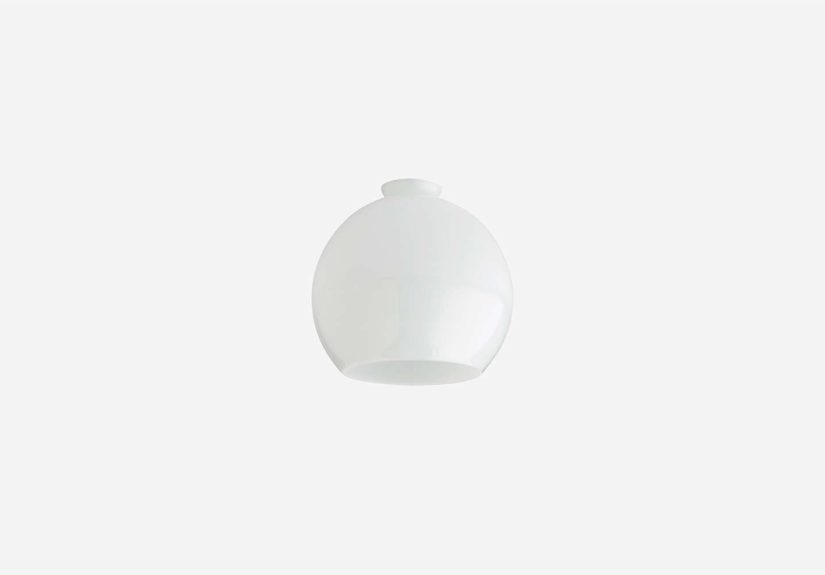
How to Clean Glass and Plastic Lampshades (The “Yes, You Can Wash This” Category)
Glass and plastic shades are the easiest to deep clean because they can handle waterjust avoid abrasives that scratch or leave haze.
Glass or plastic shade wash
- Dust first with a dry microfiber cloth to remove grit that could scratch.
- Wash in warm, soapy water using a soft sponge or cloth.
- Rinse thoroughly so soap residue doesn’t leave streaks.
- Dry with microfiber and let it air dry fully before reinstalling.
Extra note for plastic/acrylic: Avoid harsh chemicals and rough scrubbersthey can cloud the surface over time.
Rattan, Wicker, Bamboo, and Textured Shades
Textured shades look great because they have nooks and crannies… which also means dust gets a long-term lease.
Dry tools do most of the heavy lifting here.
- Soft brush + vacuum: Brush dust loose, vacuum it up immediately.
- Compressed air or hair dryer (cool): Helpful for woven patterns and tight corners.
- Minimal moisture only if needed: If there’s a sticky spot, use a barely damp cloth and dry immediately.
Troubleshooting: Common Lampshade Problems (and What Actually Helps)
“My white lampshade looks yellow or dingy.”
Yellowing can come from UV light, heat, smoke, kitchen grease, and plain old time. Start with a thorough dusting.
For fabric shades with small stains, spot clean gently. If the entire shade is discolored, deep cleaning may not restore it fullysometimes relining or replacing is the smarter move.
For small spots on white fabric, a paste made from baking soda and water can help lift localized grime (test first, dab gently, and rinse).
“There are water rings.”
Water rings happen when a shade gets unevenly wet. To avoid making them worse, don’t chase the ring with more water.
Spot clean lightly, blend outward gently, and always dab dry. If rings persist, professional cleaning is often the cleanest solution (pun intended).
“A lint roller dented my shade.”
It happensespecially on thinner or paper shades. Switch to a microfiber duster, soft brush, or vacuum brush with light suction.
If the shade is already dented, you may be able to gently reshape it from the inside with your hands, but don’t force it.
“The shade smells musty.”
Musty smells often mean humidity. Clean dust first, then focus on drying the space: better ventilation, a dehumidifier, and keeping lamps away from damp corners.
If you suspect mildew on fabric, avoid soaking and consider professional cleaning or replacement for safety and best results.
How Often Should You Clean Lampshades?
- Light dusting: weekly or every other week (especially if you have pets or allergies).
- Thorough dusting: monthly (inside and out, seams included).
- Spot cleaning: as needed (the sooner you treat a stain, the better).
- Deep cleaning: occasionally and only for materials that can handle it (mainly glass/plastic; sometimes sturdy fabric).
If your lamp lives in the kitchen (grease) or bathroom (humidity), bump your schedule up. Those rooms are tough on lampshades.
Real-World Experiences: What People Learn When Cleaning Lampshades (500+ Words)
The first “experience” most people have with cleaning lampshades is realizing they’ve been ignoring them for… a while.
It’s normal. Lampshades are sneaky: they’re up at eye level, blending into the background, quietly collecting dust like they’re training for a lint Olympics.
Then one day, sunlight hits the shade just right, and suddenly you can see every speck your lamp has been hoarding since the last time you thought,
“I should really dust more.”
One of the most common lessons is that dry cleaning methods feel underwhelminguntil you see the results.
People often expect cleaning to involve soap and water, so they start there… and end up with streaks, damp rings, or a slightly warped shade.
In real homes, the biggest win usually comes from a simple routine: a microfiber cloth, a soft brush for pleats, and a vacuum attachment used gently.
That trio handles the vast majority of mess without risking the structure of the shade.
Another classic experience: pet hair. If you share your space with a dog or cat, your lampshades may be wearing a subtle fur sweater.
Lint rollers can be incredibly satisfying herelike pressure-washing, but for fluff. The catch is technique.
People who press too hard quickly discover that lampshades can dent, especially thinner fabric shades.
The “aha” moment is using light pressure and rolling in steady vertical strokes, swapping sheets before the roller starts smearing dust around.
And for delicate shades, many folks end up switching to a soft brush and vacuum method because it’s gentler and still effective.
Kitchens create their own lampshade storyline: grease haze. A lampshade near cooking areas can develop a film that dust clings to,
making the shade look dull and slightly sticky. The experience here is that aggressive cleaners feel temptingbut mild dish soap and patience win.
Homeowners who succeed usually do it in rounds: dust first, then a careful dab-and-rinse spot clean, then a full dry.
Trying to “power through” with heavy scrubbing often leads to blotchy fabric or loosened trim.
Paper lampshades bring a different kind of learning curve. Many people try a damp cloth once (just once) and immediately regret it.
The better experience is discovering dry tools that actually work: a clean paintbrush for dust, a microfiber cloth for a light wipe,
and an art gum eraser for marks. It’s surprisingly effectiveand it feels a bit like restoring a book cover rather than cleaning a household item.
The biggest mindset shift is treating paper shades as something you lift dust from, not something you “wash.”
Finally, there’s the experience of cleaning a lampshade and realizing your lamp is suddenly brighter.
It’s not your imaginationdust blocks and dulls light. People often describe the post-clean glow as “why does my living room look better
and also slightly more honest?” (Because now you can see everything.) The good news: clean lampshades make your lighting more efficient,
your room look fresher, and your decor feel intentionally maintainedlike you have your life together, at least in the lamp department.
Conclusion
If you remember just three things: unplug first, dust before you wet-clean, and match the method to the material.
Fabric shades usually do best with gentle dusting and careful spot cleaning. Paper shades demand dry tools only.
Glass and plastic shades can handle a proper wash. And every shade benefits from simple, regular maintenancebecause the easiest stain to remove
is the one that never gets a chance to set up camp.