Table of Contents >> Show >> Hide
- What “Year-Round Interest” Actually Means (Beyond “It’s Not Dead Yet”)
- Quick Rules for Choosing Native Plants for a Four-Season Garden
- 18 Native Plants That Keep the Show Going All Year
- Trees: Big Impact, Four-Season Structure
- 1) Serviceberry (Amelanchier spp.)
- 2) Eastern Redbud (Cercis canadensis)
- 3) River Birch (Betula nigra)
- Shrubs: The Backbone of Year-Round Beauty
- 4) Winterberry Holly (Ilex verticillata)
- 5) Inkberry Holly (Ilex glabra)
- 6) Redosier Dogwood (Cornus sericea)
- 7) Ninebark (Physocarpus opulifolius)
- 8) Virginia Sweetspire (Itea virginica)
- 9) Spicebush (Lindera benzoin)
- 10) Oakleaf Hydrangea (Hydrangea quercifolia)
- Perennials: Color, Pollinators, and Winter Seedheads
- 11) Purple Coneflower (Echinacea purpurea)
- 12) Black-Eyed Susan (Rudbeckia hirta)
- 13) Butterfly Weed (Asclepias tuberosa)
- 14) Wild Bergamot (Monarda fistulosa)
- 15) New England Aster (Symphyotrichum novae-angliae)
- Native Grasses: Movement, Texture, and Winter Architecture
- 16) Little Bluestem (Schizachyrium scoparium)
- 17) Switchgrass (Panicum virgatum)
- 18) Prairie Dropseed (Sporobolus heterolepis)
- How to Design a Continuously Beautiful Native Garden (Without a Landscape Architecture Degree)
- Low-Maintenance Tips That Make Natives Look Even Better
- Conclusion: A Garden That Looks Good in Every Month
- Real-World Garden Experiences and Lessons (500-ish Words of “What Gardeners Wish They Knew Sooner”)
If your garden looks amazing for three weeks in May and then spends the rest of the year giving “abandoned
spreadsheet” energy, you’re not alone. The fix isn’t more lawn ornaments (no judgment, but that plastic flamingo
can’t carry the whole yard). The real secret is building a four-season garden with
native plantsspecies that naturally belong in the U.S., handle local weather like pros,
support wildlife, and keep your landscape looking intentionally gorgeous in every month.
In this guide, you’ll find 18 native plants with year-round interesttrees, shrubs, perennials,
and grasses that bring spring flowers, summer structure, fall color, and winter texture, berries, and seedheads.
The goal: a continuously beautiful garden that looks designed even when it’s 28°F and everyone
(including you) would rather be inside.
What “Year-Round Interest” Actually Means (Beyond “It’s Not Dead Yet”)
A plant earns “year-round interest” when it contributes something visually or ecologically valuable across multiple
seasons. Think:
- Spring: early blooms, fresh foliage, pollinator fuel
- Summer: strong leaf texture, long flowering, tidy form
- Fall: bold foliage color, late nectar, seedheads
- Winter: bark, twigs, berries, evergreen structure, standing grasses
The best native landscapes don’t rely on one “moment.” They layer small moments all yearlike a playlist where
every track is a banger, not just the one you keep skipping back to.
Quick Rules for Choosing Native Plants for a Four-Season Garden
1) Match the plant to the place
Sun, soil moisture, and drainage matter more than your hopes and dreams. Many natives are tough, but no plant
enjoys being installed into the wrong conditions and then blamed for having feelings about it.
2) Layer your garden like a good outfit
Use a mix of canopy (trees), mid-layer (shrubs), and ground layer (perennials and grasses). This creates depth,
covers bare spots, and keeps the view interesting in winter when perennials are mostly “sleeping.”
3) Leave the leaves (and the stems) longer than you think
Seedheads and hollow stems provide winter food and habitat, and they look surprisingly elegant with frost or snow.
“Clean up everything in October” is a traditionlike dial-up internetthat we can lovingly retire.
18 Native Plants That Keep the Show Going All Year
These are widely native within the United States (though not necessarily native to every state). For best results,
choose species and local ecotypes appropriate for your region, and confirm native range through a trusted
local native plant nursery or extension office.
Trees: Big Impact, Four-Season Structure
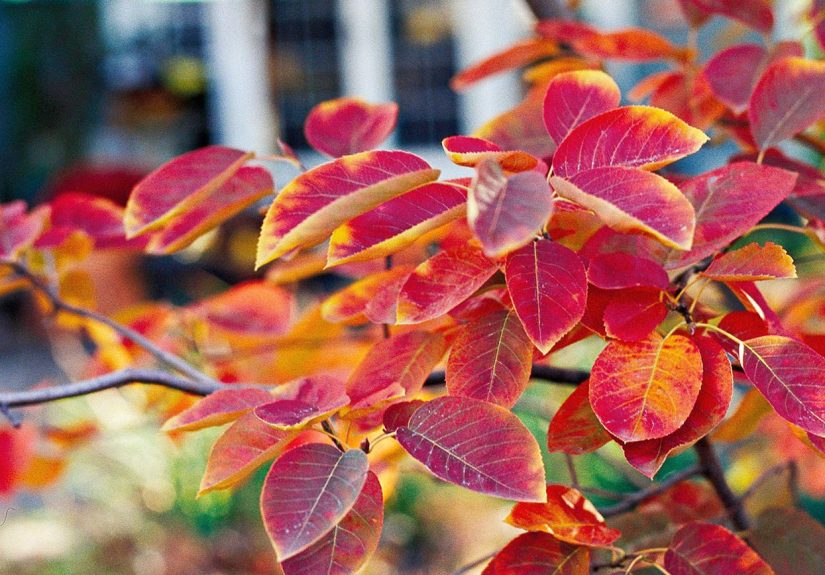
1) Serviceberry (Amelanchier spp.)
Serviceberry is the overachiever of native small trees: spring flowers, summer berries, fall color, and smooth,
attractive bark in winter. It’s a perfect “front-yard focal point” when you want charm without committing to a
massive shade tree.
- Spring: white blooms that light up the canopy
- Summer: edible berries (birds will notice first)
- Fall: yellow-to-red foliage
- Winter: graceful branching and smooth gray bark
Design tip: Plant it where you’ll see it from a windowserviceberry is a winter silhouette superstar.
2) Eastern Redbud (Cercis canadensis)
Redbud brings early spring color before your garden has had coffee. Pink blooms line the branches, followed by
heart-shaped leaves. Bonus: seed pods can linger, adding subtle winter detail.
- Spring: rosy blooms on bare branches
- Summer: lush, heart-shaped foliage
- Fall: warm yellow tones
- Winter: pods and branching form add texture
Design tip: Pair with evergreen shrubs or native grasses so it always has a “supporting cast.”
3) River Birch (Betula nigra)
If you want winter interest you can see from space (okay, from the street), river birch is your tree. The
exfoliating bark peels in curls and sheets, showing layered colors year-roundespecially striking in winter.
- Spring/Summer: light, airy canopy movement
- Fall: soft yellow foliage
- Winter: exfoliating bark steals the show
Design tip: Use uplighting or place it near a porch lightnighttime bark glow is a real thing.
Shrubs: The Backbone of Year-Round Beauty
4) Winterberry Holly (Ilex verticillata)
Winterberry is the reason people believe in winter color. Bright berries hang on bare stems after leaf drop, and
they’re a valuable food source for birds. It’s dioecious (separate male and female plants), so you’ll need a male
nearby for berry production.
- Spring: modest flowers (pollinators approve)
- Fall/Winter: berries in red, orange, or yellow tones
- Winter: bold color on leafless stems
Design tip: Plant in groups for a “berry winter wall.” One lonely shrub looks like it forgot its friends.
5) Inkberry Holly (Ilex glabra)
Inkberry is a native evergreen shrub that behaves like a polite hedgedense, steady, and not dramatic about it.
It’s great for structure in winter, and it tolerates challenging conditions like periodic flooding and coastal
exposure in many regions.
- Year-round: evergreen foliage provides structure
- Fall/Winter: dark berries (subtle, but wildlife-friendly)
Design tip: Use it as a native alternative to boxwood for foundation planting.
6) Redosier Dogwood (Cornus sericea)
The stems are the headline herebright red (or sometimes yellow, depending on selection) in winter. In summer, it’s
a solid green shrub with berries that wildlife appreciates. To keep stem color vibrant, older stems should be
periodically pruned out so new growth takes over.
- Spring: white flower clusters
- Summer: berries and dense foliage
- Winter: vivid twig color against snow or evergreens
Design tip: Place it where winter sun hits the stems for maximum glow.
7) Ninebark (Physocarpus opulifolius)
Ninebark does “texture” like it has a design degree: exfoliating bark in winter, spring flowers, and foliage that
can range from green to deep burgundy depending on cultivar. It’s also famously adaptable once established.
- Spring: clusters of white-to-pink flowers
- Summer: strong leaf color and form
- Fall: warm bronze/yellow tones (varies)
- Winter: peeling bark adds rugged beauty
Design tip: Let it be slightly wild at the edges; it looks best when not forced into a tight box.
8) Virginia Sweetspire (Itea virginica)
Sweetspire is a top pick for moist areas and rain gardens, with fragrant flower spikes in late spring and a long,
often coppery-red fall color that can linger well into winter.
- Late spring: fragrant white “bottlebrush” blooms
- Fall: copper, orange, and red foliage that hangs on
- Winter: persistent leaves (in many climates) and neat form
Design tip: Mass it along a pathfragrance and fall color are better in stereo.
9) Spicebush (Lindera benzoin)
Spicebush brings multi-sensory gardening: fragrant leaves, early yellow flowers, and red berries on female plants.
It’s also a well-known host plant for the spicebush swallowtail butterflyaka, your garden’s future winged celebrities.
- Early spring: yellow blooms before full leaf-out
- Summer: aromatic foliage (brush a leaf and you’ll get it)
- Fall: yellow foliage and berries on female plants
Design tip: Tuck it at the edge of woodland shade where you’ll walk by and catch that spicy scent.
10) Oakleaf Hydrangea (Hydrangea quercifolia)
Oakleaf hydrangea is native to the southeastern U.S. and earns year-round praise: showy summer blooms that age to
rosy tones, bold oak-shaped leaves with rich fall color, and exfoliating stems for winter texture.
- Summer: cone-shaped flower clusters that dry attractively
- Fall: dramatic foliage in burgundy and red tones
- Winter: exfoliating bark and persistent flower heads
Design tip: Give it room. This is not a “tiny corner plant,” unless you enjoy constant negotiations with pruning shears.
Perennials: Color, Pollinators, and Winter Seedheads
11) Purple Coneflower (Echinacea purpurea)
Coneflower is a pollinator classic with staying power. Let the seedheads stand through winter and you’ll get
sculpture and goldfinch snacksbasically a bird feeder that also looks intentional.
- Summer: bold blooms for bees and butterflies
- Fall: seedheads form and dry beautifully
- Winter: standing seedheads feed birds and add structure
Design tip: Plant in drifts for a modern prairie looksingle plants get visually “lost.”
12) Black-Eyed Susan (Rudbeckia hirta)
Black-eyed Susan is sunshine with a dark centercheerful, tough, and generous. It blooms for weeks, then dries into
seedheads that birds appreciate if you don’t cut everything down the moment flowers fade.
- Summer: long bloom season and big color payoff
- Fall/Winter: seedheads for birds and winter texture
Design tip: Mix with native grasses to keep the planting upright and tidy-looking as flowers finish.
13) Butterfly Weed (Asclepias tuberosa)
Butterfly weed is a native milkweed with blazing orange blooms and strong drought tolerance once established. It’s
a host plant for monarch caterpillars and a nectar magnet for butterflies, bees, and basically anything that flies
and appreciates a good buffet.
- Summer: vibrant blooms and heavy pollinator activity
- Fall: seed pods add interest and can be left for texture
- Winter: dried stems and pods provide structure if left standing
Design tip: Plant it where the soil drains well. This is not a “wet feet” kind of plant.
14) Wild Bergamot (Monarda fistulosa)
Wild bergamot (bee balm’s rugged cousin) brings a long summer bloom, aromatic leaves, and serious pollinator
energy. The dried flower heads and stems can add winter texture, and many gardeners intentionally leave stems up
for beneficial insects.
- Summer: lavender-pink blooms, constant pollinator visits
- Fall/Winter: dried seedheads and stems provide texture and habitat
Design tip: Give it air circulation to reduce mildew. It’s a plant, not a sauna enthusiast.
15) New England Aster (Symphyotrichum novae-angliae)
When the garden starts winding down, New England aster shows up like, “Did someone say finale?” It blooms late,
feeding pollinators when many other flowers are done. Cut it back in early summer (the “Chelsea chop”) if you want
a shorter, bushier plant with more flowers.
- Late summer/fall: intense purple blooms and major pollinator value
- Late fall/winter: seedheads and stems add structure if left standing
Design tip: Plant with grasses so it doesn’t flop. Everyone needs a supportive friend.
Native Grasses: Movement, Texture, and Winter Architecture
16) Little Bluestem (Schizachyrium scoparium)
Little bluestem is the “tiny tree” of the grass worldupright, tidy, and stunning from late summer into winter.
Its blue-green foliage shifts to copper and reddish tones in fall, and the seedheads catch light and frost like
garden jewelry.
- Summer: blue-green upright blades
- Fall: copper/orange tones
- Winter: standing stems and seedheads for structure and wildlife cover
Design tip: Use in masses for a “prairie drift” effect that looks designer without being fussy.
17) Switchgrass (Panicum virgatum)
Switchgrass is adaptable across many climates and soils, produces airy seed plumes, and holds up through winter,
giving your garden height and movement when most plants are taking a nap.
- Summer: strong vertical growth and graceful blades
- Late summer/fall: airy flower/seed panicles
- Winter: standing stems for cover and structure
Design tip: Plant it behind perennials to act like a living backdrop (and to hide “post-bloom awkwardness”).
18) Prairie Dropseed (Sporobolus heterolepis)
Prairie dropseed forms neat clumps with fine texture, and its late-season seedheads can have a soft, cloud-like
look. It’s low-maintenance, long-lived, and one of the best grasses for clean lines without feeling stiff.
- Summer: fountain-like fine foliage
- Late summer/fall: delicate seedheads and warm color shifts
- Winter: clumps persist, adding texture and a soft outline under snow
Design tip: Use it as edging for a native borderlike a living “frame” for your flowers.
How to Design a Continuously Beautiful Native Garden (Without a Landscape Architecture Degree)
Build a four-season “spine” first
Start with 1–2 small trees (serviceberry, redbud), then add shrubs for winter structure (inkberry, ninebark) and
winter pop (winterberry, redosier dogwood). Once the backbone is in place, perennials and grasses fill in the
color and texture.
Use repetition to look intentional
Repeating 3–5 core plants creates a cohesive design and makes maintenance easier. A garden with 45 different plants
can be beautiful, but it can also feel like a plant museum where every specimen has its own special needs and strong opinions.
Plan for winter on purpose
Place winter-interest plants where you’ll see them most: near the driveway, by the front door, outside a kitchen
window. Winterberry berries, redosier dogwood stems, and river birch bark are basically seasonal decor that grows itself.
Low-Maintenance Tips That Make Natives Look Even Better
- Delay the big cleanup: Leave seedheads and grasses standing until late winter/early spring.
- Prune for color: Refresh redosier dogwood by removing older stems so bright new stems dominate.
- Water to establish: Most natives need consistent water their first season; toughness comes later.
- Mulch smart: A light layer helps retain moisture, but don’t volcano mulch shrubs and trees.
- Right plant, right place: It’s not a sloganit’s the cheat code.
Conclusion: A Garden That Looks Good in Every Month
A continuously beautiful garden isn’t about chasing perfectionit’s about building a landscape that always has
something going on: spring blossoms, summer pollinators, fall fireworks, and winter structure. When you use
native plants with year-round interest, you get beauty that’s easier to maintain, better for
wildlife, and more resilient when the weather decides to get weird (again).
Pick a few backbone shrubs and trees, add perennials for long bloom, and finish with grasses that hold their shape
through winter. Then step back and enjoy the rare luxury of a garden that doesn’t vanish the moment autumn hits.
Real-World Garden Experiences and Lessons (500-ish Words of “What Gardeners Wish They Knew Sooner”)
People often assume that a year-round native garden means “always flowering.” In reality, the magic is
seasonal handoffs: spring flowers tag in summer foliage, fall color tags in winter berries, and seedheads
keep the stage dressed until the next act. Once you start watching these transitions, you’ll never look at “dead”
stems the same way. They’re not dead; they’re just doing winter cosplay.
One of the biggest lessons gardeners share is that natives still need a good start. The first year can look
underwhelmingsmall plants, sparse coverage, and the occasional existential crisis when weeds show up like they
own the place. But if you focus on establishment (watering, weeding, and not over-fertilizing), year two and year
three are where the garden begins to look like the plan all along. The payoff is real: deeper roots, less
watering, and plants that bounce back from heat and dry spells better than many ornamentals.
Another common “aha” moment: shrubs do the heavy lifting for winter beauty. Perennials are the confetti cannons of
summer, but shrubs and trees keep the garden looking designed when the confetti has been swept away. If you’ve
ever looked outside in January and thought, “Well… it’s certainly a yard,” adding winterberry, inkberry, redosier
dogwood, and a tree with distinctive bark (hello, river birch) is the fastest way to change that mood.
There’s also a learning curve with cleanup. Many gardeners used to cut everything down in fall because it felt
tidy. Then they try leaving coneflower, black-eyed Susan, and grasses standingand suddenly there are more birds,
more winter texture, and less work. The garden looks intentional in a “naturalistic” way: seedheads dusted with
frost, bluestem catching low winter light, and dried hydrangea blooms looking like rustic bouquets that refused to
quit. If you’re worried it’ll look messy, aim for a compromise: keep edges crisp (a mowed strip or clean border),
but let the interior planting stand through winter.
A practical tip that comes up again and again: group plants in odd numbers and repeat them. Three clumps of prairie
dropseed along a path reads as design. One clump reads as “I tried.” The same goes for perennialsdrifts of
coneflower and black-eyed Susan look lush and intentional, and they support pollinators more effectively than
single scattered plants. Repetition also makes your garden easier to care for because you’re not memorizing a
different set of needs for every square foot.
Finally, accept that “native” is regional. A plant can be native to the U.S. and still be the wrong choice for
your specific area or site conditions. That’s not failure; that’s ecology. The win is choosing natives that match
your light and moisture so they thrive with minimal fuss. When you get that match right, the garden starts to feel
like it belongsbecause it does. And that’s when year-round beauty becomes less of a project and more of a habit.