


Table of Contents >> Show >> Hide
- Start With a Plan (So You Don’t End Up With 14 Throw Pillows and Regret)
- Design Basics That Make DIY Look “Designer”
- Your DIY Toolkit (Minimal Gear, Maximum Results)
- Quick-Win DIY Home Decor Projects (Done in an Afternoon)
- Weekend Upgrades That Change the Whole Room
- Renter-Friendly DIY Home Decor That Won’t Lose Your Deposit
- Styling Like a Magazine (Without Buying a Magazine)
- Common DIY Mistakes (And How to Avoid Them)
- 500+ Words of Real-World DIY Home Decor Experiences (What Usually Happens and What Helps)
DIY home decor is the quickest way to make a space feel like youwithout taking out a loan or learning what “soffit” means at 2 a.m. It’s also the most satisfying kind of magic: you start with “meh,” add a little paint, texture, and clever styling, and suddenly your living room looks like it has its own agent.
This guide is built for real life: busy schedules, normal budgets, and the universal desire to stop staring at that blank wall like it personally offended you. We’ll cover the design principles that make DIY look expensive, the tools that actually matter, and a bunch of projectsfrom one-hour glow-ups to weekend upgradesplus a long, practical “been-there” section at the end with lessons DIYers learn the fun way (aka: after doing it the hard way).
Start With a Plan (So You Don’t End Up With 14 Throw Pillows and Regret)
Pick a vibe in three words
Before you buy anything, choose three words that describe the feeling you want. Examples:
- Calm / airy / natural (light neutrals, linen textures, warm wood)
- Bold / playful / modern (high-contrast art, graphic patterns, punchy color)
- Cozy / vintage / layered (thrifted finds, warm lighting, mixed textures)
These words become your “shopping filter” so your cart doesn’t turn into a random assortment of cute things that don’t actually like each other.
Measure first, Pinterest second
DIY looks polished when it’s scaled correctly. Measure your wall, your couch, and the space above key furniture (console, bed, dining table). Write it down. You don’t need fancy softwarejust a notes app and the willingness to be mildly responsible.
Budget and timeline (a.k.a. your future self will thank you)
A smart DIY budget isn’t about spending the leastit’s about spending on what shows. Save on accessories (thrift, DIY art), invest in high-impact basics (paint, good curtain panels, proper hardware, the right wall anchors).
Design Basics That Make DIY Look “Designer”
Scale: go bigger than you think
Most rooms look “off” because everything is too small. Try:
- One large art piece instead of five tiny ones
- Floor-to-ceiling curtains (yes, even if your window is short)
- A larger rug that lets front furniture legs sit on it
Color: keep it simple (and intentional)
A classic approach is a limited palette: one main color family, one supporting neutral, and one accent. If you’re adding bold color, put it where it feels deliberatean accent wall, a painted arch, a statement lamp shade, or a single piece of furniture.
Texture: the secret sauce
When a room feels flat, it’s usually missing texture. Mix:
- Soft + structured (bouclé pillow + wood tray)
- Matte + shine (linen + brass)
- Rough + smooth (woven basket + ceramic vase)
Repetition: make it look “on purpose”
Repeat a shape, material, or color 2–3 times across the room. Example: black picture frames, black cabinet pulls, and one black lamp base. Suddenly the room is coordinated, like it drinks water and journals.
Your DIY Toolkit (Minimal Gear, Maximum Results)
Starter tools that earn their keep
- Measuring tape, pencil, painter’s tape
- Level (small one is fine), stud finder
- Drill/driver + basic bit set
- Hammer, utility knife, scissors
- Sanding sponge, spackle, putty knife
- Paint supplies: angled brush, roller frame, roller covers, tray
Safety basics (boring, but you like having eyebrows)
- Ventilate when painting or using strong adhesives. Open windows/doors and use fans if needed.
- Wear a mask when sanding and eye protection when drilling.
- Use a sturdy step stool/ladder and keep your center of balanceno dramatic leaning.
- Follow product labels for drying and cure times. “Dry to the touch” is not the same as “ready to scrub.”
Quick-Win DIY Home Decor Projects (Done in an Afternoon)
1) Upgrade the “small metal stuff”
Swapping hardware and little fixtures is a cheat code. Replace:
- Cabinet pulls/knobs
- Switch plates (go oversized for a cleaner look)
- Drawer pulls on a nightstand or dresser
Pro tip: Keep finishes consistent (all warm brass, all matte black, etc.) so it looks intentional.
2) No-sew pillow covers (zero sewing machine drama)
Buy fabric you love (canvas, linen-look, even a cool tablecloth). Use fabric tape or iron-on hem tape to create envelope-style covers. It’s budget-friendly, and you can switch covers seasonally without storing 47 pillows like you’re running a pillow hotel.
3) A “styled” shelf that doesn’t look like a store display
Use the simple formula: books + something tall + something personal + negative space.
- Stack books horizontally, then add a small object on top
- Add height with a vase, plant, or framed print
- Include one personal item (photo, travel souvenir, handmade piece)
- Leave breathing roomemptiness is a design tool, not a failure
4) Peel-and-stick accents (commitment issues welcome)
Peel-and-stick wallpaper or decals can transform a space without a full makeover. Try it:
- On a small focal wall
- Inside a bookcase back panel
- On the back of a tray or cabinet door
- As a “framed” panel: apply to foam board and hang like art
Tip: Clean the surface well, go slow, and smooth from the center outward to avoid bubbles.
5) DIY art that doesn’t scream “I panicked at the craft store”
- Oversized abstract: Use 2–3 paint colors and wide brush strokes. Keep it simple.
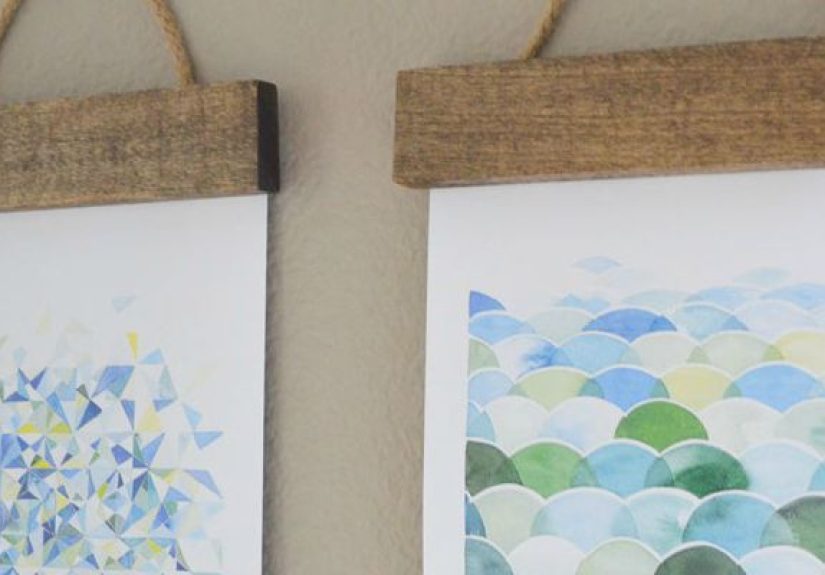
- Framed fabric: Stretch patterned fabric over a canvas or place it inside a frame with a mat.
- Line art: Black paint pen on white paper, then frame it in a set of three.
Weekend Upgrades That Change the Whole Room
Paint with intention (and a tiny bit of patience)
Paint is one of the highest-impact DIY home decor movesif you prep properly. Skipping prep is how you end up with bumps, peeling, and a deep personal rivalry with your wall.
Prep steps that matter
- Patch: Fill holes and dents with spackle, let dry.
- Sand: Smooth patched spots and scuff glossy areas so paint grips.
- Clean: Wipe dust away so you don’t paint over “wall confetti.”
- Prime when needed: Use primer on patches, stains, or big color changes.
Paint ideas that feel custom
- Accent wall: One wall in a deeper tone for instant depth.
- Painted arch: A soft arch behind a bed, desk, or reading chairlike built-in architecture, but cheaper.
- Two-tone: A darker lower half (or taller “wainscot” line) for a tailored look.
Gallery wall: a no-drama formula
A gallery wall looks impressive, but it’s basically just a puzzle with better lighting. Here’s the calm approach:
- Choose your anchor: Start with the largest piece in the center or slightly off-center.
- Keep spacing consistent: Aim for even gaps so it reads as a “collection,” not a stampede.
- Mock it up first: Trace frames on paper, tape them up, and adjust until it feels balanced.
- Hang in the right zone: Center the overall arrangement around eye level and relate it to nearby furniture.
Style tip: Mix photos, art prints, and one unexpected texture piece (woven item, small mirror, or sculptural object) for a layered look.
Floating shelves and picture ledges (function + style)
Shelves add storage and give your decor a “home.” Use them for books, framed photos, and small plants. For the most secure install, anchor into studs when possible. If you can’t, use the right wall anchors for your wall type and follow weight ratings.
Easy styling formula: place tall items toward the ends, cluster small items in groups, and leave some open space so it doesn’t look like a yard sale with good intentions.
Thrifted furniture glow-up (the sustainable flex)
Thrifting is where DIY home decor becomes personal. The trick is buying pieces that can survive a makeover.
- Look for: solid wood, sturdy joints, drawers that slide decently, real weight (a good sign).
- Be cautious with: particle board, swollen MDF edges, peeling laminate, heavy smoke odor.
Fast upgrades that make it look custom
- New hardware (instant personality)
- Paint or stain (choose a finish that fits the room)
- Drawer liners (pattern, color, or a subtle texture)
- Protective topcoat (especially for tabletops)
Lighting upgrades that don’t require rewiring
Lighting is “mood decor.” If your room feels blah, it might be because the lighting is harsh or too dim. Try:
- Add a floor lamp: especially near seating or corners.
- Swap bulbs: choose warm or soft white for cozy spaces (and don’t mix wildly different bulb colors in one room).
- Plug-in sconces: the renter-friendly way to get that “boutique hotel” glow.
- Use dimmers where possible: even a plug-in dimmer can change the vibe.
Renter-Friendly DIY Home Decor That Won’t Lose Your Deposit
- Peel-and-stick wallpaper for an accent wall or small surface
- Removable hooks/strips for lightweight frames (follow weight limits)
- Tension rods for curtains, closet organization, or hanging plants
- Large rugs to cover questionable flooring and define zones
- Slipcovers to refresh a couch or chair without buying new furniture
Styling Like a Magazine (Without Buying a Magazine)
The “trio” rule
Groups of three tend to look balanced. Try three vases in different heights, three frames, or three candles. Vary height and texture so it looks collected, not copy-pasted.
Edit first, then decorate
If everything is “special,” nothing is special. Clear a surface, then add back only what belongs. Decor looks better when it has room to breathe.
Add something alive
Plants soften hard edges and add color naturally. If you’re not ready for plant responsibility, start with a hardy option (or a high-quality faux in a good potno shame, only taste).
Common DIY Mistakes (And How to Avoid Them)
- Skipping prep: paint and wallpaper only look good on clean, smooth surfaces.
- Too many small pieces: go larger or group items to create one visual statement.
- Ignoring undertones: mix warm and cool tones thoughtfully so the room doesn’t feel “accidentally clashing.”
- Over-decorating: leave empty spaceit’s part of the design.
- Rushing cure times: let paint fully cure before heavy use or scrubbing.
500+ Words of Real-World DIY Home Decor Experiences (What Usually Happens and What Helps)
Here’s the funny truth about DIY home decor: the first attempt is rarely the one you imagined in your head. Not because you “did it wrong,” but because your brain is working from a highlight reel. The internet shows the “after,” not the part where someone realizes they taped the template upside down or accidentally chose a paint color that looks like a mint toothpaste commercial under the wrong light.
Most DIYers start with big energy and a cart full of optimism. The best way to keep that energy from turning into chaos is to choose one “anchor win” firstsomething that makes the room feel improved even if you stop there. Painting a wall, swapping hardware, hanging curtains higher, or adding one large piece of art can be that anchor. Once that one thing is done, everything else feels like building momentum instead of “fixing a disaster.”
Another common experience: you’ll learn that lighting changes everything. A paint color that looks soft and warm in the store can look totally different at home, especially at night. That’s why testers and samples are worth it. People often think samples slow them down, but they actually save time by preventing the dreaded “paint it again” weekend. Similarly, a room that feels “unfinished” sometimes doesn’t need more decor at allit needs a second light source. Adding a floor lamp or a table lamp can make the room feel intentionally styled in a way that extra knickknacks never will.
Gallery walls are another classic DIY rite of passage. The first layout usually feels perfect… until you start hammering. The real lesson is that the layout stage is where you win or lose. Paper templates taped to the wall feel a little extra, but they prevent the dreaded “Swiss cheese drywall” problem. And once you hang the first piece, the rest gets easier because you’re building around something real instead of guessing. Many people also discover that consistent spacing matters more than matching frames. A mix of frames can look collected and cool, but uneven spacing makes it look accidental. When in doubt, simplify: fewer pieces, more breathing room, and one “statement” frame that holds the center.
Furniture makeovers teach a different lesson: not every piece deserves your time. DIYers often get excited about a cheap thrift find, then realize it’s particle board with peeling laminate that fights every step of the process. The best experiences usually come from sturdy pieces with good bones. Even then, patience winslight sanding, proper cleaning, and the right primer can turn a makeover from “meh” to “wait… did you buy that like that?” And if you’re painting furniture, the finish is where you level up: letting coats dry, sanding lightly between coats when needed, and giving it time to cure before you treat it like a daily-use surface.
The biggest “aha” moment many DIYers share is that good decor isn’t about buying moreit’s about creating contrast and telling a story. A room feels expensive when it has a few elements that look intentional: one bold color moment, one texture moment, one personal moment. Your decor story might be “warm and calm” or “colorful and playful,” but it should sound like one sentence, not a whole group chat. And the most satisfying part? Over time, you start trusting your taste. DIY home decor becomes less about copying a trend and more about building a space that fits how you actually livewhere your keys land, where you read, where your friends sit, and where you want to exhale at the end of the day.
So if your first attempt isn’t perfect, congratulations: you’re doing the real version. The goal isn’t perfectionit’s progress, personality, and a home that feels like it belongs to you (not a catalog).