


Table of Contents >> Show >> Hide
- Pu-erh 101: The Tea That Keeps Evolving
- Where Pu-erh Comes From (and Why Yunnan Matters)
- The Two Main Styles: Sheng (Raw) vs. Shou (Ripe)
- How Pu-erh Is Made (Without Turning This Into a Lab Report)
- What Does Pu-erh Tea Taste Like?
- Is Pu-erh the Same as Black Tea?
- Pu-erh and Health: What’s Promising vs. What’s Pure Internet Hype
- How to Brew Pu-erh (Two Easy Routes)
- How to Buy Pu-erh Without Getting Tea-Fooled
- How to Store and Age Pu-erh at Home
- FAQ: Quick Answers for Curious Sippers
- Real-World Pu-erh Experiences (Extra Add-On)
- Conclusion
Pu-erh (sometimes spelled “pu’er”) is the tea world’s most fascinating overachiever: it can be bought young, then spend years
getting smoother, deeper, and more complexlike a tiny leaf-based time capsule. If most teas are “what you steep is what you get,”
pu-erh is more like “what you steep depends on how it’s been living.”
In plain English, pu-erh is a post-fermented tea from China’s Yunnan province. That “post-fermented” part is the
key: after the leaves are processed, microorganisms continue transforming the tea over time. This can create everything from a brisk,
slightly astringent sip (in some young raw pu-erh) to a dark, earthy cup that makes coffee drinkers say, “Wait… tea can do that?”
Pu-erh 101: The Tea That Keeps Evolving
Pu-erh is made from the Camellia sinensis plantsame species as green, black, and oolong tea. What makes pu-erh different
is that it goes through microbial fermentation (not just oxidation). That ongoing transformation is why people talk
about pu-erh the way they talk about cheese, wine, or sourdough starter: flavor changes based on time, environment, and handling.
Pu-erh is commonly sold either loose or pressed into shapes like cakes, bricks, and small
bowl-like “nests” called tuo. Pressing isn’t just for lookscompressed tea stores and ages well, and it also makes you feel
like you’re handling an ancient artifact (without the museum security guards).
Where Pu-erh Comes From (and Why Yunnan Matters)
Pu-erh originates in Yunnan, a mountainous region in southwest China known for biodiversity and a long tea history.
Yunnan’s climate and terrain support large-leaf tea varieties often used for pu-erh, and the region has deep trade roots that helped
pressed teas travel and become culturally important.
A quick geography detour (the good kind)
Yunnan borders parts of Southeast Asia, and tea historically moved across long routes where compressed formats were practical.
Over time, people noticed that certain pressed teas improved in storage and transporteventually turning “aging” into part of the point,
not just a happy accident.
The Two Main Styles: Sheng (Raw) vs. Shou (Ripe)
Most pu-erh you’ll see falls into two big categories: sheng (raw) and shou (ripe). They’re made from
similar starting material, but the timeline and fermentation approach change the flavor dramatically.
Sheng (Raw) Pu-erh: The Slow-Burn Classic
Sheng starts out relatively “green” in character (not the same as green tea, but it can feel closer than you’d expect). When young, it
may taste bright, floral, herbal, or fruit-leaning with noticeable astringency. With aging, many sheng pu-erhs mellow: bitterness softens,
texture thickens, and deeper notes can emergethink dried fruit, wood, camphor-like freshness, or a gentle sweetness that lingers.
Shou (Ripe) Pu-erh: The Fast-Forward Version
Shou was developed to mimic the depth of aged tea sooner. Producers use a controlled process often called wet piling
(you’ll also hear “pile fermentation”). Done well, shou becomes dark, smooth, and earthy with a comforting, “rain-on-warm-soil” vibe.
Done poorly… it can taste muddy, musty, or just plain weird (like the tea forgot to shower).
How Pu-erh Is Made (Without Turning This Into a Lab Report)
Step 1: A “base” tea that’s ready for the journey
Pu-erh begins with harvested leaves that are processed into a rough finished form (often discussed as the starting material before
long-term aging or wet piling). At this stage, the tea isn’t trying to be fancyit’s trying to be stable enough to transform later.
Step 2: Fermentation and aging do the heavy lifting
For sheng, microbial activity continues slowly over time, especially when tea is stored in conditions that support gentle
transformation. For shou, producers intentionally accelerate fermentation using warm, humid piling techniques, then dry the tea
to stabilize it.
Step 3: Pressing into cakes, bricks, and “tea geometry”
Many pu-erhs are pressed into compact forms. Besides looking cool, compression makes storage easier and can influence how tea ages. It also
creates a practical ritual: you break off a chunk, wake up the leaves with hot water, and feel like you’re preparing something important.
(You are. It’s tea. That’s important.)
What Does Pu-erh Tea Taste Like?
Pu-erh’s flavor range is huge, but here are some real-world anchorsespecially helpful if you’re buying your first cake and don’t want to
end up with a $40 “surprise.”
Helpful tasting notes by style
- Young sheng: bright, herbal, floral, sometimes sharp; can be bitter/astringent; may finish sweet.
- Aged sheng: smoother, deeper, more rounded; dried fruit, wood, gentle spice; often a lingering sweetness and thicker body.
- Young shou: dark, earthy, sometimes a “woody” or cocoa-like tone; occasionally a mild funky note that fades with rest and good storage.
- Aged shou: even smoother and cleaner; rich earth, dark chocolate, walnut, cedar; cozy and low on bitterness.
One fun shortcut: if you like black coffee, you may enjoy a solid shou pu-erh because the cup can be bold and dark without
the sharp acidity some coffees bring. If you love crisp green teas, a young sheng might scratch that “bright and alive” itchjust with more attitude.
Is Pu-erh the Same as Black Tea?
In the U.S., “black tea” usually means tea that’s fully oxidized (like Assam or English Breakfast). Pu-erh is different because
it involves microbial fermentation. In some parts of the world, naming conventions vary, which is why you’ll sometimes see confusing
labels. The practical takeaway: pu-erh is its own category, and the “dark, earthy” reputation comes from fermentation and agingnot the same pathway
used for standard black teas.
Pu-erh and Health: What’s Promising vs. What’s Pure Internet Hype
Tea in general is associated with beneficial plant compounds like polyphenols, and many people choose tea as a lower-sugar alternative to sodas and
sweet coffee drinks. That’s already a win.
What research suggests (without pretending pu-erh is a superhero)
Some studies and summaries suggest pu-erh may support markers like cholesterol levels and metabolism, and it’s often discussed as a “digestif” style tea
enjoyed after rich meals. But the strength of evidence can vary, and outcomes depend on the person, the tea, and the rest of their lifestyle.
Translation: pu-erh can be a great habit, but it’s not a magic eraser for last weekend’s pizza choices.
Caffeine: the part that actually affects your day
Pu-erh contains caffeine, and amounts vary by leaf material, brewing style, and how many infusions you do. If you brew gongfu-style (many short steeps),
you may drink more total caffeine than a single quick mug steepbecause you’re essentially “streaming” caffeine in episodes.
For most healthy adults, many health authorities cite around 400 mg/day of caffeine as an upper level that’s generally not associated
with negative effects, but sensitivity varies. Teens and younger people are often advised to keep caffeine low (or avoid it), and anyone who’s pregnant,
breastfeeding, has heart rhythm concerns, anxiety, or sleep issues should be extra cautious.
Medication interactions and side effects
The main interaction concern with pu-erh is usually the caffeine. If caffeine tends to make you jittery, worsen reflux, or sabotage sleep,
pu-erh can do the same. If you take medications or have a medical condition (especially related to heart rhythm, blood pressure, or blood sugar), it’s smart
to check with a clinician about caffeine intake in general.
How to Brew Pu-erh (Two Easy Routes)
The best brewing method is the one you’ll actually do consistently. Here are two low-stress approaches.
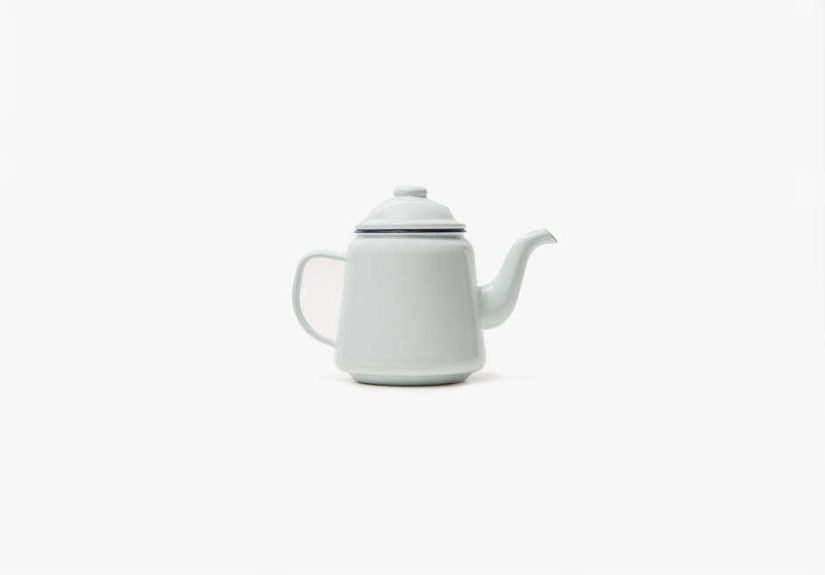
Method 1: Western-style (mug, infuser, or teapot)
- Portion: Start around 1–2 teaspoons of leaf for an 8-ounce cup (a little more if it’s a tight shou cake).
- Water: Use near-boiling water. Pu-erh generally likes heat, especially shou.
- Rinse (optional but helpful): Pour hot water over the leaves for a few seconds, then discard. This “wakes up” compressed tea.
- Steep: Try 1–3 minutes, then adjust. If it’s too intense, shorten the steep. If it’s thin, add leaf or time.
- Re-steep: Good pu-erh can handle multiple infusions. Increase time gradually with each steep.
Method 2: Gongfu-style (small vessel, big flavor control)
Use a small teapot or gaiwan, add a higher leaf-to-water ratio, and do short steeps (like 10–20 seconds), increasing as the leaves open.
This method can make pu-erh taste more layered and less bluntlike switching from “radio edit” to the full album.
Common brewing mistakes (and easy fixes)
- “It tastes like a basement.” Try a quick rinse and shorter steeps. Also: buy from reputable sellers and avoid overly musty storage.
- “It’s too bitter.” Use less leaf or shorter time, especially with young sheng.
- “It’s watery.” Add more leaf, use hotter water, or steep longerpu-erh can take it.
- “It’s great until steep #3.” That’s normal with some teas. Adjust expectations, or choose higher-quality leaf for longer sessions.
How to Buy Pu-erh Without Getting Tea-Fooled
Pu-erh can be affordable, but it can also get collector-level pricey. If you’re new, the goal isn’t “find a legendary cake.” The goal is
“find a tea you’ll drink happily.”
Beginner-friendly buying tips
- Start with a solid shou if you want smooth, dark, low-bitterness comfort.
- Try samples before committing to a full cake, especially for sheng.
- Look for storage notes (clean/dry vs. humid/wet). Storage changes flavor a lot.
- Avoid “mystery pu-erh” that has no origin, no producer info, and smells aggressively musty.
- Don’t chase age too soon. Plenty of younger teas are delicious, and your palate will evolve quickly once you start tasting.
How to Store and Age Pu-erh at Home
Pu-erh is famously resilient, but it’s also a sponge for odors. Store it like you’d store good bread: it needs to breathe, but it also needs protection
from the chaos of your pantry.
Simple storage rules that work for most people
- Keep it away from smells: spices, coffee, scented candles, cleaning supplies.
- Choose airflow over airtight: breathable paper or a dedicated tea container is often better than sealing it in plastic.
- Stable environment: avoid extreme heat, direct sun, or damp corners.
- Separate strong aromas: keep heavily scented teas (like jasmine) away from pu-erh cakes.
If you want to experiment with aging, do it slowly and consistently. Many people enjoy pu-erh without trying to run a mini climate-controlled tea vault.
(Your future self will thank you for not turning the closet into “Project Humidity.”)
FAQ: Quick Answers for Curious Sippers
Does pu-erh go bad?
It can spoil if stored poorly (think moisture problems or strong off-odors). Stored well, many pu-erhs stay enjoyable for years, and some are intentionally aged.
Should I drink pu-erh on an empty stomach?
Some people find strong tea on an empty stomach feels harsh. If you’re sensitive, try it after food or with a small snack.
Is pu-erh “stronger” than coffee?
Not usually per cup, but brewing style matters. Multiple gongfu infusions can add up, and caffeine sensitivity varies widely.
Real-World Pu-erh Experiences (Extra Add-On)
If you’ve never tried pu-erh, your first experience is often less “love at first sip” and more “wait, what am I tasting?”which is honestly part of the fun.
A common first impression with shou is the aroma: earthy, woody, sometimes like clean forest soil after rain. Some drinkers describe it as
“mushroomy,” and that can sound alarming until you realize it’s the same kind of earthy note people chase in good coffee, dark chocolate, or aged cheese.
Many beginners have their “aha” moment when they brew shou a little lighter than they expected. Instead of making it ink-black on day one, they try shorter steeps,
and suddenly the cup becomes smoother and sweeter, with hints of cocoa, walnut, or warm wood. That’s when pu-erh stops being “weird fermented tea” and starts being
“comfort tea.” It’s also why people who say they hate pu-erh sometimes just met a bad batchor steeped it like it owed them money.
Sheng experiences tend to be more dramatic. A young sheng can feel lively and sharp, with a bitterness that arrives first and a sweetness that
shows up later like a plot twist. People often compare the learning curve to tasting hoppy beer: at first you notice the bite, then you start noticing everything
underneath itflowers, citrus peel, herbs, stone fruit, and a cooling sensation that lingers. It’s not unusual for someone to try a young sheng and think,
“This is intense,” then revisit it a month later and suddenly get it.
Pu-erh also invites rituals. Tea drinkers talk about the satisfaction of prying leaves from a cake, doing a quick rinse, and watching tightly compressed bits
unfurl into full leaves. In gongfu sessions, you’ll often see people pay attention to how the tea changes from infusion to infusion: the first steep might be
earthy and straightforward, the next might become sweeter, then later steeps might turn softer and more “brothy.” It’s like tasting the same story told in chapters.
Socially, pu-erh can be a gateway tea. Friends who “don’t like tea” sometimes try a smooth shou and realize they actually don’t like bitter tea bags
which is a totally different category. Meanwhile, collectors love comparing how storage affects flavor. Two cakes from the same year can taste noticeably different
after time in different environments, which turns tasting into a mini mystery: Is that raisin note from age, storage, or the material itself?
The most relatable pu-erh experience might be the post-meal cup. Many people reach for pu-erh after a heavy dinner because it feels grounding and satisfying
less like a dessert beverage and more like a “reset.” Not a miracle, not a cleansejust a warm, comforting finish that’s easy to sip slowly. And if you replace a
sugar-loaded drink with tea a few times a week, your body often notices even if the internet comment section doesn’t.
Conclusion
Pu-erh tea is a fermented, age-friendly tea from Yunnan that comes in two main stylesraw (sheng) and ripe (shou)with flavors ranging from bright and punchy to
deep, earthy, and coffee-adjacent. If you’re new, start with samples, brew gently, and buy from reputable sources. The “best” pu-erh isn’t the oldest or the most
expensiveit’s the one you’ll actually look forward to drinking.