


Table of Contents >> Show >> Hide
- Why Upcycled Planters Belong in Your Garden
- Ground Rules: How to Turn Junk into a Safe, Healthy Planter
- Category 1: Kitchen Castoffs that Make Surprisingly Great Planters
- Category 2: Vintage Junk with Serious Curb Appeal
- Category 3: Outdoor Odds and Ends that Turn into Statement Pieces
- Category 4: Clothing, Toys, and Other Unexpected Planter Stars
- Smart Design Tips So Funky Still Looks Fabulous
- Planting Ideas for Upcycled Containers
- Hometalk-Style Project Ideas You Can Try This Weekend
- Real-Life Lessons: Experiences with Unique, Funky Upcycled Planters
- Conclusion: Let Your Garden Get a Little Weird
If your garage looks like a cross between a thrift store and a hardware aisle,
congratulations: you’re already halfway to having the coolest garden on the
block. Upcycled garden planters turn all that “junk” into wild, wonderful,
one-of-a-kind containers that would make any Hometalk DIYer proud. Old boots?
Absolutely. Leaky colanders? Perfect. A rusty wheelbarrow that has seen better
days? That’s a planter begging to happen.
Across the U.S., gardeners are swapping boring plastic pots for creative
container gardening ideas that use castoffs, thrifted finds, and curbside
treasures. From vintage toolboxes filled with herbs to cinder-block walls
packed with succulents, upcycled planters prove you don’t need a big budget to
get big personality in your yard.
Why Upcycled Planters Belong in Your Garden
They Save Money and Reduce Waste
Traditional pots add up fast, especially if you’re filling a large patio or
balcony. Upcycling lets you reuse what you already havebuckets, baskets,
bowls, drawers, and even cardboardwhile keeping those items out of the
landfill. Many sustainable gardening experts highlight how reusing containers,
cardboard, and other materials can dramatically cut down on plastic waste in
the garden.
They Show Off Your Personality
Anyone can buy a terracotta pot. Not everyone has a planter made from Grandpa’s
tackle box or a neon pink colander hanging from the pergola. Upcycled garden
planters double as outdoor décormini sculptures that tell stories about your
style, hobbies, and sense of humor. U.S. bloggers who love “junk gardening”
routinely combine flea-market finds like enamel basins, metal buckets, and
vintage chairs with flowers to create nostalgic, personalized displays.
They Let You Garden Anywhere
Creative container gardening is a lifesaver if you’re short on space. Everyday
objects can become vertical gardens, railing planters, or tiny herb pots for
windowsills. Guides to “garden outside the box” emphasize using anything from
crates and buckets to wall-mounted organizers and hanging objects to grow food
and flowers in tight spaces.
Ground Rules: How to Turn Junk into a Safe, Healthy Planter
1. Prioritize Drainage
Plants hate soggy feet. Any container you upcycleboots, boxes, bowls, or
bucketsneeds drainage holes. For metal or plastic, drill or punch holes. For
wood, you can drill or leave gaps between boards. If you’re using a decorative
item that you don’t want to damage, tuck a plastic nursery pot with holes
inside and disguise the edge with moss or mulch.
2. Think About Materials and Safety
Most gardeners avoid containers that may contain lead or other toxins when
growing edibles. Older painted items, pressure-treated wood, and certain
industrial containers can be best reserved for purely decorative plantings or
lined with food-safe plastic before adding soil. Many recycled-garden guides
suggest sticking to stainless steel, modern enamelware, galvanized metal, and
unfinished wood for herbs and veggies.
3. Prep the Container Properly
Give your future planter a little spa day:
- Scrub off dirt, grease, and peeling paint.
- Drill or punch drainage holes where needed.
- Seal raw wood or porous materials with an exterior-safe sealer to extend their life.
- Add a thin layer of gravel or broken pottery over the holes if they’re large.
Once that’s done, fill with high-quality potting mixnot garden soilwhich
drains better in closed containers and supports healthier roots.
Category 1: Kitchen Castoffs that Make Surprisingly Great Planters
Colanders, Strainers, and Metal Baskets
Colanders might be the perfect upcycled planter: they come with built-in
drainage, handles for hanging, and holes that look charming overflowing with
vines. Many DIYers spray-paint them fun colors, thread rope through the
handles, and hang them as funky porch planters filled with trailing flowers or
herbs.
What to plant: Trailing plants like ivy geraniums, bacopa,
or creeping Jenny, plus herbs such as thyme or oregano that don’t mind drying
out between waterings.
Teapots, Coffee Cans, and Tins
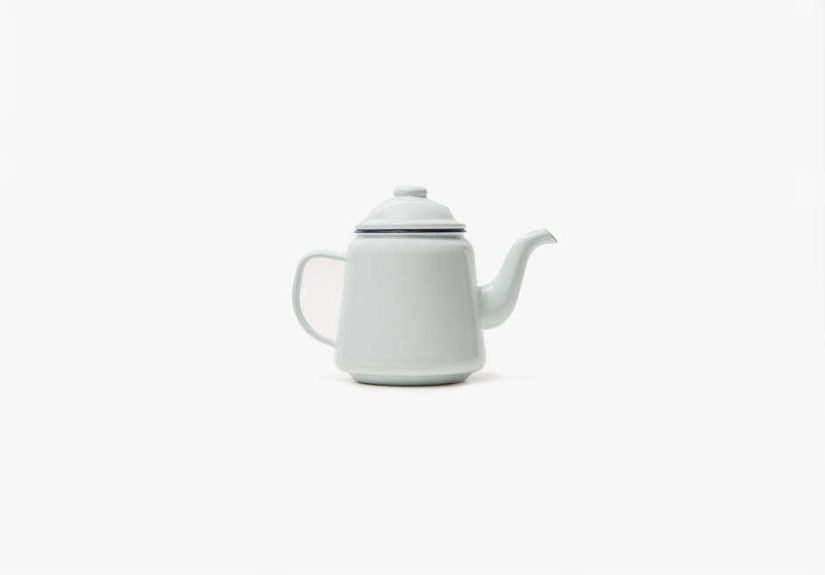
Vintage teapots, chipped enamel kettles, and colorful cookie tins bring
instant cottage style to a porch or patio. Drill a few holes in the bottom (or
add a hidden nursery pot inside), fill with potting mix, and you’ve got a
whimsical home for small flowers or succulents. Roundups of recycled planter
ideas often show shelves of patterned cans and tins covered with decoupage or
painted in bright hues for a cheerful “garden pantry” look.
Mugs, Bowls, and Mixing Containers
Single mugs with missing mates, cracked mixing bowls, and mini casserole
dishes are perfect for tabletop plantings. They’re shallow, so stick to
low-growing succulents or heat-tolerant annuals. Group several in different
colors for a funky centerpiece on an outdoor dining table.
Category 2: Vintage Junk with Serious Curb Appeal
Toolboxes, Crates, and Drawers
Old metal toolboxes, wooden crates, and dresser drawers are beloved by
“vintage junk” gardeners for a reason: they create instant structure and can
hold multiple plants at once. Bloggers who specialize in repurposed style
often line toolboxes with plastic, fill them with soil, and plant rows of
herbs or annuals for a portable mini-garden.
Dresser drawers stacked into a tiered planter look especially eye-catching on
a porch or beside steps. Just remember to drill drainage holes and add
bricks or blocks underneath if they’ll sit directly on the ground.
Chairs, Benches, and Bed Frames
Got a dining chair with a broken seat or a headboard that no longer fits your
décor? Cut out the seat, drop in a pot or metal bowl, and suddenly it’s a
“chair planter” worthy of a magazine. Upcycling fans have also transformed
old benches into long planter boxes and turned headboards into vertical
garden backdrops.
Wheelbarrows, Washtubs, and Buckets
Heavy-duty items like galvanized washtubs, metal buckets, and retired
wheelbarrows make excellent centerpieces in larger yards. They’re big enough
to host mixed plantings: think a thriller (tall plant) in the middle, fillers
around it, and spillers draping over the edge. “Garden junk” features often
showcase old wheelbarrows tipped on their side with flowers “spilling” onto
the ground, creating a playful river of blooms.
Category 3: Outdoor Odds and Ends that Turn into Statement Pieces
Cinder Blocks and Bricks
Cinder blocks may be the unsung heroes of upcycled container gardening. U.S.
garden sites highlight how you can stack them into modular walls, firepit
surrounds, or stair-stepped planters with pockets for succulents and herbs.
Slip soil into the hollow cores, add plants, and suddenly that stack of
leftover blocks looks intentional and modern. Paint them bright colors for a
funky vibe or leave them raw for industrial charm.
Tires, Ladders, and Pallets
Painted tires stacked into towers, sliced into whimsical “teacup” shapes, or
hung from trees are common stars in upcycled-planter galleries. While some
gardeners prefer to use tires mainly for ornamental plantings, they’re great
for vigorous flowers or hardy shrubs.
Wooden ladders and pallets, meanwhile, become vertical gardens. Lean a ladder
against a fence, add boards across rungs, and line it with potted herbs. Or
hang pallet slats on a wall and tuck small pots, cans, or boxes into the
gaps. Numerous recycled-garden guides showcase pallets as a flexible way to
grow more in less space.
Gutters, Pipes, and Unusual Hardware
Leftover lengths of PVC pipe or rain gutter can be capped at the ends, drilled
with holes, and planted with lettuces, strawberries, or small flowers. Some
DIYers cut openings along the sides to create a cascading effect of plants.
Upcycling roundups also highlight quirky options like cake tins, mailboxes,
and even old musical instruments repurposed as planters.
Category 4: Clothing, Toys, and Other Unexpected Planter Stars
Boots, Shoes, and Sneakers
Those rain boots your kid outgrew? Instant fence planters. Many
step-by-step features show colorful boots screwed to a fence or railing and
filled with cheerful annuals or trailing sedums. Old hiking boots or work
shoes bring a rugged, forest-y feel when planted with mosses and ferns.
Toys, Trucks, and Dollhouses
Garden bloggers who love whimsical décor often plant succulents in toy
dump trucks, plastic dinosaurs, or even dollhouses, tucking soil into
compartments and balconies. It’s a fun way to create kid-friendly miniature
gardens that encourage children to get involved in planting and watering.
Fabric, Jeans, and Hanging Pockets
Denim pockets, old overalls, and fabric shoe organizers can all become soft
planters. Slip plastic bags or nursery pots inside the pockets, cut drainage
holes, and hang on a sunny wall or fence. This works especially well for
herbs, small annuals, or strawberries, and adds a playful “laundry line”
moment to your yard.
Smart Design Tips So Funky Still Looks Fabulous
Stick to a Loose Color Palette
With upcycled planters, it’s easy to accidentally slip into “yard sale
exploded” territory. To keep things cohesive, choose two or three main
colorsmaybe white, turquoise, and yellowand repeat them across different
containers. Even if the items themselves are wildly different, repeating
colors and materials ties everything together.
Repeat Shapes and Materials
Group similar items for impact: three metal buckets, a row of boots, or a
stack of wooden crates. U.S. container-garden guides frequently recommend
repeating elements in odd numbers and varying heights to create rhythm and
visual interest.
Mix Heights and Textures
Use plant stands, cinder blocks, or stacked crates to lift certain planters
higher. Combine weathered wood with sleek metal, soft foliage with spiky
grasses, and trailing plants with upright bloomers. The more contrast you
introducewithin that loose color schemethe more your funky planters look
like intentional art.
Planting Ideas for Upcycled Containers
Succulents: Low-Maintenance Superstars
Succulents shine in small, shallow, or oddly shaped containers because they
don’t need a ton of soil or water. Many inspiration galleries pair them with
cake tins, tool caddies, toys, and vintage glassware for sculptural, low-care
arrangements.
Herbs and Edibles
For containers that are food-safe, fill them with herbs, salad greens, or
strawberries. Recycled seedling containers like eggshells, newspaper pots, and
small paper cups are perfect for starting plants before moving them into
larger upcycled planters for the season.
Pollinator-Friendly Blooms
Fun planters deserve flowers that earn their keep. Choose nectar-rich blooms
like zinnias, lantanas, salvias, and cosmos so your quirky containers also
support bees and butterflies. Group several pollinator planters together to
create a buzzing little ecosystem on your patio or balcony.
Hometalk-Style Project Ideas You Can Try This Weekend
1. The Colander Herb Chandelier
Transform three thrifted colanders into a hanging “herb chandelier”:
- Spray-paint them in fun colors.
- Thread rope or chain through the handles and gather at a central hook.
- Fill with potting mix and plant trailing herbs like thyme or oregano.
- Hang over a patio table where you can snip herbs while you cook.
2. The Vintage Toolbox Salad Bar
Line a metal toolbox with heavy plastic, poke a few drainage slits, and fill
it with potting mix. Plant looseleaf lettuce, arugula, and baby kale in rows.
Set it on a potting bench or table near the kitchen door. Instant portable
salad bar, plus a hefty dose of rustic charm.
3. The Cinder Block Succulent Wall
Stack cinder blocks in a staggered pattern along a fence or wall so some
openings face upward. Line each pocket with landscape fabric, fill with gritty
succulent mix, and plant sedums, hens-and-chicks, or trailing rosettes. It’s
budget-friendly, durable, and looks like modern sculpture.
4. The Storytelling Wheelbarrow
Take an old wheelbarrow, drill a few extra holes in the bottom, and fill it
with soil. Create a layered planting with a small shrub or grass in the
center, mounding perennials around it, and trailing flowers at the edges.
Prop a little sign or vintage tool next to it to tell the “backstory” of your
repurposed star.
Real-Life Lessons: Experiences with Unique, Funky Upcycled Planters
Spend any time scrolling through Hometalk projects or garden junk boards and
you’ll notice a theme: nobody starts out with a perfectly styled yard. Most
people begin with one random object they can’t bear to throw away and a
half-bag of potting soiland then they experiment.
One common experience gardeners share is the “oops, no drainage” moment. A
shiny metal container looks gorgeous… right up until the first heavy rain
turns it into a mini swamp. Many DIYers admit they learned the hard way that
drilling drainage holes is non-negotiable. After losing a plant or two, they
now keep a drill bit dedicated to planter projects and automatically flip any
new container over to check for holes before planting.
Another frequent story: collections get out of handin a good way. Someone
starts with one boot planter, then friends and neighbors begin donating
mismatched shoes and old rain boots “for your garden.” Before long, a small
fence becomes an entire “boot wall” bursting with marigolds and petunias. It
turns into a neighborhood conversation starter and, for many people, a kind of
memory board. Each boot might be tied to a child’s growth spurt or a favorite
hiking trip, so the planter display takes on emotional meaning, not just
decorative value.
Gardeners who love funkier, more adventurous ideaslike doll head planters or
brightly painted tire stacksalso talk about learning to balance whimsy with
design. A single quirky piece can look edgy and fun; a dozen, scattered
randomly, can feel chaotic. Over time, many Hometalk-style creators develop a
simple rule: for every “weird” planter, include a few calmer companions in
neutral colors or classic shapes. That way, the wild objects become focal
points instead of visual noise.
There’s also the matter of maintenance. Upcycled planters can dry out faster
than traditional pots, especially if they’re metal or small. Gardeners often
describe a first season of constant watering, followed by some smart tweaks:
grouping thirstier planters near a hose, adding drip irrigation lines, or
switching certain containers over to succulents that can handle more neglect.
Others line metal containers with coir or landscape fabric to insulate roots
from summer heat.
One of the most rewarding experiences people report is the reaction from
guests and neighbors. A repurposed planter almost always comes with a story,
whether it’s “that was my grandmother’s wash tub” or “I found this ladder in
a demolition pile.” Upcycled planters turn a regular garden tour into a
treasure hunt, where every object has history and personality.
Finally, many DIYers say that once they embrace upcycling in the garden, they
start seeing potential in everything. A broken laundry basket stops being
trash and becomes a potato tower. A stack of cardboard boxes becomes a set of
biodegradable seedling pots. A chipped birdbath becomes a tiny fairy garden.
That shiftfrom consumer to creative problem solveris exactly the energy
that makes Unique, Funky Upcycled Garden Planters feel so fun and empowering.
It’s not just about saving money or saving the planet; it’s about turning your
outdoor space into a living, blooming reflection of your imagination.
Conclusion: Let Your Garden Get a Little Weird
Upcycled garden planters are where creativity, sustainability, and budget
friendliness collide. With a few simple ground rulesgood drainage, safe
materials, quality soiland a willingness to experiment, you can transform
everyday objects into show-stopping containers that feel right at home on
Hometalk or any DIY platform.
Start with one funky idea: maybe a colander herb hanger, a cinder block
succulent wall, or a sentimental toolbox salad bar. Once you see how much
personality that single planter adds, you’ll never look at “junk” the same
way again. Your yard doesn’t need to be perfect; it just needs to look and
feel like you. And if that means marigolds in mismatched boots and petunias
in an old wheelbarrow, your garden is already winning.