


Table of Contents >> Show >> Hide
- Why Italian Glass Pendant Lights Are So Irresistible
- The High: Gallery-Worthy Italian Glass Pendant
- The Low: Budget-Friendly Look-Alikes That Still Shine
- High/Low Strategy: Where to Splurge and Where to Save
- How to Choose the Right Italian-Style Glass Pendant
- Getting the Height Right (So You Don’t Bonk Your Head)
- Styling Italian Glass Pendants in Different Interiors
- Care, Maintenance, and Bulb Choices
- Real-Life High/Low Experience: From Mood Board to Breakfast Table
- Conclusion: Designing Your Own High/Low Italian Pendant Story
Picture this: you’re strolling past a chic home store window and suddenly stop dead in your tracks.
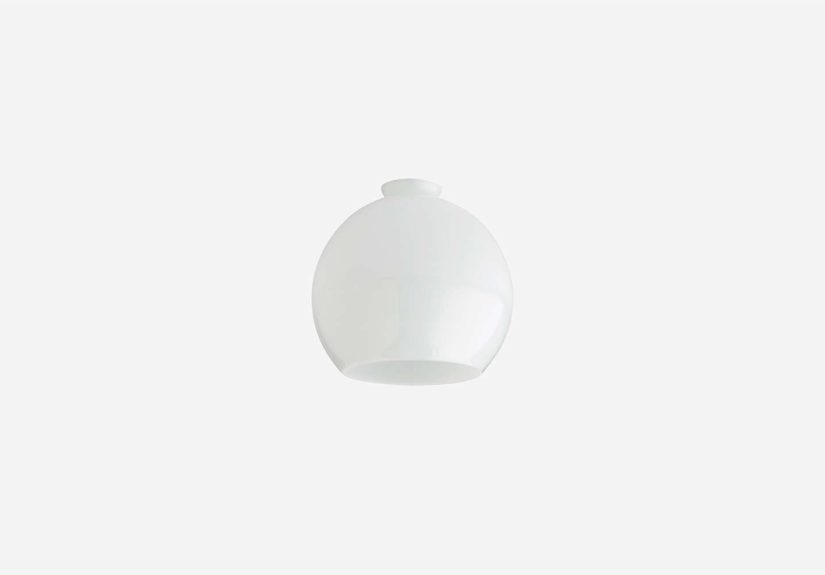
There, glowing like tiny moons, are bell-shaped glass pendants that look straight out of an Italian design museum.
Are they the real-deal Murano masterpieces… or the wallet-friendly cousins? Welcome to the delicious tension of
high/low Italian glass pendant lights.
Inspired by Remodelista’s classic High/Low approach, this guide breaks down why Italian glass pendants have
such a hold on designers, how to tell a splurge from a smart save, and how to hang them so nobody in your home
gets a concussion at breakfast. We’ll talk Murano glass, kitchen island lighting rules, and clever tricks to mix
designer pieces with budget versions so your space looks curated, not chaotic.
Why Italian Glass Pendant Lights Are So Irresistible
Italian glass lighting, especially the kind rooted in Murano’s centuries-old glassmaking tradition, has a certain
magic. These pendants are not just light fixtures; they’re tiny sculptures that happen to illuminate your coffee.
- Hand-blown character: No two shades are absolutely identical. Slight ripples and bubbles create a soft, living quality.
- Rich but subtle color: From milky opaline white to smoky gray and warm amber, Italian glass tends to glow rather than shout.
- Elegant shapes: Classic bell, dome, and teardrop silhouettes pair easily with modern, traditional, or rustic interiors.
- Quiet luxury: Even in a simple kitchen, an Italian glass pendant immediately signals “someone cared about the details.”
That combination of craftsmanship and understatement is why these fixtures show up everywhereover kitchen islands,
in minimal dining rooms, in lofts, and even in museums and design galleries. They’re the jewelry of the home.
The High: Gallery-Worthy Italian Glass Pendant
On the “high” end, you’re looking at designer Italian glass pendants made from mouth-blown glass,
often in Murano, paired with beautifully finished hardware. Think of the archetypal bell-shaped shade in clear or
opaline glass, suspended from a slim metal canopy in satin nickel or polished chrome.
These fixtures usually come with:
- Precision craftsmanship: Glass is blown by skilled artisans, then carefully cooled and finished for clarity and strength.
- Architectural presence: The proportions are refinedthin hardware, perfect curves, and balanced scale.
- Museum-level cred: Many iconic Italian pendants appear in design museums, restaurants, and high-end hotels.
- Price tags to match: Expect to pay several hundred dollars (or more) per light for true designer pieces.
Why would someone splurge? Because one perfect piece can anchor an entire room. A single high-end Italian pendant
over a dining table or in an entryway can become the focal point, while more affordable fixtures can quietly support
it elsewhere in the home.
The Low: Budget-Friendly Look-Alikes That Still Shine
Now for the fun part: the low in this high/low story. Many mainstream retailers have created pendants
clearly inspired by classic Italian designssame bell silhouette, similar scale, simple metal canopyat a fraction of
the cost. You don’t get hand-signed Murano glass, but you do get a very convincing vibe.
Budget-friendly Italian-style pendants often offer:
- Molded rather than hand-blown glass: Less artisanal, but still clean and attractive.
- Multiple finish options: Polished nickel, brass, bronze, or blackperfect for tailoring to your hardware.
- Accessible price point: Typically in the low- to mid-hundreds, so you can buy a trio for a kitchen island without needing a second mortgage.
- Off-the-shelf availability: Shorter lead times and easy returns compared to fully custom or imported pieces.
The trick is choosing a low option that nails the proportions: a refined bell shape, no clunky hardware, and a glass
shade that doesn’t look cloudy or tinted the wrong color. When you get those details right, most guests will never
know whether your pendant came from a gallery in Venice or a well-known big-box retailer.
High/Low Strategy: Where to Splurge and Where to Save
You don’t have to be all high or all low. The smartest interiors use a mix-and-match strategy:
- Splurge on the centerpiece: Use your high-end Italian glass pendant in the most visible spot: over the dining table, in the entry, or above a kitchen island viewed from the living room.
- Save on the supporting cast: In secondary locationspantry, hallway, home officechoose well-designed but more affordable look-alikes.
- Repeat the silhouette: Keep similar shapes (bell, dome, globe) so your high and low pendants feel related, not random.
- Match color temperature: Use the same LED color temperature (typically 2700K–3000K) so expensive and inexpensive fixtures cast the same warm glow.
From a distanceand on your Instagram feedwhat people notice is the overall composition: the glow, the spacing, the
mood. If you plan carefully, your “low” fixtures simply extend the atmosphere created by the “high” one.
How to Choose the Right Italian-Style Glass Pendant
1. Shape and Silhouette
Bell-shaped pendants are the classic choice, but Italian glass design offers more than one pretty curve:
- Bell: Soft, timeless, works in nearly any kitchen or dining space.
- Globe: Perfect for modern and Scandinavian interiors, especially in opal or frosted glass.
- Tapered or teardrop: Elegant and slightly dressy, great for dining rooms or bedrooms.
- Organic sculptural forms: For a truly artisanal feel, look for slightly irregular shapes reminiscent of water drops or shells.
For a remodel inspired by Remodelista’s high/low pairing, a simple bell or dome is your safest, most versatile bet.
2. Glass Finish and Color
Glass finish dramatically affects mood:
- Clear glass: Bright and crisp. Shows the bulb clearlygreat if you’re using a pretty filament LED.
- Opal or frosted: Soft, cloud-like glow and more forgiving on dust and fingerprints.
- Smoked or tinted: Adds drama in darker kitchens or dining rooms but can reduce overall light output.
- Patterned or millefiori glass: Very Italian, very “statement.” Best as a one-off focal piece.
If your kitchen already has a lot of patternveined stone, busy tilestick to clear or opal glass. If the envelope is
calm and minimal, a more decorative Italian pendant can become the star.
3. Metal Finish and Details
The hardware on Italian glass pendant lights looks simple, but it matters. Thin stems, slim canopies, and neat
detailing keep the focus on the glass. Match (or intentionally contrast) with your cabinet pulls and faucet:
- Polished nickel or chrome: Fresh and versatile; works with cool-toned kitchens.
- Brushed brass: Warm and luxe, especially with creamy cabinets and natural stone.
- Bronze or black: Adds contrast and a slightly industrial or farmhouse feel.
If you’re doing a high/low mix, use similar metal finishes across different brands so the whole house feels cohesive.
4. Size, Scale, and Quantity
Getting the scale right is half the battle. As a general rule:
- For a standard kitchen island, two to three medium-sized pendants (10–14 inches wide) usually feel balanced.
- For a small island or peninsula, a single larger Italian glass pendant can look beautifully intentional.
- Over a dining table, one generous pendant or a pair of medium pendants is often enough.
When in doubt, cut paper circles to the diameter of your proposed shades and tape them to the ceiling. If you feel like
you’re about to open a lighting store, you’ve gone too far.
Getting the Height Right (So You Don’t Bonk Your Head)
Designers repeat one guideline so often it might as well be etched into glass: hang kitchen island pendants
about 30–36 inches above the countertop. That’s usually around 5’6″ to 6′ from the floor in a standard
eight-foot-ceiling kitchen. It’s enough clearance for movement, but low enough to gently light the surface.
Some practical rules of thumb:
- Over kitchen islands: 30–36 inches between the countertop and the bottom of the shade.
- Over dining tables: Roughly 28–36 inches above the tabletop, depending on ceiling height and shade size.
- Ceilings higher than 8 feet: Add 2–3 inches of hanging height for every extra foot of ceiling height.
- Spacing: For multiple pendants, keep the widest part of each shade about 24–30 inches apart, with at least 6 inches from each end of the island or table.
Before finalizing, lower your pendants temporarily (even with painter’s tape and string) and walk around. If anyone
in the household has to duck, raise them. Good lighting should flatter you, not make you feel like you live in a submarine.
Styling Italian Glass Pendants in Different Interiors
Modern Minimal Kitchen
Pair clear bell-shaped Italian glass pendants with flat-front white cabinets, pale oak floors, and slim bar pulls.
Use warm 2700K LED bulbs to keep the space from feeling clinical. A single high-end Italian pendant over the island,
echoed by more budget-friendly pendants in the breakfast nook, creates a calm, unified look.
Warm European-Inspired Space
Think creamy plaster walls, stone counters, and unlacquered brass hardware. Here, an opaline or softly tinted glass
pendant feels right at home. The bell shape nods to classic Italian cafes, while the glow helps the room feel cozy
well into the evening.
Industrial Loft or Urban Apartment
In a loft, Italian glass pendants can soften exposed brick and metal. Choose smoked glass or oversized globes on
black cords. You can mix one “high” artisan piece in the living area with simpler versions in the kitchen, all
sharing the same color temperature and basic silhouette.
Care, Maintenance, and Bulb Choices
Gorgeous glass only stays gorgeous if you care for itespecially in kitchens where steam and cooking oils drift up
to meet your lighting.
- Regular dusting: Wipe shades with a soft microfiber cloth every couple of weeks.
- Deeper cleaning: Turn off power, remove shades, and wash in warm soapy water. Dry thoroughly before rehanging.
- Fingerprints rescue: A quick wipe with a glass cloth or diluted vinegar solution (on clear glass) eliminates smudges.
- LED, always: Opt for dimmable LED bulbslong life, less heat, and beautiful light.
- Color temperature: 2700K–3000K gives a warm, Italian-bistro glow; 3000K–3500K feels a bit crisper and more modern.
If you’ve invested in a true Murano pendant, treat it like an heirloom: no harsh cleaners, no abrasive sponges, and
definitely no balancing on a wobbly chair to clean it.
Real-Life High/Low Experience: From Mood Board to Breakfast Table
To understand how this high/low dance works in real life, imagine a small galley kitchen in an old city apartment.
The ceilings are decent, the cabinets are fine, but the original lighting is a single sad flush-mount that buzzes
faintly whenever the fridge kicks on. The dream? A soft, Italian glow over a newly added island.
The homeowners fall in love with a hand-blown Italian glass pendant: a clear bell shade with subtle ripples,
suspended from a neat satin-nickel canopy. It costs more than their first car payment, but they decide to treat it as
a forever piece. This becomes the “high”the star of the showhung precisely 33 inches above the island.
Next, they need more lighting: one fixture over the sink, another over a small built-in breakfast banquette. Instead
of buying a whole family of high-end pieces, they hunt down budget pendants with a similar bell shape and matching
metal finish. The glass is molded rather than hand-blown, but from across the room, everything reads as part of the
same story.
During installation day, they play with height. At first, the island pendant hangs too high; it feels like a ceiling
fan that forgot its blades. They lower it toward the countertop, using the 30–36-inch rule as a guide, and suddenly
the kitchen feels intimate and grounded. The cheaper pendants over the sink and banquette are hung to match the sight
lines from the living room, so the eye travels smoothly through the open space.
For bulbs, they start with cool white LEDsthen quickly swap them out. Under the cooler light, the kitchen looks like
a lab. With warm 2700K bulbs installed, the glass shades glow softly, the stone countertop looks richer, and
breakfast feels less like a science experiment and more like a vacation.
A few weeks later, friends come over. Everyone compliments the “Italian lights.” No one asks which one is the expensive
designer pendant and which ones came from a big-box retailer. They just notice the atmosphere: warm, cohesive, a
little bit European. That’s the power of a smart high/low approachyou get the soul of Italian design, with enough
room in the budget for good coffee and fresh flowers on the island.
The lesson? Let one special Italian glass pendant set the tone, then support it with simple, well-chosen look-alikes.
Respect the height rules, pay attention to bulb color, and keep your finishes consistent. Your kitchen doesn’t need
a museum budget to feel beautifully litit just needs a thoughtful mix of high and low.
Conclusion: Designing Your Own High/Low Italian Pendant Story
Whether you’re renovating a full kitchen or just replacing a tired fixture, an
Italian glass pendant light can completely change the mood of a room. Splurge on a piece that makes
your heart skip a beat, then layer in budget-friendly pendants that echo its shape and finish. Hang them at the right
height, choose warm, flattering bulbs, and suddenly your everyday routinesmaking coffee, answering emails at the
island, late-night pastafeel a little bit la dolce vita.