Table of Contents >> Show >> Hide
Iron does a lot more than sit politely in your multivitamin. It helps your body make hemoglobin, move oxygen where it needs to go, support muscle function, and keep your energy from filing a formal complaint halfway through the day. When your iron intake runs low, you may feel tired, weak, foggy, or just oddly unenthused about life in general. The good news? Your plate can help.
This guide rounds up 52 foods high in iron, from shellfish and beef to lentils, fortified cereals, seeds, and even dark chocolate. Along the way, you’ll also learn the difference between heme and nonheme iron, how to improve absorption, and how to turn these foods into meals you’ll actually want to eat. Because “just eat more iron” sounds simple until you’re staring into the fridge at 6:47 p.m. holding a lonely yogurt.
Why Iron Matters More Than People Think
Iron is essential for making hemoglobin, the protein in red blood cells that carries oxygen throughout your body. It also helps support myoglobin in muscle tissue, healthy growth, hormone production, and normal cellular function. In other words, iron is not an optional backstage crew member. It is part of the main cast.
Some groups need to pay especially close attention to iron intake, including menstruating women, pregnant people, infants, teens during growth spurts, frequent blood donors, and people who eat little or no meat. If your iron stores fall too low over time, iron-deficiency anemia can develop. That can bring symptoms like fatigue, pale skin, weakness, dizziness, headaches, shortness of breath, and poor exercise tolerance.
Heme vs. Nonheme Iron: The Plot Twist on Your Plate
Not all iron is absorbed the same way. Heme iron comes from animal foods like meat, poultry, and seafood, and your body tends to absorb it more easily. Nonheme iron comes from plant foods and fortified products like beans, leafy greens, bread, cereals, and tofu. It still counts, absolutely, but it needs a little more teamwork.
The simplest upgrade is to pair nonheme iron foods with vitamin C-rich ingredients. Think lentils with tomatoes, spinach with strawberries, or fortified cereal with berries. It also helps to avoid washing down an iron-rich meal with tea or coffee, and to avoid pairing iron-heavy foods with a large calcium hit when possible. Iron is helpful, but apparently it enjoys a very specific social environment.
52 Foods High In Iron
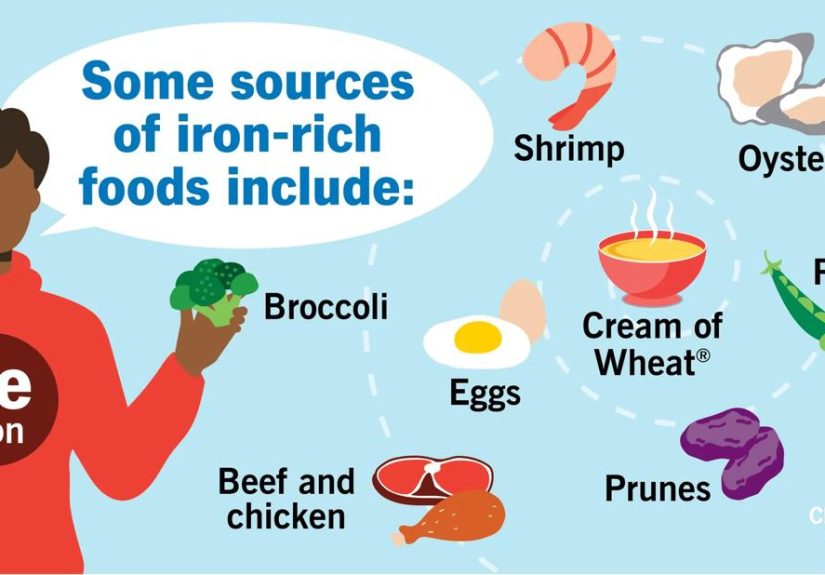
Below are 52 iron-rich foods organized by category so you can mix, match, and meal-prep without turning dinner into a chemistry exam.
Seafood, Meat, Poultry, and Eggs
- Oysters – One of the standout iron-rich seafood choices and a classic heme iron powerhouse.
- Clams – Tiny shells, big iron energy.
- Mussels – A smart shellfish pick when you want iron plus protein.
- Scallops – Mild, quick-cooking, and useful in iron-friendly seafood meals.
- Shrimp – Convenient, fast, and easy to add to grain bowls or salads.
- Tuna – A practical option for sandwiches, rice bowls, and quick lunches.
- Sardines – Small fish with a surprisingly strong nutrition résumé.
- Mackerel – Rich, flavorful, and helpful for boosting heme iron intake.
- Haddock – A lean fish option that still contributes useful iron.
- Salmon – Not the highest-iron fish on earth, but still a worthwhile contributor.
- Lean beef – One of the best-known heme iron foods and widely recommended for low-iron diets.
- Beef liver – A major iron source for people who like organ meats.
- Chicken liver – Another highly concentrated source of heme iron.
- Turkey, especially dark meat – Easy to use in soups, sandwiches, and leftovers that actually feel exciting.
- Chicken, especially dark meat – A familiar staple with more iron than many people expect.
- Pork – Offers heme iron and works well in weeknight dinners.
- Lamb – A flavorful red meat choice that can help diversify iron intake.
- Eggs – Especially the yolks, which contribute modest but useful iron.
Beans, Soy Foods, and Other Plant Proteins
- Lentils – Affordable, versatile, and one of the best plant-based iron foods.
- Chickpeas – Great in hummus, soups, curries, and crunchy roasted snacks.
- Soybeans – A standout nonheme iron source with serious staying power.
- Kidney beans – Hearty, filling, and excellent in chili.
- White beans – Mild in flavor and easy to blend into soups or spreads.
- Black-eyed peas – A traditional favorite with useful iron content.
- Green peas – Small but respectable when it comes to iron.
- Tofu – A plant-based staple that earns its spot on any iron-friendly list.
- Tempeh – Nutty, firm, and a smart option for meatless meals.
- Edamame – Snackable, freezer-friendly, and refreshingly easy.
Fortified Grains, Cereals, and Starches
- Cream of Wheat – Famous in iron lists for good reason.
- Fortified breakfast cereal – One of the fastest ways to raise iron intake without cooking like a reality-show finalist.
- Bran cereal – Another fortified option that can pull real weight at breakfast.
- Oat cereal – Helpful when you want something familiar and easy.
- Enriched pasta – A useful pantry staple that quietly contributes iron.
- Enriched rice – Not flashy, but it gets the job done.
- Whole-wheat bread – Convenient for sandwiches, toast, and snack plates.
- Rye bread – A flavorful bread option with iron benefits.
- Cornmeal – Handy for polenta, cornbread, and other comfort foods.
Vegetables and Fruit That Pull Their Weight
- Spinach – The celebrity of leafy greens, and yes, it still deserves the attention.
- Kale – Sturdy, nutrient-dense, and happy in soups or sautés.
- Collard greens – A strong iron-friendly side dish when cooked well.
- Broccoli – Helpful because it brings both iron and vitamin C to the table.
- Potatoes – Especially useful when the skin stays on and the toppings are smart.
- Tomato paste – Concentrated flavor with a little iron bonus built in.
- Raisins – An easy lunchbox or trail-mix addition.
- Prunes – Old-school, yes; useful, also yes.
- Figs – Naturally sweet and a nice addition to snacks or breakfast.
Nuts, Seeds, and Iron-Rich Extras
- Pumpkin seeds – One of the most practical iron-rich toppings around.
- Sesame seeds – Tiny seeds with surprisingly useful nutrition.
- Cashews – Snackable and easy to add to grain bowls or stir-fries.
- Pistachios – Great for snacking and better than pretending chips are a personality trait.
- Blackstrap molasses – A traditional iron-rich ingredient often stirred into oatmeal or baked goods.
- Dark chocolate – Proof that nutrition advice occasionally remembers joy.
How to Build an Iron-Smarter Meal
Knowing the list is useful. Using the list is where the magic happens. The easiest way to eat more iron is to combine one iron source with one vitamin C source and one food you already like. That last part matters. Nobody sticks with a plan built entirely on nutritional virtue and emotional suffering.
- Breakfast: Fortified cereal with strawberries, or Cream of Wheat with raisins and pumpkin seeds.
- Lunch: Lentil soup with tomato-rich broth and whole-wheat toast.
- Dinner: Lean beef, broccoli, and enriched rice; or tofu stir-fry with bell peppers.
- Snack: Cashews, figs, and a few squares of dark chocolate.
If you eat plant-based, consistency matters more than perfection. You do not need to eat spinach in heroic quantities. You just need regular, thoughtful variety: beans, soy foods, fortified grains, seeds, greens, and fruit or vegetables rich in vitamin C.
When Food Alone May Not Be Enough
An iron-rich diet is a smart foundation, but it is not always the whole solution. If someone has very low iron stores, ongoing blood loss, digestive absorption problems, or diagnosed anemia, food may help without fully correcting the issue. In those cases, a clinician may recommend testing, supplements, or treatment of the underlying cause.
That matters because not every tired day equals low iron, and not every low-iron situation should be handled with random supplements from the internet. If you have persistent fatigue, frequent headaches, shortness of breath, dizziness, pale skin, or unusual cravings like chewing ice, it is worth getting checked rather than playing nutrition detective forever.
What Real-Life Experience With Iron-Rich Eating Often Looks Like
If you have ever tried to eat more iron on purpose, you already know the experience rarely begins with some glamorous wellness montage. It usually starts with a very ordinary moment: feeling wiped out by midafternoon, wondering why climbing stairs suddenly feels like a group project, or realizing your usual meals are built around carbs, convenience, and wishful thinking. Then comes the research phase, where “eat more iron” sounds simple until you realize there are two types of iron, absorption is weirdly dramatic, and somehow your morning coffee has become a suspicious character in the story.
For many people, the first noticeable shift is not instant superhero energy. It is a more subtle sense that meals become more intentional. Breakfast stops being random toast and becomes fortified cereal with berries, or oatmeal with pumpkin seeds and raisins. Lunch turns into lentil soup, leftover turkey, or a bean bowl with tomatoes. Dinner gets built around an iron source instead of treating protein and vegetables like optional side quests. That kind of structure often feels more sustainable than “dieting” because it is not about eating less. It is about eating smarter.
Another common experience is learning that plant-based iron can absolutely work, but it responds best to strategy. A spinach salad alone may look healthy, but a spinach salad with strawberries, chickpeas, and pumpkin seeds is working much harder for you. Tofu with broccoli and peppers makes more nutritional sense than tofu by itself. Once people understand that vitamin C helps nonheme iron absorption, meals start to click. Suddenly the orange slices on the side are not decorative. They are part of the plan.
There is also the practical side: iron-friendly eating tends to reward people who keep reliable staples around. Canned beans, fortified cereal, tomato paste, frozen spinach, eggs, tuna, pumpkin seeds, and whole-grain bread can rescue a weekday in a hurry. That is a big deal because the real enemy of good nutrition is often not knowledge. It is exhaustion. People do better when the iron-rich option is the easy option.
And yes, there is usually a moment of comedy. Maybe it is discovering that blackstrap molasses tastes like history class and minerals. Maybe it is realizing liver is technically nutritious but emotionally unavailable. Maybe it is pretending dark chocolate is a medical intervention. Real-life eating is messy, repetitive, and deeply human. The best iron plan is not the one that looks perfect on paper. It is the one you can actually live with.
Over time, many people describe feeling steadier when they consistently eat iron-rich foods: fewer energy crashes, better stamina, and less of that drained, washed-out feeling that makes the day seem longer than it needs to be. Food is not magic, but it can be powerful. And when your meals start supporting your iron intake on purpose, your body tends to notice.
Conclusion
The best foods high in iron are not limited to one category or one eating style. Seafood, red meat, poultry, eggs, beans, tofu, fortified cereals, leafy greens, dried fruit, nuts, and seeds can all help you build a diet that supports healthy iron levels. The smartest move is not memorizing all 52 foods like it is a pop quiz. It is choosing a handful you genuinely enjoy and putting them on repeat.
Start with a few easy wins, pair plant-based iron with vitamin C, and pay attention to how your meals are built across the week. A little strategy goes a long way. Iron may be a mineral, but in everyday life, it behaves more like a teammate: quiet, crucial, and very noticeable when it does not show up.