Table of Contents >> Show >> Hide
- Before You Wash: 6 Smart Checks That Save Your Curtains
- Way 1: Machine Wash Linen Curtains (Best for Most Unlined or Lightly Lined Panels)
- Way 2: Hand-Wash Linen Curtains (Best for Delicate Linen, Trims, or Smaller Panels)
- Way 3: Professional Dry Cleaning (Best for Lined, Blackout, Custom, or Structured Linen Drapes)
- How Often Should You Wash Linen Curtains?
- How to Remove Wrinkles From Linen Curtains After Washing
- Common Questions About Washing Linen Curtains
- Final Thoughts
- Extra Section: Real-Life Experiences Washing Linen Curtains (About )
Linen curtains are the overachievers of home decor. They soften harsh sunlight, make a room look expensive, and somehow still manage to collect dust like it’s their side hustle. The good news? Washing linen curtains doesn’t have to be a stressful, “one wrong move and now they fit a dollhouse” kind of project.
If you use the right method, linen curtains can stay clean, fresh, and beautifully drapey for years. The trick is choosing a cleaning method based on the curtain’s actual constructionnot just the fabric name. Some linen curtains can go straight into the washer, some do better with hand-washing, and some should absolutely be treated like VIPs and sent to the dry cleaner.
In this guide, you’ll learn 3 ways to wash linen curtains, how to avoid shrinkage, what to do about wrinkles, and how often to clean them so your window treatments don’t quietly become giant dust filters.
Before You Wash: 6 Smart Checks That Save Your Curtains
Before we get into the three methods, do this quick prep. It takes 5–10 minutes and can prevent most curtain disasters.
1) Read the care label first
This is the golden rule. Some linen curtains are unlined and machine washable. Others are lined, blackout-backed, interlined, pleated, or custom-sized and may be dry clean only. If the care tag says dry clean only, believe it. This is not the moment for optimism.
2) Remove all hardware
Take off hooks, rings, pins, clips, and detachable weights. Metal hardware can snag linen fibers, scratch your washer drum, or leave rust marks. Also, nobody wants to hear the soundtrack of curtain rings clanging around the spin cycle.
3) Shake out dust and vacuum first
Linen holds onto dust, pet hair, and pollen. Give curtains a good shake outside if possible, then vacuum with a soft brush attachment. This keeps dirt from turning into muddy streaks once water hits the fabric.
4) Spot-treat visible stains gently
Use a small amount of mild detergent mixed with water and blot (don’t rub) stains with a white cloth. Rubbing can push stains deeper and rough up linen fibers. For kitchen curtains, this step is especially helpful for grease spots.
5) Sort by color and weight
Wash white, cream, and darker linen curtains separately. If you’re washing a pair, wash them together so they age evenly. Don’t wash linen curtains with towels, jeans, or heavy itemslinen needs room to move and rinse.
6) Expect some wrinkles
Linen wrinkles. That’s not a flaw. That’s the aesthetic. You can reduce wrinkles, but if you want totally crisp curtains all the time, linen may politely suggest another fabric.
Way 1: Machine Wash Linen Curtains (Best for Most Unlined or Lightly Lined Panels)
This is the easiest and most common method for washable linen curtains. If your care label allows machine washing, this is your go-to. It works best for unlined linen curtains, lightweight linen blends, and many standard panels.
When machine washing is a good idea
- The care label says machine wash
- The curtains are unlined or lightly lined
- There’s no delicate trim, embroidery, or structured pleating
- You can wash them in a roomy machine without overstuffing
Step-by-step machine wash method
- Remove hardware and shake/vacuum first. Dust first, always.
- Turn panels inside out (if practical) to reduce surface wear.
- Use a gentle or delicate cycle. Choose cold water (or cool water if your care label allows).
- Add a mild detergent. Skip harsh cleaners and avoid bleach unless the label specifically allows it.
- Wash curtains separately. Do not crowd the machine. Linen needs space for a gentle rinse.
- Use a slow spin if your washer allows it. Less spin stress means fewer hard creases.
Machine wash mistakes to avoid
- Hot water: Heat increases shrinkage risk and can dull the fabric finish.
- Bleach: It can discolor linen and weaken fibers.
- Overloading: Too many items create friction and poor rinsing.
- Washing with heavy laundry: Towels and jeans are linen’s natural enemies in the washer.
Drying after machine washing
The safest option is air drying. Hang curtains on a drying rack or clothesline (in shade if outdoors), or rehang them slightly damp so gravity helps pull out wrinkles. If the care label allows dryer use, tumble dry on low or no heat and remove promptly.
Pro tip: Rehang linen curtains when they’re still a little damp. Smooth the seams and hems with your hands. It’s the low-effort secret to a cleaner, softer drape.
Way 2: Hand-Wash Linen Curtains (Best for Delicate Linen, Trims, or Smaller Panels)
If your linen curtains are delicate, embroidered, loosely woven, vintage, or just make you nervous (fair), hand-washing is the safest at-home method. It gives you control over agitation and reduces stress on the fibers.
When hand-washing is the better choice
- The curtains are delicate or loosely woven linen
- They have trim, embroidery, or decorative stitching
- You’re worried about shrinkage or distortion
- The label allows hand-washing but not machine washing
- You only have one or two smaller panels
Step-by-step hand-wash method
- Fill a tub or large basin with cold or lukewarm water. Avoid hot water.
- Add a small amount of mild detergent. Dissolve it fully before adding the curtains.
- Submerge the curtains and gently agitate. Swish them around slowly with your hands.
- Soak briefly if needed. For dusty curtains, a short soak can help loosen buildup.
- Do not scrub, twist, or wring. Linen can stretch or warp when handled roughly.
- Rinse thoroughly with cool water until no detergent remains.
- Press out water gently. You can lay the curtain on a clean towel and roll it to remove moisture.
How to dry hand-washed linen curtains
Lay the curtain flat on a clean towel to absorb excess moisture, then hang it to air dry. Avoid direct, intense sun for long periods, especially with darker or dyed linen, because fading can happen over time.
If the curtain is lightweight, rehanging while damp works well. If it’s heavier, support it evenly on a drying rack first so the top edge doesn’t stretch.
Why hand-washing works so well for linen
Linen is durable, but it doesn’t love aggressive friction. Hand-washing minimizes twisting, preserves the weave, and helps your curtains keep that relaxed, elegant look instead of coming out of the washer looking like they lost an argument.
Way 3: Professional Dry Cleaning (Best for Lined, Blackout, Custom, or Structured Linen Drapes)
Yes, this is the “don’t DIY this one” optionand sometimes it’s the smartest choice. Many people assume all linen curtains can be machine washed because linen itself is washable. But curtains are not just fabric. They’re a construction project: lining, stitching, pleats, headers, interlining, blackout coatings, and sometimes hidden weights.
Choose professional cleaning if your curtains are:
- Blackout or thermal-backed (the backing can crack, bubble, or distort)
- Heavily lined or interlined (lining may shrink differently than the linen face)
- Custom-sized or expensive designer drapes
- Structured pleats that need shape retention
- Labelled dry clean only
Why dry cleaning is often safer for lined linen curtains
Linen and lining fabrics can react differently to water and heat. Even if the linen face looks fine, the lining can shrink, ripple, or pull the panel out of shape. This is why many custom linen curtains and some retailer curtain lines specifically recommend professional cleaning to prevent shrinking.
What to do before sending them out
- Note any stains or spots and point them out to the cleaner
- Photograph the curtains if they’re custom-made (helpful for documenting pleats or hanging style)
- Keep the hardware in a labeled bag so reinstallation is easier
Money-saving tip: You don’t need to dry clean them monthly. Use regular vacuuming and occasional steaming between professional cleanings, and you can stretch the interval significantly.
How Often Should You Wash Linen Curtains?
Most homes do well with a full curtain cleaning every 3 to 6 months. If you have pets, indoor smoking, lots of traffic, or dusty outdoor air, lean toward the shorter end of that range.
A practical curtain cleaning schedule
- Weekly: Light vacuuming (especially top pleats, folds, and near rods)
- Monthly: Spot cleaning + quick refresh with a handheld steamer
- Every 3–6 months: Full wash (machine or hand wash if allowed)
- As needed: Professional cleaning for lined, blackout, or custom curtains
Kitchen linen curtains may need more frequent washing because they absorb grease and cooking odors. Bedroom or guest room curtains can often go longer between washes if you keep up with vacuuming.
How to Remove Wrinkles From Linen Curtains After Washing
Wrinkles happen. Linen is basically the king of wrinkles. But getting curtains smooth again is easy if you use the right tool and timing.
Best options for wrinkle removal
- Steamer (best overall): Great for softening creases and freshening fabric while curtains are hanging.
- Warm iron: Works well for stubborn hem and seam wrinkles.
- Rehang damp: Gravity can reduce a surprising amount of wrinkling.
Quick wrinkle tips
- Steam curtains after rehanging for the most natural drape
- If ironing, use the correct fabric setting and a pressing cloth when needed
- Don’t over-dry in the dryerthis locks in creases
Many curtain owners find steaming easier than ironing because it’s faster and keeps the linen looking soft instead of overly pressed. Think “designer linen panel,” not “office shirt from 2009.”
Common Questions About Washing Linen Curtains
Can linen curtains shrink?
Yes. Linen can shrink, especially with hot water or high heat drying. That’s why cold water, gentle cycles, and air drying (or low/no heat) are the safest choices.
Can I wash linen curtains with grommets?
Sometimes, yesif the care label allows it. Use a delicate cycle and remove any detachable hardware first. Be extra careful with metal parts to avoid damage to the fabric and washer.
Should I use bleach on linen curtains?
Usually no. Bleach can damage linen fibers or alter color. A mild detergent is the safer default.
Can I put linen curtains in the dryer?
Only if the care label says you can. If allowed, use low or no heat and remove them promptly. Air drying is safer and usually better for shape retention.
Final Thoughts
If you’ve been putting off washing your linen curtains because it feels like a high-stakes fabric exam, relaxyou’ve got this. The best method depends on the curtain build:
- Machine wash for washable unlined or lightly lined linen curtains
- Hand-wash for delicate, embellished, or vintage-style linen panels
- Dry clean for lined, blackout, custom, or dry-clean-only drapes
Keep up with quick vacuuming and occasional steaming, and you’ll need fewer deep washes. Your curtains will look better, your room will feel fresher, and your allergies may stop side-eyeing you.
In short: treat linen gently, avoid heat, respect the care tag, and don’t wash it with bath towels. Linen has standards.
Extra Section: Real-Life Experiences Washing Linen Curtains (About )
One of the most common experiences people have with linen curtains is realizing they waited too long to clean them. Everything looks fine from across the room, but once the curtains come down, there’s a visible line of dust near the top pleats and a mysterious “why does this smell like toast?” effect in kitchen panels. That’s usually the moment people discover that curtains are less like decor and more like soft air filters.
A typical first-time mistake is washing linen curtains the same way someone washes everyday laundry: warm water, regular cycle, a crowded load, and then a hot dryer because “I’m in a hurry.” The result is usually a slightly shrunken panel, sharp wrinkles, and a lot of regret. The good news is that linen is forgiving if you switch to better habits. Most people who change to cold water, gentle cycle, and air drying notice a huge improvement after just one wash.
Another common experience comes from hand-washing. People often expect it to be a huge chore, but it’s usually easier than expectedespecially for small to medium panels. A bathtub, mild detergent, and 15–20 minutes can be enough. The biggest surprise? How much dirt comes out even when the curtains looked “clean.” Hand-washing also helps people feel more confident with linen because they can control the movement and avoid that nervous “please survive the spin cycle” feeling.
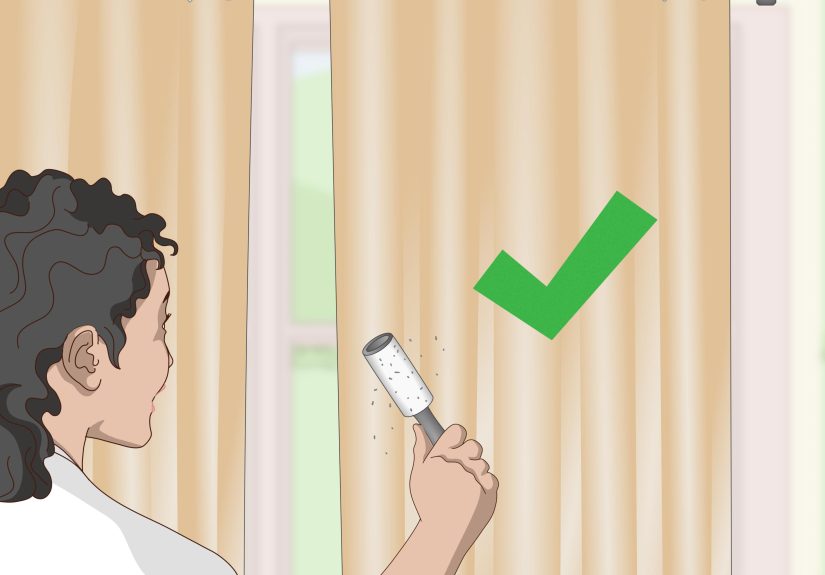
For homes with pets, the experience is a little different. Pet hair loves linen, especially in folds and hems. Many people discover that vacuuming before washing is the secret move. If you skip that step, the washer can turn loose hair into damp fuzz clusters that cling to the fabric. A quick pass with a vacuum brush or lint roller first makes the entire wash process smoother and helps the curtains come out looking genuinely clean instead of “technically washed.”
People with blackout-lined linen curtains often learn the hard way that the lining matters as much as the front fabric. The linen face may look beautiful, but after washing, the backing can ripple or the panel can hang unevenly. That’s why many homeowners eventually choose professional cleaning for lined or custom curtains. It costs more, but for expensive drapes, it can save a lot of frustrationand replacement money.
Steaming is another game-changer in real life. A lot of people start steaming just to remove wrinkles, then realize it also keeps curtains fresher between washes. A quick steam session once or twice a month makes a room feel cleaner, especially in bedrooms and living rooms. It’s also the easiest way to get that soft, polished linen look without wrestling a giant curtain panel on an ironing board.
The best long-term experience usually comes from a simple routine: vacuum weekly, spot-clean fast, wash every few months, and rehang while damp. Linen curtains still wrinkle a little, but they drape better over time and often look more beautiful with age. In other words, the goal isn’t “perfect.” It’s “clean, fresh, and effortlessly elegant”which is exactly what linen does best.