Table of Contents >> Show >> Hide
- Why Thanksgiving Is So Tricky to Pair
- The Best White Wine for Thanksgiving: Dry Riesling
- Excellent Runner-Ups for Thanksgiving White Wine
- White Wines to Avoid, or at Least Approach Carefully
- How to Match White Wine to the Foods on Your Table
- Practical Shopping Tips for Thanksgiving White Wine
- Serving Tips That Make a Bigger Difference Than People Think
- Final Verdict
- Real-World Thanksgiving Experiences and Lessons From the Table
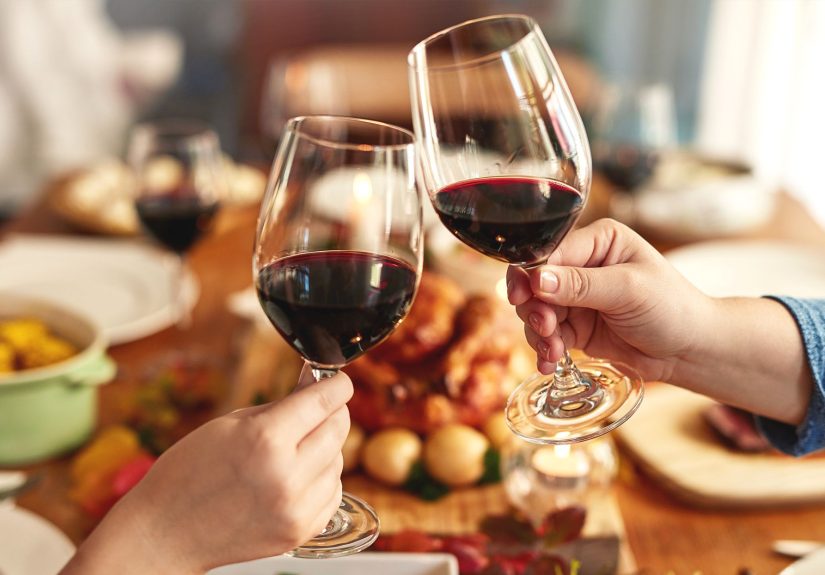
Thanksgiving dinner is a delicious little identity crisis. One minute you are dealing with roast turkey and savory gravy, the next you are staring down cranberry sauce, sweet potatoes, buttery rolls, herby stuffing, green beans, and at least one aunt insisting her casserole is “the real star.” In other words, Thanksgiving is not a one-dish meal. It is a full-blown flavor parade. That is exactly why choosing the best white wine for Thanksgiving can feel weirdly stressful.
The good news is that this holiday does not require a sommelier badge, a candlelit cellar, or a dramatic speech about limestone soils. It just requires one smart rule: pick a white wine with freshness, enough texture to stand up to the food, and enough flexibility to handle both savory and slightly sweet dishes. If you want the short answer hidden inside this long article like a very pleasant surprise, here it is: dry Riesling is the best all-around white wine for Thanksgiving. It has the acidity, the aroma, the food-friendliness, and the range to work with turkey, stuffing, gravy, cranberry sauce, and those sweet side dishes that always show up dressed like dessert.
That said, dry Riesling is not the only good answer. Sauvignon Blanc, Chenin Blanc, unoaked Chardonnay, Pinot Gris, and Grüner Veltliner can all shine depending on your menu. The real trick is matching the wine’s structure to the meal instead of just buying a random buttery Chardonnay because the label looks expensive and vaguely confident.
Why Thanksgiving Is So Tricky to Pair
Most wine pairings are easy because they revolve around one main dish. Steak night? Great. Pasta night? Easy enough. Thanksgiving, on the other hand, is culinary chaos in a gravy boat. Turkey itself is relatively mild, but it is surrounded by rich, starchy, sweet, salty, and herbaceous flavors. A wine that works with the bird alone may collapse once stuffing, mashed potatoes, and cranberry sauce pile onto the plate.
That is why the best Thanksgiving wines usually share a few qualities. They have bright acidity to cut through rich foods. They have moderate alcohol so they do not feel heavy by bite number six. They avoid aggressive oak, because a strong vanilla-butter profile can make the whole meal feel like someone put your dinner in a scented candle. And they often have a bit of aromatic lift or a whisper of fruit sweetness to play nicely with sweet potatoes, squash, cranberry relish, and glazed vegetables.
Put simply, Thanksgiving rewards balance, not brute force. This is not the moment for a giant, hot, oaky white that barges into the room like it pays the mortgage.
The Best White Wine for Thanksgiving: Dry Riesling
If you want one bottle style that has the best chance of making almost everybody at the table happy, choose a dry or just-off-dry Riesling. It is the best white wine for Thanksgiving because it solves several pairing problems at once.
Why Riesling Works So Well
First, Riesling has naturally bright acidity. That freshness helps slice through gravy, buttery mashed potatoes, sausage stuffing, and roasted turkey skin. Second, it often carries notes of apple, citrus, stone fruit, flowers, and a little spice, which makes it feel right at home with classic fall flavors. Third, depending on the bottle, it can have a very slight touch of sweetness, which is not a flaw here. It is a secret weapon.
That hint of sweetness helps Riesling bridge the gap between savory and sweet elements on the plate. If your Thanksgiving spread includes cranberry sauce, sweet potato casserole, roasted squash, honey-glazed carrots, or apple-forward stuffing, Riesling does not panic. It just keeps working.
Dry German Riesling, dry Finger Lakes Riesling, and many quality Rieslings from Washington State are all smart choices. Look for words like “dry,” “trocken,” or tasting notes that emphasize citrus, mineral, apple, and crispness rather than syrupy sweetness. If the table tends to love richer, sweeter side dishes, an off-dry style can be a brilliant call too.
Excellent Runner-Ups for Thanksgiving White Wine
Sauvignon Blanc
Sauvignon Blanc is one of the safest and smartest white wines for Thanksgiving. It brings high acidity, citrusy brightness, and often herbal or mineral notes that work especially well with herbed turkey, green vegetables, and stuffing packed with sage, thyme, and parsley. If your menu leans savory rather than sweet, Sauvignon Blanc can be a home run.
The best versions for Thanksgiving are usually balanced rather than aggressively grassy. A crisp California Sauvignon Blanc or a Loire-inspired style can feel energetic and clean without stealing the show. It is especially good if your family prefers a fresher, drier style of white wine.
Chenin Blanc
Chenin Blanc is one of the most underrated holiday pairing wines. It can be dry, off-dry, still, or sparkling, and good versions often combine apple and pear fruit with acidity and texture. That makes Chenin Blanc unusually versatile at a Thanksgiving table. It has enough body for richer dishes, enough freshness for savory foods, and enough fruit to cozy up to sweeter sides.
If Riesling is the overachieving valedictorian of Thanksgiving whites, Chenin Blanc is the brilliant kid who never talks about their SAT score but somehow wins anyway.
Unoaked or Lightly Oaked Chardonnay
Yes, Chardonnay can work beautifully at Thanksgiving. No, not every Chardonnay deserves an invitation. The trick is choosing one with restraint. Unoaked or lightly oaked Chardonnay has enough roundness to stand up to turkey and stuffing, but without the heavy butter, toast, and vanilla notes that can make the meal feel exhausting.
Think Chablis, cool-climate Chardonnay, or any bottle described as crisp, mineral, or citrusy rather than creamy and buttery. If your menu features roast turkey, gravy, and mushroom-heavy stuffing, this style can be terrific.
Pinot Gris or Pinot Grigio
Pinot Gris and Pinot Grigio are often treated like simple porch wines, which is a little rude because good versions can be excellent for Thanksgiving. Fuller, textured Pinot Gris can handle a broad range of dishes, especially if you want something dry but not razor-sharp. It tends to be more generous than Sauvignon Blanc and less demanding than Chardonnay, which makes it wonderfully easygoing.
Grüner Veltliner and Viognier
Grüner Veltliner is a fantastic option for vegetable-heavy Thanksgiving menus. Its acidity, subtle spice, and mineral character can work especially well with green beans, Brussels sprouts, potatoes, and herb-driven dishes. Viognier can also work, particularly if you want more texture and orchard-fruit richness, but it is usually best when it stays fresh and not too blowsy. Thanksgiving needs charm, not perfume wearing shoulder pads.
White Wines to Avoid, or at Least Approach Carefully
Not every white wine loves Thanksgiving back. A few styles are more likely to struggle:
- Heavily oaked Chardonnay: Too much butter, vanilla, and wood can feel cloying with a meal that is already rich.
- Very sweet white wines during the main meal: Lovely with dessert, but often too sugary for the turkey-and-stuffing phase.
- Super lean, austere whites: If a wine is all acid and no texture, it can taste thin beside stuffing, gravy, and casserole-heavy plates.
- High-alcohol whites: Thanksgiving is a marathon, not a sprint. Heat and heaviness get old fast.
How to Match White Wine to the Foods on Your Table
Turkey and Gravy
Turkey is relatively gentle, which is why it likes whites with acidity and moderate body. Dry Riesling, Sauvignon Blanc, and unoaked Chardonnay are all strong picks. If the turkey is heavily herb-roasted, Sauvignon Blanc gets bonus points. If the turkey is richer or brined, Chardonnay or Chenin Blanc can shine.
Stuffing
Stuffing is where things get serious. Bread, herbs, butter, sausage, mushrooms, chestnuts, apples, maybe all of them at once. This is why whites with texture matter. Chenin Blanc, dry Riesling, and lightly oaked Chardonnay all do well here. The wine needs enough body to keep up but enough acidity to stay lively.
Sweet Potatoes, Squash, and Cranberry Sauce
This is where dry-or-off-dry Riesling really separates itself from the pack. Cranberry sauce and sweet potatoes can make bone-dry wines seem sour or sharp. A touch of residual sugar smooths that out and keeps the pairing delicious. Chenin Blanc can also work beautifully here.
Green Beans, Brussels Sprouts, and Herbaceous Sides
These dishes often love Sauvignon Blanc or Grüner Veltliner. Herbal, citrusy, and mineral notes tend to flatter green vegetables, especially if they are roasted or dressed with herbs rather than buried under cream sauce.
Cheesy or Creamy Sides
Mac and cheese, gratins, creamed onions, and rich potato dishes call for whites with either strong acidity or some weight. Chenin Blanc, sparkling Chenin, and restrained Chardonnay are all smart moves.
Practical Shopping Tips for Thanksgiving White Wine
If you are shopping in a hurry and do not want to overthink it, here is a reliable strategy:
- Buy one dry Riesling as your main white.
- Add one Sauvignon Blanc if your menu is herb-heavy or your guests like crisp wines.
- Add one Chenin Blanc or unoaked Chardonnay if the menu is richer and more comfort-food driven.
That mix covers a lot of ground without turning your dining room into a wine seminar. It also helps if your guests have different tastes. Some people love bright and zippy. Some want a little more texture. Thanksgiving is not the day to force everybody into one lane.
As a rough rule, plan for about half a bottle per adult if wine is the main drink, and keep a sparkling option around if you can. Bubbles make appetizers feel festive and rescue the palate when the meal starts getting heavy.
Serving Tips That Make a Bigger Difference Than People Think
Great pairing can be ruined by bad serving temperature. White wine should be chilled, but not frozen into emotional unavailability. Very cold white wine loses aroma and flavor. Aim for roughly cool and refreshing, not straight-from-the-Arctic. Lighter aromatic whites can be served colder, while fuller whites can come up slightly warmer so their texture and complexity show better.
Also, open the bottle before guests sit down. This sounds obvious, but Thanksgiving kitchens are chaos factories. Having the wine ready means one less thing to juggle while someone asks where the vegetable peeler went for the fourth time.
Final Verdict
If you want the best white wine for Thanksgiving, start with dry Riesling. It is the most flexible, the most food-friendly, and the least likely to let you down once the whole plate comes together. It handles turkey, herbs, gravy, stuffing, sweet potatoes, and cranberry sauce with the kind of calm confidence every host wishes they had by 2:15 p.m.
If Riesling is not your style, reach for Sauvignon Blanc, Chenin Blanc, or unoaked Chardonnay. The winning formula is simple: bright acidity, moderate body, restrained oak, and enough personality to keep the meal interesting without taking over the table.
Thanksgiving is not a test. It is dinner. Delicious, loud, slightly chaotic dinner. Pick a white wine that refreshes the palate, respects the food, and still tastes good when somebody goes back for a second scoop of sweet potatoes. That is the real pairing victory.
Real-World Thanksgiving Experiences and Lessons From the Table
One of the most useful things about Thanksgiving wine pairing is that the lesson usually becomes obvious in real time. The first glass might taste great on its own, but the second you add gravy, stuffing, and cranberry sauce, the wine either adapts or falls apart. That is why so many hosts eventually learn the same truth the practical way: a technically impressive wine is not always the best Thanksgiving wine.
A rich, heavily oaked Chardonnay is the classic example. Someone brings a bottle that smells like toasted vanilla, caramel, and ambition. It seems like a crowd-pleaser. Then dinner starts, and suddenly the wine feels heavy next to the butter, cream, and starch already on the plate. By the third sip, the pairing starts to drag. Nobody says anything dramatic, but the bottle slows down fast. Meanwhile, the crisp dry Riesling that looked modest and unflashy starts disappearing at an alarming speed. That is not an accident. Thanksgiving rewards refreshment.
Another common experience happens with Sauvignon Blanc. At first, some guests think it may be too sharp. Then it lands beside turkey with herbs, green beans, and a bite of stuffing, and suddenly it makes perfect sense. The wine lifts everything. It brightens the savory flavors and keeps the meal from feeling too dense. If the Thanksgiving menu leans more herbaceous and less sugary, Sauvignon Blanc often becomes the quiet hero of the day.
Chenin Blanc tends to win people over in a different way. It is the bottle that starts as a curiosity and ends as the favorite of the person who insists they “don’t usually drink white wine.” That is because a good Chenin Blanc has enough texture to feel satisfying, but enough acidity to stay fresh. It works especially well at tables where sweet potato casserole, roasted squash, buttery rolls, and savory stuffing all appear on the same plate. It does not feel too lean, and it does not feel too broad. It just keeps fitting in, which is more than can be said for certain relatives.
There is also the serving-temperature lesson, which many hosts learn the hard way. White wine pulled directly from a very cold refrigerator can taste muted and closed. Ten or fifteen minutes later, after it warms slightly in the glass, the fruit and aroma wake up and the wine suddenly tastes more expressive. This small detail matters more than people think. A good bottle served too cold can come across as bland. A good bottle served at the right temperature suddenly seems smarter, livelier, and much more expensive than it really is.
Perhaps the biggest real-world lesson is that Thanksgiving is usually won by versatility, not precision. Most guests are not analyzing minerality or debating lees contact. They are eating turkey with three side dishes at once and hoping someone saved enough pie. The white wines that succeed are the ones that feel fresh, flexible, and easy to enjoy through the whole meal. That is why dry Riesling remains such a reliable answer. It does not demand a perfect pairing moment. It creates one over and over again, from the first slice of turkey to the last forkful of stuffing.
And that, really, is the experience people remember. Not whether the wine was rare, trendy, or recommended by a clerk with impressive cheekbones. They remember whether it tasted good with dinner, whether guests actually reached for another glass, and whether the bottle felt like part of the celebration rather than a side quest. On Thanksgiving, that is what great pairing looks like.