Table of Contents >> Show >> Hide
Cats are famous for grooming. In fact, if cats had résumés, “personal hygiene specialist” would be near the top. So when your cat starts licking nonstop, chewing at the same patch of fur, or leaving behind bald spots like a tiny and deeply judgmental barber, it is easy to wonder whether this is normal cat behavior or a furry red flag.
Here is the short version: normal grooming keeps a cat clean, comfortable, and looking polished. Overgrooming is different. If your cat is licking so much that the fur looks thin, broken, patchy, or completely gone, there is usually an underlying reason. Sometimes it is medical. Sometimes it is stress. Sometimes it is both. And no, your cat is not “just being weird.” Well, not only weird.
This guide explains why cats lick their fur off, the most common causes of feline overgrooming, how veterinarians figure out what is going on, and what actually helps stop it.
What Is Overgrooming in Cats?
Overgrooming is excessive licking, chewing, nibbling, or pulling at the coat that leads to hair loss, broken hairs, frequent hairballs, skin irritation, or sores. Some cats focus on the belly, inner thighs, sides, lower back, or near the base of the tail. Others seem to groom “everywhere, all the time,” which is not exactly a calming background activity for the humans in the room.
One tricky part is that cats are private groomers. They often do their overgrooming when no one is watching, so owners may only notice clues such as:
- thin or missing fur on the belly, legs, or sides
- short, stubbly “barbered” hairs that look clipped
- red, irritated, or darkened skin
- more hairballs than usual
- licking sessions that seem intense, repetitive, or hard to interrupt
Why Is My Cat Licking Its Fur Off?
The biggest mistake cat owners make is assuming overgrooming is automatically behavioral. Stress can absolutely play a role, but many cats are licking because something feels itchy, painful, inflamed, or uncomfortable. In other words, your cat may be trying to solve a problem the only way it knows how: with its tongue.
1. Fleas and flea allergy dermatitis
This is one of the most common causes of sudden overgrooming. A single flea bite can set off a major reaction in sensitive cats. The classic pattern is excessive licking or chewing near the lower back, rump, and tail base, though some cats groom more broadly. And yes, indoor cats can get fleas too. Fleas did not get the memo about property lines.
2. Environmental or food allergies
Allergies in cats often show up as itchiness rather than dramatic sneezing or watery eyes. A cat with allergies may lick its belly raw, chew at the legs, scratch the head and neck, or develop red, irritated skin. Environmental allergies may flare seasonally or year-round. Food allergies can look very similar, which is why a veterinarian may suggest a strict diet trial instead of random ingredient roulette from the pet store aisle.
3. Mites, ringworm, or skin infection
Parasites and infections can make skin miserable. Mites can cause intense irritation. Ringworm, despite its misleading name, is a fungal infection that can cause hair loss, scaling, and crusting. Bacterial or yeast infections can develop secondarily when the skin barrier gets damaged. If the skin looks crusty, scabby, flaky, or oozing, this moves higher on the list of suspects.
4. Pain hiding behind the grooming
Cats are world-class pain disguisers. Sometimes the licking is not about itch at all. A cat may overgroom one area because that spot hurts. Arthritis, bladder discomfort, abdominal pain, spinal sensitivity, or another internal issue can lead to obsessive licking over the belly, joints, or lower back. If your cat keeps targeting the same place, think beyond “skin problem” and consider “this area may hurt.”
5. Stress, anxiety, or compulsive behavior
When medical causes are ruled out, stress-related overgrooming becomes more likely. This is often called psychogenic alopecia, though many veterinarians prefer to reach that diagnosis cautiously. Cats may overgroom after moving, remodeling, changes in schedule, conflict with another pet, a new baby, loud visitors, outdoor cat drama at the window, boredom, or simple household unpredictability.
In some cats, grooming becomes a self-soothing ritual. It starts as a coping behavior and then turns into a repetitive habit, almost like the cat’s version of doomscrolling.
6. Less common neurologic or systemic problems
Some cats with feline hyperesthesia, hormone-related disease, metabolic illness, or other systemic conditions may show overgrooming or self-trauma. These are not the first things most owners should assume, but they matter when the usual answers do not fit.
How Veterinarians Diagnose Cat Overgrooming
If your cat is licking its fur off, the goal is not just to stop the licking. The goal is to identify the reason behind it. A good diagnostic workup often includes both detective work and a little patience.
What your vet may ask
- When did the licking start?
- Is it seasonal or year-round?
- Is your cat indoor-only, outdoor-only, or both?
- Have there been changes at home?
- Are there other pets in the house?
- What parasite prevention is being used?
- Has your cat had more hairballs, itching, vomiting, or litter box changes?
Tests your vet may recommend
- flea combing and a close skin exam
- skin scrapings to look for mites
- tape or swab cytology to check for bacteria or yeast
- fungal testing for ringworm
- bloodwork or urinalysis if pain or internal disease is suspected
- a strict food elimination trial for suspected food allergy
- X-rays or additional imaging if a pain source is possible
This is why “I think my cat is anxious” should not be the end of the story. In cats, behavioral diagnoses are often diagnoses of exclusion, meaning you first need to rule out medical causes that can look exactly the same.
How to Stop Overgrooming in Cats
The best treatment depends on the cause. There is no universal fix, and there is definitely no magic shampoo that solves everything while your cat glares from the bathtub. Still, most successful treatment plans include one or more of the following steps.
1. Treat parasites aggressively and consistently
If fleas are even remotely possible, use a veterinarian-recommended flea preventive for every pet in the home, exactly as directed. One skipped month can restart the whole problem. Vacuuming, washing bedding, and treating the environment may also matter in some cases.
2. Address allergies properly
Allergy treatment may involve parasite control, diet trials, anti-itch medication, treatment of secondary infection, or longer-term allergy management. This is where home guesswork usually fails. Changing foods every few days or buying random “sensitive skin” treats tends to create confusion, not clarity.
3. Treat infections and skin disease
If your cat has ringworm, bacterial infection, or yeast overgrowth, the skin itself needs treatment. That may mean medicated topicals, oral medication, environmental cleanup, or isolation guidance in the case of contagious disease. Ringworm is especially important because it can spread to people and other animals.
4. Look for pain and treat it
If the overgrooming is focused on one area, your veterinarian may investigate arthritis, bladder inflammation, injury, or another pain source. Once the pain is treated, the grooming often improves because the cat no longer feels driven to “tend” the sore spot.
5. Reduce stress and enrich the environment
This is a huge piece of the puzzle, especially for indoor cats. A stressed cat does not just need “less stress.” It needs a more cat-friendly world.
Simple ways to lower stress at home
- keep a predictable daily routine for meals, play, and quiet time
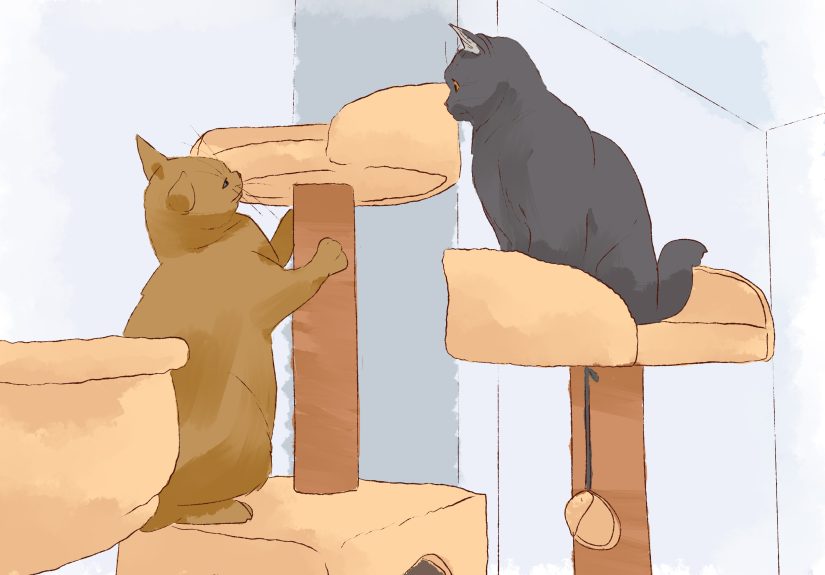
- provide vertical space such as cat trees, shelves, or window perches
- offer safe hiding spots and resting areas
- separate key resources in multi-cat homes: litter boxes, food, water, beds, scratching posts
- use interactive play to reduce boredom and frustration
- block visual access to outdoor cats if neighborhood drama is a trigger
- consider feline pheromone products if your veterinarian recommends them
Many cats improve when life becomes more predictable, more enriched, and less socially complicated. In cat terms, this means more control, fewer surprises, and no one stealing the good nap spot.
6. Use medication when needed
Some cats with severe anxiety, compulsive grooming, or persistent itch benefit from prescription medication. This is not a failure. It is treatment. Depending on the cause, a veterinarian may prescribe anti-itch medication, pain relief, antifungals, antibiotics, or behavior-related medication as part of a full plan.
What Not to Do
- Do not assume it is “just stress” without a veterinary exam.
- Do not use human creams, essential oils, or over-the-counter itch products unless your vet says they are safe.
- Do not punish your cat for grooming. Punishment increases stress and usually makes the behavior worse.
- Do not rely on a cone alone as the solution. It may protect the skin temporarily, but it does not fix the reason your cat wants to lick.
When to Call the Vet Right Away
Schedule a veterinary visit promptly if your cat has bald spots, red skin, sores, scabs, frequent hairballs, or sudden intense grooming. Seek more urgent care if your cat is not eating normally, seems painful, is hiding more than usual, has open wounds, or is straining in the litter box. A cat licking the lower belly because of urinary discomfort is not something to “watch for a few weeks.”
Can Overgrooming in Cats Be Prevented?
Sometimes, yes. You cannot bubble-wrap your cat from every allergy or life stressor, but you can greatly reduce the odds of a licking spiral by staying current on flea prevention, keeping regular veterinary visits, managing skin issues early, and creating an environment that supports normal feline behavior.
Think of prevention as a four-part plan: healthy skin, pain control, parasite control, and a home that makes sense to a cat. That last one matters more than people realize.
Final Thoughts
If your cat is licking its fur off, do not brush it off as a quirky grooming obsession. Overgrooming is a sign, not a personality trait. In many cats, the cause is medical. In others, stress is part of the picture. In some, it is a layered mess of itch, discomfort, and anxiety all feeding into one another.
The good news is that overgrooming can often be improved, and sometimes fully resolved, once the real trigger is identified. The smartest move is to treat your cat like the mystery novel it is: gather clues, look for patterns, and get expert help before your tiny house tiger turns its coat into a patchwork project.
What Overgrooming Often Looks Like in Real Life
Cat overgrooming rarely starts with a dramatic movie scene where the owner gasps and points at a giant bald patch. More often, it begins quietly. A cat that used to nap after breakfast now spends twenty extra minutes licking its belly. A sleek coat starts looking a little thin on the sides. Hairballs become more frequent. Owners vacuum more fur than usual and assume it is seasonal shedding. Then one day the cat rolls over, and there it is: a suspiciously naked strip across the lower belly, like the cat lost an argument with an invisible razor.
One common experience is the “we moved, and then everything changed” story. A cat seems fine during the first week in a new home, then starts licking the inner thighs or abdomen. The owner worries about fleas, buys three products, changes food twice, and deep-cleans the sofa like they are preparing for surgery. The real answer may turn out to be stress from the move, new sounds, unfamiliar smells, loss of routine, or conflict with another pet. Once the environment becomes more predictable and the cat gets safe vertical space, private resting zones, and structured play, the licking finally begins to slow.
Another classic scenario is the “indoor cat with no fleas” belief. Owners are often shocked when the veterinarian still suspects flea allergy. But fleas are incredibly good at showing up uninvited, and allergic cats can react strongly even when owners never see a single insect. In these cases, the experience is frustrating because the cat may look cleaner than a luxury hotel pillow and still be miserably itchy. Once reliable flea prevention starts for every pet in the home, improvement can be dramatic.
Then there is the stealth pain cat. This is the cat who keeps licking one side of the belly or one particular joint, while otherwise acting perfectly normal. It still eats, still watches birds, still judges everyone equally. The owner assumes skin issue. The veterinarian finds something deeper, such as arthritis, bladder inflammation, or spinal sensitivity. Treat the pain, and the licking begins to fade. This kind of case teaches owners an important lesson: cats do not always limp, cry, or obviously look hurt. Sometimes they just lick and pretend nothing is wrong.
Multi-cat homes can create another very real experience: social stress that humans miss completely. Two cats may not be fighting openly, but one may be blocking hallways, guarding the litter box area, or staring just long enough to make the other cat feel unsafe. The overgrooming cat is often the quieter one. Once resources are separated, hiding places are added, and the household becomes less socially tense, the coat starts coming back. To the human eye, nothing major changed. To the cat, it was the emotional equivalent of finally getting off a long, delayed flight.
What these experiences have in common is that overgrooming is usually a clue, not the entire problem. Owners often come in focused on the hair loss, but the real story may involve itch, pain, routine disruption, fear, boredom, or hidden conflict. The encouraging part is that when the cause is identified and the plan is consistent, cats often recover beautifully. Fur regrows. Hairballs decrease. The frantic licking settles into normal grooming again. And the household can finally retire from its role as a full-time detective agency.